The entertainment industry is currently grappling with a series of high-stakes legal filings that allege the existence of a sophisticated and coordinated "smear machine" operating out of Los Angeles. At the center of these allegations is Bryan Freedman, a prominent entertainment attorney known for his aggressive litigation style, alongside digital consultant Jed Wallace and crisis publicist Melissa Nathan. Recent court documents filed by actress and activist Alexa Nikolas, as well as separate claims involving high-profile figures like Blake Lively, suggest a pattern of behavior where digital "sock-puppet" accounts and anonymous websites are allegedly used to discredit and harass legal adversaries and public critics.
The Triumvirate of Influence: Legal, Digital, and Public Relations
Bryan Freedman has long cultivated a reputation as one of Hollywood’s most formidable "pit bull" attorneys. His client list has included some of the biggest names in the industry, including Vin Diesel, Scooter Braun, and Justin Baldoni. Freedman himself has leaned into his reputation for intensity, famously telling The Hollywood Reporter in early 2024, "If you fuck with my client, you get what you get." This aggression has occasionally manifested in physical ways; in 2023, he was accused of throwing a mock punch at an opposing lawyer during a heated dispute regarding a deposition for Vin Diesel.
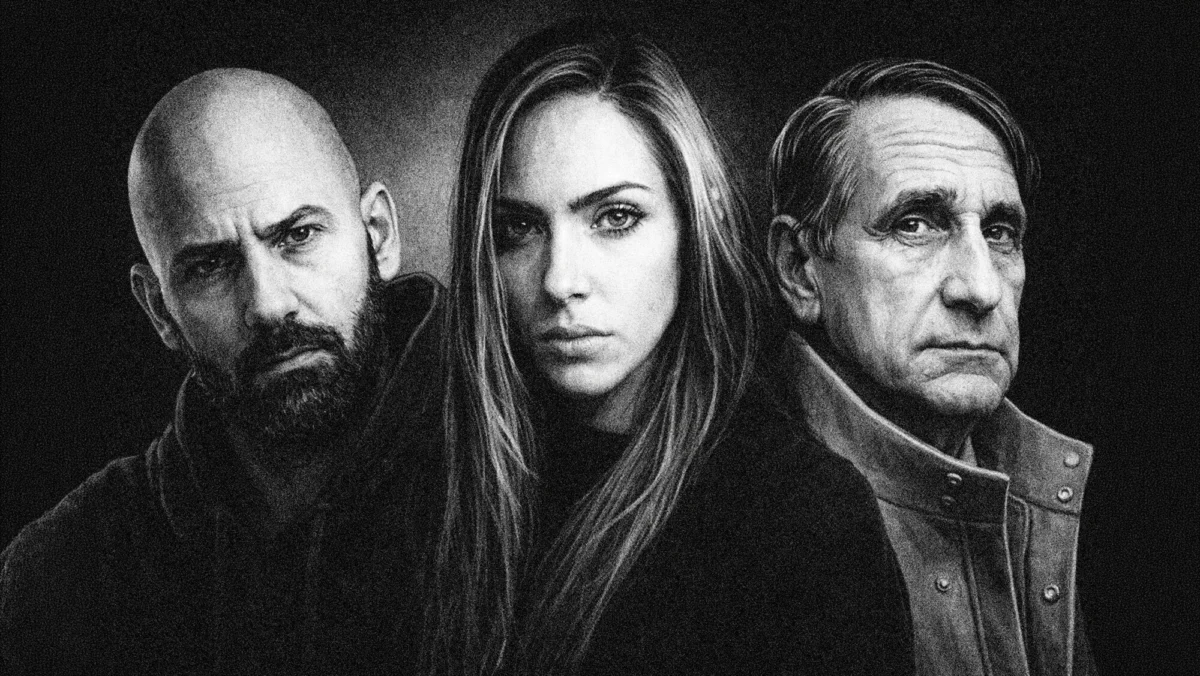
However, the current allegations move beyond the courtroom and into the digital realm. According to various legal complaints, Freedman often works in tandem with Jed Wallace, a "digital fixer," and Melissa Nathan, a crisis communications specialist. Together, this trio is alleged to offer a comprehensive service that combines legal pressure with digital reputational management—or, as their detractors claim, reputational destruction.
The core of the "smear machine" allegations involves the creation of anonymous websites and social media accounts designed to disseminate disparaging information about specific targets. These accounts, often referred to as "sock puppets," are alleged to use Search Engine Optimization (SEO) tactics to ensure that negative, and often false, claims appear at the top of search results for the targets’ names.
The Case of Alexa Nikolas: A Catalyst for Disclosure
Alexa Nikolas, known for her role on the Nickelodeon series Zoey 101 and her subsequent work as an activist against industry misconduct, has become the primary whistleblower in this unfolding scandal. Nikolas’s defamation lawsuit against Freedman, Wallace, and Nathan alleges that she was the target of a vicious online campaign intended to silence her.
The timeline of the alleged harassment against Nikolas is significant. The campaign reportedly intensified shortly after Nikolas publicized details regarding a 1991 sexual assault settlement involving Freedman. While Freedman did not admit liability in that decades-old case, the publicization of the settlement by Nikolas apparently placed her in the "line of fire."
Nikolas’s legal team asserts that anonymous accounts began labeling her a "Nazi" and a "pedophile apologist" across various platforms. A new amended complaint in her case suggests a technical link between the accounts attacking her and those attacking other individuals who have crossed paths with Freedman’s clients. The filing points toward "common authorship" among accounts that promoted Jed Wallace’s business interests while simultaneously smearing Nikolas and other figures.
Expanding the Scope: The Craig Flanders and Pappy & Harriet’s Dispute
The reach of the alleged smear machine extends beyond the direct targets of the entertainment industry. One of the most striking examples detailed in recent filings involves Craig Flanders, a seasoned litigator at the firm Blank Rome. Flanders found himself as Freedman’s opposing counsel in 2021 during a bitter legal battle over the ownership of Pappy & Harriet’s, a historic music venue in Pioneertown, California.
Flanders was representing Stephen Hendel and Morgan Margolis against two business partners who were represented by Freedman. As the litigation progressed, anonymous websites began to emerge targeting Hendel and Margolis. Hendel was characterized as a predatory "oil commodities trader," a label designed to alienate him from the artistic community of Joshua Tree.
However, the attacks on Flanders himself were even more personal. Digital data presented in the Nikolas lawsuit suggests that the same infrastructure used to attack her was also used to associate Flanders’s name with the term "male escort" in online search queries. This tactic—linking a professional’s name to salacious or criminal terms—is a hallmark of "black hat" SEO, designed to ruin a person’s professional standing and personal life without the attacker ever revealing their identity.
Despite the digital onslaught, Flanders’s clients, Hendel and Margolis, ultimately prevailed in court in December 2024, securing control of the venue after a multi-year battle.
High-Profile Friction: Baldoni vs. Lively
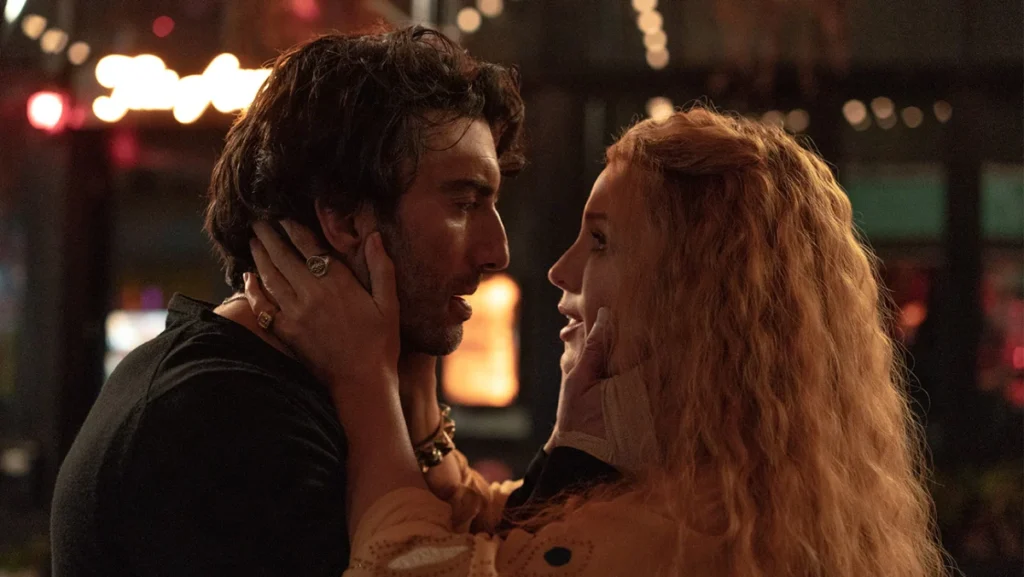
The allegations of digital manipulation have also surfaced in the high-profile dispute between Justin Baldoni and Blake Lively, following their work on the film It Ends With Us. The trio of Freedman, Wallace, and Nathan has been working on behalf of Baldoni as he faces a trial set for May 2025.

Lawyers for Blake Lively have explicitly accused the team of "weaponizing a digital army" to advance disparaging content against her. They contend that Wallace orchestrated a campaign to seed negative narratives on social media platforms and internet forums, making them appear as authentic "fan" or "viewer" reactions rather than coordinated PR strikes.
While the Lively-Baldoni trial is primarily focused on claims of retaliation and harassment during production, the inclusion of Jed Wallace’s digital tactics in the legal discourse highlights how central online reputation has become to modern litigation.
Supporting Data and Technical Indicators of Coordination
The allegations of a "smear machine" are not based solely on the content of the attacks, but on technical data that suggests a centralized operation. In the amended complaint filed by Alexa Nikolas’s attorney, several key indicators of coordination are identified:
- Shared Metadata and IP Addresses: Filings suggest that multiple anonymous accounts and websites shared common technical footprints, indicating they were managed by the same entity or individuals.
- Temporal Synchronization: The timing of the attacks often aligns perfectly with legal developments. When a target achieves a legal victory or makes a public statement against a Freedman client, the digital volume of the smear campaign typically increases.
- SEO Cross-Linking: The anonymous websites frequently link to one another, a strategy used to boost the authority of the sites in Google’s search rankings, ensuring the negative content remains visible.
- Target Overlap: The same accounts that defended Freedman’s clients—such as Scooter Braun or Andrew Huberman—were often the same accounts that initiated attacks on figures like Nikolas, Flanders, and Lively.
Official Responses and Industry Denials
The defendants have consistently denied all allegations of wrongdoing. Bryan Freedman previously dismissed the claims as "speculation presented as fact," asserting that neither he nor his associates have been involved in anonymous smear campaigns. Jed Wallace has similarly denied "weaponizing" digital tools against Blake Lively or any other party.
In response to the most recent inquiries regarding the Flanders and Nikolas filings, representatives for Freedman, Wallace, and Nathan have remained silent. Their legal strategy appears to be focused on challenging the standing of the defamation claims and arguing that the evidence presented does not definitively link them to the anonymous digital activity.
The broader legal community, however, is watching the case with concern. The use of "litigation PR" is a standard practice, but the transition into anonymous digital harassment represents a potential ethical and legal breach for practicing attorneys.
Analysis of Implications for Hollywood and Legal Ethics
The outcome of the Alexa Nikolas defamation suit and the upcoming Baldoni-Lively trial could have significant implications for the intersection of law, PR, and digital media.
1. Legal Accountability for Digital Fixers:
If the court finds that Jed Wallace’s actions were coordinated with legal counsel to harass adversaries, it could set a precedent for how "digital fixers" are regulated. It may also expand the definition of defamation to include the intentional manipulation of search engine results through coordinated bot activity.
2. Ethical Standards for Attorneys:
For Bryan Freedman, the stakes involve more than just a financial settlement. The California State Bar has strict rules regarding the conduct of attorneys, particularly concerning harassment and the use of third parties to commit acts that the attorney is prohibited from doing directly. If Freedman is proven to have directed these campaigns, he could face disciplinary action or disbarment.
3. The Future of "Litigation Communications":
The case highlights a growing trend where legal battles are fought as much in the court of public opinion as they are in a court of law. If these "smear machine" tactics are proven effective and go unpunished, they may become a standard—albeit unethical—tool for wealthy litigants to silence opposition.
4. Protection for Activists and Whistleblowers:
For individuals like Alexa Nikolas, the case is about the ability to speak out against industry power players without facing life-altering digital retaliation. A victory for Nikolas would serve as a warning to those who use digital infrastructure to suppress dissent.
As the legal proceedings move toward trial in 2025, the industry remains on edge. The "smear machine" allegations have pulled back the curtain on the darker side of Hollywood power dynamics, revealing a world where the line between a robust legal defense and a coordinated character assassination is increasingly blurred. The upcoming testimony and discovery phases are expected to reveal even more about the digital footprints left behind by those who seek to control the narrative at any cost.