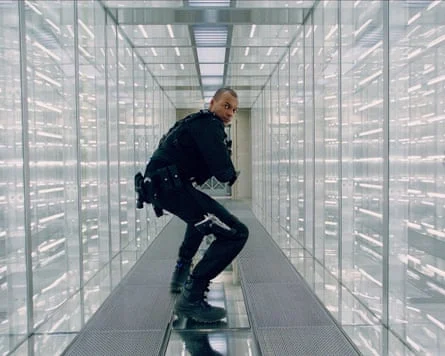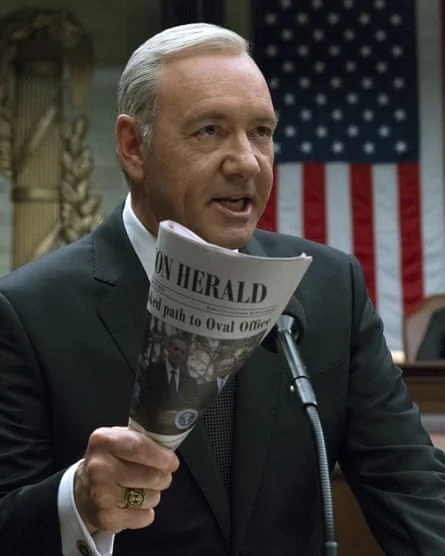
The history of cinema is often recounted with an alluring emphasis on spontaneous brilliance, where actors conjure iconic moments out of thin air and directors embrace unexpected turns. This narrative, fueled by social media trends and a fascination with behind-the-scenes secrets, has fostered a pervasive myth: that many of cinema’s most celebrated scenes were improvised. From Al Pacino’s charged exchange with John Cazale in The Godfather Part II to Heath Ledger’s palpable frustration in The Dark Knight, online platforms like YouTube Shorts, X, and Instagram are rife with claims that these pivotal moments were unscripted, born from the actors’ immediate impulses.
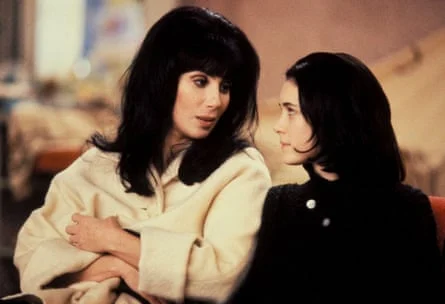
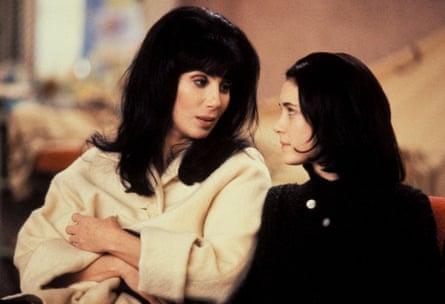
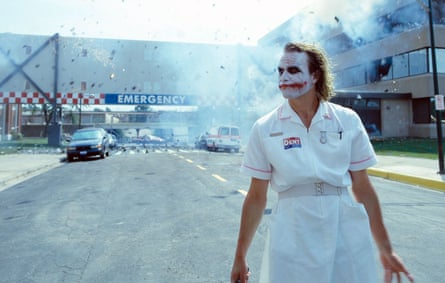
This phenomenon has escalated significantly in the past year, with content creators disseminating these inaccuracies across various platforms. The claims often present moments of genuine acting prowess or carefully orchestrated directorial choices as organic improvisations. For instance, the alleged "kiss of death" moment in The Godfather Part II, where Michael Corleone (Al Pacino) embraces his brother Fredo (John Cazale) before orchestrating his demise, is frequently cited as an on-the-spot invention. Similarly, Heath Ledger’s iconic portrayal of the Joker in The Dark Knight is often highlighted, with claims that his reaction to the hospital explosion sequence, where he continues to detonate explosives despite their premature ignition, was a genuine display of frustration rather than a meticulously planned performance. Another widely circulated anecdote involves a scene from Mermaids, suggesting that Winona Ryder delivered a "roast" so cutting that Cher’s subsequent slap was an unscripted, real reaction.

The Rise of "History" Accounts and Engagement Bait
The proliferation of these misleading narratives is closely tied to the evolving landscape of social media monetization. Accounts that frequently feature the word "history" in their handles on X, or employ formulaic captions on Instagram about actors "turning a mistake into an iconic moment," have become common. YouTube creators often feature a silent, reacting personality in the corner of their videos, while TikTok content utilizes narration and dramatic music to enhance the sense of spontaneous discovery. These creators often frame their content with phrases like, "This scene completely confused the cast, but they decided to go along with it!" or "It was just so random that they decided to keep it!"
This strategy appears to be a direct consequence of platforms like X (formerly Twitter) introducing revenue-sharing models for creators. The incentive is to produce "engagement bait"—content that is quickly made, requires minimal production effort, and garners a high volume of likes, shares, and comments. The Measure, a data analysis website, has noted the success of such accounts. For example, Stone Face Memes became the most-watched US creator in April 2025, a feat largely attributed to its strategy of leveraging familiar films to quickly capture audience attention. Eggdar Memes, a similar account, followed suit, highlighting the profitability of this low-effort, high-reward content model. The minimal production time required for these videos allows creators to generate a substantial volume of content, capitalizing on the audience’s appetite for sensationalized behind-the-scenes tidbits.
The Illusion of Improvisation: A Deeper Dive
Despite the widespread claims of improvisation, many of these scenes are, in fact, carefully scripted and meticulously rehearsed. The internet’s penchant for sensationalism often overshadows the reality of filmmaking, where pre-production, scriptwriting, and directorial vision are paramount.
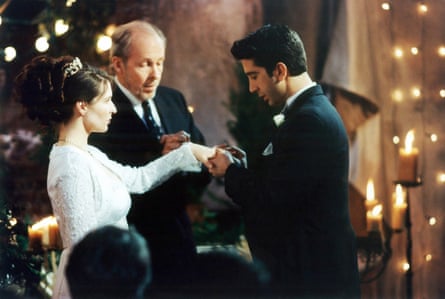
One compelling example often cited is the scene in Friends where Ross Geller (David Schwimmer) mistakenly says "Rachel" instead of "Emily" at the altar. While some online narratives suggest this was an unplanned gaffe by Schwimmer, the reality is more nuanced. The writers of Friends were indeed inspired by a real-life incident where Schwimmer had accidentally said the wrong name in a different scene. However, this incident was then deliberately incorporated into the script as a plot point, not a spontaneous on-set error. The writers chose to explore the comedic and dramatic potential of such a mistake, demonstrating a deliberate creative decision rather than an accidental slip-up.
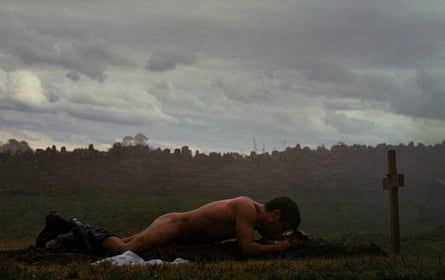
Similarly, the infamous grave-digging scene in Saltburn has been presented as improvised. An NME headline in January 2024 declared, "Barry Keoghan reveals Saltburn grave sex scene was totally improvised." However, further investigation reveals that "totally improvised" in this context meant that the director, Emerald Fennell, discussed a new idea with the actor on the morning of the shoot. While this indicates a degree of actor and director collaboration and potentially some on-the-spot refinement of the concept, it does not equate to a completely unscripted and spontaneous act. The core concept and its execution were part of the directorial vision.
The Role of "Movie Insiders" and Media Literacy
The trend of misrepresenting improvised scenes is not solely a product of recent social media phenomena. For decades, "movie insiders" and even some journalists have contributed to this myth-making. Director Judd Apatow, in a 2010 interview, recalled the extensive improvisation claims surrounding his film Superbad. He stated, "When we made Superbad, Jonah [Hill] insisted it was very heavily improvised. Finally, we said: ‘Let’s look at the script and highlight every improvised line in the movie.’ It was so little, it was crazy." This anecdote highlights how even within the filmmaking community, there can be a tendency to overstate the role of improvisation, perhaps to lend an air of authenticity or effortless genius to the creative process.
This blurring of lines between scripted and spontaneous moments poses a significant challenge to media literacy. Even when viewers or commenters point out that a dance routine was clearly rehearsed or that seemingly spontaneous nudity was part of the original source material (as in the case of certain film adaptations of books), their engagement—even critical engagement—can still contribute to the creator’s profitability. This suggests a broader audience appetite for these sensationalized "secrets," regardless of their veracity.
The consequences of this misinformation extend to how audiences perceive filmmaking itself. There’s a potential argument that the valorization of improvisation, while sometimes leading to genuine brilliance, can also foster an environment where meticulous craft and disciplined execution are undervalued. The idea that a scene is more impressive if it appears effortlessly improvised might lead some to question the dedication and skill of actors and writers who adhere strictly to a script.
Historical Roots and Audience Appeal
The fascination with improvisation in cinema can be traced back to the French New Wave movement of the mid-20th century. Filmmakers like Jean-Luc Godard, while not always strictly improvising, embraced a more fluid and experimental approach that often blurred the lines between pre-planned and spontaneous moments. While some critics viewed improvisation as a sign of carelessness or a lack of respect for the audience, others began to champion it as a marker of authenticity and creative freedom.
Marion Froger, a professor of art history and cinema at McGill University, suggests that the detection of improvisation can foster a sense of "intimacy" between the audience and the filmmakers. This perceived intimacy allows viewers to "feed our imaginary attachment to them," making them feel more connected to the stars and the creative process. For example, the revelation that Paul Rudd might have been genuinely farting during a scene in This Is 40 lends a relatable, human element to the performance, making the actor seem more accessible and the scene funnier.
The Monetization Engine of Misinformation
The underlying drivers of this misinformation are complex, but the monetization of online content plays a significant role. Platforms are incentivized to keep users engaged, and sensationalized "behind-the-scenes" stories, even if fabricated, are highly effective at achieving this. The lack of robust fact-checking mechanisms on many social media platforms further exacerbates the problem, allowing these narratives to spread unchecked.
The internet’s ability to quickly disseminate information, coupled with the desire for "insider knowledge," creates a fertile ground for these myths to thrive. When a popular creator posts a video claiming a scene was improvised, it can quickly gain traction, influencing millions of viewers’ perceptions of a film’s production. The original source of these claims often becomes secondary to the viral spread of the narrative.
The Enduring Power of Myth in Filmmaking
Ultimately, the enduring appeal of these "improvised scene" narratives speaks to a deeper human desire for authenticity and surprise in art. While the meticulous craft of filmmaking is essential, the idea that a moment of unexpected brilliance could emerge organically adds an element of magic to the cinematic experience. However, it is crucial for audiences and creators alike to distinguish between genuine, well-executed improvisation and the widespread dissemination of misinformation.
The challenge lies in navigating an information ecosystem where sensationalism often trumps accuracy. While the internet’s monetization models may incentivize the spread of nonsense, the practice of myth-making has always been an integral part of filmmaking and its reception. As audiences, developing a critical eye and a commitment to verifying information is more important than ever, ensuring that our appreciation for cinema is grounded in fact rather than popular fabrication. The true magic of cinema lies not just in spontaneous moments, but in the collective artistry, dedication, and storytelling that bring our favorite films to life.