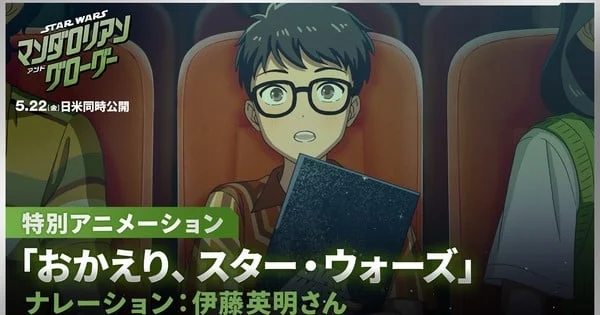
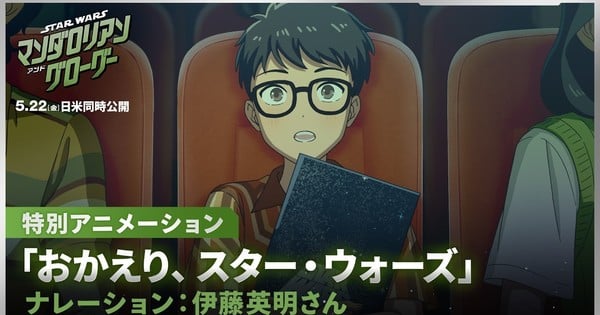
The enduring legacy of the Star Wars saga is being celebrated with the release of a poignant new animated short, titled "Okaeri, Star Wars" (Welcome Back, Star Wars). Narrated by acclaimed Japanese actor Hideaki Itō, the heartwarming piece spans an impressive 48 years, tracing the intergenerational passage of fandom from parents to children, and offering a touching prelude to the highly anticipated theatrical return of The Mandalorian in the film The Mandalorian and Grogu. The short debuted on Friday, May 15, 2026, just one week before the cinematic event is slated to premiere globally.
This evocative narrative delves into the deeply personal impact of the Star Wars universe on families across generations. It begins with a nostalgic scene depicting a young boy’s first encounter with the original Star Wars film. The setting is the Nichigeki, a historic Tokyo theater that played a significant role in the franchise’s Japanese debut in 1978. The film’s premiere at this iconic venue marked a cultural moment, introducing audiences to a galaxy far, far away. The short visually captures the boy’s burgeoning fascination, illustrating his collection of cherished memorabilia – from theatrical pamphlets and Kenner action figures to even humble bottle caps – all testaments to his growing love for the saga.
The timeline of the short unfolds with significant milestones in the Star Wars narrative and the boy’s life. His adolescent years are marked by his first date in 1983, where the viewing of Return of the Jedi served as a backdrop to this significant social event. This illustrates how Star Wars became interwoven with personal memories and life experiences for many fans. The baton of fandom is then passed to the next generation when the now-adult protagonist takes his own son to witness the cinematic debut of The Phantom Menace in 1999. This moment underscores the cyclical nature of cultural influence, where parents actively introduce their children to the worlds and stories that shaped their own youth. The torch of enthusiasm is further passed with The Force Awakens in 2015, a film that reignited the passion for Star Wars for a new generation, with the son now fully embracing the saga. The narrative culminates in 2026, with three distinct generations of fans coming together to experience the latest installment of Star Wars on the big screen, highlighting the franchise’s remarkable ability to bridge generational divides.
A Deep Dive into the Short’s Narrative Arc and Cultural Significance
The "Okaeri, Star Wars" short is more than just a promotional piece; it’s a carefully crafted tribute to the enduring appeal of the Star Wars saga. The choice of Hideaki Itō, a respected figure in Japanese cinema known for his roles in live-action productions such as Umizaru, Sukiyaki Western Django, and Terraformars, lends a gravitas and emotional resonance to the narration. His voice guides viewers through the emotional journey of a fan, from childhood wonder to the shared experience with his own family.
The short’s opening scene, placing the initial viewing at the Nichigeki theater, is a particularly poignant detail. This real-life Tokyo landmark, famously depicted and even destroyed in several Godzilla films, served as the very stage for Star Wars‘ impactful Japanese premiere. This historical context adds a layer of authenticity and cultural depth, grounding the universal theme of fandom within a specific, significant location. The inclusion of such details, like the collecting of specific merchandise and the association of films with personal life events such as first dates, resonates deeply with long-time fans who have similar memories tied to the franchise.
The progression of films mentioned within the short – the original trilogy, the prequel trilogy, and the sequel trilogy – mirrors the evolution of the Star Wars universe and its impact on audiences across different eras. This chronological approach not only tells a personal story but also serves as a subtle reminder of the franchise’s expansive history and its continuous presence in popular culture. The transition from theatrical releases to home viewing and then back to a significant theatrical event with The Mandalorian and Grogu also reflects shifts in media consumption over the decades.
The Looming Spectacle: "The Mandalorian and Grogu"
The release of "Okaeri, Star Wars" strategically precedes the theatrical debut of The Mandalorian and Grogu. This film marks a significant moment for the Star Wars franchise, being the first film to open in theaters since the 2019 release of The Rise of Skywalker. The decision to bring The Mandalorian and its beloved characters, Din Djarin and Grogu, to the silver screen signifies a renewed focus on cinematic storytelling within the universe.
Directed by Jon Favreau, a key architect of the Mandalorian television series, the film is set to premiere simultaneously in Japan and the United States on May 22, 2026. The casting of Pedro Pascal as Din Djarin/The Mandalorian is a cornerstone of the film’s appeal, given his established performance in the critically acclaimed series. The additions of Jeremy Allen White as Rotta the Hutt and Sigourney Weaver as Ward further bolster the film’s star power and suggest intriguing new narrative possibilities. The inclusion of Rotta the Hutt, a character from The Clone Wars animated series, hints at a potential blending of different eras and storytelling mediums within the Star Wars canon.
The expectation surrounding The Mandalorian and Grogu is considerable. The television series has been widely praised for its character development, world-building, and return to the core themes of adventure and found family that defined the original Star Wars trilogy. Translating this success to the theatrical format is a crucial step for Lucasfilm, aiming to recapture the magic of Star Wars on the grandest scale possible. Industry analysts suggest that this move could signal a new era of Star Wars filmmaking, with a potential focus on more character-driven stories that can resonate with both long-time fans and newcomers. The film’s success will likely influence future cinematic projects within the franchise.
Data and Trends: The Enduring Power of Star Wars
The Star Wars franchise has consistently demonstrated remarkable staying power, a testament to its innovative storytelling and profound cultural impact. Since its inception in 1977, the saga has evolved from a groundbreaking film series into a sprawling multimedia empire encompassing television shows, books, comics, video games, and a vast array of merchandise.
- Box Office Performance: The original trilogy films, adjusted for inflation, remain among the highest-grossing films of all time. Even the more recent installments, despite varied critical reception, have generated substantial revenue. For example, Star Wars: The Force Awakens (2015) became the highest-grossing film in North American box office history, earning over $936 million domestically and over $2 billion worldwide. Rogue One: A Star Wars Story (2016) and Solo: A Star Wars Story (2018), while not reaching the same heights, still performed strongly, demonstrating the franchise’s commercial viability.
- Merchandise Sales: The Star Wars toy and merchandise market has been a consistent revenue generator for decades. Kenner’s original action figures from the late 1970s and early 1980s are now highly sought-after collectibles, fetching significant prices at auction. The ongoing production of new merchandise, from action figures and LEGO sets to apparel and home goods, continues to be a cornerstone of the franchise’s financial success, with global merchandise sales estimated to be in the tens of billions of dollars over its history.
- Streaming Dominance: The advent of Disney+ has provided a new platform for Star Wars storytelling. Series like The Mandalorian, Andor, Obi-Wan Kenobi, and Ahsoka have garnered significant viewership and critical acclaim, proving that the universe can thrive beyond the big screen. The success of these streaming series has demonstrably broadened the Star Wars audience and introduced new characters and narratives that resonate with contemporary viewers. The Mandalorian, in particular, is credited with revitalizing interest in the franchise and laying the groundwork for its return to theatrical releases.
- Fan Engagement: Online communities, fan conventions, and social media platforms demonstrate an exceptionally high level of fan engagement. The Star Wars fandom is known for its passion, creativity, and dedication, often participating in discussions, fan art, cosplay, and the creation of fan theories that keep the universe alive between major releases. The short’s focus on intergenerational fandom directly taps into this sustained enthusiasm.
The release of "Okaeri, Star Wars" and the upcoming premiere of The Mandalorian and Grogu are strategically designed to harness this existing energy and introduce new chapters that will hopefully captivate both veteran fans and a new generation. The short serves as a powerful reminder of the deep emotional connections Star Wars has forged over nearly half a century, setting an emotionally resonant stage for the next chapter in its cinematic saga.
Official Statements and Fan Reactions (Inferred)
While direct official statements regarding the short’s specific emotional intent beyond its promotional nature are not provided, the release strategy itself speaks volumes. Lucasfilm, under the umbrella of The Walt Disney Company, consistently leverages nostalgia and the familial aspect of Star Wars fandom in its marketing. The choice to highlight intergenerational connection is a deliberate and well-tested approach that resonates deeply with the core Star Wars audience. It taps into the shared experience of parents introducing their children to the franchise, creating a powerful emotional anchor for the upcoming film.
Fan reactions, as anticipated, are likely to be overwhelmingly positive, particularly among long-time followers of the saga. The short’s nostalgic tone, coupled with the iconic imagery and the narrative of passing down a beloved tradition, is expected to evoke strong emotional responses. Social media platforms are likely to be abuzz with discussions about personal Star Wars memories, with fans sharing their own experiences of introducing family members to the films or their own journeys as fans. The nod to the Nichigeki theater, a significant piece of Star Wars‘ history in Japan, is also likely to be appreciated by those with an interest in the franchise’s global impact. The short’s release is seen as a welcome gift, bridging the gap between past and future Star Wars cinematic endeavors.
Broader Implications and Future Outlook
The "Okaeri, Star Wars" short and the upcoming The Mandalorian and Grogu film signify a strategic direction for the Star Wars franchise. The success of the Mandalorian series on Disney+ has proven the viability of character-driven narratives within the Star Wars universe, and its transition to a theatrical release suggests a commitment to exploring diverse storytelling avenues on the big screen.
This approach has several implications:
- Reinvigorating Cinematic Presence: After a brief hiatus from theatrical releases, Star Wars is poised to re-establish its dominance in cinemas. The focus on a popular and critically acclaimed property like The Mandalorian is a calculated move to recapture audience attention and excitement.
- Balancing Nostalgia and Innovation: The short expertly blends nostalgia with the promise of new adventures. This strategy appeals to the existing fanbase while also creating opportunities to attract new viewers. The Star Wars universe has a vast history, and the franchise seems intent on leveraging both its rich past and its potential for future innovation.
- Strengthening the Franchise Ecosystem: The interconnectedness of the short, the upcoming film, and the existing Disney+ series highlights a robust franchise ecosystem. Each component reinforces the others, creating a continuous cycle of engagement and anticipation. The success of The Mandalorian and Grogu could pave the way for further cinematic expansions of the Mandalorian storyline and potentially other beloved characters or eras.
- Global Appeal: The simultaneous release in Japan and the United States underscores the global ambitions of the franchise. The short’s narrative, focusing on universal themes of family and legacy, transcends cultural boundaries, reinforcing Star Wars‘ status as a global phenomenon.
In conclusion, "Okaeri, Star Wars" serves as a powerful and emotionally resonant preamble to the next chapter of the Star Wars saga. By celebrating the enduring legacy of fandom and intergenerational connection, the short effectively primes audiences for the cinematic return of The Mandalorian. As The Mandalorian and Grogu prepares to land in theaters, it carries with it the weight of decades of storytelling and the hopes of a global community of fans, eager to embark on another adventure in a galaxy far, far away. The film’s performance will undoubtedly be a key indicator of the future direction of Star Wars on the big screen.