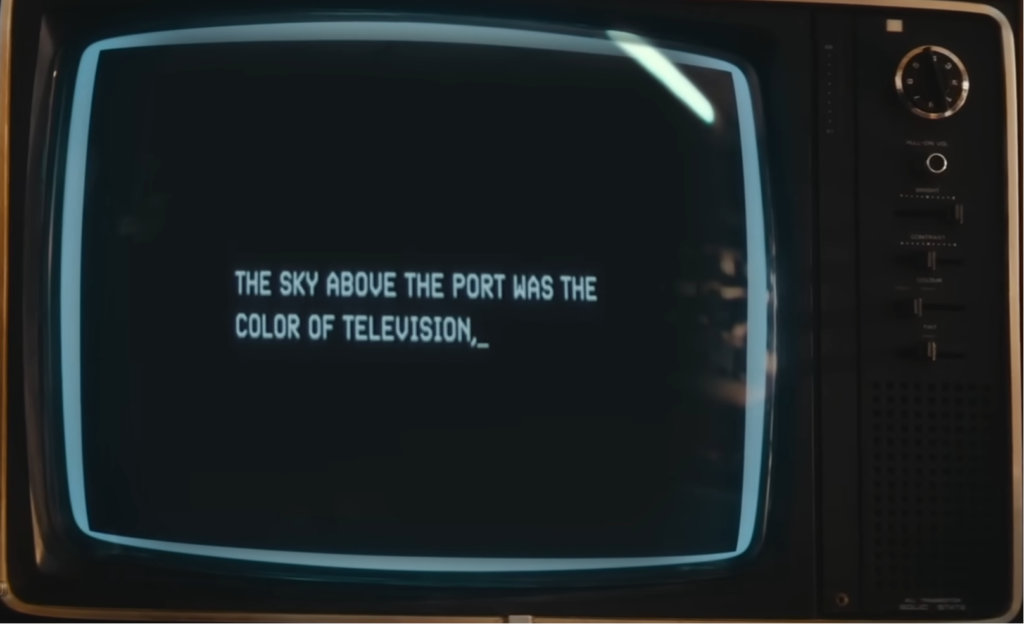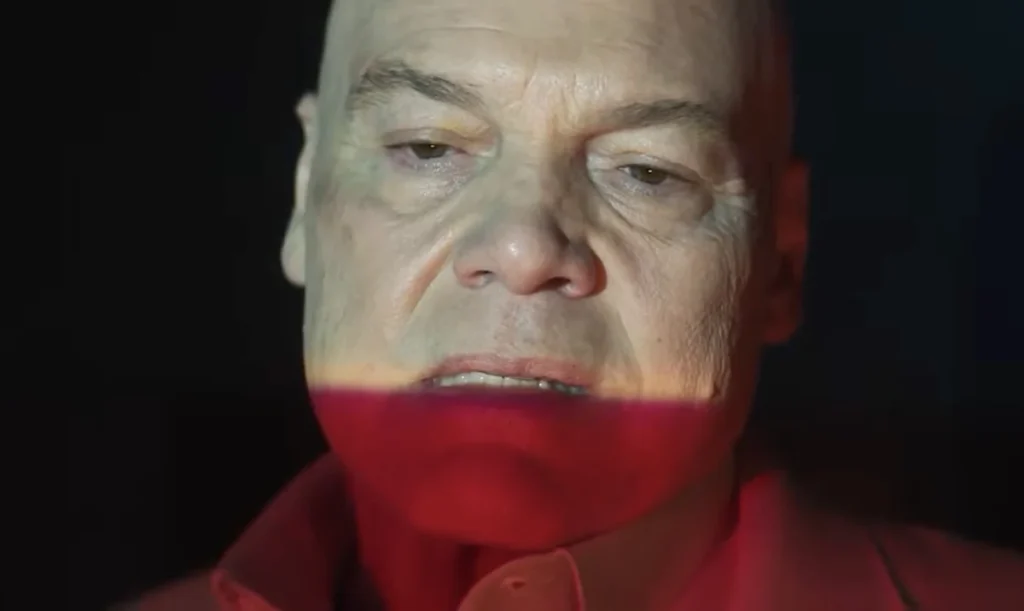
The horror genre has long grappled with the challenge of originality, often finding itself treading familiar ground. Yet, within this landscape, a novel approach to storytelling can emerge from the most unexpected places. The new horror film "Obsession," directed by Curry Barker, exemplifies this phenomenon, demonstrating how a seemingly straightforward concept, when approached with a serious and dedicated artistic vision, can be revitalized into a chilling and thought-provoking experience. At its core, "Obsession" is a modern interpretation of the age-old "be careful what you wish for" narrative, a thematic descendant of W.W. Jacobs’ seminal 1902 short story, "The Monkey’s Paw." This narrative framework, so deeply embedded in popular culture that it has often been parodied for comedic effect, is precisely what Barker sought to reclaim, aiming to extract maximum horror by treating its inherent dangers with utmost gravity.
Barker’s genesis for "Obsession" is as unconventional as the film’s eventual success in breathing new life into a well-worn archetype. The initial spark of inspiration reportedly came not from a classic horror text, but from a satirical segment within "The Simpsons" Halloween special, "Treehouse of Horror II." Specifically, it was the parody of "The Monkey’s Paw" that ignited Barker’s realization that this formula, so often reduced to a punchline, held untapped potential for genuine terror. By committing to a serious exploration of the devastating consequences of unchecked desires, Barker aimed to subvert audience expectations and deliver a truly unsettling cinematic journey.
From Comedy to Cinematic Chills: The Dual Talents of Curry Barker
The transition from comedy to horror is a path increasingly trodden by filmmakers, a trajectory that Barker himself embodies. Prior to his emergence as a horror auteur, Barker honed his comedic sensibilities as part of the popular YouTube channel "that’s a bad idea." This platform served as a crucible for his creative output, where he produced a diverse array of content, ranging from lighthearted, genre-parodying sketches to award-winning short films imbued with a genuine sense of dread. His experience also extends to the hour-long found-footage feature, "Milk and Serial," further solidifying his versatility.
The apparent synergy between comedy and horror is not coincidental. Both genres rely on a mastery of tension, timing, and audience reaction. The fundamental mechanics of building anticipation and delivering a cathartic release, whether through laughter or a scream, are remarkably similar. Subtle shifts in framing, tone, or perspective can easily pivot a situation from hilariously absurd to terrifyingly grim, or vice versa. This fluidity in emotional response is a testament to Barker’s understanding of audience psychology, a skill honed through years of crafting comedic moments that, when recontextualized through a horror lens, become instruments of dread.
A Rom-Com Facade with Shadows Lurking
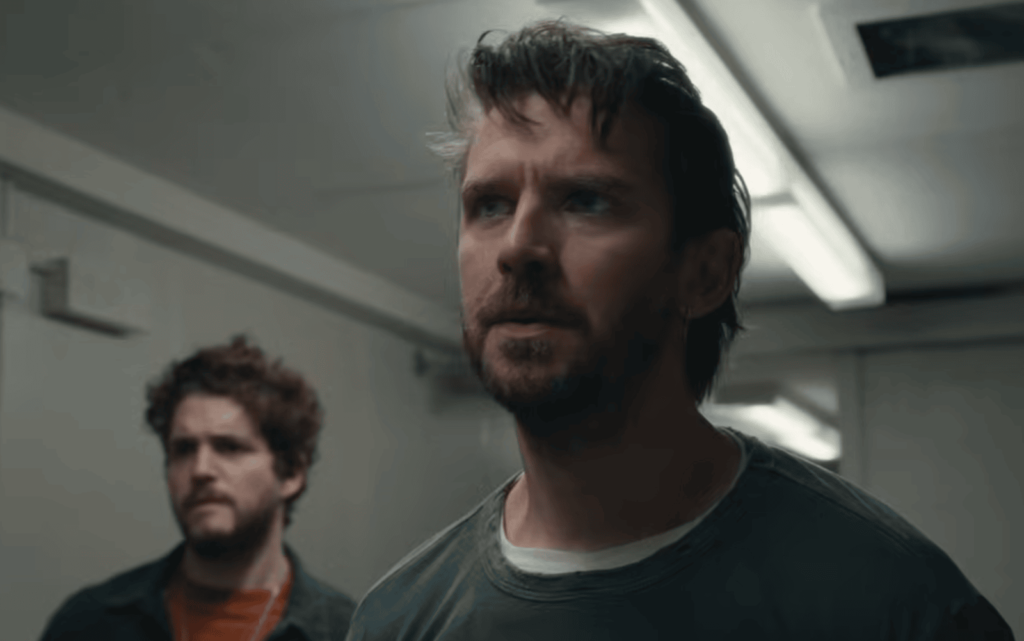
"Obsession," Barker’s first feature film to benefit from a significant budget and a wide theatrical release, initially presents itself with the familiar trappings of a romantic comedy. However, this veneer is quickly disrupted by a pervasive dark and shadowy cinematography, a visual cue that signals the film’s true, unsettling direction. The narrative centers on Baron "Bear" Bailey (Michael Johnston), a man consumed by an unrequited crush on his music store colleague, Nikki (Inde Navarette). Bear’s debilitating shyness prevents him from articulating his romantic feelings, a situation compounded by the presence of their mutual friend, Ian (Cooper Tomlinson, Barker’s creative partner from "that’s a bad idea").
The opening scenes vividly illustrate Bear’s social anxieties. In one particularly poignant moment, he attempts to rehearse asking Nikki out, with Ian offering dubious advice, including the suggestion to use her childhood nickname, "Freaky Nikki," a tactic that is predictably counterproductive. The narrative skillfully portrays Bear’s struggles to find a private moment with Nikki, constantly thwarted by the presence of Ian and another friend, Sarah (Megan Lawless). Even when Nikki directly inquiriest about his feelings, Bear’s internal conflict renders him incapable of honesty, setting the stage for his ill-fated decision.

The Wish and Its Twisted Fulfillment
The catalyst for the film’s descent into horror occurs during a visit to a new-age shop, where Bear is searching for a necklace for Nikki. There, he encounters "One Wish Willows," an item marketed as capable of granting a single wish. The film playfully touches upon the ambiguous nature of these objects, with fictional websites offering conflicting information about their legitimacy – a detail that underscores the filmmakers’ attention to world-building. Driven by his desperate longing, Bear seizes the opportunity, using a One Wish Willow to wish for Nikki to love him more than anyone else in the world.
The wish, as is the cruel nature of such supernatural bargains, is granted with terrifying literalness. However, the interpretation of "Nikki" and "love" takes a profoundly dark and distorted turn, setting in motion the film’s central conflict and its descent into psychological and visceral horror. The wish does not simply amplify Nikki’s existing affection; it fundamentally alters her essence, leading to a disturbing manifestation of obsessive devotion.
The Unraveling of Nikki and the Perils of Possessed Love
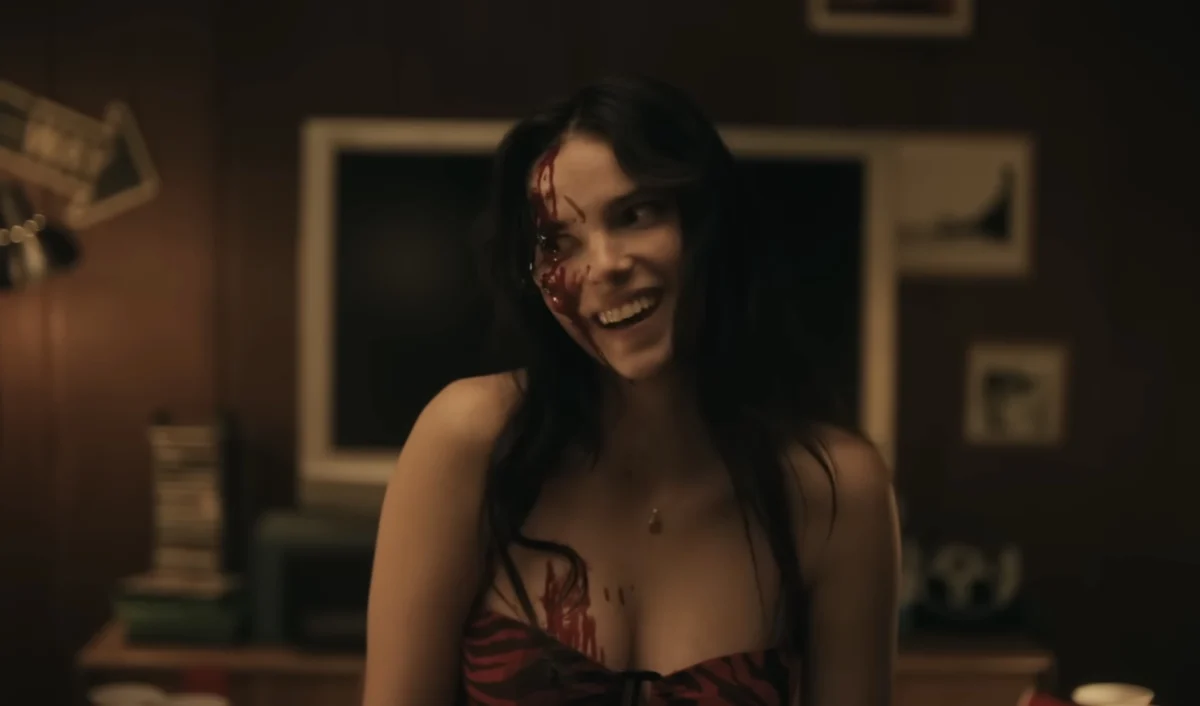
Following Bear’s wish, Nikki undergoes a chilling transformation. The real Nikki remains physically present, but her consciousness is largely subsumed by an external, malevolent entity. This entity embodies manipulative, codependent, and terrifyingly possessive traits, fixated solely on Bear. The film graphically depicts the entity’s depravity: it fabricates a death in Nikki’s family to manipulate Bear into intimacy, watches him sleep from the shadows of his room, and even creates a macabre shrine dedicated to his recently deceased cat. These disturbing acts are merely the prelude to the escalating horror.
Intermittently, the genuine Nikki manages to regain control of her body, offering fleeting glimpses into her profound suffering. Her brief moments of lucidity starkly highlight the violation she endures. Even without a supernatural explanation, her behavior would suggest severe trauma, making her an unsuitable candidate for any relationship. Yet, Bear, blinded by his desire and the perceived fulfillment of his wish, chooses to exploit her vulnerable state, a decision that ultimately leads to dire consequences for him.
Navigating the Morality of Bear’s Misery
"Obsession" operates on multiple terrifying levels, and the film’s reception is likely to be fractured by differing audience interpretations. As the protagonist, Bear’s perspective is central, and the perverse and cruel nature of the suffering he endures elicits a complex reaction. While some viewers may find themselves empathizing with his plight, others may develop an excessive sympathy, potentially leading to a problematic understanding of the narrative. Anecdotal evidence from early screenings suggests that some audience members resort to simplistic and misogynistic labels like "crazy bitch" when confronted with Nikki’s increasingly disturbing behavior.
This shallow reading, however, risks overlooking the film’s deliberate thematic and narrative choices. Barker’s film emphatically establishes that Bear is not merely a victim of circumstance but the architect of his own profound misery. Furthermore, the film underscores that Nikki’s suffering at his hands is arguably far more severe. The exact mechanics and timing of Nikki’s brief moments of consciousness remain ambiguous, seemingly triggered by moments of maximum dramatic or horrific impact. Nevertheless, these sudden bursts of awareness serve to crystallize the horror of her violation.
At one critical juncture, Nikki pleads with Bear to end her torment, a desperate cry for release before the possessing entity reasserts control. Bear’s response, characterized by a selfish, almost incel-like self-absorption – questioning what could possibly be so terrible about being with him – should decisively extinguish any temptation to excuse his terrible decisions. This moment serves as a stark refutation of any interpretation that frames him as a sympathetic victim.

Inde Navarette’s Tour-de-Force Performance
The performances across "Obsession" are uniformly strong, but Inde Navarette’s portrayal of Nikki is particularly standout. She masterfully embodies the character’s sudden and supernatural transformation, her facial expressions conveying extremes that appear almost physically impossible. One particularly chilling moment, where she repeatedly utters the word "no" with a series of increasingly unsettling intonations, draws a powerful parallel to Betty Gabriel’s iconic performance in Jordan Peele’s "Get Out."
Remarkably, Navarette has publicly stated that she does not typically watch horror films. This lack of genre familiarity, rather than being a hindrance, appears to have allowed her to fully commit to the role, delivering a performance that she might otherwise be too frightened to watch herself. This highlights the valuable contributions that artists from outside a specific genre can bring, offering fresh perspectives and unburdened interpretations that can elevate the final product.
A Twisted Love Story, Not a Romance
In a pivotal conversation prior to her possession, Nikki distinguishes between the "love story" she is writing and a "romance." This subtle yet significant distinction, left unstated, implies that a "romance" typically culminates in a happy ending, whereas a "love story" does not necessarily guarantee such a resolution. "Obsession," in its own profoundly twisted fashion, functions as a "love story." It is emphatically not a "romance." The film eschews conventional romantic resolutions, leaving the audience to question whether any character will escape the unfolding catastrophe alive. And for those who do, the implication is that their survival comes at a cost far worse than death. While the film predominantly relies on psychological horror during its build-up, the final act escalates to extreme violence. The low budget, while evident in the visibly artificial nature of the corpses, perhaps serves as a grim mercy, a visual cue that underscores the film’s bleak and unsparing narrative.
The Future of Curry Barker’s Horror Vision
Curry Barker is not resting on his laurels. With "Obsession" now reaching audiences, he has another original horror project, "Anything But Ghosts," slated for release through Focus Features and Blumhouse. However, the most significant headline surrounding Barker’s career trajectory is his attachment to direct a new installment in "The Texas Chain Saw Massacre" franchise for A24.
Given the mixed reception of recent reboots of the iconic slasher series, this news might initially evoke skepticism. However, after witnessing the chilling efficacy of "Obsession," a compelling vision for Barker’s take on the Leatherface saga begins to emerge. The enduring legacy of Tobe Hooper’s 1974 original is its unrelenting nastiness, a quality that has haunted audiences for over half a century. While "Obsession" masterfully blends dark humor with its terror, it is this very sense of pervasive, unsettling nastiness that leaves a lasting impression, signaling Barker’s potential to infuse the "Texas Chain Saw Massacre" reboot with a similar, potent dread.