The global horror community is mourning the loss of Kōji Suzuki, the acclaimed Japanese author whose seminal work, "Ringu," not only redefined the genre but also spearheaded the international phenomenon of J-horror. Suzuki passed away at the age of 68, leaving behind a profound and indelible mark on the landscape of cinematic and literary terror. His passing was confirmed recently, prompting a wave of retrospectives and tributes that underscore the monumental impact of his storytelling.
The Genesis of a Terrifying Phenomenon: "Ringu"
First published in 1991, Kōji Suzuki’s novel "Ringu" introduced readers to a chilling narrative centered on a journalist named Kazuyuki. His investigation into a series of inexplicable deaths, which tragically claimed his niece, leads him to a remote island. There, he uncovers a mysterious, unmarked videotape. Upon viewing its contents, Kazuyuki is confronted with a terrifying prophecy: he has precisely one week to live. His relentless pursuit of the tape’s origins unearths the malevolent curse enacted by Sadako, a spectral young woman whose vengeful power manifests through the cursed video. The premise was deceptively simple yet profoundly disturbing: anyone who watched the tape was destined to die within seven days. Kazuyuki’s race against time became a gripping exploration of fear, fate, and the supernatural.
The literary success of "Ringu" paved the way for its adaptation into a television movie in 1995. However, it was Hideo Nakata’s 1998 feature film adaptation that truly propelled Suzuki’s chilling vision onto the world stage. Nakata’s direction, combined with the novel’s potent imagery and narrative, created a cinematic experience that resonated globally, ushering in an era of unprecedented interest in Japanese horror.
Adapting the Nightmare: From Novel to Screen
While the 1998 film directed by Hideo Nakata largely adheres to the core tenets of Suzuki’s novel, it introduced key narrative shifts. The protagonist, Kazuyuki, was reimagined as Reiko Asakawa, portrayed by Nanako Matsushima. Her son, Yūichi (Rikiya Ōtaka), and estranged ex-husband, Ryūji (Hiroyuki Sanada), become integral to the unfolding mystery. The central mechanism of the curse—the cursed videotape and the seven-day countdown—remains, but the film’s visual and atmospheric execution amplified the novel’s inherent dread.
The American remake, "The Ring," released in 2002 and directed by Gore Verbinski, introduced the story to a significant portion of Western audiences, including the author of this piece. Starring Naomi Watts, the American version, while effectively terrifying in its own right, often served as an entry point for many viewers into the broader J-horror landscape. The remake’s success, however, underscored the enduring power of Suzuki’s original concept and motivated many to seek out Nakata’s more atmospheric and arguably more unsettling original.
Deconstructing the Terror: Sadako and the Art of J-Horror
Nakata’s "Ringu" masterfully builds suspense from its opening moments. The film immerses viewers in a world of dark, turbulent imagery, underscored by the dissonant and deeply unsettling score by Kenji Kawai. This auditory and visual assault creates a palpable sense of dread, evoking the feeling of being submerged in an inescapable abyss. These initial sequences, subtly, place the audience in the perspective of the film’s spectral antagonist, Sadako Yamamura (Rie Inō), a vengeful spirit whose presence is felt long before she is seen.
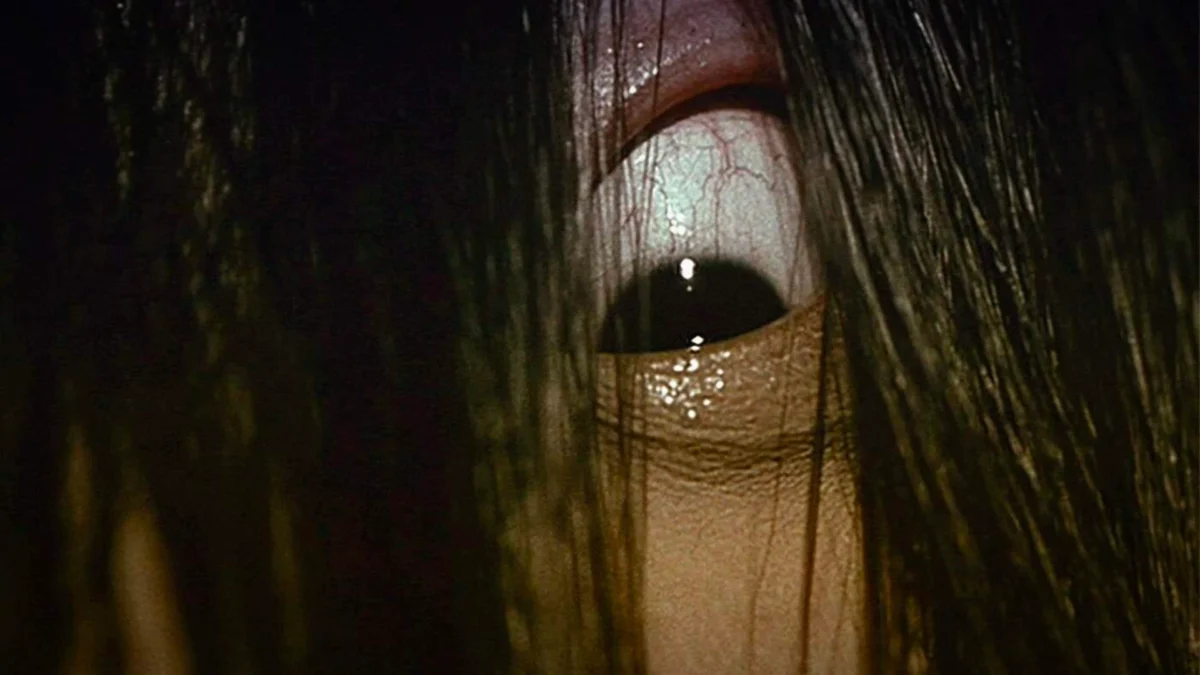
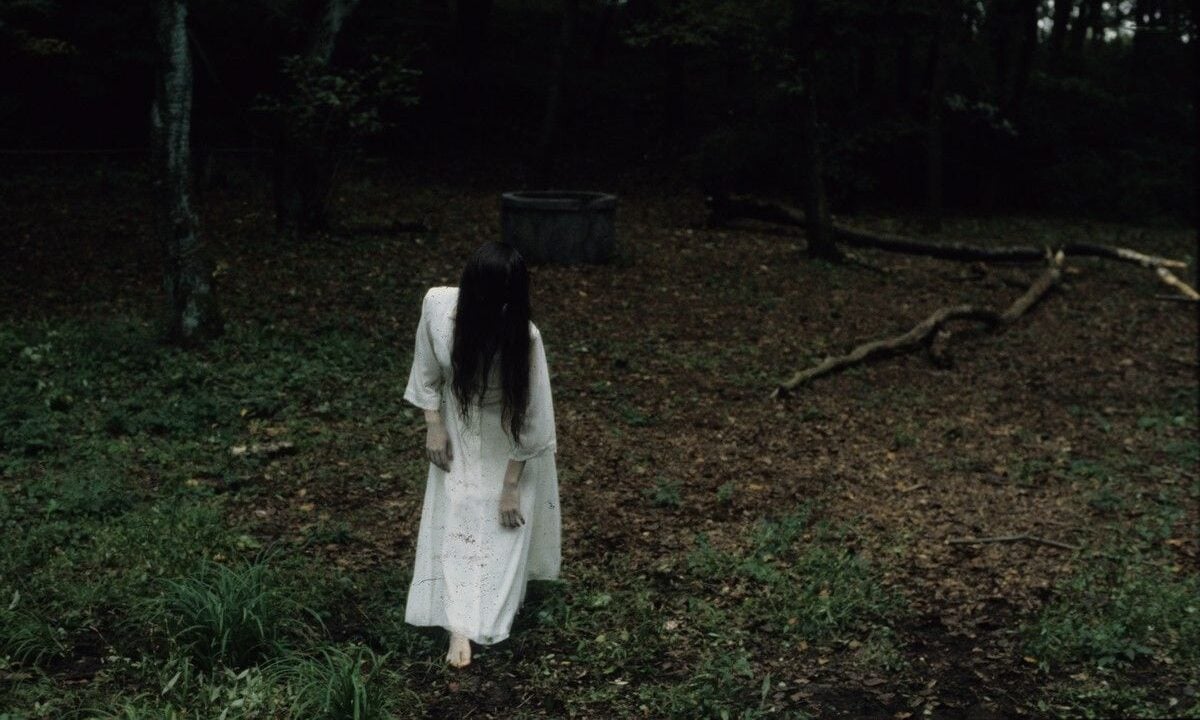
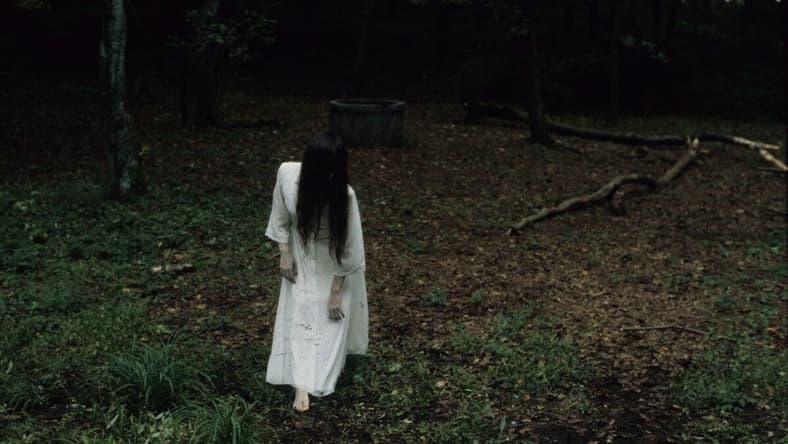
Sadako has become one of horror’s most iconic figures, a testament to Suzuki’s creation and Inō’s unnerving portrayal. Her backstory, as revealed through the narrative, details a tragic life marked by supernatural abilities, betrayal, and a violent demise. Murdered by her father and cast into a well, she remained entombed for years, her rage festering. Her physical manifestation—a pale figure draped in a soiled white dress, with long, dark hair obscuring her face, and fingers mangled from desperate attempts to escape her watery prison—is instantly recognizable and deeply disturbing. The visual horror is amplified by Inō’s performance, characterized by slow, deliberate movements that are almost insect-like, a nightmarish crawl that sears itself into the viewer’s memory.
Sadako’s archetype is deeply rooted in Japanese folklore, specifically the "onryō" or vengeful spirits, often depicted as female figures driven by intense emotion and a desire for retribution. However, "Ringu" brought this ancient trope to unprecedented mainstream global attention. The image of the long-haired ghost emerging from a television screen became synonymous with the J-horror wave, transcending cultural boundaries and becoming a universally understood symbol of terror.

Thematic Resonance and Genre Innovation
Beyond its iconic antagonist, "Ringu" and the broader J-horror movement popularized several thematic and stylistic elements that distinguished it from Western horror traditions. One of the most prominent is the concept of the curse. Many J-horror narratives revolve around a potent, often inescapable curse, frequently initiated by a wronged spirit seeking justice. These curses, much like Sadako’s, extend their reach far beyond those directly responsible for the spirit’s demise, engulfing any unfortunate soul who stumbles into their path. This pervasive sense of inescapable doom, mirroring the chaotic imagery of the ocean in "Ringu’s" opening, proved to be a powerful draw for audiences worldwide.
Furthermore, "Ringu" and its contemporaries challenged traditional horror tropes regarding gender roles. In many Western horror films, male characters often occupy the role of the primary antagonist or the driving force of evil, while female characters are frequently relegated to the "Final Girl" archetype. J-horror, however, often centers on female entities as the primary agents of terror and vengeance. These female spirits, like Sadako, are depicted as forces unleashed upon a society that has wronged them, offering a different perspective on power dynamics and retribution within the horror genre. This subversion of traditional gender roles in horror offered a fresh and compelling narrative for global audiences.
Hideo Nakata’s directorial approach to "Ringu" is also a critical factor in its success. He employed a deliberate, patient pacing that allowed dread to accumulate organically, eschewing the reliance on jump scares that characterized some Western horror films. This methodical build-up, focusing on atmosphere and psychological unease, created a deeply immersive and unsettling experience. The slow reveal of Sadako, her gradual emergence from the well and then the television, exemplifies this masterful control of tension. The fear stemmed not from sudden shocks, but from the inexorable approach of an inevitable, terrifying fate. The moment Sadako crawled from the television screen into the characters’—and by extension, the audience’s—living space remains one of the most iconic and psychologically impactful scenes in horror history.

The Global Impact and Lasting Influence
The phenomenal success of "Ringu" had a cascading effect on the global film industry. It not only cemented the J-horror genre but also inspired a wave of remakes and international collaborations. Films such as Takashi Miike’s "Audition," Takashi Shimizu’s "Ju-on: The Grudge," Kiyoshi Kurosawa’s "Pulse," and Nakata’s own "Dark Water" (also based on a Suzuki novel) gained significant international traction, further popularizing J-horror. Without the groundbreaking success of "Ringu," it is plausible that many of these subsequent films might not have achieved their global reach.
The influence of "Ringu" extended beyond direct adaptations and into the broader filmmaking landscape. It sparked a significant interest in Japanese cinema, encouraging audiences worldwide to explore the rich history and diverse offerings of the country’s film industry. This led to a broader appreciation for foreign-language films and a deeper understanding of different cultural perspectives on horror. Filmmakers across the globe, inspired by the innovative storytelling and atmospheric techniques of J-horror, incorporated these elements into their own work, leading to a cross-pollination of ideas and styles.
The phenomenon also spurred a trend of American remakes of successful Asian horror films. While often criticized for lacking the nuance and atmosphere of their originals, these remakes, including multiple iterations of "The Ring" and "The Grudge," further amplified the reach of the J-horror aesthetic, albeit in a diluted form. The commercial success of these remakes, in turn, fueled further interest in the original Japanese productions, creating a virtuous cycle of discovery and appreciation.

The impact of "Ringu" was not confined to the United States. Thailand, for example, saw a surge in horror filmmaking influenced by the J-horror movement, with films like "Shutter" achieving significant international success and subsequently receiving its own American remake. This demonstrates how "Ringu" acted as a catalyst, igniting creative fires in diverse cinematic traditions and fostering a global dialogue around the art of horror.
A Legacy Etched in Terror
The enduring legacy of Kōji Suzuki is undeniable. His novel "Ringu" served as the bedrock for a cultural phenomenon that reshaped the horror genre. The chilling narrative, the unforgettable antagonist, and the thematic depth of his work resonated with audiences on a profound level, proving that effective horror transcends language and cultural barriers. The impact of his storytelling is a testament to his skill as a writer and his ability to tap into universal fears.
The success of "Ringu" demonstrated the power of original storytelling to captivate and influence a global audience. It opened doors for countless filmmakers, both in Japan and abroad, and expanded the horizons of what was possible within the horror genre. Kōji Suzuki’s vision, born from the depths of terror, continues to haunt and inspire, ensuring that his influence will be felt by generations of storytellers and horror aficionados to come. The well of terror he opened has become a wellspring of creativity, forever changing the landscape of cinematic fear.