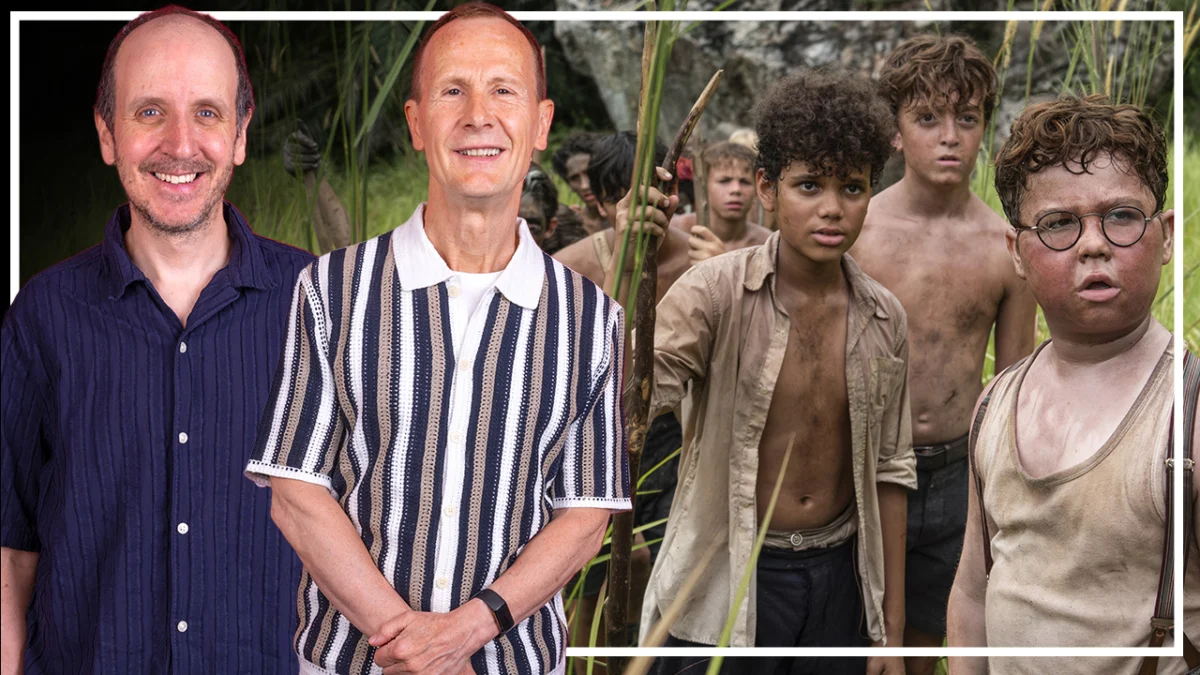
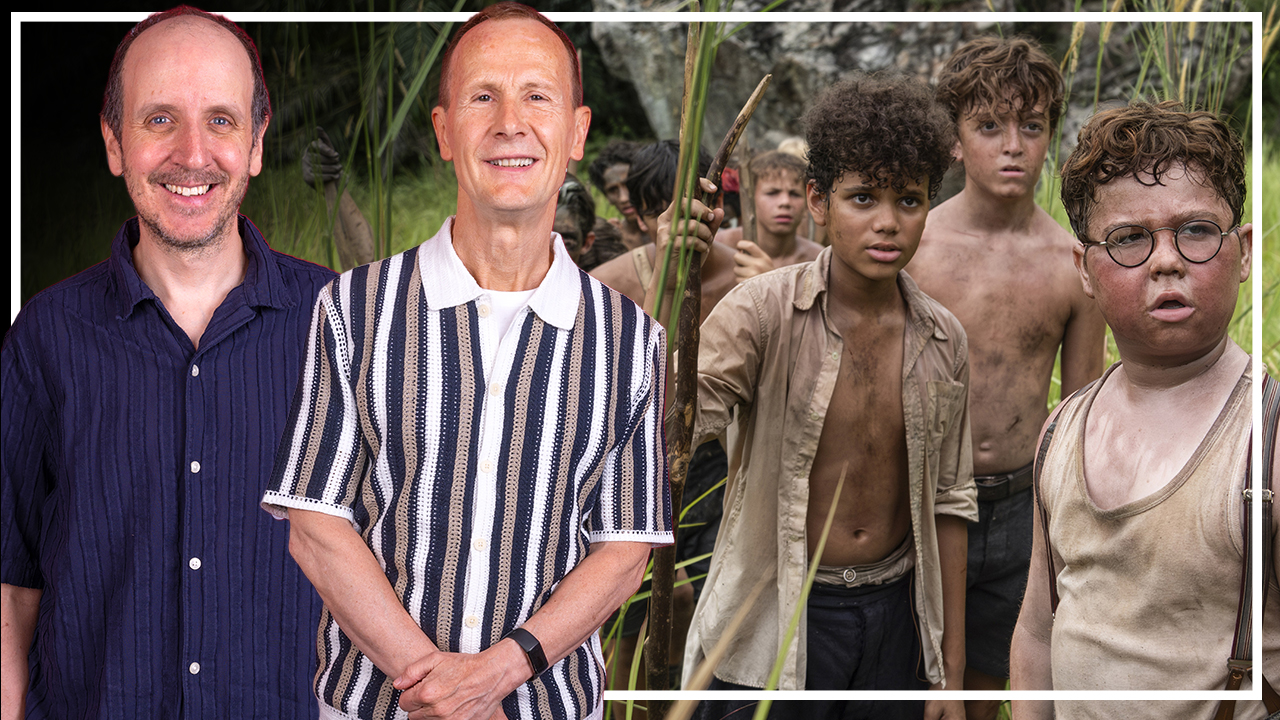
Bringing William Golding’s seminal 1954 novel, Lord of the Flies, to the screen as a multi-part series demanded a profound commitment to its complex themes and an innovative approach from acclaimed screenwriter Jack Thorne and director Marc Munden. Known for their meticulous character-driven narratives, the duo embarked on a creative journey that pushed them beyond their established comfort zones, culminating in a four-hour exploration of human nature, power dynamics, and the fragility of civilization, now streaming on Netflix. Their collaborative effort represents a significant reinterpretation, offering a nuanced perspective on a story that has captivated and disturbed generations.
The Genesis of an Ambitious Project
Jack Thorne, a titan in contemporary television writing, boasts an impressive résumé that includes critically lauded projects like Help (2021) and the miniseries National Treasure (2016). His recent triumph, Adolescence, garnered widespread acclaim, becoming Netflix’s most successful limited series to date, celebrated for its poignant exploration of youth and mental health. Yet, for Thorne, the opportunity to adapt Lord of the Flies was a long-cherished ambition, a narrative that had, in his own words, "changed me as a kid," "did the most damage to me," and "left me most confused."
Thorne’s deep personal connection to Golding’s work dates back to his childhood, a fascination that evolved through multiple readings at different stages of his life. He revealed that he had attempted to secure the rights for a Channel 4 adaptation some 15 years prior, a testament to his enduring desire to translate the novel’s power to the screen. The current project materialized through a fortuitous conversation with executive producer Joel Wilson. Over a Sunday lunch, Wilson challenged Thorne to name the one book he would "do anything to do," and Thorne’s immediate answer was Lord of the Flies. Wilson’s subsequent dedication made the long-held dream a reality.
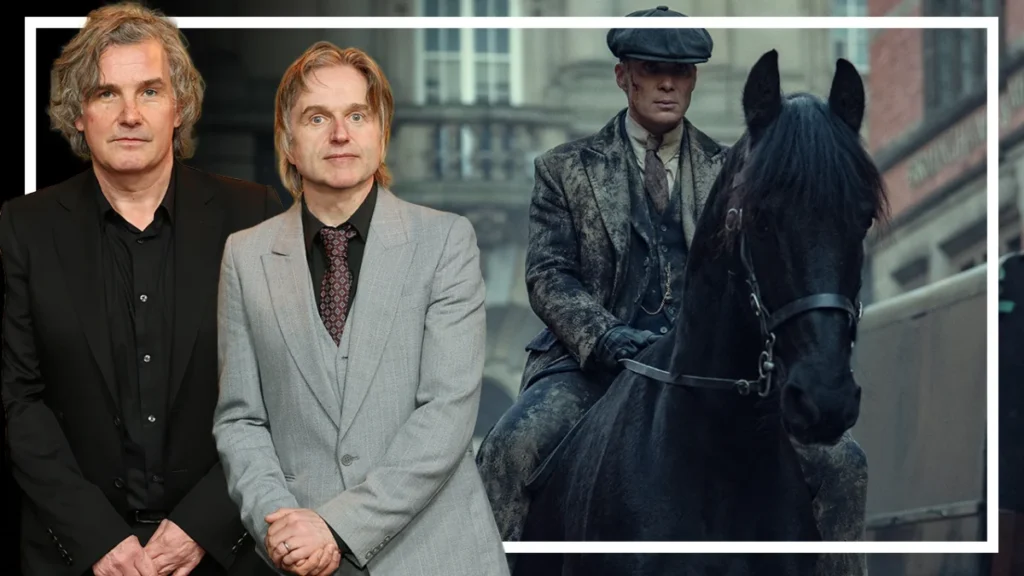
With the project greenlit, Thorne instinctively turned to his frequent collaborator, Marc Munden. Their partnership, honed over multiple successful ventures, is characterized by a shared vision for exploring complex human psychology. Thorne humorously recalled "poking him in the back as he read the script," a playful yet earnest plea for Munden to helm the ambitious adaptation. Munden, a director celebrated for his distinctive visual style and ability to elicit powerful performances, initially felt the weight of previous adaptations, particularly Peter Brook’s iconic 1963 film. He questioned the necessity of a remake, acknowledging the "daunting" task of re-approaching such a revered work. However, the prospect of a four-hour television format, a luxury cinema could not afford, presented a unique opportunity for in-depth character exploration, a hallmark of Thorne’s writing. Munden recognized that this extended runtime would allow them to "really digging into" the characters and their interactions, moving beyond a simple modernization. Thorne echoed this sentiment, asserting, "I do think that there’s something about television that suits this book."
A Deeper Dive into Golding’s Masterpiece: Context and Legacy
William Golding’s Lord of the Flies, published in 1954, emerged from a post-World War II landscape profoundly scarred by global conflict and the chilling revelations of human cruelty. Golding, a naval officer during the war, witnessed firsthand the depths of human depravity, experiences that shattered his earlier optimistic views of humanity. The novel, set against the backdrop of a fictional nuclear war, posits a group of British schoolboys stranded on an uninhabited island after their evacuation plane crashes. Their initial attempts at establishing a civilized society, led by the charismatic Ralph and the intellectual Piggy, quickly devolve into tribalism, savagery, and murder under the influence of the authoritarian Jack Merridew.
The novel is a powerful allegory for the inherent darkness within human nature, the thin veneer of civilization, and the corrupting influence of power. It explores themes of democracy versus dictatorship, reason versus instinct, and innocence lost. Its impact on literature and popular culture has been immense, becoming a staple in school curricula worldwide and inspiring countless discussions on philosophy, psychology, and political science. Beyond Brook’s 1963 black-and-white art-house film, which won a Palme d’Or nomination at Cannes, a less successful American adaptation directed by Harry Hook was released in 1990. Each adaptation grappled with the novel’s stark message, but none had the expansive canvas that a limited television series could offer. This new Netflix production arrives at a time when global anxieties about societal breakdown, political polarization, and the nature of leadership resonate more than ever, making its themes eerily contemporary despite its period setting.
Crafting the Narrative: A Multi-Perspective Approach for Television
One of the most innovative aspects of Thorne and Munden’s adaptation is its multi-perspective narrative structure, a deliberate choice to leverage the episodic nature of television. Thorne explained that their initial pitch included this "relay race" approach, where different characters would take the narrative lead in specific episodes. This structural decision, he argued, allows for a deeper understanding of the boys’ motivations and the gradual descent into chaos.
The second episode, for instance, is dedicated to Jack. Thorne justified this choice by linking it directly to pivotal moments in the novel: "because the fire goes out had to be Jack. And because two is the hunting and the killing of a pig also is Jack’s story." This focus provides a crucial "window into why the chaos happens" and cultivates a "sympathy for the chaos-maker," aligning with Golding’s own "tenderness towards all the boys." Similarly, Simon, the introspective and spiritual boy, naturally leads his own episode, particularly as he encounters the titular "Lord of the Flies" – a severed pig’s head that embodies the island’s burgeoning evil.
The more challenging assignment, Thorne admitted, was allocating the perspectives of Ralph, the designated leader, and Piggy, the intellectual outcast. Golding’s novel famously opens with Piggy meeting Ralph, but Ralph is generally considered the primary lens through which the audience experiences the island’s events. Thorne, however, found an "intriguing" possibility in reserving Ralph’s perspective for the fourth and final episode. By doing so, "When war is breaking out, you see it through the character whose eyes have been kept from you for the whole show. And then he drives us through to the end." This delayed perspective on the central protagonist intensifies the narrative, making his eventual despair all the more impactful.
Munden elaborated on how this character-centric approach permeated every aspect of the production. "It’s not so much about perspective as those characters being right at the centre of the piece," he stated. With Thorne’s character-driven writing, "the character is the story." Munden’s directorial vision aimed to "echo those characters outwards into the world that we’d created," manifesting in the island’s setting, the production design, and even the musical score, all designed to reflect the internal states and interactions of the boys. This symbiotic relationship between character and environment is critical to understanding the island not just as a backdrop, but as an active participant in their psychological unraveling.
Revisiting Childhood Trauma: Adult Perspectives on Lord of the Flies
Both Thorne and Munden shared how their understanding of Lord of the Flies evolved significantly from childhood readings to their adult engagement with the material. Thorne recounted his youthful identification with Simon, the empathetic and insightful character, and his visceral hatred for Jack, the antagonist. "I read it thinking I’m Simon… I know Jack on my playground… and I hate Jack," he recalled.
However, subsequent readings in his twenties brought a period of "self-hatred," where he felt he wasn’t "good enough to be Simon." It was in his thirties, revisiting the book for this adaptation, that Thorne experienced a radical shift in perspective regarding Jack. He realized, "he’s not writing Jack like I thought he did. There’s tenderness here. There’s truth here." This revelation challenged his earlier, simplistic view of Jack as an inevitable force of evil. Thorne came to understand that "What happens on the island isn’t inevitable. There isn’t inevitability to the breakdown of relationships. This is a guy that’s actually capable of better. He just gets drawn to worst. And that’s the tragedy of the story." This deeper understanding of Jack’s complexity and vulnerability became a cornerstone of the adaptation, allowing for a more human and tragic portrayal of the character’s descent.
Munden, too, recognized a more profound dimension to the story as an adult. While he initially saw it as a "political parable," his later reading, informed by Thorne’s script, highlighted that the breakdown of society on the island is not a preordained fate. Instead, it is a consequence of "incremental little decisions that are made and the weaknesses within the characters." He emphasized the challenge of visually translating these subtle shifts and internal struggles to the screen. For Munden, the tragedy lies not just in the external incidents but in the individual vulnerabilities: "They’re to do with Jack’s loneliness. They’re to do with Simon’s isolation. Just make sure that those were components in that inevitable breakdown." This focus on the psychological underpinnings of each boy’s actions promises a nuanced and empathetic portrayal of Golding’s chilling narrative.
The Rigors of Production: Filming in the Malaysian Rainforest
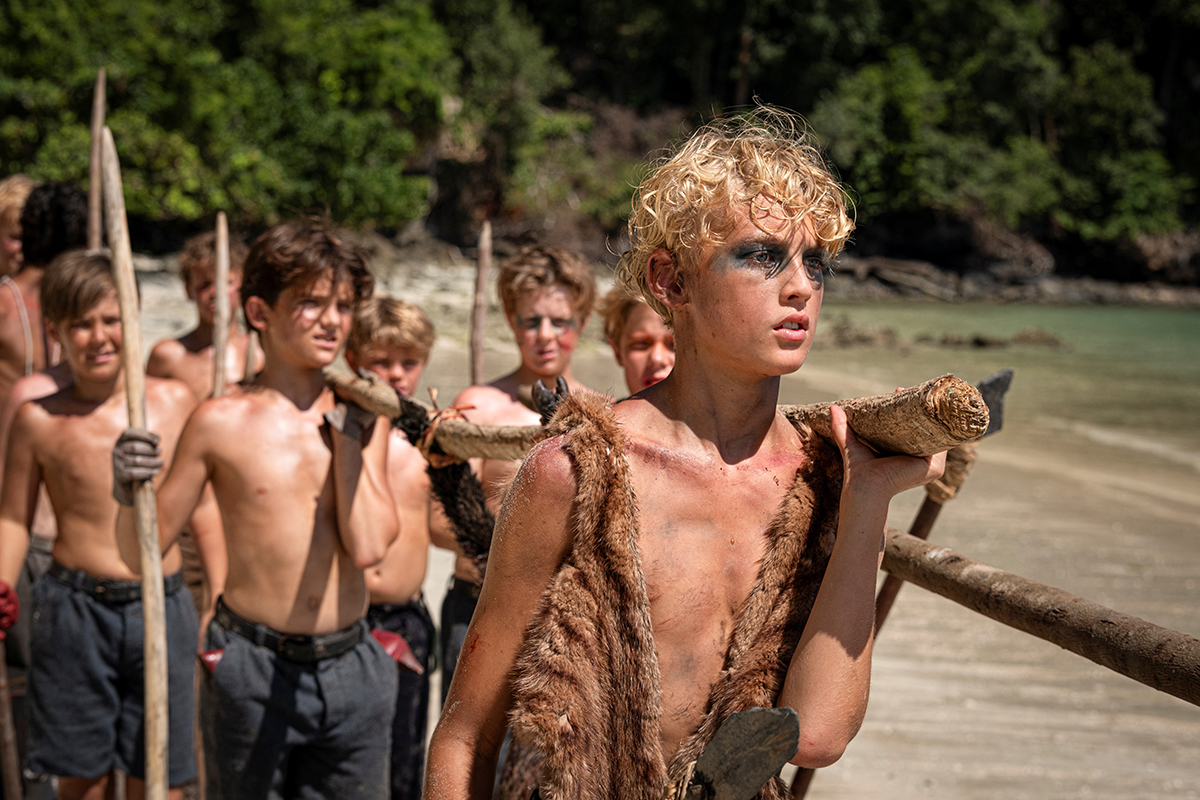
The decision to film Lord of the Flies in the Malaysian rainforest, specifically on uninhabited islands, presented an extraordinary challenge that mirrored the boys’ own struggle against a formidable environment. Munden candidly described the production as an exercise in overcoming difficulties: "Every single decision we made was the most difficult one." Unlike typical productions that seek accessible locations near facilities, Munden insisted on remote, untouched islands. This meant daily 40-minute boat commutes and the inability to construct permanent shelters, relying instead on tents amidst the elements.
Compounding these logistical hurdles was the timing: filming took place during the monsoon season. This exposed the cast and crew to "torrential rain and also extreme humidity," conditions Munden admitted they "might not have done" had they "been given the luxury of being able to plan it." The physical toll was considerable, with Munden recounting personal anecdotes of being "covered in leech bites everywhere" and even sustaining an injury from a rattan plant through his ear, evoking a sense of "Werner Herzog type Fitzcarraldo craziness," as Thorne aptly described it. The necessity for "men with machetes who were making paths for us" underscored the wild, untamed nature of their chosen locations.
Despite the immense difficulties, both director and screenwriter firmly believed that the arduous conditions were integral to the authenticity and artistic vision of the series. Munden emphasized the "incredible alien beauty of the rainforest and of these beaches," noting how this exotic environment serves a dual purpose. Initially, it acts as a "beautiful exotic environment," but as the narrative progresses, it increasingly "echoes the sort of the disintegration of those of that little group of boys." The dynamic ecosystem of the rainforest—its cycles of growth, decay, and interdependence—becomes a powerful metaphor for the boys’ own journey, highlighting the delicate balance between life and death, order and chaos, that pervades the story. The raw, visceral experience of filming in such an unforgiving landscape is expected to translate directly into the series’ atmosphere, immersing viewers in the boys’ isolation and struggle for survival.
Preserving the Past: The Enduring Relevance of the 1950s Setting
A crucial decision for Thorne and Munden was to retain the novel’s original 1950s setting rather than updating it to the present day. This choice was not merely an aesthetic preference but a foundational element in honoring Golding’s original intent and the sociological insights embedded within the text. Thorne firmly articulated this rationale: "I think the language and behaviour is specific, and that’s what I love about it, that a lot of people say that this is a story about people in the state of nature. It isn’t. It’s about a bunch of public school boys in the 1950s."
Golding’s genius, Thorne argued, lay in his "sociological insight into the human condition because he knows these boys." To faithfully represent the book, it was imperative to depict "the boys that Golding knew." While acknowledging that contemporary adaptations, such as Yellowjackets, draw clear influence from Lord of the Flies, Thorne stressed their objective was "to tell the story of this book," which necessitated adhering to its historical context.
Munden further elaborated on the profound historical underpinnings of Golding’s novel. Written in 1954, it was Golding’s direct "response to his service in the Second World War and the horrors that he saw there." The shadow of that global conflict, along with the nascent anxieties of the Cold War, permeates the narrative. Munden highlighted that "the Cold War haunts us right throughout this adaptation," suggesting a pervasive sense of dread and existential threat. Furthermore, the boys on the island are implicitly "mimicking their parents in some sort of way and making decisions that their parents might have made, with all the class elements that come with that as well." This generational trauma, the idea that these children were raised by parents "traumatised by war and probably overwhelmed with hate," provides a critical lens through which to understand the boys’ behavior and the ease with which they succumb to primal instincts. The 1950s setting, therefore, is not a quaint period detail but a vital component that illuminates the societal and psychological forces at play.
Thorne’s Thematic Threads: Boys, Violence, and Emotional Damage
Jack Thorne openly acknowledged a recurring thematic thread in his recent body of work: the exploration of boys, violence, and emotional damage. While he noted this wasn’t always "intentional" or a conscious "boy era" in his writing, he admitted to consistently returning to these themes. For Thorne, this thematic focus stems from a desire to understand the world around him. "If we understand how we’re made, we might have some sense of understanding the world in which we live," he posited.

His confusion and disappointment with the current state of the world, particularly the perceived lack of kindness, drive his artistic inquiry. He views storytelling as a tool to "get the spanner out to understand what’s gone wrong," a process that inevitably leads back to formative experiences. The universal experience of adolescence and its lasting impact is a rich ground for this exploration: "We are all still haunted, all of us. If you go on a date with someone and you ask them what they were like at school, then you’ve got three hours of conversation. We’re all haunted by it and we’ve all got to look at it." By examining these experiences with "specificity," Thorne believes a deeper understanding of human behavior can be achieved.
Munden corroborated this observation, noting the remarkable ease with which the young cast members intuitively grasped the complex social dynamics inherent in the story. "As soon as we got those boys in, they all implicitly understood that behaviour from the playgrounds. They all implicitly understood bullying and who’s the coolest." This natural understanding from the actors underscored the timeless and universal nature of the themes Thorne explores, bridging the gap between a 1950s setting and contemporary relevance. The adaptation promises to resonate deeply with audiences by tapping into these universal anxieties about power, vulnerability, and the origins of human conflict.
Conclusion: A Definitive Television Experience
The collaboration between Jack Thorne and Marc Munden on Lord of the Flies represents a meticulously crafted and deeply considered adaptation of William Golding’s enduring masterpiece. By embracing the television format’s capacity for extended narrative and multi-perspective storytelling, they have aimed to uncover new layers of meaning within a story that many believe they already know. Their dedication to the novel’s original 1950s context, coupled with their personal and artistic evolutions in understanding its characters, promises an adaptation that is both faithful and fresh.
The grueling production conditions in Malaysia, far from being mere obstacles, appear to have imbued the series with an undeniable authenticity and a palpable sense of the boys’ isolation and struggle against an overwhelming natural world. This, combined with Thorne’s consistent thematic exploration of youth, violence, and emotional fragility, positions the Netflix series as a timely and profound reflection on the human condition. As audiences tune in, they can expect not just a retelling, but a visceral, character-driven journey into the heart of darkness, inviting renewed contemplation on Golding’s timeless question about the inherent nature of humanity.
This interview has been edited for clarity and brevity.
We extend our gratitude to Jack Thorne and Marc Munden for their time and insights. The Lord of the Flies limited series is now available for streaming on Netflix.