The highly anticipated Japanese-US baseball documentary, "Diamond Diplomacy" (2025), is making significant waves across the film festival circuit, offering a profound exploration of the enduring cultural and diplomatic ties between the two nations through the prism of baseball. Following its world premiere at the prestigious Mill Valley Film Festival last year, the baseball-centered documentary has garnered critical acclaim and audience engagement, featuring prominently in the AAPI film circuit with screenings at the Los Angeles Pacific Film Festival (LAPFF) and CAAMFest. Its journey continues with an upcoming presentation at HAAPIFest by the end of May, underscoring its relevance and resonance within diverse communities.
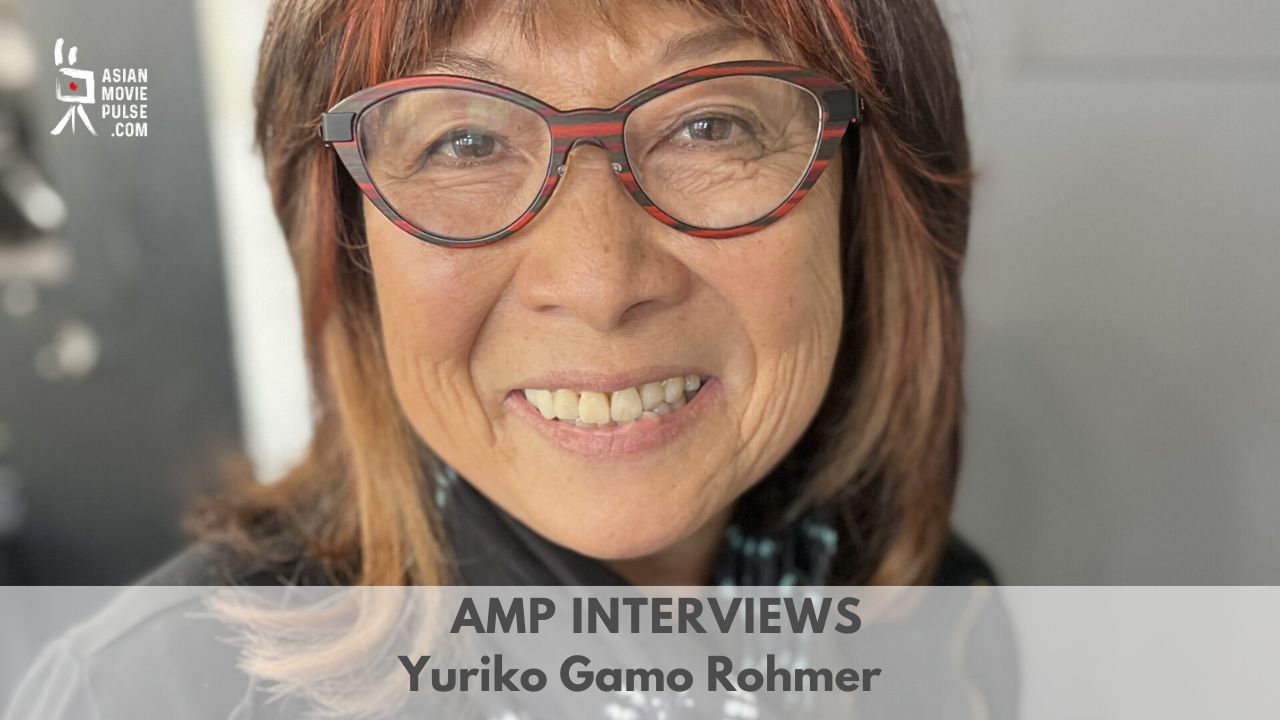
At its core, "Diamond Diplomacy" delves into a rich, often overlooked history that transcends the boundaries of sport, revealing how baseball has served as a unique conduit for understanding, reconciliation, and cultural exchange for over a century and a half. Filmmaker Yuriko Gamo Romer, the visionary behind this extensive project, recently shared insights into her creative process during a conversation in the Bay Area. Her discussion illuminated the monumental task of weaving a cohesive narrative from 150 years of archival material, the meticulous efforts involved in securing interviews with key figures from Major League Baseball (MLB) and beyond, and the broader context of Japanese American baseball that extends far beyond contemporary stars like Shohei Ohtani.
The Genesis of "Diamond Diplomacy": A Serendipitous Discovery
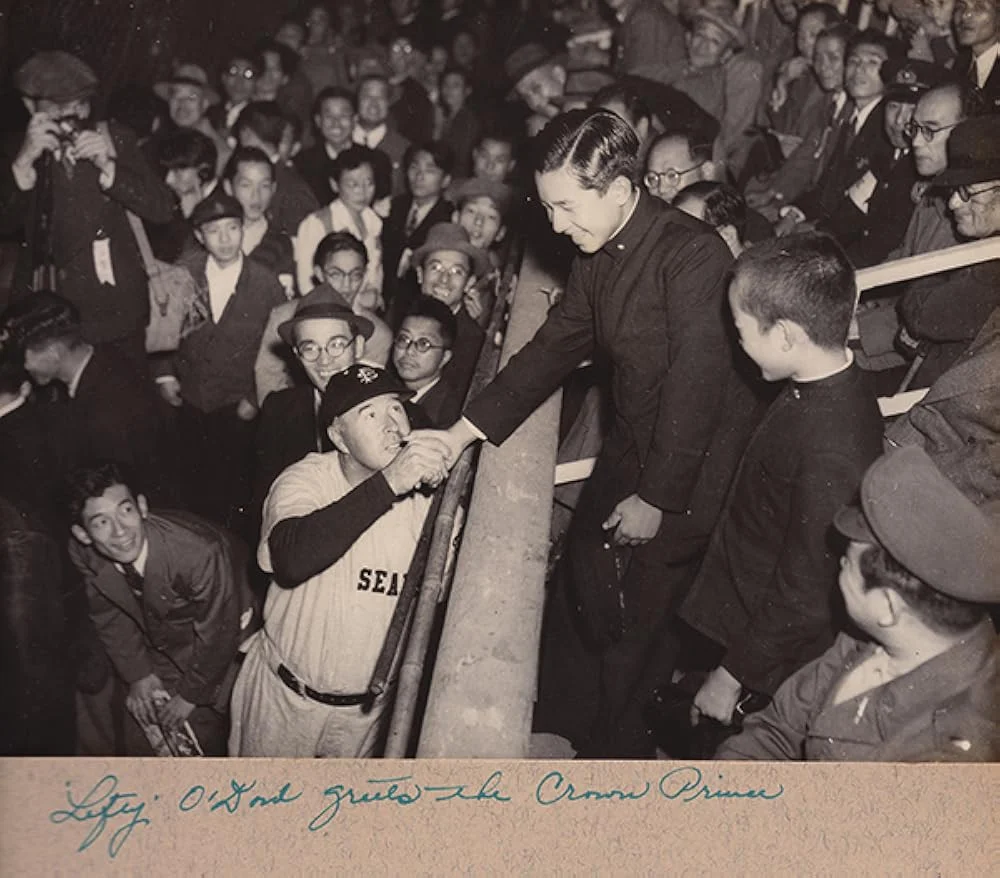
The inception of "Diamond Diplomacy" was, by Romer’s own admission, a serendipitous journey rather than a lifelong ambition rooted in fervent baseball fandom. The spark for the project ignited many years ago when a friend, Dave Dempsey, invited her to a museum exhibit in San Francisco. The exhibit focused on a pivotal moment in post-World War II history: the tour of the San Francisco Seals, a Minor League Baseball team, to Japan in 1949. This tour, orchestrated during the Allied occupation under General Douglas MacArthur, was not merely a series of games but a significant act of cultural diplomacy aimed at fostering goodwill and rebuilding relations in a war-torn nation.
Dave Dempsey’s personal connection to this historical event proved crucial. His father, also named Dempsey, had been a pitcher for the San Francisco Seals during that very tour and had captured extensive home movies of the experience. Upon seeing these films at the museum, Dave shared their origin with Romer, prompting her to encourage him to unearth the original reels from his mother’s garage. This discovery of rare, personal footage from a critical period of US-Japan relations became the initial catalyst for Romer’s eleven-year odyssey into the world of "Diamond Diplomacy."
While Romer had always harbored an appreciation for baseball, it was this specific historical tour that captivated her imagination. "I thought, ‘Wow, this is a wonderful piece of history that people don’t know about,’" she recounted. Her initial research, however, quickly revealed that the story of baseball’s role in US-Japan relations was far more expansive and deeply rooted than the 1949 tour alone suggested. This realization transformed her initial concept into a much larger, more ambitious film, stretching back to the very origins of baseball’s introduction to Japan.
Baseball as a Bridge: A Post-War Diplomatic Tool
The 1949 San Francisco Seals tour, a central element in the documentary’s origin, holds immense historical significance. In the aftermath of World War II, Japan was under Allied occupation, and General MacArthur recognized the power of cultural exchanges to facilitate recovery and democratic ideals. Baseball, having been introduced to Japan in the late 19th century and having grown into a national passion before the war, was seen as an ideal vehicle for this "soft diplomacy."
Prior to the war, baseball had been a major cultural phenomenon in Japan, with professional leagues thriving and Japanese teams frequently hosting American barnstorming squads, including legendary figures like Babe Ruth in 1934. However, during the war, the sport, like many Western influences, faced suppression as nationalist sentiments intensified. Post-war, its re-emergence and the re-establishment of exchanges like the Seals tour symbolized a return to normalcy, a reconnection with the international community, and a embrace of democratic values. The sight of American and Japanese players sharing the field, even in a defeated nation, offered a powerful message of hope and shared humanity. The Seals’ tour, therefore, was not merely entertainment; it was a carefully orchestrated diplomatic initiative that leveraged the universal appeal of sport to mend profound geopolitical and emotional wounds.
A Century and a Half of Shared History: A Chronological Journey
"Diamond Diplomacy" meticulously traces the intricate narrative of US-Japan baseball relations across 150 years, starting much earlier than the post-war era. Romer’s extensive research established a rich chronological framework, though she acknowledged that a strictly linear approach was not always feasible given the depth and breadth of the material.
The Seeds of the Game: From Perry to Wilson (1853-1872)
The film’s historical sweep begins with Commodore Matthew Perry’s arrival in Japan in 1853, an event that forcibly opened Japan’s isolationist borders to the Western world. This pivotal moment set the stage for the introduction of Western culture and technology. It was in 1872, less than two decades after Perry’s expedition, that baseball found its way to Japan, largely credited to Horace Wilson, an American English teacher hired by the Japanese government. Wilson taught the sport to his students at the Kaisei Academy in Tokyo, marking the official birth of baseball in Japan. The documentary explores this initial period, often relying on historical accounts and expert commentary, such as that of Masanori "Mashi" Murakami, who vividly describes the early days of young Japanese men playing baseball, sometimes even with traditional samurai topknots. This early adoption highlights Japan’s remarkable openness to foreign influences during the Meiji Restoration, quickly integrating the sport into its burgeoning modern identity.
Pre-War Exchange and Wartime Hiatus
Between its introduction and World War II, baseball flourished in Japan, evolving into a highly organized and competitive sport. American collegiate and professional teams frequently toured Japan, engaging in exhibition games that captivated large audiences and fostered a deep appreciation for the American pastime. Iconic figures such as Babe Ruth, Lou Gehrig, and other MLB stars visited Japan in 1934, drawing massive crowds and solidifying baseball’s place in the Japanese cultural landscape. These tours were not just sporting events; they were cultural spectacles that built bridges and fostered mutual admiration. However, as geopolitical tensions escalated in the late 1930s and early 1940s, these exchanges ceased, and baseball, viewed as an American import, faced governmental restrictions. The sport became a casualty of the conflict, its future uncertain.
Rebuilding Bonds: The 1949 Seals Tour
As explored earlier, the 1949 San Francisco Seals tour represented a critical turning point. Beyond the symbolic gesture, the tour provided much-needed entertainment and a sense of normalcy to a nation in recovery. The games were immensely popular, drawing large crowds and demonstrating the enduring appeal of baseball. This period laid the groundwork for future player exchanges, setting a precedent for American players to seek opportunities in Japan and vice versa.
From Murakami to Ohtani: A Legacy of Exchange
The post-war era saw the development of Nippon Professional Baseball (NPB) into a strong league. The 1960s marked another significant milestone with the arrival of Masanori "Mashi" Murakami in the United States. In 1964, Murakami became the first Japanese player to play in Major League Baseball, pitching for the San Francisco Giants. His pioneering journey opened the floodgates for future generations of Japanese talent. The documentary chronicles the experiences of these early trailblazers, including American players like Wally Yonamine, who became a star in Japan in the 1950s, and Warren Cromartie, who found success in the NPB during the 1980s. These players navigated cultural differences, language barriers, and distinct playing styles, embodying the themes of adaptation and cultural exchange central to Romer’s film. The narrative culminates in the modern era with players like Ichiro Suzuki, Hideo Nomo, and the phenomenal Shohei Ohtani, who now represent the pinnacle of this long-standing cross-cultural baseball dialogue. While Ohtani’s story is contemporary and globally recognized, Romer’s film emphasizes that he is part of a much deeper, richer historical lineage.
Behind the Scenes: The Meticulous Craft of Storytelling
The creation of "Diamond Diplomacy" was an immense undertaking, spanning over a decade and requiring extraordinary dedication to research and storytelling. Romer describes the process as a "big treasure hunt," reflecting the sheer volume and diverse origins of the material she and her team had to uncover and synthesize.
The Archival "Treasure Hunt"
The film boasts an astonishing collection of over 1,000 pieces of archival footage, painstakingly gathered from an array of sources across two continents. This included national archives in both the United States and Japan, the extensive vaults of Major League Baseball, various Japanese television stations, and crucially, private family home movie collections. The discovery of Dave Dempsey’s father’s 1949 tour footage was just the beginning. Romer’s team meticulously scoured libraries, historical societies, and private holdings to unearth photographs, newsreel footage, letters, and personal accounts that bring the 150-year narrative to life. This comprehensive approach ensures a visually rich and historically robust documentary, providing viewers with an intimate glimpse into eras long past.
Navigating Interviews and Narratives
Securing interviews with key figures was another critical component of the production. Romer successfully engaged a wide range of individuals, from historians and cultural experts to former baseball players and even family members of legendary figures, such as Babe Ruth’s daughter. She credits Major League Baseball as a "tremendous help" in opening doors and facilitating access to many of the interviewees. "Everybody you meet opens doors. You just keep doing that until somebody, somebody says, ‘Oh, I know the manager.’ ‘I know this person.’ ‘Oh yeah, I know him.’ And then you pick up the phone," Romer explained, highlighting the organic, network-driven nature of securing such exclusive access. Among the memorable interviews was Warren Cromartie, whose insights into playing in Japan during the 1980s offered a valuable perspective on cross-cultural adaptation within the sport. While Romer humorously noted her inability to secure an interview with Shohei Ohtani, the film’s strength lies in its diverse array of voices that collectively tell a comprehensive story.
The editing process for such a vast historical canvas was equally challenging. With over 150 years of history and thousands of archival pieces, Romer and her editor, Ken Schneider, both self-professed "baseball people" and "history people," faced the formidable task of selecting and structuring the material. While much had to be left on the cutting room floor, Romer shared a humorous anecdote about Masanori Murakami, where he was tricked by a catcher into telling his manager, "Herman, go take a hike," a phrase he didn’t understand. Despite being cut from the final film, such stories underscore the rich human element that Romer aimed to capture.
Unpacking Cultural Dynamics: Assimilation, Acculturation, and Identity
A significant thematic thread woven throughout "Diamond Diplomacy" is the exploration of Japanese American assimilation, acculturation, and adoption within a foreign land. Romer thoughtfully discusses these nuances, using the experiences of baseball players as a microcosm for broader immigrant and cross-cultural encounters. She emphasizes that any individual moving from their home country to a foreign land must rapidly learn and adapt to the prevailing culture. The documentary presents examples of both success and failure in this adaptation, noting that some players who went to Japan quickly returned, unable or unwilling to adjust.
The film draws a poignant contrast between the experiences of early Japanese immigrants and baseball players in the early 1900s and those of today. In the absence of mass media like television, movies, or the internet, early arrivals moved into an entirely new cultural landscape "completely blind," relying solely on direct experience and interaction to navigate their new environment. This contrasts sharply with the contemporary era, where digital media allows for extensive pre-exposure to other cultures, potentially easing the shock of cultural differences. "With Internet and television, we can peer into other cultures," Romer observed, highlighting how technological advancements have fundamentally altered the process of cultural integration.
The Evolving Lens of Media: From Radio to Livestream
The narrative of "Diamond Diplomacy" also subtly tracks the evolution of broadcast media and its impact on how these cross-cultural baseball stories have been told and consumed. From the early days when baseball news was primarily disseminated through newspapers and radio, to the advent of television that brought games directly into living rooms, and now to the era of livestreaming and exclusive digital platforms, the way audiences connect with the sport has constantly shifted.
Romer acknowledged the changing landscape, noting that while earlier generations might have easily tuned into games on a few major television stations, today’s fragmented media environment presents new challenges. "We have to be nimble about it, if we’re hellbent on watching some kind of game. It’s not as easy as it used to be," she stated, reflecting on the increased complexity of accessing content. This evolution of media directly influences how narratives of international players are shared, consumed, and understood, impacting the public’s perception of cultural exchange in sports. The documentary implicitly raises questions about how modern media, despite its reach, might also create "distractions" or siloed viewing experiences, potentially altering the communal aspect of following these shared stories.
Baseball’s Global Tapestry: Beyond the US-Japan Narrative
While "Diamond Diplomacy" focuses specifically on the US-Japan relationship, Romer’s work acknowledges and hints at the broader global tapestry of baseball. The documentary implicitly raises the question of parallel narratives, recognizing that players from various countries—such as Korea, Taiwan, Cuba, and others—also come to the United States, bringing their own cultures and experiences to the MLB. Romer touched upon this broader context by referencing her interaction with former MLB player Felipe Alou, who recounted the racial discrimination he faced during spring training in the US, highlighting the social and racial challenges that many international players, particularly those of color, have navigated.
This perspective underscores baseball’s role as a "communion of different cultures in one location." The dugout, as Romer notes, often becomes a multicultural space where multiple languages are spoken, reflecting the diverse origins of its players. This global dimension is encapsulated by a favorite quote from the film by author Robert Whiting, who describes how "the people of Seattle became global citizens without ever leaving the city" when they embraced Japanese baseball stars like Ichiro Suzuki. This statement powerfully illustrates how local communities can engage with international cultures through the shared language of baseball, fostering a sense of global interconnectedness.
"Diamond Diplomacy": A Testament to Enduring Connections
"Diamond Diplomacy" stands as a significant cinematic achievement, offering a rich, nuanced, and historically comprehensive account of the intertwined destinies of two nations through their shared love for baseball. The documentary goes beyond mere sports history; it is a profound study of cultural exchange, adaptation, and diplomacy. It demonstrates how a simple game introduced by an American teacher in the 19th century could evolve into a powerful tool for rebuilding trust after war, fostering understanding across cultural divides, and shaping national identities.
The film’s journey through festivals and its upcoming screenings confirm its broad appeal and its ability to resonate with diverse audiences. It serves as a timely reminder that cultural connections, built over generations, often provide the most resilient bridges between nations, even in times of geopolitical shifts. Romer’s meticulous research and storytelling offer a vital contribution to both sports history and the history of international relations, proving that the "diamond" on the baseball field has indeed been a site of profound diplomatic engagement.
Filmmaker’s Reflections and Future Horizons
Reflecting on her extensive journey with "Diamond Diplomacy," Yuriko Gamo Romer admitted, with a laugh, that she now knows "a lot more about baseball." This understated remark belies the immense depth of knowledge she acquired and the intricate historical connections she unearthed. While her current project culminates a decade-long dive into baseball, Romer confirmed that her next venture will pivot to another lesser-known, yet equally fascinating, historical link between Japan and the United States. She plans to flesh out a story she previously explored in a short animation: the tale of Manjiro and Captain Whitfield. Manjiro was a young Japanese fisherman shipwrecked in 1841 and rescued by American whaling captain William Whitfield from Fairhaven, Massachusetts. Manjiro eventually returned to Japan, becoming a vital interpreter and cultural bridge during the country’s opening to the West. This story, widely known in Japan but largely obscure in the United States, aligns perfectly with Romer’s ongoing mission to illuminate the nuanced and often surprising historical ties that bind these two nations. Her work continues to enrich our understanding of cross-cultural diplomacy, one captivating story at a time.