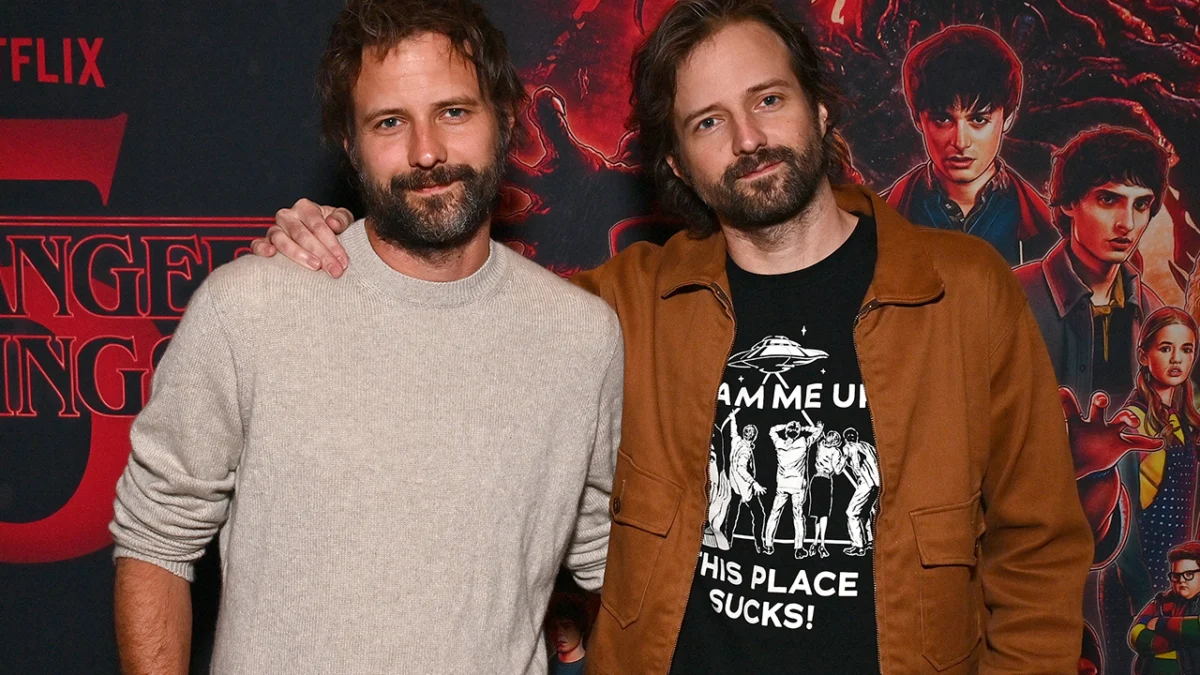
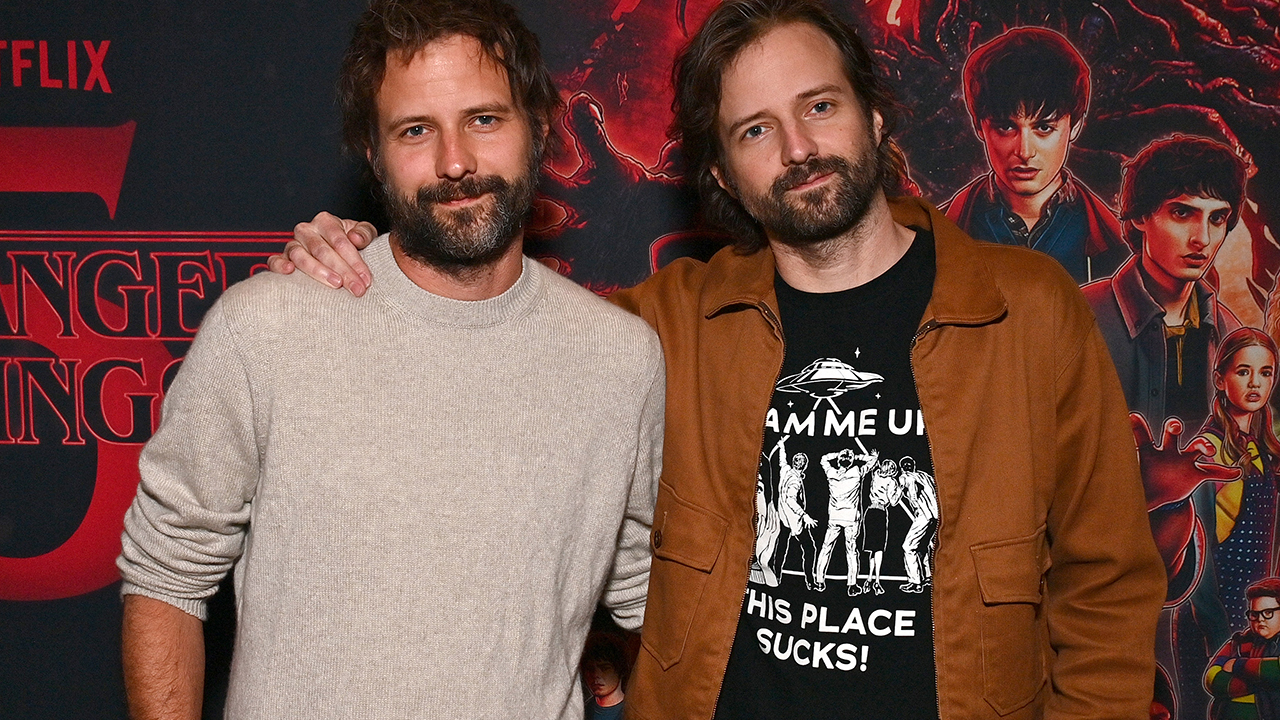
After a period of notable quiet following the emotionally charged conclusion of Stranger Things‘ penultimate season on New Year’s Day, the acclaimed creators, Matt and Ross Duffer, resurfaced for a comprehensive interview on Josh Horowitz’s popular Happy Sad Confused podcast. The extensive, hour-plus discussion, recorded live in Los Angeles, offered an unprecedented deep dive into the show’s eight-year history, from its nascent development to its record-breaking success and the intricate creative decisions that shaped its narrative. This highly anticipated appearance shattered the brothers’ recent media silence, providing fans and industry observers alike with a wealth of previously undisclosed information, debunking long-standing internet rumors, and offering candid reflections on the series’ most debated moments.
The interview, a career-spanning retrospective, transcended mere anecdotes, delving into the meticulous planning, unforeseen challenges, and surprising evolutions that defined the global phenomenon. Horowitz, known for his insightful and engaging conversations with Hollywood’s biggest names, skillfully navigated the discussion, extracting revelations that underscored the Duffer Brothers’ commitment to their craft and their profound understanding of the fan base they cultivated. This external platform choice, notably outside of Netflix’s direct promotional channels like TUDUM, allowed for a more unfettered exchange, offering an authentic glimpse into the minds behind one of the 21st century’s most impactful television series.
The Evolution of Hawkins’ Chief: Billy Crudup’s Near Miss as Jim Hopper
One of the most surprising disclosures revolved around the iconic character of Chief Jim Hopper, a role now indelibly linked to David Harbour’s nuanced and powerful performance. During the live taping, Harbour himself contributed a pre-recorded video question, playfully probing the long-held industry belief that actors often land roles as second or third choices. He speculated whether he was, in fact, the runner-up to Hollywood stalwart Josh Brolin for the role of Hawkins’ gruff but lovable lawman.
The Duffer Brothers, amidst laughter, swiftly corrected the popular misconception. While Brolin’s name had indeed circulated in fan discussions for years, the truth was far more unexpected. Their initial top choice for Chief Hopper was none other than Billy Crudup, known for his diverse roles in films like Almost Famous and more recently, his Emmy-winning turn in The Morning Show. At the time of Stranger Things‘ initial casting, Crudup was less active in television, primarily focusing on film and stage work, and ultimately passed on the project. This revelation highlights the often-unseen pathways of casting, where pivotal roles can hinge on an actor’s current career focus or scheduling conflicts.
Harbour’s eventual audition, a self-tape submission, proved to be a watershed moment. The brothers recounted his single-take performance of a scene where Joyce Byers frantically reports her son Will’s disappearance. Harbour, refusing to remove his character’s signature hat and exuding a palpable blend of weary authority and underlying vulnerability, instantly convinced the creators that they had found their Chief Hopper. This anecdote not only cements Harbour’s unique interpretation but also illustrates the serendipitous nature of casting, where an actor’s singular vision can redefine a character’s trajectory. The impact of Harbour’s portrayal on the series’ emotional core cannot be overstated; his chemistry with Winona Ryder (Joyce) and his paternal bond with Eleven became cornerstones of the show’s enduring appeal.
Debunking the "Backdoor Pilot" Myth: The Truth Behind "The Lost Sister"
For years, Stranger Things Season 2, Episode 7, "The Lost Sister," has been a lightning rod for criticism and a subject of intense fan speculation. This standalone "bottle episode" saw Eleven (Millie Bobby Brown) travel to Chicago to seek out Kali, aka Eight (Linnea Berthelsen), another super-powered individual from Dr. Brenner’s experiments. The episode’s abrupt shift in setting, tone, and character focus led many fans and critics to conclude it was a thinly veiled attempt to launch a spin-off series – a "backdoor pilot" that ultimately failed.
Matt Duffer seized the opportunity during the podcast to unequivocally refute this persistent rumor, stating with uncharacteristic bluntness, "Let me just clear up some bullshit out on the internet. That was never designed as a spin-off shoot. That’s bullshit. That’s not true. That’s gross. We would not do that." This firm denial provides a definitive answer to one of the most enduring mysteries surrounding the series’ production.
The brothers candidly admitted that while the intention was not a spin-off, the episode’s execution and pacing were indeed a creative misstep. They explained that they were heavily immersed in the demanding process of writing and directing the final two episodes of Season 2 concurrently, leading to the isolated nature of "The Lost Sister." In hindsight, they acknowledged that organically threading Kali’s storyline throughout the season would have been a more effective approach, integrating her character and Eleven’s journey of self-discovery more seamlessly into the overarching narrative.
Despite the harsh reception, the Duffer Brothers revealed a surprising silver lining: the critical feedback on "The Lost Sister" emboldened them to take even greater creative risks in subsequent seasons, particularly leading into the massively ambitious Season 3. This indicates a willingness to learn from audience and critical reactions, pushing the boundaries of their storytelling rather than retreating into safer territory. The controversy surrounding the episode, therefore, ironically contributed to the show’s continued evolution and its commitment to bold narrative choices.
Steve Harrington’s Brush with Death: The Show’s First Reshoots
The Duffer Brothers are renowned for their meticulous planning and efficient production, a testament to which is their astonishing track record of never having performed a single reshoot throughout the history of Stranger Things—until the final season. This streak was broken by a pivotal and anxiety-inducing moment involving fan-favorite character Steve Harrington (Joe Keery).
Fans collectively held their breath during a terrifying sequence where Steve appeared to fall from a great height on a crumbling tower, culminating in a heart-stopping cut-to-black moment. This near-death fake-out was specifically designed to toy with the audience, who, as the Duffers admitted, were in a "frenzy" over online theories predicting Steve’s demise. The creators explicitly stated, "So some things are surprising, like the internet getting themselves into a frenzy over Joe dying… Steve dying… I don’t know if we normally would have done him almost falling off the tower. And so that’s like that is that was a little bit of that was us f*ing with the audience for sure, for sure. Which we don’t normally do but I was like, this is too long. This is a golden opportunity. You really want it? Yeah, we can’t pass up."
Despite their initial meticulousness, the original edit of this suspenseful scene didn’t land as intended. The sequence transpired too quickly and was visually too dark to fully convey the intended impact and suspense. To rectify this, the production team undertook the extraordinary step of commissioning the show’s first-ever reshoots. A miniature, three-foot replica slab of the tower was constructed. Joe Keery was brought back for a half-day of filming, specifically to capture his slow-motion fall on this makeshift set. This additional footage allowed the editors to meticulously craft the moment, extending the suspense and maximizing its emotional punch. This anecdote highlights the Duffer Brothers’ unwavering commitment to delivering their vision, even if it meant breaking their own long-standing production rules. It also demonstrates their acute awareness of audience engagement and the power of well-executed suspense in a highly anticipated series.
The Battle for a David Harbour’s "Massive Email" Against "Stranger Things"
Before it became a household name and a cultural touchstone, Stranger Things underwent a significant identity crisis. For over a year during its early development, the series was known by its original title, Montauk, reflecting its initial setting in the eponymous Long Island town. This early concept envisioned a slightly different tone, perhaps leaning more into the real-world mystery of the alleged Montauk Project.
However, a critical creative decision to relocate the story to the fictional, quintessential Midwestern town of Hawkins, Indiana, left the show without a suitable title. For months, industry publications awkwardly referred to the burgeoning project as the "Untitled Duffer Brothers Project," a moniker that reportedly frustrated Netflix co-CEO Ted Sarandos. The brothers humorously recalled the prevalent sentiment: "Everyone’s like, who the fuck are the Duffer brothers?"
Facing a strict two-week deadline imposed by Sarandos to select a new name – with the assurance, "You’ll get used to it" – the creators eventually settled on Stranger Things. This choice, evoking the mysterious and otherworldly elements of the narrative, proved to be an inspired one, perfectly capturing the show’s essence.
Yet, not everyone was immediately convinced. The Duffer Brothers revealed a particularly amusing anecdote involving David Harbour, who had only recently been cast. Barely acquainted with the creators at the time, Harbour sent them a "massive, rambling email" passionately articulating his disdain for the new title, detailing exactly why he thought Stranger Things was an awful choice. The brothers joked about the possibility of publishing this email one day, a testament to the good-natured humor that now characterizes their relationship with the actor. Ultimately, time and unprecedented global viewership proved Sarandos right: everyone indeed got used to it, and the title became synonymous with genre-bending storytelling and nostalgic thrills. This story provides a fascinating glimpse into the internal debates and creative friction that can occur even on projects destined for immense success.
Eleven’s Ambiguous Fate and the Enigmatic "Heartbeat" Sound Effect
The series finale of Stranger Things left viewers with a potent blend of triumph and lingering uncertainty, particularly regarding the ultimate fate of Eleven (Millie Bobby Brown) after her climactic sacrifice. When the narrative jumps forward 18 months in its poignant epilogue, Mike Wheeler (Finn Wolfhard) reassures his friends, and by extension, the audience, that Eleven is unequivocally "still alive out there."
During the live podcast, Horowitz conducted an informal poll, asking the audience whether they believed Eleven had truly survived. The crowd’s response was notably split, reflecting the widespread debate among fans. Even more fascinatingly, the Duffer Brothers revealed that several core cast members, including Sadie Sink (Max Mayfield), Caleb McLaughlin (Lucas Sinclair), and Gaten Matarazzo (Dustin Henderson), have openly expressed their skepticism about Eleven’s survival. The creators found this amusing, emphasizing that while the actors might harbor doubts, their characters within the narrative unequivocally believe in her continued existence. This divergence between actor perception and character conviction adds another layer of intrigue to the show’s narrative depth.
The interview also addressed a specific audio cue that fueled much of the post-finale speculation: a mysterious sound effect heard just before the 18-month time jump, which many fans interpreted as Eleven’s heartbeat, signaling her survival. The Duffer Brothers, finally clarifying this auditory enigma, revealed, "It is written in the script that it is supposed to sound like a heartbeat, but it’s actually just… a brick. It’s just distorted. But yeah, you could interpret it as that. It was meant to be interpreted as that potentially." This explanation confirms that while the sound was intentionally ambiguous and suggestive of life, its literal source was far more mundane, yet expertly manipulated to serve the narrative’s lingering question.

The decision to maintain this ambiguity, even after the show’s conclusion, echoes the strategy of other acclaimed series known for their open-ended finales. The brothers humorously referenced David Chase’s famous 20-year silence on the ending of The Sopranos, suggesting they might follow a similar path, perhaps revealing the definitive truth about Eleven’s fate two decades from now. This approach allows the conversation and speculation to continue, cementing the series’ place in pop culture discourse and ensuring its legacy extends far beyond its final episode. The deliberate choice to leave elements open to interpretation reflects a sophisticated understanding of storytelling and audience engagement, transforming a potential plot point into a lasting cultural conversation.
Broader Implications and the Future of the Stranger Things Universe
The Duffer Brothers’ candid revelations on the Happy Sad Confused podcast offer invaluable insights into the creative process behind one of the most successful television series of all time. Beyond the specific anecdotes, these disclosures highlight several broader implications for the entertainment industry and the evolving relationship between creators, platforms, and audiences.
Firstly, the transparency regarding casting choices and production challenges demystifies the often-opaque world of Hollywood, offering fans a deeper appreciation for the myriad decisions that shape their favorite shows. The nearly-cast Billy Crudup serves as a reminder that iconic roles are often the result of complex processes and fortunate convergences.
Secondly, the definitive debunking of the "backdoor pilot" rumor surrounding "The Lost Sister" underscores the power of internet speculation and the responsibility of creators to address misinformation. While the episode remains polarizing, the Duffer Brothers’ explanation provides closure and reframes the discussion around creative intent versus execution. It also hints at the pressure creators face from both internal (studio) and external (audience) expectations, and how they navigate these to maintain artistic integrity.
The anecdote about Steve Harrington’s reshoot reveals the meticulous standards maintained even on a massive production like Stranger Things. It shows that even the most well-planned projects can require adjustments to achieve the desired emotional impact, and that sometimes, breaking established norms is necessary for storytelling excellence. This also demonstrates their engagement with fan theories, consciously using audience expectations to enhance their narrative craft.
The struggle over the show’s title, and David Harbour’s memorable email, is a testament to the often-underestimated importance of branding. A title like Stranger Things not only encapsulates the show’s genre and themes but also became a powerful, recognizable brand that transcended language barriers and cultural divides. It underscores the strategic decisions that go into marketing and positioning a new IP for global success.
Finally, the deliberate ambiguity surrounding Eleven’s fate, and the playful teasing about a future reveal, speaks to the lasting power of open endings in fostering continued discussion and engagement. By leaving certain questions unanswered, the Duffer Brothers ensure that Stranger Things remains a vibrant topic of debate and analysis long after its run concludes, contributing to its enduring legacy in popular culture alongside other shows known for their enigmatic conclusions.
As the Stranger Things universe continues to expand with announced spin-offs, these revelations provide a crucial foundation for understanding the creative ethos that will guide its future. The Duffer Brothers’ commitment to bold storytelling, their responsiveness to both internal and external feedback, and their profound connection with their audience suggest that the next chapter of this beloved franchise will be just as thoughtfully crafted and impactful as the original series. The podcast served not just as a retrospective, but as a subtle affirmation of the creative vision that continues to drive the world of Hawkins and beyond.