Netflix India significantly bolstered its content library in April 2026, introducing a blend of homegrown Originals and a diverse array of acquired films spanning multiple genres and regional languages. The month saw the highly anticipated return of the popular courtroom comedy Maamla Legal Hai for its second season, alongside the debut of the new dark comedy Original, Toaster. Beyond these flagship series, the platform enriched its film catalog with several under-the-radar theatrical releases, including the survival thriller Tu Yaa Main, the romance Do Deewane Seher Mein, and the indie drama Nukkad Naatak, signalling Netflix’s continued commitment to catering to the vast and varied tastes of its Indian subscriber base. This strategic expansion underscores the platform’s focus on deepening its presence in one of the world’s most dynamic entertainment markets.
Netflix Originals Lead the Charge with Comedy
April 2026 was marked by the release of two significant Netflix Originals, demonstrating the streaming giant’s investment in diverse narrative formats. The return of a successful series and the launch of a new, thematically distinct film highlight the platform’s dual approach to retaining existing audiences while attracting new ones.
"Maamla Legal Hai" Returns with Legal Laughter
On April 3, 2026, the second season of the critically acclaimed courtroom comedy Maamla Legal Hai premiered, bringing back the eccentric legal practitioners of Patparganj court. The new season, comprising 16 episodes, sees a significant shift in dynamics as V. D. Tyagi, portrayed by the celebrated Ravi Kishan, ascends to the role of judge. This promotion introduces a fresh layer of comedic and dramatic complexity, as Judge Tyagi is now tasked not only with managing his notoriously unruly cohort of lawyers – including Nadia Grrewal and Nidhi Bisht – but also with overseeing the physical and operational integrity of the courtroom itself. The narrative escalates with a shocking twist involving faulty courtroom wiring that leads to unexpected electrocutions, a development that promises to inject both physical comedy and heightened stakes into the series.
The first season of Maamla Legal Hai garnered significant praise for its satirical take on the Indian legal system, its ensemble cast performances, and its unique blend of wit and absurdity. Its success underscored the enduring appeal of situational comedies within the Indian market, particularly those that offer a relatable yet exaggerated portrayal of everyday life and professions. The continuation of the series with a substantial episode count reaffirms Netflix’s confidence in its format and characters, aiming to build on its established fan base and critical acclaim. The inclusion of Hindi, Tamil, and Telugu language options, alongside a Hindi audio description track, further exemplifies Netflix’s strategy to maximize reach across linguistic divides in India.
"Toaster" Delivers a Darkly Comedic Tale
April 15, 2026, saw the debut of Toaster, a new Netflix Original dark comedy directed by Vivek Daschaudhary. Starring prominent Netflix India regulars Rajkummar Rao and Sanya Malhotra, alongside Abhishek Banerjee, the film delves into the morally ambiguous journey of Ramakant, a man whose extreme frugality leads him down an increasingly unethical path. The premise revolves around Ramakant’s obsession with reclaiming a $50 toaster, initially purchased as a wedding gift, after the wedding is called off. His relentless pursuit takes him to an orphanage where the item was donated, illustrating the lengths to which he will go for a trivial sum.
The genre of dark comedy often challenges audience sensibilities, and Toaster appears to push these boundaries by depicting a protagonist engaging in escalating immoral acts over a seemingly insignificant object. While the original description hinted at the film being "pretty grim and not very funny," this subjective assessment likely points to its deliberate embrace of the dark comedy genre’s often uncomfortable and thought-provoking nature. The casting of Rajkummar Rao, known for his versatile performances in both comedic and dramatic roles, suggests a nuanced portrayal of Ramakant’s character, potentially eliciting both laughter and discomfort from viewers. The film’s availability in Hindi, English, French, and ten additional languages further demonstrates Netflix’s global distribution ambitions for its Indian Originals, aiming to introduce unique Indian storytelling to an international audience.
Acquired Films Bolster Diverse Library
Beyond its Originals, Netflix India curated an impressive selection of acquired films in April 2026, showcasing a wide spectrum of genres, from intense thrillers and heartwarming romances to action-packed dramas and insightful indie productions. This strategy not only broadens the platform’s appeal but also provides a crucial platform for films that might have had limited theatrical releases.
Thrillers and Suspense Dominate
The month kicked off with a strong focus on the thriller genre, a perennial favorite among Indian audiences. On April 2, Mrithyunjay (2026), directed by Hussain Sha Kiran and starring Sri Vishnu and Reba Monica John, premiered. This multi-lingual thriller, available in Telugu, Hindi, Kannada, Malayalam, and Tamil, follows Jay, an obituary journalist who seizes an opportunity for investigative reporting when approached by a woman seeking answers about her father’s murder. Simultaneously, police officer Seetha uncovers a suspicious pattern in deaths officially classified as accidents, hinting at a larger conspiracy. The film promises a gripping narrative where the convergence of their independent investigations holds the key to uncovering a complex truth.
Joining the suspense lineup on the same day was Sampradayani Suppini Sudhapoosani (2026), a unique blend of comedy and thriller from director Sudheer Sreeram. Starring Sivaji, Laya, and Rohan, this 144-minute Telugu film, also available in multiple regional languages, centers on a rule-abiding village head whose life is upended by an unexpected scandal. Forced to flee with his strong-willed wife and outspoken teenage son, he must navigate criminal forces and unravel a convoluted mystery. This film exemplifies the Indian cinema’s ability to fuse disparate genres, offering both tension and comedic relief.
A significant addition to the suspense genre was Vadh 2 (2026), released on April 2. Directed by Jaspal Singh Sandhu, this film is a spiritual sequel to the 2022 sleeper hit Vadh, which is also available on Netflix. While featuring Sanjay Mishra and Neena Gupta in new characters, they retain the same names, creating a thematic link to the original. Mishra portrays a prison guard who develops an unlikely friendship with a woman (Gupta) incarcerated for a crime she denies committing. The disappearance of a high-profile inmate then plunges the jail into chaos, exposing deep-seated corruption. The film’s availability in Hindi, French, Italian, Spanish, and Thai underscores its potential for international appeal, building on the critical success of its predecessor.
The survival thriller Tu Yaa Main (2026), directed by Bejoy Nambiar, arrived on April 9. This Hindi, English, Italian, Spanish, and Thai-language film is a remake of the 2018 Thai movie The Pool. Starring Adarsh Gourav, Shanaya Kapoor, and Amrutha Srinvasan, the plot sees a rapper and an influencer trapped in an empty, impossibly deep pool during a romantic getaway. The stakes are dramatically raised when a crocodile joins them, transforming their romantic interlude into a desperate fight for survival. This remake highlights the cross-cultural exchange within the thriller genre and Netflix’s role in bringing such narratives to a wider audience.
Action, Sports, and Indie Gems
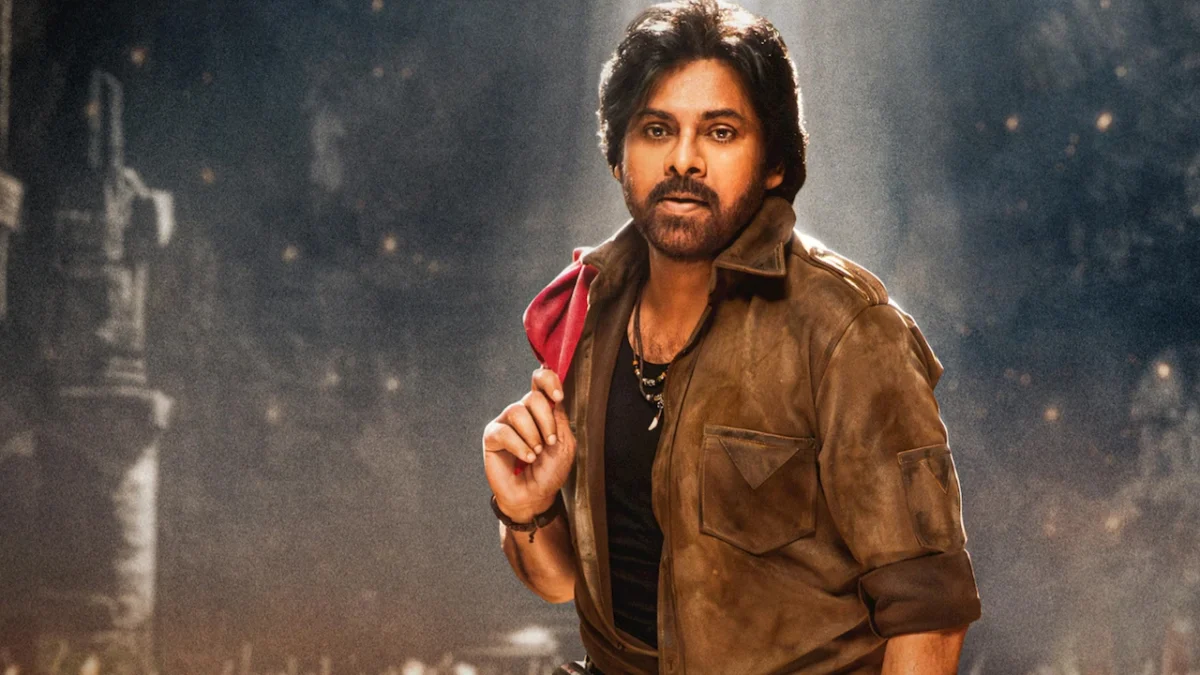
The April slate also featured high-octane action, inspiring sports dramas, and critically acclaimed independent cinema. Ustaad Bhagat Singh (2026), an action-drama directed by Harish Shankar and starring Pawan Kalyan, Sreeleela, and Raashi Khanna, premiered on April 15. The film follows the titular character, a forest ranger whose violent temperament, molded into a force for justice by a childhood mentor, is now employed to combat a corrupt politician. This narrative explores themes of justice, mentorship, and principled action, elements that resonate strongly with mainstream Indian audiences.
On April 30, director Abhilash Reddy’s Biker (2026) was released, a sports drama starring Sharwand, Rajasekhar, and Malavika Nair. The film chronicles the return of former motocross champion Vicky to the sport he abandoned. His journey is complicated by a fraught relationship with his overbearing father, adding a layer of personal drama to the high-stakes world of competitive racing. Notably, actor Sharwand underwent a significant physical transformation, losing 22 kilograms, to convincingly portray his character across different age brackets, a testament to the dedication often seen in Indian cinema. Available in Telugu, Hindi, Kannada, Malayalam, and Tamil, Biker aims to capture the spirit of ambition and familial conflict.
Independent cinema found a prominent platform with Nukkad Naatak (2026), released on April 23. Directed by Tanmaya Shekhar and starring Molshri, Shivang Rajpal, and Nirmila Hajra, this Hindi indie drama tells the story of college best friends Molshri and Shivang (played by actors sharing their characters’ names) who are expelled for theft. Recognizing the noble intentions behind their crime, the college director offers them a chance at reinstatement, contingent on their success in enrolling five children from a nearby slum into school. This challenge serves as a profound learning experience, forcing them to confront societal inequalities and discover deeper meaning in their actions. Netflix’s inclusion of such independent films is crucial for giving niche, socially conscious narratives a broader reach.
Romances and Coming-of-Age Narratives
Romance and coming-of-age stories also found their place in the April 2026 lineup, catering to audiences seeking lighter, character-driven narratives. Youth (2026), a Tamil romantic comedy directed by and starring Ken Karunaas, premiered on April 15. Karunaas makes his directorial debut playing Praveen, a teenage boy more preoccupied with romance than academics, much to his parents’ chagrin. His romantic endeavors, however, inadvertently lead him to invaluable life lessons beyond the classroom. The film’s availability in Tamil, Hindi, Kannada, Malayalam, and Telugu highlights its appeal across South Indian states and its potential for wider Hindi-speaking viewership.
Do Deewane Seher Mein (2026), released on April 16, is a Hindi romance directed by Ravi Udyawar, featuring Siddhant Chaturvedi, Mrunal Thakur, and Ila Arun. The film explores the journey of two insecure young adults, set up for marriage by their parents, who must overcome their individual self-esteem issues before they can commit to each other. While praised for its initial retro vibes, the film’s narrative approach, particularly its reliance on an "outdated" makeover trope to signify a character’s realization of self-worth, drew critical comments. This aspect sparked discussions on evolving cinematic representations of beauty and confidence in contemporary Indian storytelling. The film’s availability in Hindi, Spanish (Spain), and Arabic (Syria) indicates an ambition to reach diverse linguistic communities beyond India.
Another romantic comedy, Nee Forever (2026), directed by Ashok Kumar Kalaivani, debuted on April 23. This Tamil film, also available in Hindi, Kannada, Malayalam, and Telugu, centers on a programmer who, lacking real-world romantic experience, finds himself unable to complete the dating app he’s developing. He encounters a filmmaker seeking inspiration for her next project, leading to a complex interplay of professional ambition and burgeoning romantic connection. The film explores the blurred lines between utilitarian relationships and genuine affection, with additional audio description tracks in Hindi and Tamil enhancing accessibility.
Unique Blends: Comedy-Thriller and Horror-Comedy
The April slate also presented films that defied simple genre classification, offering unique narrative experiences. Sampradayani Suppini Sudhapoosani, as mentioned earlier, skillfully combines comedy and thriller elements. Towards the end of the month, on April 30, Raakaasa (2026) arrived, a horror-comedy directed by Manasa Sharma. Starring Sangeeth Sobhan, Nayan Sarika, and Getup Srinu, this Telugu film (also in Kannada, Malayalam, and Tamil) follows Veerababu, who, after a decade in the U.S., returns to his Indian village for a wedding. His quest for love takes an unexpected, supernatural turn when he accidentally awakens a monster demanding human sacrifice, leading to a darkly humorous and terrifying predicament. This genre blend, popular in Indian cinema, leverages cultural folklore and comedic timing to deliver a distinctive viewing experience.
Netflix India’s Strategic Imperative: Regional Content and Language Diversity
The April 2026 releases further cement Netflix’s aggressive strategy in the Indian market, which revolves around significant investment in both original content production and the acquisition of diverse films across multiple regional languages. India, with its vast linguistic diversity and burgeoning internet penetration, represents a critical growth market for global streaming platforms. Netflix’s commitment to offering titles in Telugu, Tamil, Kannada, Malayalam, and Hindi, often with multiple dubbing and subtitle options, is not merely a feature but a fundamental pillar of its localization strategy. This approach directly addresses the demand for content that reflects local cultures, nuances, and storytelling traditions, thereby enhancing subscriber engagement and retention.
Industry data from late 2025 indicated that regional language content was a major driver of subscription growth for OTT platforms in India, often outpacing Hindi-language content in specific markets. By consistently adding multi-lingual titles, Netflix positions itself as a comprehensive entertainment hub, capable of serving a truly pan-Indian audience. The "Additional dialogue options can be found in the film’s audio menu" disclaimer, consistently mentioned for most releases, highlights the meticulous effort put into this multi-lingual delivery. This also implies a significant investment in post-production, including dubbing and subtitling, which creates employment opportunities within the local creative ecosystem.
Broader Implications for India’s Streaming Landscape
The sustained influx of diverse content from Netflix, as seen in April 2026, has profound implications for the Indian entertainment industry. It fuels competition among streaming platforms, pushing local players to innovate and invest more in high-quality productions. This competitive environment ultimately benefits creators, who find more avenues for their work, and audiences, who gain access to an unprecedented breadth of content.
Furthermore, Netflix’s global platform provides an invaluable launchpad for Indian talent and stories onto the international stage. Films like Toaster with its multi-language availability, and the general trend of multi-lingual dubbing, expose Indian narratives to non-Indian audiences, fostering cultural exchange and potentially opening up new markets for Indian films. This global visibility not only enhances the prestige of Indian cinema but also attracts further international collaborations and investments. The platform’s commitment to independent films like Nukkad Naatak also democratizes access to distribution, offering smaller, impactful stories a chance to reach a wider audience beyond traditional theatrical routes.
Looking Ahead
The April 2026 slate on Netflix India reflects a mature and sophisticated content strategy, balancing the allure of established franchises with the novelty of new Originals and the richness of acquired regional cinema. As Netflix continues to expand its footprint in India, its ongoing commitment to linguistic diversity, genre variety, and supporting both mainstream and independent productions will be crucial in shaping the future of digital entertainment in the subcontinent. With a substantial slate already previewed for 2026 and beyond, audiences can anticipate a continued flow of compelling Indian stories, further solidifying Netflix’s role as a key player in the nation’s vibrant entertainment ecosystem.