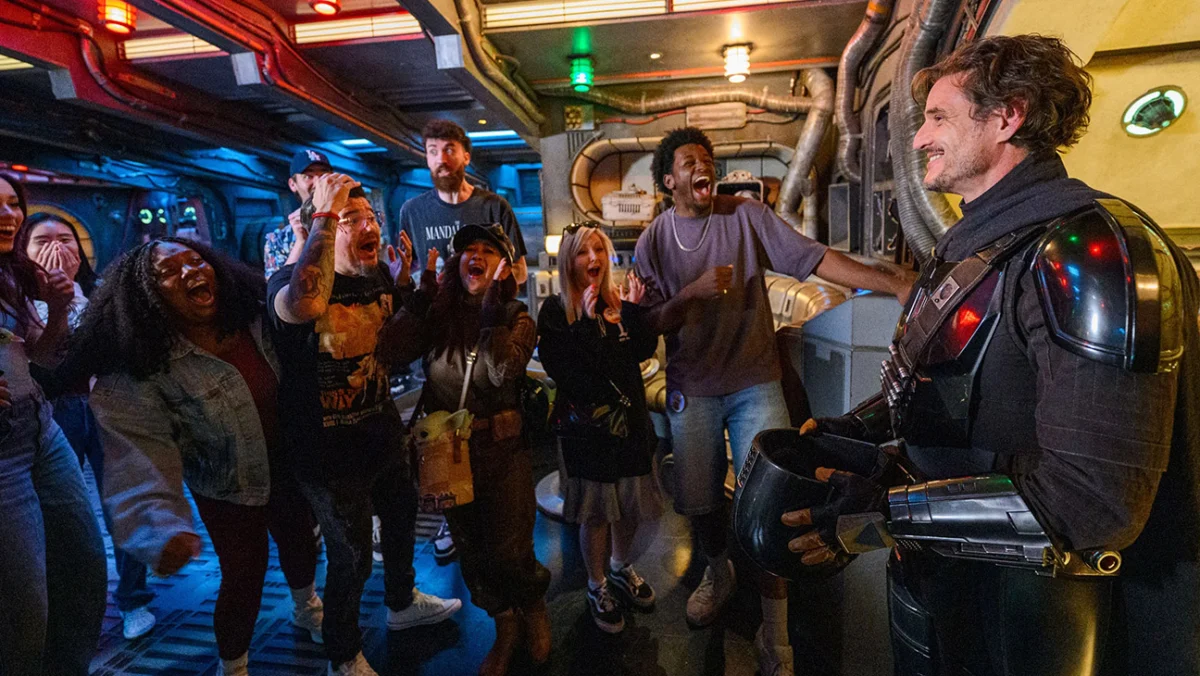
What initially appeared to be a meticulously orchestrated viral marketing triumph by Disney, featuring actor Pedro Pascal in his iconic Mandalorian armor surprising unsuspecting tourists at Disneyland’s Star Wars: Galaxy’s Edge, has since evolved into a broader discussion about marketing transparency and consumer trust in the age of digital influencers. The widely circulated video, showcasing Pascal removing his helmet to a chorus of gasps and cheers from delighted fans about to embark on the Millennium Falcon: Smugglers Run ride, quickly captivated global audiences, yet subsequent revelations about the "random" nature of the participants have ignited a debate among fans and industry observers alike.
The Viral Spectacle: A Masterclass in Immersive Marketing
On a recent Sunday, the entertainment giant Disney released a short but impactful clip that immediately went viral across social media platforms. The footage captured what seemed like a dream come true for any Star Wars enthusiast: Pedro Pascal, the beloved actor behind the titular character of The Mandalorian, appearing in full costume aboard the Millennium Falcon. As the group of seemingly ordinary park-goers prepared for their simulated journey through the galaxy, Pascal dramatically removed his helmet, revealing himself to the astonished tourists. The reactions were instantaneous and visceral – a mix of shock, unbridled excitement, and emotional awe, culminating in cheers and applause. Disney’s official Instagram caption, accompanying the clip, celebrated the moment, stating, "Pedro Pascal creates the surprise of a lifetime at Star Wars: Galaxy’s Edge at @disneyland."
This event epitomized Disney’s renowned ability to craft immersive, magical experiences for its visitors and leverage celebrity power for unparalleled promotional impact. The apparent spontaneity of the encounter, coupled with Pascal’s global popularity, particularly among Star Wars fans, positioned the moment as an authentic, once-in-a-lifetime interaction. Media outlets quickly picked up the story, reporting on the "surprise appearance" and the "shocked fans," further amplifying the narrative of an organic, heartwarming fan interaction. The initial perception was that Disney had once again delivered an unforgettable, genuine moment that underscored the magic of its theme parks and the enduring appeal of the Star Wars saga. This kind of organic virality is the holy grail for marketing teams, often achieving far greater reach and engagement than traditional advertising campaigns. For a franchise as beloved and expansive as Star Wars, these personal touches are crucial in maintaining a deep emotional connection with its audience.
Unmasking the "Unsuspecting": The Scrutiny of Online Sleuths
The glow of this seemingly perfect marketing moment began to dim as online communities, particularly those dedicated to Star Wars fandom and digital media analysis, started scrutinizing the viral footage. It wasn’t long before sharp-eyed internet sleuths and dedicated fans began identifying the "random tourists" in the video. The consensus quickly emerged: the individuals were not just any park visitors, but rather a curated group of prominent Star Wars bloggers, content creators, and social media influencers. Many of these individuals boast significant followings across various platforms, regularly producing content related to the franchise, reviewing merchandise, and attending fan events.
This revelation swiftly shifted the narrative from one of serendipitous magic to a calculated marketing maneuver. The power of collective online investigation, fueled by the interconnectedness of social media, demonstrated its capacity to quickly dissect and contextualize viral content. Screenshots, cross-referenced social media profiles, and past event attendance records were rapidly compiled and shared, leaving little doubt about the true nature of the group. The speed and efficiency with which this "unmasking" occurred highlight the double-edged sword of digital visibility: while it allows for widespread promotion, it also invites intense scrutiny and fact-checking from a highly engaged and often critical audience. The era of unquestioning acceptance of brand narratives is increasingly giving way to a more discerning and proactive consumer base.
The Backlash: Erosion of Trust in Brand Marketing
The discovery that the "surprise" was, in fact, a pre-arranged influencer event triggered a wave of backlash against Disney. Critics argued that the initial presentation of the clip was misleading, creating a false impression of an organic, unscripted fan interaction. This perceived lack of transparency fueled cynicism among some segments of the Star Wars fanbase and broader online communities. One prominent fan site, GeeksandGamers.com, articulated this sentiment sharply, writing, "The backlash surrounding the Pedro Pascal Disneyland stunt taps directly into a growing problem for Disney: Audiences no longer trust the company’s marketing."
This criticism stems from a deeper concern about authenticity in brand communications. In an increasingly saturated media landscape, consumers often seek genuine experiences and interactions. When a moment presented as spontaneous and authentic is revealed to be a carefully staged production, it can erode trust and foster a sense of disillusionment. For a company like Disney, which has built its brand on imagination, magic, and emotional connection, such perceptions of inauthenticity can be particularly damaging. The use of influencers, while a ubiquitous and often effective marketing strategy, comes with the responsibility of clear disclosure. When the line between genuine fan enthusiasm and sponsored content blurs, the integrity of the message can be compromised. This incident, for many, underscored a growing skepticism towards corporate marketing tactics that leverage personal connections for commercial gain without explicit transparency.
Disney’s Stance and Influencer Transparency
In response to the growing discourse, it is important to note that Disney itself never explicitly stated that the group consisted of "random tourists." Their initial caption simply focused on Pascal creating "the surprise of a lifetime." Furthermore, many of the influencers involved in the event eventually provided their own accounts on social media, offering greater transparency regarding the pre-planned nature of the experience.
For instance, a Star Wars cosplayer who was part of the group openly shared her excitement, stating, "I was a crying fool after shaking [Pascal’s] hand and screaming along with everyone in that room last night and I’m okay with that. The team @starwars @lucasfilm worked tirelessly on planning out this epic experience for us and for that, I am eternally grateful." Similarly, a digital creator involved in the event posted, "Biggest thank you to the team @starwars for making this happen… Go see The Mandalorian on the big screen MAY 22." These posts, while conveying genuine excitement, also clearly indicated that the event was a coordinated effort by Lucasfilm and Disney.
A source close to the matter, speaking to The Hollywood Reporter, provided further context, clarifying that the invited group comprised "legitimate Star Wars fans, some of whom have modest social media followings." These individuals were reportedly invited to Disneyland under the pretense of experiencing "new content additions to Smugglers Run." Crucially, the source emphasized that their reactions to Pedro Pascal’s reveal were indeed "genuine," suggesting that while the setup was arranged, the emotional impact on the participants was authentic. Following the specific "surprise" event, Pascal, along with The Mandalorian and Grogu co-star Sigourney Weaver, writer-director Jon Favreau, and Lucasfilm chief Dave Filoni, reportedly gathered to watch the "Shadows of Memory" projection show, engaging with everyday tourists nearby, further blending the curated experience with typical park operations. This nuance suggests a delicate balance Disney was attempting to strike: orchestrating a unique experience for key community members while still aiming for genuine fan engagement.
Chronology of an Influencer Marketing Event
The sequence of events leading up to and following the viral moment offers a clear timeline of this particular marketing strategy:
- Pre-Event Planning: Weeks or months prior, Lucasfilm and Disney’s marketing teams meticulously planned the event. This involved identifying and inviting a select group of Star Wars content creators, bloggers, and influencers, framing their invitation as an exclusive preview of new park content or experiences at Star Wars: Galaxy’s Edge. The goal was to leverage their reach and passion to generate buzz for the upcoming film.
- The Day of the "Surprise": The invited group arrived at Disneyland. They were ushered into the Millennium Falcon: Smugglers Run attraction, under the impression of a special preview. Pedro Pascal, secretly positioned, made his dramatic appearance, removing his helmet to elicit genuine, surprised reactions from the assembled fans. This moment was professionally filmed and photographed by Disney’s media team.
- Sunday, May 19 (Initial Release): Disney officially released the edited viral clip across its social media channels, particularly Instagram. The video quickly gained traction, being widely shared and covered by various media outlets (e.g., Entertainment Weekly, KTAL News) that initially reported it as a spontaneous fan encounter, based on Disney’s presentation.
- Within Hours/Days (Online Scrutiny): Online communities and Star Wars fan groups began to identify the individuals in the video as known influencers and content creators, leading to the rapid unmasking of the "random tourists."
- Post-Revelation (Backlash and Transparency): As the nature of the event became clear, some fan sites and commentators expressed criticism regarding Disney’s perceived lack of transparency. Concurrently, several of the participating influencers began posting their own accounts of the event, acknowledging its planned nature and expressing gratitude to Lucasfilm and Star Wars for the "epic experience," often including promotional messages for the upcoming film.
- Ongoing Discussion: The incident continues to fuel discussions about influencer marketing ethics, brand authenticity, and the evolving relationship between major studios and their dedicated fan bases in the digital age.
Broader Implications: The Intersection of Franchise Revitalization and Influencer Strategy
This event is not an isolated incident but rather a component of a larger, sophisticated marketing strategy by Disney, particularly for the revitalized Star Wars franchise. The Mandalorian and Grogu marks a significant milestone as the first new Star Wars film in seven years, making its successful launch paramount for Lucasfilm and Disney. The studio has increasingly leaned on influencer marketing in recent years, recognizing the unparalleled reach and perceived authenticity that trusted voices in specific communities can provide.
The decision to invite Star Wars influencers for such an exclusive experience aligns with a common industry practice: cultivating relationships with key opinion leaders who can generate organic-feeling hype. These influencers, by virtue of their established credibility within the Star Wars community, can often reach target demographics more effectively than traditional advertising. The positive reviews following early screenings of The Mandalorian and Grogu further underscore the importance of positive buzz. One early review praised the film as "a grin-inducing crowd-pleaser that puts Star Wars back on theatrical track. Director Jon Favreau is (again) a safe pair of hands that deliver a solid, thrilling and engaging romp. A solid popcorn movie that is the summer blockbuster you’re looking for." This kind of enthusiastic endorsement, whether from critics or influencers, is invaluable in building momentum for a major cinematic release.
However, the backlash generated by the perceived lack of transparency in the Pascal stunt highlights a critical challenge for brands. While influencers offer a powerful avenue for marketing, the line between genuine endorsement and paid promotion must be clear. The Federal Trade Commission (FTC) in the United States, for example, has clear guidelines requiring influencers to disclose material connections to brands. While the influencers in this case eventually provided transparency, the initial presentation by Disney created ambiguity that led to consumer mistrust. The value of influencer marketing lies in its ability to feel authentic; when that authenticity is questioned, the strategy can backfire.
Conclusion: Navigating Authenticity in the Digital Age
The Pedro Pascal Disneyland "surprise" serves as a compelling case study in the complexities of modern marketing, particularly for iconic brands with deeply loyal fan bases. While Disney achieved its immediate goal of creating a widely shared, attention-grabbing moment for The Mandalorian and Grogu, the subsequent scrutiny and debate over transparency underscore the evolving expectations of consumers.
In an era where information spreads instantly and authenticity is highly prized, brands face a delicate balancing act. The power of celebrity, the immersive magic of theme parks, and the vast reach of digital influencers remain potent tools. However, the incident highlights the critical importance of clear communication and ethical considerations. For Disney and other major studios, maintaining audience trust requires not only creating compelling content and experiences but also ensuring that the presentation of those experiences aligns with a commitment to transparency. As The Mandalorian and Grogu opens this weekend, the success of this multifaceted marketing campaign will ultimately be measured not just by box office numbers, but also by the long-term impact on the brand’s relationship with its global audience. The debate will likely continue: how much staging is acceptable in the pursuit of viral magic, and where does the line between a delightful surprise and a misleading marketing tactic truly lie?