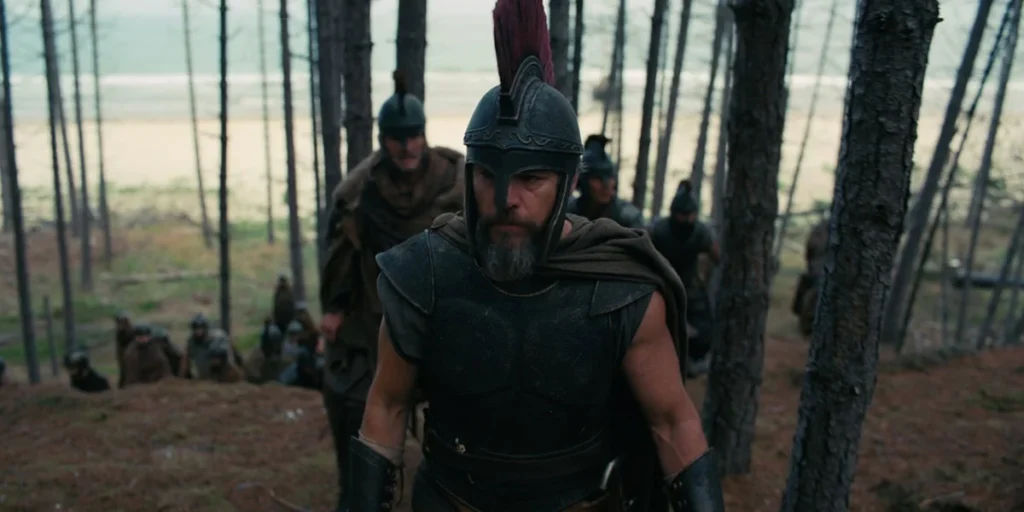
The television landscape of the last decade has been significantly reshaped by the prolific output of Taylor Sheridan, whose expansive roster of series has become the foundational pillar of the Paramount+ streaming service. From the flagship success of Yellowstone to its sprawling genealogical prequels like 1883 and 1923, and expanding into gritty procedurals and industrial dramas such as Mayor of Kingstown and Landman, Sheridan has engineered a television empire that commands millions of viewers and consistent industry attention. However, a persistent anomaly remains at the center of this cultural phenomenon: despite record-breaking viewership, high-profile casting, and occasional recognition from major guilds, the Television Academy has consistently overlooked Sheridan’s work in "above-the-line" Emmy categories. As the 2026 awards season approaches, industry analysts are closely watching whether upcoming contenders Landman and The Madison can finally bridge the gap between commercial juggernaut status and prestigious Emmy validation.
The Historical Trajectory of the Sheridan-Verse
The narrative of Taylor Sheridan’s awards journey is one of immense popular momentum meeting a formidable institutional ceiling. The phenomenon began in earnest with Yellowstone, which premiered in 2018. While the series initially flew under the radar of coastal critics, it gradually transformed into the most-watched scripted show on linear television. By its fourth season in 2022, the industry could no longer ignore its footprint. That year, the Producers Guild of America (PGA), the Critics’ Choice Association, and the Screen Actors Guild (SAG) all recognized Yellowstone with nominations for their top drama honors.
The Season 4 finale of Yellowstone famously drew over 13 million viewers, a figure nearly unheard of in the fragmented era of peak TV. This massive audience engagement, coupled with the "industry passion" signaled by the PGA and SAG nominations, led many to believe an Emmy breakthrough was inevitable. Yet, when the 74th Primetime Emmy nominations were announced, Yellowstone was conspicuously absent from the Outstanding Drama Series category, losing out to critically acclaimed but less-watched programs like Euphoria and Yellowjackets. This pattern of "guild support without Emmy follow-through" has become a recurring theme in Sheridan’s career.
A Chronology of Near-Misses and Acting Upsets
The disconnect between the Television Academy and other voting bodies became even more pronounced during the winter awards circuit of 2023. Kevin Costner, the veteran lead of Yellowstone, secured a Golden Globe win for Best Actor in a Drama Series, triumphing over heavy hitters like Bob Odenkirk (Better Call Saul) and Adam Scott (Severance). Despite this high-profile victory, Costner—along with the rest of the Yellowstone ensemble—never received a single Emmy nomination for their performances throughout the show’s tenure.
Simultaneously, Sheridan’s limited series prequel, 1883, followed a similar trajectory. Sam Elliott, portraying the rugged Shea Brennan, delivered a performance that resonated deeply with his peers, resulting in a Screen Actors Guild Award for Outstanding Performance by a Male Actor in a Television Movie or Limited Series. Elliott’s win was considered a major upset, as he defeated Evan Peters, whose portrayal of Jeffrey Dahmer in the Netflix series Monster was widely considered the frontrunner. However, just as with Costner, the SAG win did not translate into Emmy gold. The Television Academy relegated 1883 to technical categories, specifically Music Composition and Cinematography, ignoring the "above-the-line" categories of acting, writing, and directing.
The 2026 Contenders: Landman and The Madison
As the focus shifts to the 2026 Emmy cycle, Taylor Sheridan has two primary vehicles in contention: the oil-industry drama Landman and the latest Yellowstone spin-off, The Madison.
Landman, which explores the boom-and-bust world of West Texas oil rigs, has shown signs of breaking the Sheridan curse within the guilds. While its first season was largely ignored by awards bodies, Season 2 has gained significant traction. Billy Bob Thornton has emerged as a serious contender, recently securing a Screen Actors Guild nomination for Best Actor in a Drama Series. Thornton’s inclusion in the SAG lineup is particularly noteworthy because he displaced Adam Scott for the critically beloved Severance—a show that historically aligns more closely with Emmy tastes. Furthermore, Landman earned a nomination for Best Ensemble in a Drama Series at the Actor Awards, a metric often cited as a prerequisite for an Emmy nomination for Outstanding Drama Series.

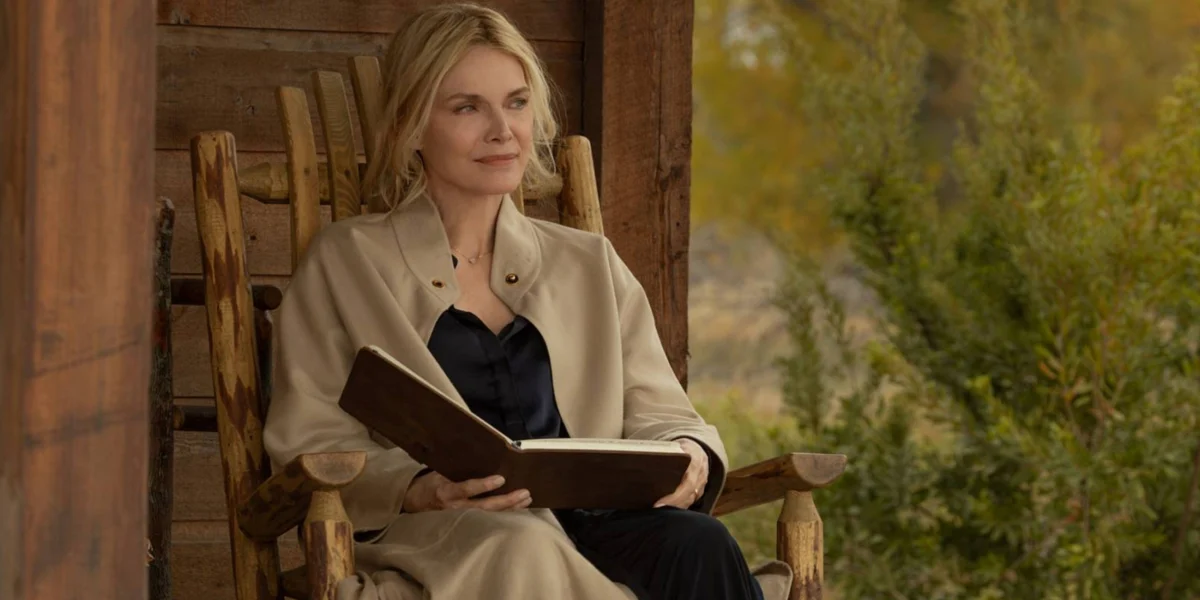
Conversely, The Madison remains a wild card. Starring Michelle Pfeiffer, the series follows a family navigating grief and transition in the Montana wilderness. While the show has yet to be tested by the guilds, Pfeiffer’s presence provides a level of "prestige gravity" that previous Sheridan projects may have lacked. Pfeiffer, a three-time Academy Award nominee, is currently receiving some of the strongest reviews of her television career. Analysts suggest that the Outstanding Lead Actress in a Drama Series category is currently less crowded than in previous years, providing a strategic opening for a well-known veteran. Additionally, Pfeiffer’s simultaneous buzz for the upcoming series Margo’s Got Money Trouble may create a "halo effect," keeping her name at the forefront of voters’ minds.
Comparative Analysis: The "Prestige" Gap
To understand why Sheridan’s shows struggle with the Television Academy, it is necessary to compare them to Emmy favorites like HBO’s Succession. While Yellowstone often doubled or tripled the viewership of Succession, the latter occupied a different space in the cultural zeitgeist. Succession was characterized by:
- Trade Dominance: Constant coverage in outlets like Variety and The Hollywood Reporter.
- Critical Consensus: Near-universal acclaim for its sharp writing and thematic depth.
- "Event" Status: Episodes like "Connor’s Wedding" became immediate social media phenomena, discussed by critics and industry insiders as landmark moments in television history.
Sheridan’s work, while immensely popular, is often categorized as "genre fiction" or "modern Westerns," labels that historically carry less weight with Emmy voters than the "prestige drama" label. His shows are frequently viewed as being produced for a specific regional demographic rather than for the "coastal" industry voters who comprise the bulk of the Academy. The lack of "capital-I" importance—or the perception that the shows do not offer significant social or political commentary—remains a barrier to entry for the top Emmy categories.
Industry Implications and Economic Impact
The lack of Emmy trophies has not hindered the economic success of the Sheridan brand. For Paramount Global, Taylor Sheridan is more than a showrunner; he is a primary driver of subscriber acquisition. Internal data suggests that a significant portion of Paramount+ subscribers joined the platform specifically to watch Sheridan’s content. This "Sheridan effect" has led to a multi-billion dollar deal and the greenlighting of numerous projects that prioritize high production values and A-list talent.
However, the absence of Emmy recognition does have practical implications. Emmy wins are often used as leverage in international distribution deals and serve as a marketing tool to attract talent who prioritize prestige over paycheck. If Landman or The Madison fail to secure nominations in 2026, it may reinforce the narrative that Sheridan’s work, while commercially invincible, remains artistically marginalized by the television establishment.
Conclusion and Future Outlook
The 2026 Emmy season represents a pivotal moment for Taylor Sheridan. The inclusion of Billy Bob Thornton and Michelle Pfeiffer suggests a concerted effort to cast actors who command institutional respect. For Landman, the path to recognition lies in maintaining its guild momentum and convincing Academy voters that its industrial grit is as worthy as the high-society drama of its competitors. For The Madison, the strategy hinges on Pfeiffer’s individual star power and the show’s ability to tap into a more emotional, character-driven narrative that aligns with the Academy’s historical preferences.
Ultimately, the "missing piece" for Sheridan may not be viewership or acting caliber, but a shift in the cultural conversation. Until his shows are viewed as "required viewing" by the industry elite—rather than just the general public—the Emmy drought may continue. Whether 2026 marks the end of this trend or another chapter in the Sheridan snubs remains one of the most anticipated storylines of the upcoming awards circuit.