Narrative Overview and Character Dynamics
The plot of the film centers on David Zimmerman, portrayed by Niels Schneider, a photographer characterized by his social withdrawal and professional obsession. David is engaged in a meticulous long-term project inherited from his father: capturing contemporary photographs of specific architectural sites from the exact vantage points used in historical postcards and his father’s previous work. This project, which David describes as an effort to "show what has disappeared," serves as the thematic foundation for the film’s exploration of identity and permanence.
The narrative trajectory shifts abruptly when David is persuaded by friends to attend a large social gathering. At this event, he encounters Eve, played by Léa Seydoux. Following a brief and largely non-verbal interaction, the two characters experience a supernatural event. Upon waking the following morning, David discovers that his consciousness has been transferred into Eve’s body, and vice versa. Unlike the comedic "body-swap" tropes popularized in mainstream Western cinema, such as "Freaky Friday," Harari treats this premise as a traumatic, ego-shattering ordeal. The remainder of the film follows David (now in Eve’s physical form) as he navigates the psychological horror of his new reality and attempts to locate his original body to reverse the phenomenon.
Production Background and Creative Pedigree
The development of the film comes at a high-water mark for Arthur Harari’s career. Following the global success of "Anatomy of a Fall," which secured the Palme d’Or at Cannes and an Oscar for Best Original Screenplay, expectations for Harari’s directorial follow-up were substantial. The project reunites him with Vincent Poymiro, his collaborator on the critically acclaimed "Onoda: 10,000 Nights in the Jungle," and introduces his brother, Lucas Harari, into the writing process.
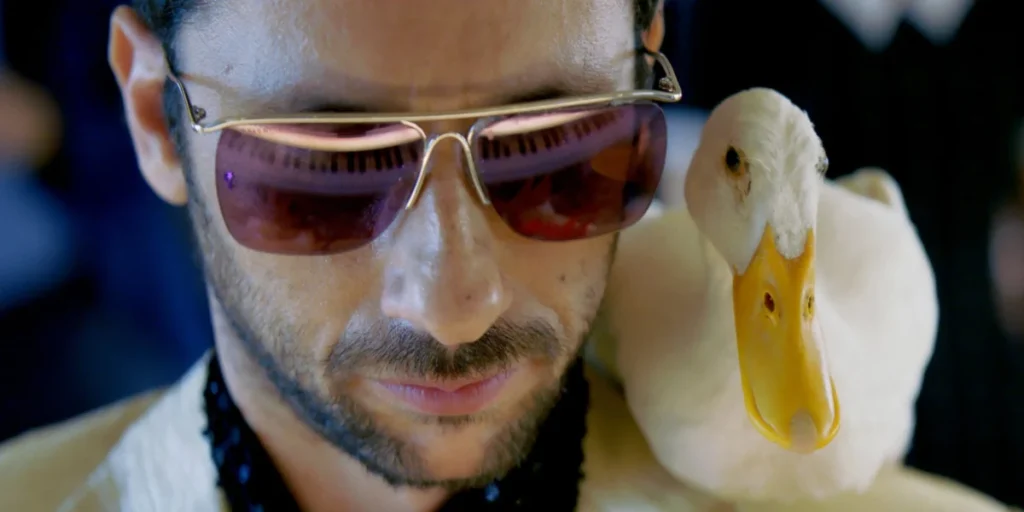
The casting of Léa Seydoux further elevates the film’s profile. Seydoux, a staple of the Cannes Film Festival and an actress with significant international reach through roles in the James Bond franchise and "Dune: Part Two," provides the emotional anchor for the film. Her performance is noted for its reliance on physical expression and "stressed-out fearfulness," a necessity given the screenplay’s minimal dialogue. Niels Schneider, a frequent collaborator with directors like Xavier Dolan, provides the counterpart to Seydoux, though his performance is intentionally more muted to reflect the haunted nature of his character.
Technical Execution and Stylistic Choices
The film is characterized by a deliberate, slow-burn pace that many industry analysts have categorized as "neo-noir" in atmosphere, if not in structure. A significant contributor to this mood is the score composed by Andrew Poggio. The soundtrack utilizes dramatic piano arrangements to evoke a sense of dread and isolation, aligning the film with the aesthetics of psychological thrillers.
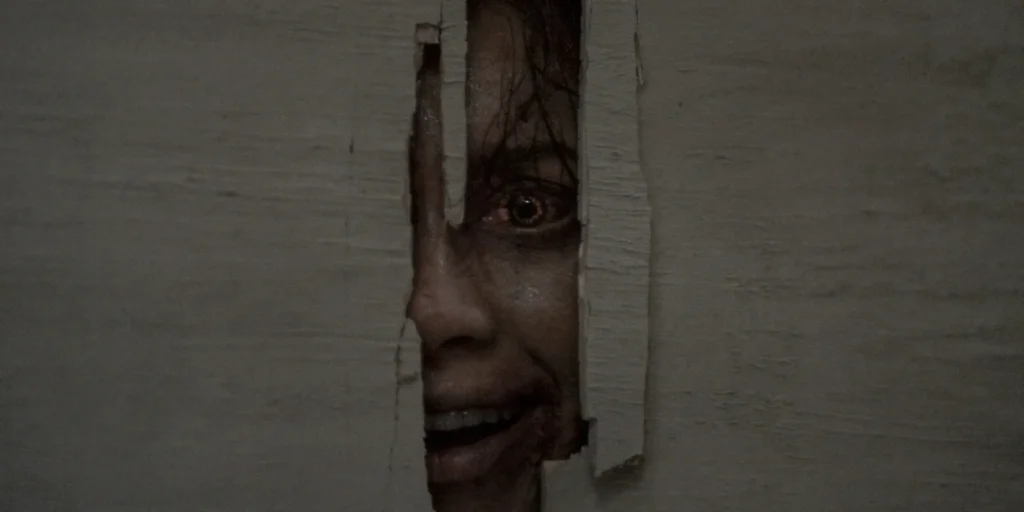
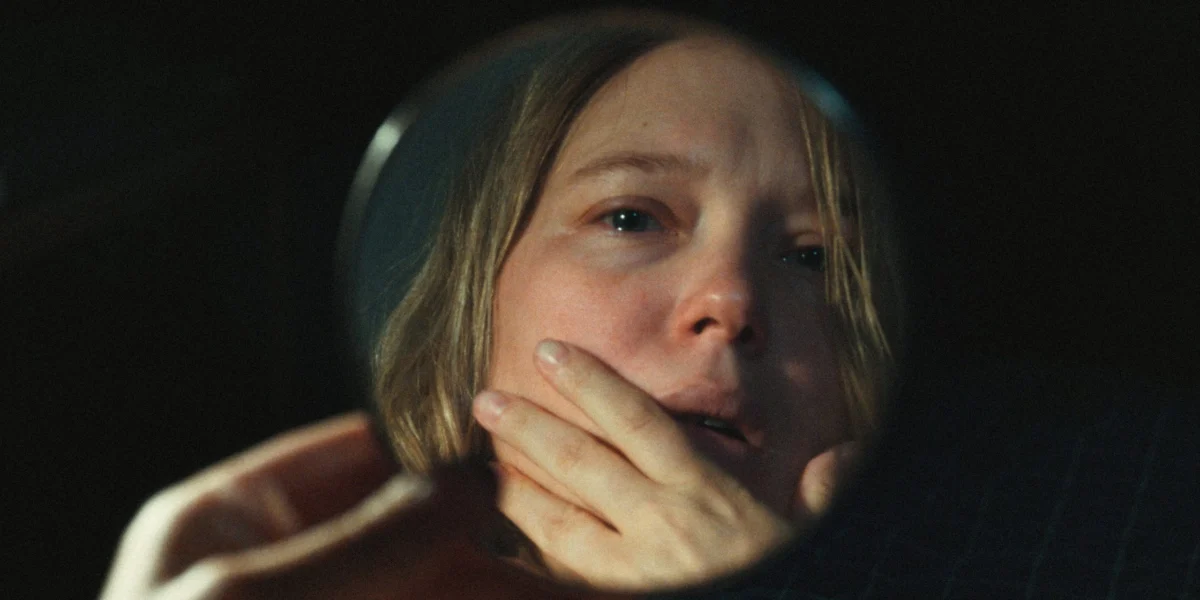
Visually, Harari employs a technique that has become a point of significant discussion among critics: the extensive use of long, static shots where characters stare directly at one another or into the camera lens. This "cinematic staring" is used to emphasize the internal disconnect felt by the characters after their transformation. The cinematography focuses heavily on the faces of Seydoux and Schneider, attempting to convey complex internal monologues through micro-expressions rather than spoken words. This stylistic choice contributes to the film’s 139-minute runtime, a length that suggests a commitment to atmospheric immersion over traditional plot progression.
Philosophical Underpinnings and Thematic Analysis
The film operates on several theoretical levels, most notably the "Ship of Theseus" paradox. This philosophical thought experiment asks whether an object that has had all of its components replaced remains fundamentally the same object. By placing David’s consciousness in Eve’s body, Harari forces the audience to consider whether identity is tied to the physical form or the internal "soul." This is mirrored in David’s photography project, which seeks to document buildings that have changed over decades while occupying the same geographical space.
Furthermore, the film touches upon themes of gender and performative identity. By removing the characters from their biological contexts, the narrative invites an exploration of how much of a person’s social existence is dictated by their outward appearance. However, observers have noted that Harari avoids providing definitive answers or clear ideological stances on these topics. Instead, the film presents the situation as a "vacant" experience, leaving the viewer to project their own interpretations onto the blank slates of the characters’ expressions.
Critical Reception and Market Positioning
The reception of the film has been polarized, reflecting its unconventional approach to a familiar genre premise. While Léa Seydoux’s performance has received near-universal praise for its intensity and versatility, the film’s overall structure has been described by some as "humorless" and "self-serious." The sparse nature of the screenplay—relying on actors’ faces rather than dialogue—has been cited as a barrier to audience connection.
In terms of market positioning, the film is clearly aimed at the art-house circuit rather than a broad commercial audience. Its refusal to offer a "foothold" or a traditional narrative arc suggests it is intended for viewers who appreciate abstract, experimental cinema. The presence of Radu Jude, a prominent Romanian director known for his own avant-garde and politically charged work, in a supporting role further reinforces the film’s credentials within the international festival community.
Comparative Chronology of Body-Swap Cinema
To understand the film’s place in cinematic history, it is useful to compare it to previous iterations of the transference narrative:
- 1976/2003: "Freaky Friday" – Established the comedic standard for body-swapping, focusing on generational empathy and situational humor.
- 1997: "Face/Off" – Integrated the concept into the action-thriller genre, using physical surgery as the catalyst rather than the supernatural.
- 2016: "Your Name" (Kimi no Na wa) – Utilized the trope in Japanese animation to explore destiny, time, and romantic connection.
- 2020: "Possessor" – Directed by Brandon Cronenberg, this film moved the trope into the "body horror" genre, sharing more thematic DNA with Harari’s work than with traditional comedies.
- Present: "The Unknown" – Repurposes the trope as a vehicle for abstract horror and philosophical inquiry into the "disappearance" of the self.
Broad Implications for the Creative Team
The release of the film serves as a litmus test for Arthur Harari’s directorial voice outside of the collaborative shadow of "Anatomy of a Fall." By choosing a project that is "too sparse" and "aimless" by design, Harari is signaling a move toward a more uncompromising, auteur-driven style of filmmaking.
For Léa Seydoux, the film reinforces her status as a performer capable of carrying high-concept, demanding roles that require more than traditional acting. For Niels Schneider, the project represents another entry in a filmography defined by challenging, often alienating characters.
Ultimately, the film functions as a ruminative piece on the nature of observation. Just as David Zimmerman photographs buildings to see what has disappeared, Harari uses the camera to observe the human form after the "self" has been displaced. While it may lack the narrative momentum of a typical thriller, its commitment to an unsettling, moody atmosphere ensures it will remain a subject of discussion within cinematic circles, particularly regarding its refusal to conform to the expectations of its own high-concept premise. The film stands as a testament to the current trend in French cinema that favors psychological abstraction over linear storytelling, challenging the observer to find meaning in the "unknown" spaces between the art and the viewer.