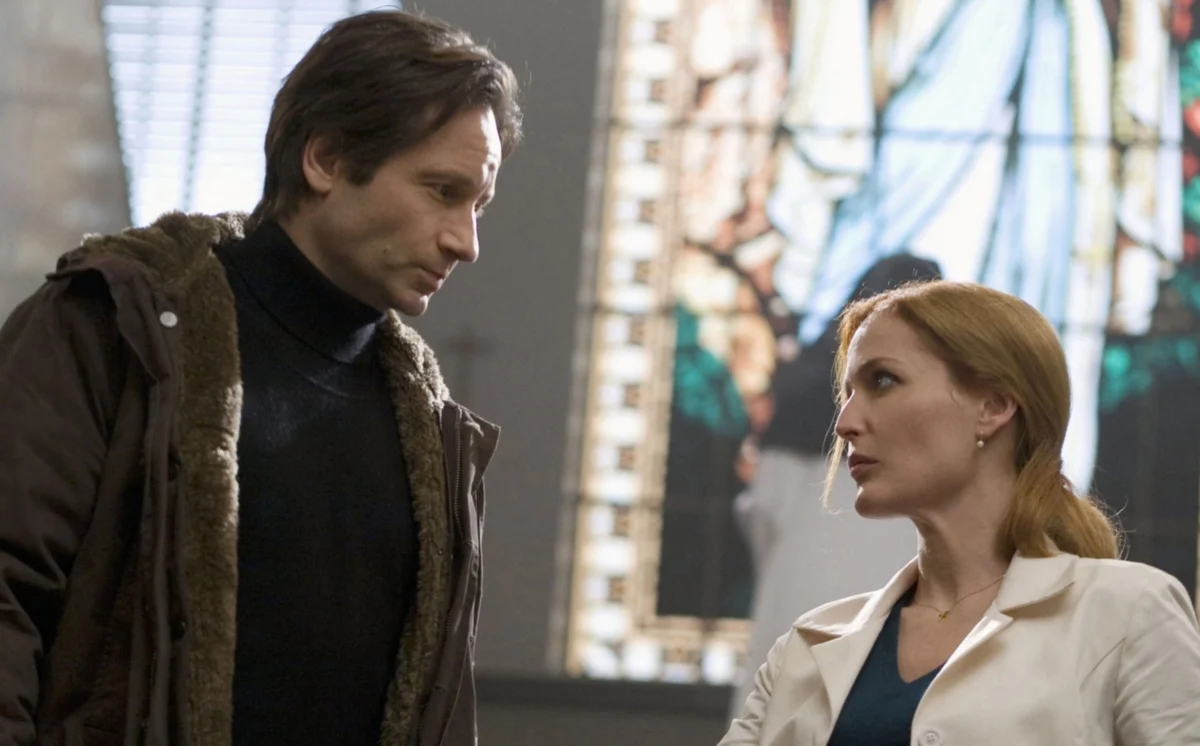
In a move that has sent ripples of anticipation through the dedicated fanbase of The X-Files, Disney has officially confirmed the forthcoming release of Chris Carter’s director’s cut of The X-Files: I Want to Believe on Disney+ platform, slated for June 11. This announcement arrives as a surprise to many, particularly given the film’s contentious reception upon its initial theatrical release in 2008. The prospect of a revised version, helmed by the creator himself, promises to shed new light on a film that has long been a subject of debate among both critics and loyal viewers.
A Contentious History: The Original Release and Carter’s Discontent
The X-Files: I Want to Believe, the second feature film extension of the beloved sci-fi franchise, aimed to bring FBI agents Fox Mulder and Dana Scully back to the big screen a decade after their first cinematic outing, The X-Files: Fight the Future. However, the 2008 release was met with a decidedly mixed reception. While it earned a respectable $209 million worldwide against its $60 million budget, critical consensus was far from unified, and fan reactions were polarized. Many found the film’s narrative to be a departure from the series’ core mythology, leaning more towards a standalone “Monster of the Week” episode, albeit with a darker, more psychological tone.
Behind the scenes, it has long been reported that director Chris Carter was dissatisfied with the final cut that audiences saw. The primary source of contention reportedly stemmed from clashes with the studio, 20th Century Fox, and the Motion Picture Association of America (MPAA) over the film’s graphic content. Carter has openly expressed his frustration in the past, citing the studio’s desire for a PG-13 rating as a significant impediment to his artistic vision.
During a 2025 interview on the “Fail Better with David Duchovny” podcast, Carter elaborated on these struggles. "I made it too scary, basically, and I was told so by the brass at Fox, and they wanted a PG-13 movie," he stated. "So we cut it back to be a PG-13 movie, and we thought, ‘Okay, we’ve satisfied their demands.’ The critics, the people who rate the movies, said, ‘No, it’s not a PG-13 yet, you’ve got to cut it back even farther.’ I can tell you that you can do more on network television; [the censors] are more permissive than they are for the movies."
This struggle for creative control is a recurring theme in Hollywood filmmaking, particularly with established franchises. Studios often prioritize broader demographic appeal, which a PG-13 rating is perceived to facilitate, over the director’s potentially more adult-oriented or artistically daring intentions. In the case of I Want to Believe, this push for a less restrictive rating apparently led to numerous scenes being altered or excised entirely, impacting the film’s overall tone and intensity.
The Elusive "Extended Cut" and the Promise of a True Director’s Vision
Interestingly, the DVD release of I Want to Believe did include an "Extended Cut." However, this version was characterized by only a few minutes of additional footage, a common practice for home video releases that rarely significantly alters the film’s core narrative or rating. Carter’s recent comments suggest that this new director’s cut on Disney+ is not merely a rehash of the existing extended version but a substantially re-envisioned film.
"Now I have a chance to go back and make the scary movie that I always intended," Carter explained during the podcast interview. "It’s not just doing a director’s cut to do a director’s cut. It’s really kind of bringing to life something that for me was on the page and never got to the screen." This statement is pivotal, indicating a desire to restore or enhance elements that were compromised during the original production and post-production phases. Fans have long speculated about what these original, more visceral scenes might have entailed, and whether they could significantly alter the perception of the film.
Re-evaluating a Standalone Story: From Divisive to Potentially Definitive
Unlike the critically acclaimed 1998 film The X-Files: Fight the Future, which tied directly into the overarching mythology of the series, I Want to Believe adopted a more self-contained narrative. This approach, while potentially offering a fresh entry point for new viewers or a focused experience for long-time fans, ultimately contributed to its divisive nature. The film centered on a controversial subject matter involving child abduction and alleged paranormal medical experiments, delving into themes of faith, doubt, and the consequences of trauma – elements that were undoubtedly affected by the mandated cuts.
The film’s structure, which largely functioned as an extended "Monster of the Week" episode, was a double-edged sword. It allowed for a focused exploration of a specific case, but it also meant that the film lacked the grand conspiracies and mythological arcs that defined much of The X-Files television run. This, coupled with the perceived narrative disjointedness and underdeveloped plot points that some critics highlighted, led to its lukewarm reception.
However, it is important to acknowledge that I Want to Believe also garnered a dedicated segment of fans who appreciated its darker, more intimate tone, often comparing it to the gritty realism of films like Se7en or The Silence of the Lambs. These viewers lauded its atmospheric tension and the emotional weight carried by Mulder and Scully, particularly in their nuanced portrayal of a relationship strained by time and experience.
The exact extent of Carter’s revisions remains a closely guarded secret. It is unlikely that a director’s cut can fundamentally alter deep-seated structural issues that were inherent to the script and initial filming. However, the possibility of Carter reinstating the graphic content and intensifying the horror elements he originally envisioned could profoundly impact the film’s atmosphere and its ability to elicit a stronger emotional response from audiences. This could potentially address some of the criticisms regarding the film’s perceived lack of impact or intensity, transforming it from a perceived misstep into a more fully realized artistic statement.
The Implications of a Resurrected Vision
The release of Chris Carter’s director’s cut on Disney+ is more than just an archival release; it represents an opportunity for The X-Files: I Want to Believe to be re-evaluated by a new generation of viewers and by existing fans with fresh perspectives. With streaming platforms increasingly becoming the primary avenues for content consumption, this curated version could redefine the film’s legacy.
For Disney, which now owns the rights to the X-Files franchise through its acquisition of 20th Century Fox, this release signals a strategic move to leverage its extensive library and cater to specific fan demographics. It also underscores the growing trend of studios revisiting and re-releasing beloved films in enhanced formats, often to capitalize on nostalgia and to offer a definitive version for enthusiasts.
The timing of the release, just weeks before the summer blockbuster season fully kicks into gear, also suggests a calculated approach to generate buzz and discussion. The X-Files franchise, despite its hiatus from television, maintains a significant cultural footprint, and any new content related to it is bound to attract attention.
The re-release invites speculation about the future of The X-Files franchise. While there have been no official announcements regarding new television seasons or films, the successful re-emergence of I Want to Believe could reignite interest and potentially pave the way for further exploration of Mulder and Scully’s enduring saga, or even spin-off ventures.
Ultimately, the arrival of this director’s cut on June 11th offers a compelling opportunity to revisit a film that, for years, has been a point of contention. Whether it will mend the rifts among the fanbase or simply offer a deeper dive into Chris Carter’s original intentions, the release promises to reignite the conversation surrounding this often-forgotten installment of The X-Files cinematic universe. The truth, as always, is out there, and for fans of the paranormal investigation duo, it will soon be available to stream.