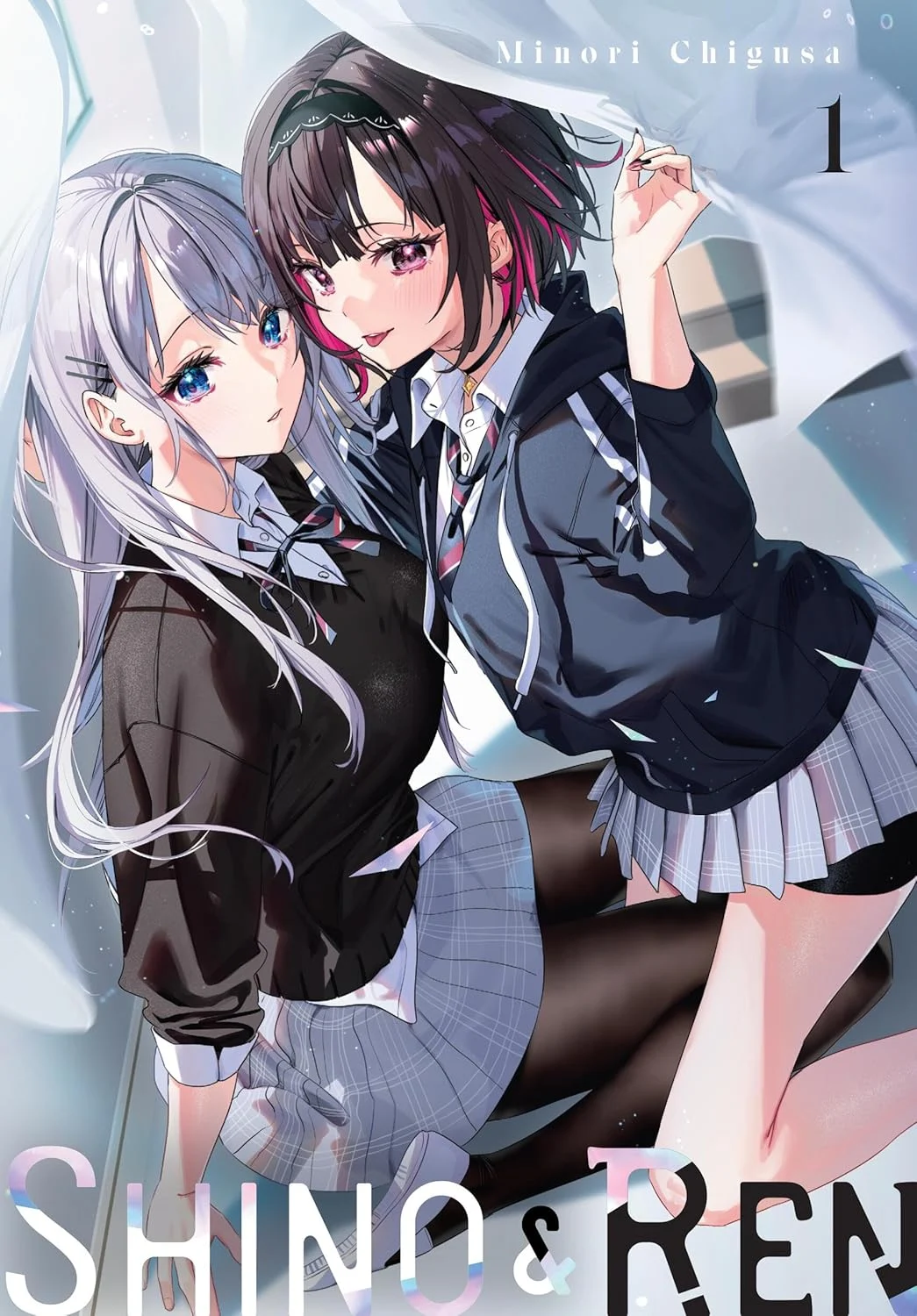
"Shino & Ren," the celebrated Japanese yuri manga series, has captivated audiences with its nuanced portrayal of an established relationship between two young women, offering a blend of emotional depth and artistic sensuality. Penned and illustrated by the talented Minori Chigusa, the series embarked on an unconventional journey, beginning its serialization on Chigusa’s personal social media platform in November 2021. This digital genesis quickly garnered a significant following, paving the way for its eventual compilation into five physical volumes by the reputable publisher Media Factory as of February 2026, marking a significant milestone in its publishing trajectory. The narrative universe of "Shino & Ren" further expanded with a light novel adaptation titled "Shino & Ren Future," crafted by Tsuzuro Hibi and featuring illustrations by Chigusa herself. This adaptation, published by Fujimi Shobo under its esteemed Fujimi Fantasia Bunko imprint, has seen the release of two volumes as of October 2025, solidifying the franchise’s multi-platform appeal. Recognizing its burgeoning international popularity and critical acclaim, the English translated edition of the manga has been officially licensed by Yen Press, a leading publisher of Japanese manga and light novels in the Western market, signaling its global reach and commercial viability.
The Genesis and Evolution of a Digital Sensation
The journey of "Shino & Ren" from a grassroots social media project to a commercially successful, multi-format franchise underscores a significant shift in the modern publishing landscape. Minori Chigusa’s decision to initially release the series on social media in November 2021 allowed for direct engagement with readers, fostering an organic community around the budding narrative. This approach, increasingly common among new and independent creators, provides a low-barrier entry point into the competitive manga industry, enabling artists to test concepts, refine their craft, and build a fanbase before attracting traditional publishers. The rapid accumulation of five compiled volumes by Media Factory by February 2026 speaks volumes about the series’ critical and commercial reception. Media Factory, a division of Kadokawa Corporation, is a prominent publisher known for its diverse portfolio of manga, light novels, and magazines, and their investment in "Shino & Ren" signifies a strong belief in its market potential.
The expansion into a light novel series, "Shino & Ren Future," further illustrates the franchise’s robust appeal. Light novels, characterized by their blend of prose and illustrations, often serve as complementary narratives or deeper explorations of existing manga universes. The choice of Tsuzuro Hibi as the writer, under Chigusa’s illustrative guidance, ensures continuity in artistic vision while introducing a fresh narrative voice. Fujimi Shobo, particularly its Fujimi Fantasia Bunko imprint, is renowned for publishing popular fantasy, science fiction, and romance light novels, a testament to the series’ crossover appeal and its ability to attract a broad readership beyond the traditional manga demographic. The release of two light novel volumes by October 2025 demonstrates a consistent production schedule and a dedicated readership for this spin-off.
The licensing of the English translated edition by Yen Press is a pivotal development for the series’ international presence. Yen Press has a proven track record of introducing high-quality Japanese manga and light novels to English-speaking audiences, making it a key player in the global distribution of East Asian popular culture. Their acquisition of "Shino & Ren" suggests a confident assessment of its appeal to Western readers, particularly within the growing yuri and LGBTQ+ fiction markets. This global distribution not only expands the series’ fanbase but also contributes to the broader diversification and internationalization of the yuri genre.
Narrative Innovation and Character Dynamics
"Shino & Ren" distinguishes itself from many romance narratives by commencing with the protagonists already ensconced in a relationship. This deliberate choice subverts the conventional "will-they-or-won’t-they" tension, instead shifting the focus to the complexities, nuances, and ongoing development inherent in an established romantic partnership. This narrative structure allows Minori Chigusa to explore themes of relationship maintenance, intimacy, communication, and the evolution of individual identities within a shared bond, rather than merely the initial spark or the challenges of confession. Intriguingly, the background narrative detailing how Shino and Ren first came together is strategically reserved for the final chapter of the compiled volumes, functioning as a retrospective prequel. This structural choice provides readers with a deeper understanding of the characters’ foundational dynamics and personal histories, enriching their appreciation of the ongoing relationship depicted throughout the preceding chapters.
Central to the series’ appeal is the compelling and often playful dynamic between Shino and Ren, characterized by a "top who seems like a bottom and a bottom who seems like a top." This subversion of traditional power roles and expectations within a relationship creates a rich tapestry of interactions, fostering constant teasing and a fluctuating "upper hand." Initially, Ren is presented as the more confident and forthright of the two, often taking the lead in their interactions and exhibiting a bolder demeanor. However, as the narrative unfolds, these roles fluidly shift, revealing layers of vulnerability and assertiveness in both characters. It gradually becomes evident that despite Ren’s initial outward confidence, Shino possesses a deeper, perhaps more subtle, influence over their dynamic, often expressed through her quiet timidity which paradoxically draws out Ren’s protective or playful instincts. This intricate interplay prevents the relationship from becoming static, ensuring that the characters continually surprise each other and the reader, adding significant depth to their emotional bond. The exploration of these fluid roles offers a realistic portrayal of human relationships, where power dynamics are rarely fixed and are instead influenced by context, emotional states, and individual growth.
Artistic Vision and Thematic Depth
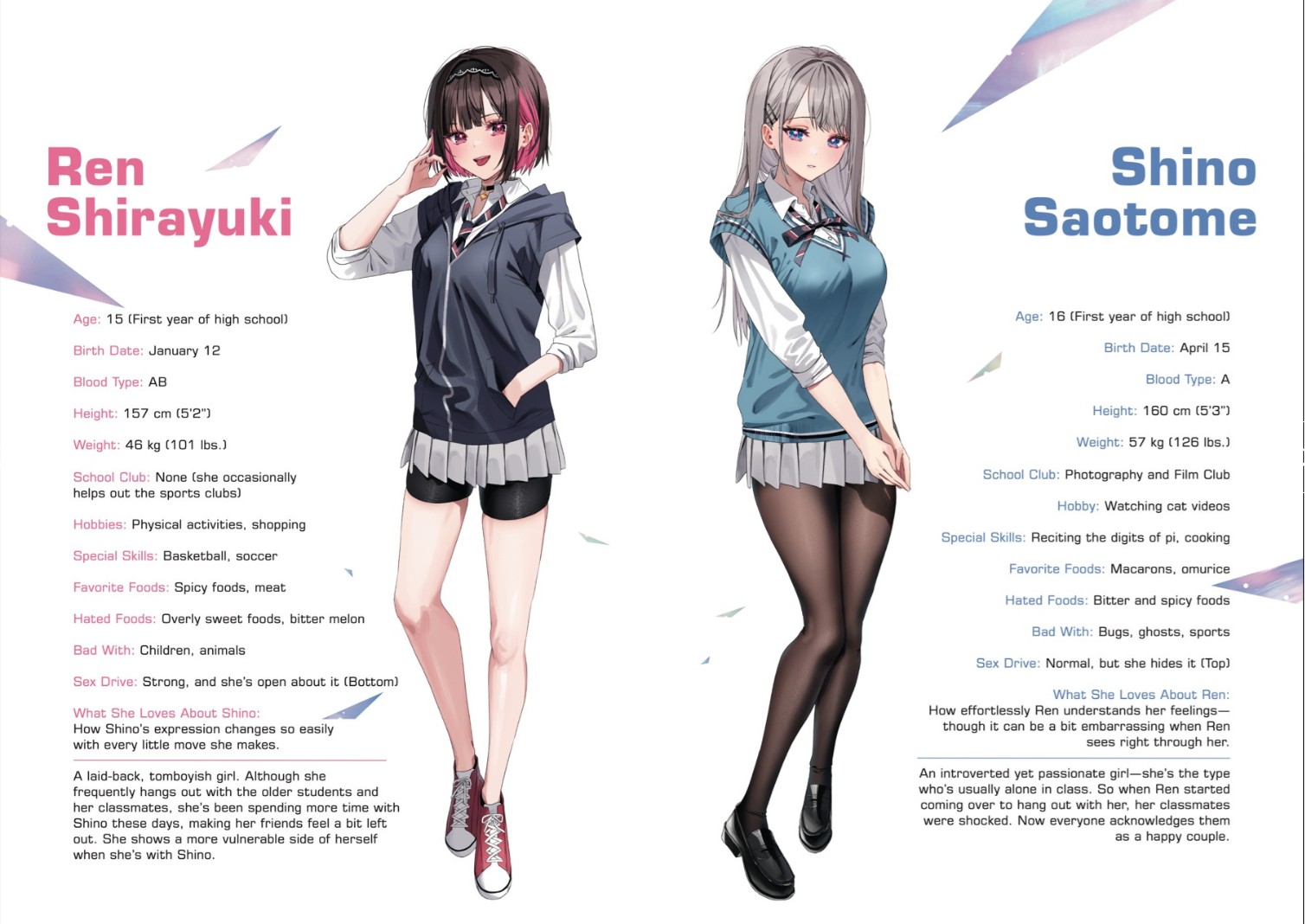
Minori Chigusa’s artistic approach in "Shino & Ren" is a meticulously crafted fusion that navigates between the "kawaii" (cute), the subtly "pedantic," and the overtly "sensual." The visual storytelling is characterized by a prevalence of "silly faces," a common manga trope used to convey exaggerated emotions, comedic relief, or moments of lightheartedness. This element serves to humanize the characters and provide a counterpoint to the more intimate or serious moments, creating a balanced emotional landscape. The sensual aspect of the series finds its "apogee" in the exquisite colored full-page illustrations that conclude each chapter. These illustrations are not merely decorative; they are integral to the narrative’s thematic exploration, often depicting moments of heightened intimacy, emotional resonance, or suggestive allure.
While eroticism "permeates the pages," Chigusa masterfully employs suggestion rather than explicit portrayal for much of the series. This artistic choice allows for a more sophisticated engagement with the theme of desire, inviting readers to infer and imagine, thereby enhancing the emotional impact without resorting to overt explicitness. An exception to this delicate balance occurs in the last chapter preceding the prequel, where the eroticism becomes more "apparent" in the full-page illustrations, indicating a narrative peak or a deeper dive into the physical aspects of their bond.
The deliberate choice of settings further intensifies the thematic undercurrents. Locations such as the swimming pool, the gym, Shino’s private room, and even the nurse’s office are imbued with symbolic weight, frequently pointing towards "erotic fantasies" or scenarios that facilitate intimate interactions. These settings are not just backdrops; they become active participants in the narrative, subtly influencing the characters’ actions and emotions, and amplifying the sensual tension. For instance, the vulnerability associated with swimwear at a pool or the physical exertion in a gym can naturally lend themselves to scenes of heightened awareness of the body and close proximity. Conversely, the inclusion of specific occasions like New Year’s Day and Valentine’s Day serves a crucial function in grounding the narrative in more conventional romantic progression. These moments highlight the ceremonial and emotional milestones within a relationship, allowing the characters to express their affection and commitment in "more grounded terms," thus balancing the series’ sensual elements with genuine emotional development. This dual approach ensures that "Shino & Ren" is not merely a collection of titillating scenes but a comprehensive exploration of a romantic relationship in its various facets.
Publication Quality and Aesthetic Presentation
The physical presentation of "Shino & Ren" volumes reflects a commitment to high-quality production, enhancing the overall reader experience. A distinctive feature noted is that the "manga actually starts from the interior of the cover," a design choice that maximizes space and immediately immerses the reader into the story upon opening the book. This unconventional layout suggests a thoughtful approach to the physical artifact itself, treating it as an integral part of the artistic delivery.
The visual aesthetic of the series is further defined by its varied use of color. While the black-and-white pages, occasionally accented with "slight splashes of blue," are described as having room for improvement, the pages featuring a "yellow background" are noted as being more effective. However, it is the "full color ones" that unequivocally "steal the show," being both "impressive" in their artistry and "numerous" in their quantity. These vibrant, full-color spreads often coincide with the aforementioned chapter-ending illustrations, serving as visual climaxes that underscore key emotional or sensual moments.
Minori Chigusa pays meticulous "special attention" to the appearance of both Shino and Ren, detailing their "hair, clothes, and even nails" with precision. These elements are not merely aesthetic details; they "occasionally becom[e] part of the narrative," perhaps reflecting character moods, stylistic choices, or even symbolic representations within the story. For example, a change in hairstyle or a particular outfit might signify a shift in a character’s emotional state or their role in a given interaction. Interestingly, the artistic "focus seems to be a bit more on Ren," which could be a deliberate choice to highlight her initial assertiveness, her more expressive nature, or to subtly guide the reader’s attention to her perspective within the relationship’s evolving dynamic. Despite this slight emphasis, the overall "edition looks particularly well," characterized by "good quality paper and an overall heavier print." These material attributes contribute to a tactile and visually satisfying reading experience, positioning the physical volumes as premium items for collectors and enthusiasts.
Market Impact and Broader Implications
The success of "Shino & Ren" carries significant implications for the yuri manga genre and the broader publishing industry. Its journey from social media serialization to a multi-platform franchise, encompassing both manga and light novel adaptations with international licensing, serves as a compelling case study for modern content creation and distribution. This trajectory demonstrates the power of digital platforms in nurturing new talent and generating organic interest, which can then be leveraged into traditional publishing success. The series’ ability to appeal to both Japanese and international audiences, as evidenced by Yen Press’s licensing, highlights a growing global appetite for diverse narrative explorations of LGBTQ+ relationships within popular media.
By focusing on an established relationship and subverting common character tropes, "Shino & Ren" contributes to the evolution of the yuri genre, moving beyond simple romance narratives to explore the deeper complexities of intimacy and partnership. Its blend of "kawaii," "pedantic," and "sensual" elements, combined with high-quality artistic execution, offers a rich and multifaceted reading experience that resonates with a broad demographic. The series proves that narratives exploring female-female relationships can achieve commercial success and critical acclaim while pushing artistic boundaries in terms of thematic depth and visual storytelling. Ultimately, "Shino & Ren" achieves its goal of "titillat[ing]" its audience through its sensual aesthetic, but crucially, it simultaneously incorporates "enough elements that move away from sensualism, adding depth to the book," solidifying its place as a significant and well-rounded contribution to contemporary yuri literature.