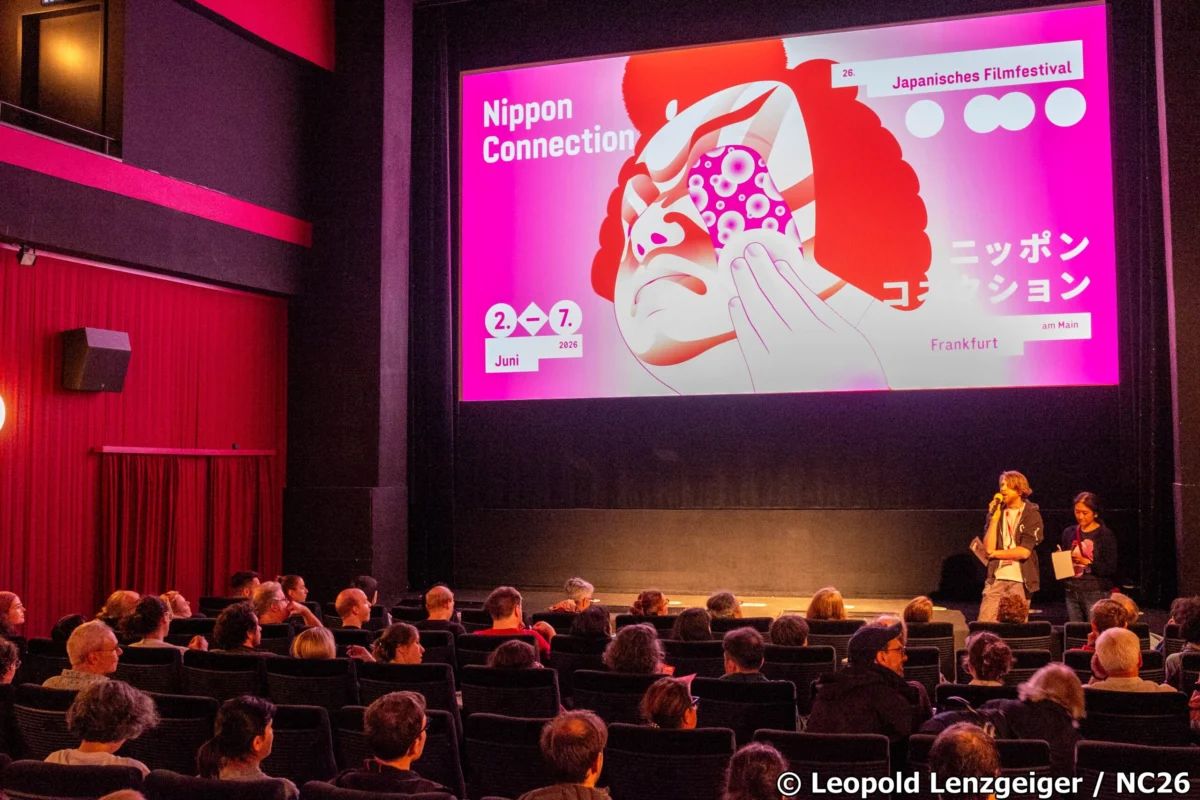
The Nippon Connection Film Festival, a globally recognized pillar of Japanese cinematic and cultural exchange, has officially announced its return to Frankfurt am Main from June 8 to 13, 2027. This eagerly anticipated 27th edition follows a remarkable 26th installment that set new benchmarks with an estimated 21,000 visitors, solidifying its position as the world’s largest festival dedicated to Japanese cinema. The forthcoming festival is poised to once again immerse attendees in the rich tapestry of Japanese arts, presenting an extensive program of over 100 Japanese films, complemented by a diverse array of concerts, workshops, lectures, art exhibitions, and a vibrant Japanese market. The festival’s core activities will be primarily hosted at its established main venues, Künstler*innenhaus Mousonturm and Produktionshaus NAXOS, central to Frankfurt’s dynamic cultural landscape.
The decision to adjust the festival dates from its originally planned late May schedule to early June was a strategic move by the organizers. This proactive change directly addresses potential logistical challenges and visitor inconvenience that would have arisen from the UEFA Europa League Final, which is slated to take place in Frankfurt on May 26, 2027. The organizers emphasized that the new dates are designed to significantly ease travel planning and accommodation arrangements for the myriad of filmmakers, industry professionals, and international guests who contribute to and attend the festival annually. This demonstrates a clear commitment to ensuring an accessible and smooth experience for all participants, prioritizing the festival’s global reach and reputation.
A Legacy of Cultural Exchange: The Evolution of Nippon Connection
The Nippon Connection Film Festival boasts a compelling history rooted in academic initiative and cultural passion. Founded in 2000 by a group of dedicated students at Goethe University Frankfurt, the festival emerged from a desire to introduce the vibrant and diverse world of Japanese cinema to a broader German and European audience. What began as a modest student project, driven by a profound appreciation for Japanese filmmaking beyond mainstream perceptions, has blossomed over more than two decades into an internationally acclaimed event.
From its humble beginnings, the festival quickly gained traction, expanding its scope year after year. Its growth trajectory is a testament to the enduring appeal of Japanese culture and the dedicated efforts of its volunteer-based organizing team. The festival’s mission extends beyond mere film screenings; it aims to foster a deeper understanding of Japan’s complex society, its artistic expressions, and its contemporary challenges through the lens of its cinema and accompanying cultural program. This holistic approach has allowed Nippon Connection to cultivate a unique identity, distinguishing itself from other film festivals by offering an unparalleled deep dive into Japanese cultural nuances.
Over the years, Nippon Connection has steadily increased its film offerings, introduced diverse thematic focuses, and expanded its cultural program to include a wide spectrum of interactive experiences. This continuous evolution has cemented its status as not just a film festival, but a comprehensive cultural platform. Its consistent growth in visitor numbers and international participation underscores its critical role in cross-cultural dialogue and its significance as a major annual event on the global festival circuit. The festival’s sustained success is also reflected in its ability to attract significant media attention and secure partnerships with various cultural institutions, both within Germany and internationally.
Setting New Records: The Success of the 26th Edition
The recently concluded 26th edition of the Nippon Connection Film Festival served as a powerful testament to its growing influence and public appeal. Attracting approximately 21,000 visitors, it not only surpassed previous attendance figures but also reinforced the festival’s capacity to engage a broad and enthusiastic audience. This record-breaking turnout speaks volumes about the meticulous curation of its program, the appeal of its diverse offerings, and the unwavering dedication of its organizers and volunteers.
The success of the 26th edition can be attributed to several factors. A thoughtfully assembled film program, likely featuring a blend of critically acclaimed works, independent discoveries, genre highlights, and retrospective pieces, undoubtedly resonated with cinephiles. Furthermore, the accompanying cultural program—encompassing traditional and contemporary Japanese music, dance, culinary workshops, calligraphy classes, manga drawing sessions, and interactive exhibitions—provided multifaceted entry points for visitors of all ages and interests. The vibrant Japanese market, a perennial favorite, offered a sensory experience with authentic Japanese food, merchandise, and crafts, contributing significantly to the festival’s immersive atmosphere.
This surge in attendance not only highlights the increasing global interest in Japanese cinema and culture but also solidifies Nippon Connection’s reputation as a well-managed and impactful cultural institution. The positive momentum generated by the 26th edition sets a high standard and creates considerable anticipation for the 27th installment, underscoring the organizers’ commitment to maintaining and exceeding these levels of engagement and cultural enrichment. The robust visitor numbers are also a strong indicator of the festival’s economic impact on Frankfurt, drawing tourists and boosting local businesses in the hospitality and retail sectors.
Strategic Date Shift: Navigating Frankfurt’s Event Landscape
The decision to reschedule the 27th Nippon Connection Film Festival from late May to June 8-13, 2027, is a prime example of strategic planning in the face of major concurrent events. The UEFA Europa League Final, a high-profile international football event, is scheduled for May 26, 2027, in Frankfurt. Such an event places immense strain on a city’s infrastructure, particularly in terms of accommodation, transportation, and security resources.
Hosting two major international events simultaneously would inevitably lead to significant logistical complications. Hotel rooms would be scarce and exorbitantly priced, making it challenging and expensive for filmmakers, industry guests, and international attendees to find suitable lodging. Public transportation networks would likely be overwhelmed, affecting ease of access to festival venues. Furthermore, city-wide security measures for a UEFA Final would divert essential personnel and resources, potentially impacting the smooth operation of the film festival.
By proactively shifting the dates, the Nippon Connection organizers demonstrate foresight and a deep understanding of the practicalities involved in hosting an international festival. This move ensures that attendees will face fewer travel and accommodation difficulties, making the festival more accessible and enjoyable. It also allows the festival to operate without competing for public attention or city resources, ensuring that the focus remains squarely on its cultural offerings. "Our primary goal is to provide an optimal experience for everyone involved," a spokesperson for the Nippon Connection organizers might logically infer, "and by adjusting our dates, we mitigate potential conflicts, ensuring that our guests, artists, and partners can participate without undue stress or prohibitive costs. This strategic decision underscores our commitment to accessibility and quality." This flexibility underscores the festival’s adaptability and dedication to its audience and participants.
Anticipating the 27th Edition: Program Development and Submission Process
As the 27th Nippon Connection Film Festival approaches, the anticipation for its program, guest list, and thematic focus is steadily building. The organizers have indicated that further details regarding these crucial elements will be unveiled in spring 2027. This phased announcement strategy allows for meticulous curation and ensures that the final program is both comprehensive and compelling, reflecting the latest trends and enduring classics in Japanese cinema.
The program development process is a complex undertaking, involving extensive research, review of submissions, and coordination with filmmakers, distributors, and cultural institutions worldwide. The festival’s diverse sections typically include Nippon Cinema (contemporary feature films), Nippon Animation (a celebration of Japan’s world-renowned animation industry), Nippon Visions (showcasing experimental and independent works), Nippon Retro (historical and influential films), and Nippon Culture (the non-cinematic cultural events). The thematic focus, a hallmark of Nippon Connection, often provides a deeper analytical lens through which to explore specific aspects of Japanese society or artistic movements, offering audiences a more structured and thought-provoking viewing experience.
For filmmakers aspiring to have their work showcased at this prestigious event, the submission window is a critical period. Film submissions for the 27th edition are expected to open in mid-October 2026. Aspiring participants will be able to submit their works through the official Nippon Connection website, a streamlined process designed to facilitate broad participation from both established and emerging talents in Japanese cinema. This early announcement of the submission period provides filmmakers ample time to prepare their entries, ensuring a diverse pool of films for consideration. The open submission policy is crucial for discovering new voices and independent productions that might not otherwise gain international exposure.
Year-Round Engagement: Extending the Festival’s Reach
Beyond its annual six-day spectacular, Nippon Connection maintains a vibrant presence throughout the year, fostering continuous engagement with Japanese culture and cinema across the Rhine-Main region and beyond. These year-round activities are integral to the festival’s mission of cultural dissemination and community building.
One of the standout initiatives is Animotion – Anime in Frankfurt, a monthly screening series held at the Eldorado Arthouse Kino. This program caters to the immense and ever-growing fan base of Japanese animation, offering regular opportunities to experience a curated selection of anime films on the big screen. Anime, a global cultural phenomenon, spans a vast array of genres and themes, from fantastical adventures to poignant dramas, and Animotion ensures that Frankfurt’s audiences have consistent access to this dynamic art form. These screenings often include both popular titles and lesser-known gems, accompanied by discussions or contextual information, enriching the viewing experience for enthusiasts and newcomers alike.
Furthermore, Nippon Connection continues to extend the reach of its 2026 thematic focus, Shades of Reality – Between Truth and Fiction, through additional screenings across the Rhine-Main region. This initiative allows audiences who may not have attended the main festival, or those who wish to delve deeper into the theme, to engage with the selected films in various local venues. Thematic focuses are carefully chosen to explore complex societal or artistic questions, and by offering these screenings regionally, the festival promotes intellectual discourse and cultural appreciation across a wider geographical area. This strategy ensures that the insights and discussions generated by the thematic focus resonate beyond the confines of the main festival dates.
A significant cultural highlight is the series of free retrospective screenings dedicated to the legendary actor Tatsuya Nakadai at the Japan Foundation in Cologne. These screenings will continue through the end of July, offering a rare opportunity for audiences to explore the illustrious career of one of Japan’s most iconic actors. Tatsuya Nakadai, renowned for his powerful performances in masterpieces by Akira Kurosawa (such as Ran, Kagemusha, and High and Low) and Masaki Kobayashi (Harakiri, The Human Condition), has left an indelible mark on Japanese and world cinema. Retrospectives like this are vital for preserving cinematic heritage, educating new generations about film history, and celebrating the contributions of towering figures in the industry. The collaboration with the Japan Foundation, a key institution for Japanese cultural exchange, further amplifies the reach and impact of this tribute, making it accessible to a broader audience interested in classic Japanese cinema.
Broader Impact and Implications
The Nippon Connection Film Festival’s annual event and year-round activities generate significant economic and cultural benefits. Economically, the festival serves as a major draw for tourism in Frankfurt and the Rhine-Main region. Thousands of visitors, both domestic and international, contribute to the local economy through hotel stays, restaurant dining, shopping, and use of public transport. This influx of visitors provides a substantial boost to the hospitality and service sectors, particularly during the festival week.
Culturally, Nippon Connection plays a crucial role in cultural diplomacy, fostering mutual understanding and appreciation between Germany and Japan. By showcasing the depth and breadth of Japanese artistic expression, the festival breaks down stereotypes and builds bridges between diverse communities. It serves as a vital platform for Japanese filmmakers, particularly independent artists, to gain international exposure and connect with European audiences and industry professionals. This exposure can be instrumental in securing distribution deals, collaborative projects, and further festival invitations, thereby boosting the careers of Japanese artists.
For the audience, the festival offers a unique and immersive experience that goes beyond passive viewing. The blend of film screenings with interactive workshops, lectures, and performances creates an engaging environment where participants can actively learn about and experience Japanese culture. This comprehensive approach enriches the cultural landscape of Frankfurt and contributes to the city’s reputation as a vibrant, internationally-oriented cultural hub. The consistent growth and strategic planning demonstrated by Nippon Connection underscore its enduring importance as a cultural institution dedicated to celebrating and sharing the rich heritage of Japan with the world.