The Berlin Film Festival Platform: A Stage for Bold Visions
The selection of "Members of the Problematic Family" for the Berlin Film Festival underscores the festival’s enduring commitment to showcasing diverse, challenging, and often experimental cinema from around the globe. Berlinale, one of the "Big Three" international film festivals alongside Cannes and Venice, is renowned for its emphasis on arthouse films, social commentary, and nurturing new directorial talent. Its platform provides significant international exposure for films that might otherwise struggle to find a wide audience, especially those from non-Western cinematic traditions or those that deliberately eschew commercial appeal. For a debut feature like Gowtham’s, a Berlinale premiere is a monumental achievement, signaling critical recognition and an invitation to engage with a global audience prepared for intellectually stimulating, rather than purely entertaining, cinematic experiences. The festival’s history is replete with examples of films that initially puzzled audiences or defied easy categorization, only to later be recognized as groundbreaking works. Gowtham’s film appears poised to join this lineage, leveraging the festival’s reputation as a crucible for cinematic innovation.
Unraveling the Narrative: A Non-Linear Descent into Discomfort
The film’s narrative structure is as fragmented and disorienting as the family it portrays, deliberately eschewing a straightforward chronological progression. It primarily unfolds across two distinct, yet intertwined, timelines that refuse to offer clarity or conventional exposition.
The Funeral: A Microcosm of Chaos
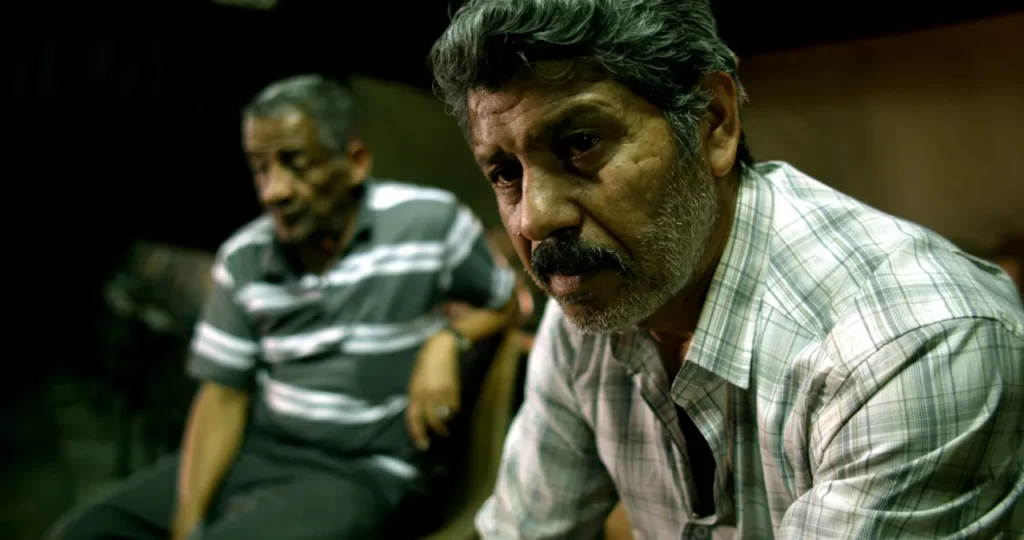
The primary narrative thread opens with the sudden death of young Prabha (A. Ra. Ajith Kumar) and thrusts the viewer directly into the ensuing chaos of his funeral preparations. His uncle, Sellam (Karuththadaiyaan), is tasked with the unenviable responsibility of organizing the proceedings and rituals. Assisted by his other nephews, Mugil and Dinesh, Sellam’s efforts are constantly undermined by an unrelenting barrage of quarrels and altercations among the family members. These aren’t just minor disagreements; they are intense, often violent verbal and physical confrontations that punctuate every attempt at solemnity. The atmosphere is less one of shared grief and more of barely contained animosity, a powder keg waiting to explode. Sellam’s palpable dread of the traditional funeral feast, anticipated as the culmination of these arguments, encapsulates the pervasive tension. From the initial scene where Mugil and Dinesh pick up their uncle from the hospital, the air is thick with disorganization and stress, setting a frantic, almost feverish tone that defines the film’s immediate impact. This segment serves as a stark, almost documentary-like observation of a family pushed to its breaking point by grief, obligation, and deep-seated resentments.
Prabha’s Life: The Genesis of Antagonism
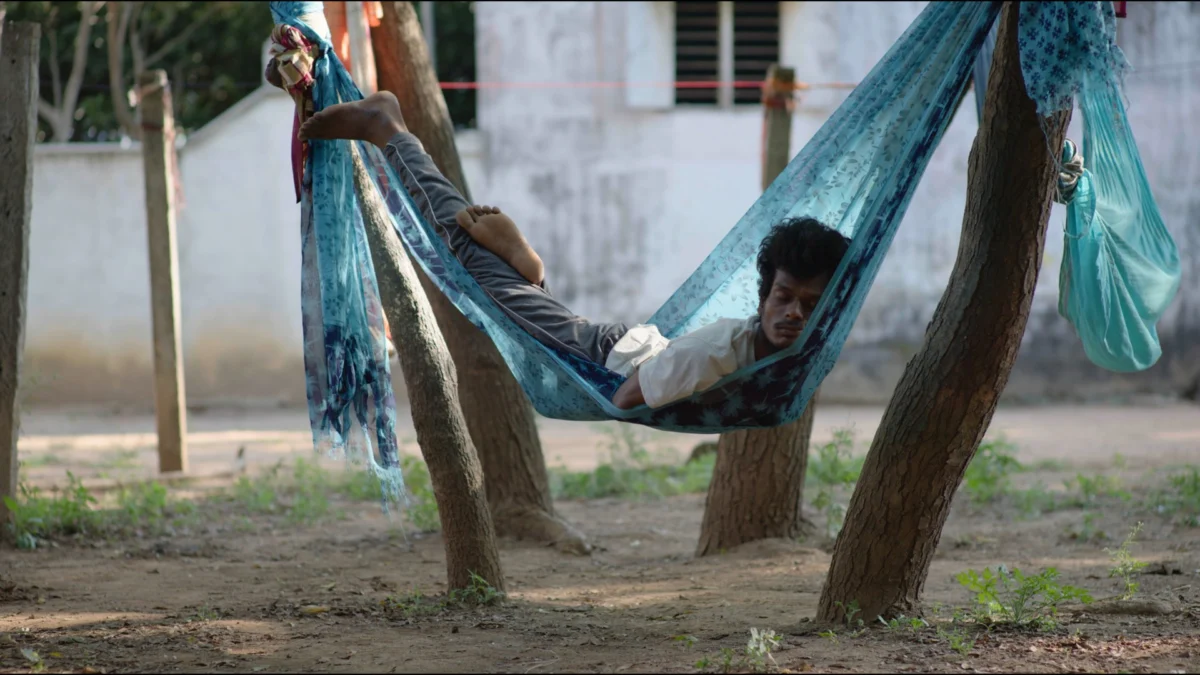
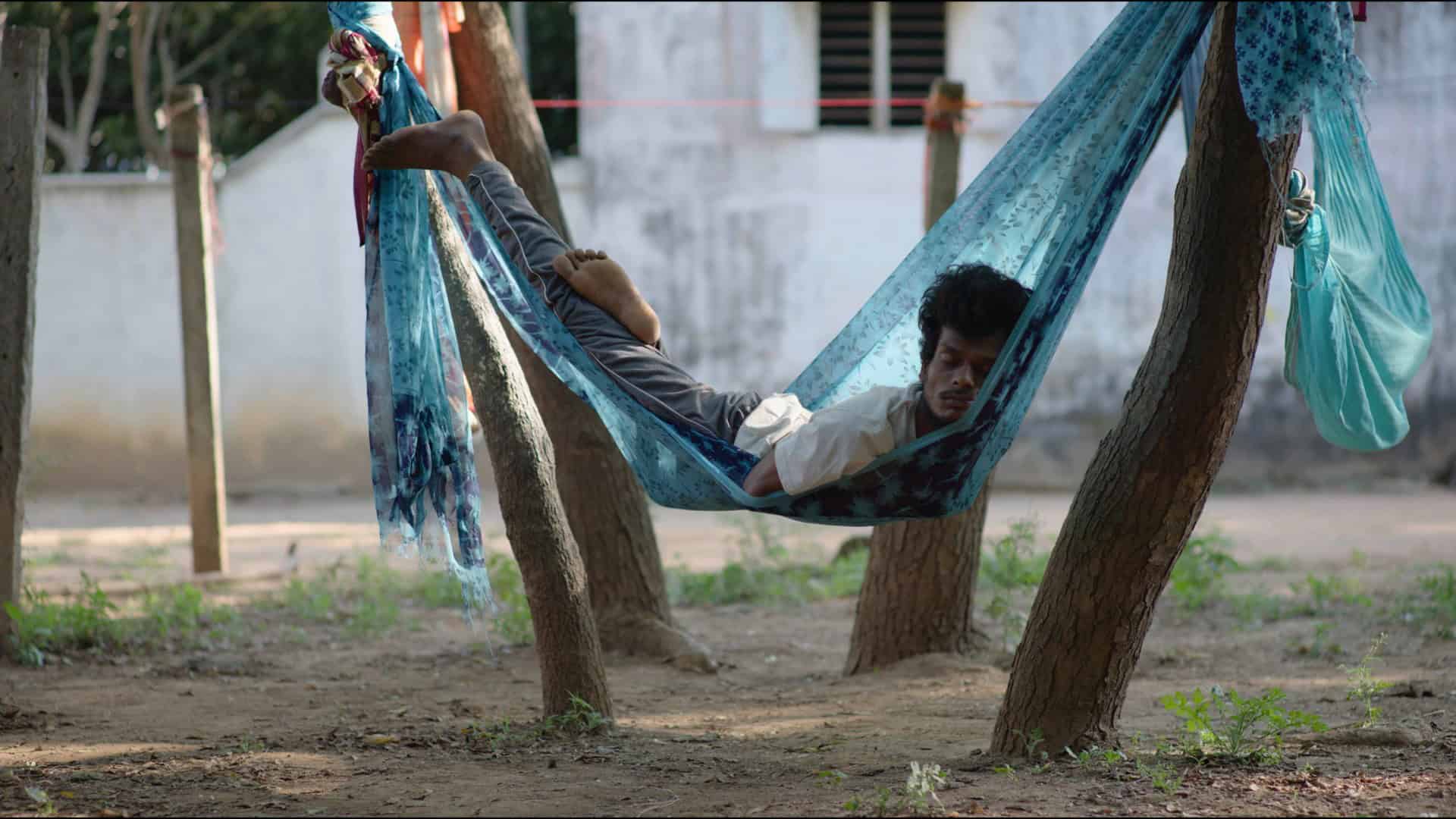
Interspersed with the funeral sequence are flashbacks to the days leading up to Prabha’s death. These glimpses into his life, far from providing explanatory context, intensify the sense of unease. Prabha is depicted as a deeply troubled and inherently antagonistic young man. His existence is a constant struggle, marked by violent arguments with his mother, Shanthi (Kanchana), relentless conflicts with neighbors, and contentious interactions with Sellam, his employer. Prabha’s emotional outbursts follow a disturbing pattern: discontent quickly escalates into crying and wailing, which serves as a chilling precursor to inevitable physical violence. A. Ra. Ajith Kumar’s portrayal of Prabha is central to the film’s unsettling power. He embodies a menacing force, seemingly deriving pleasure from tormenting his family members. One particularly shocking scene depicts Prabha laughingly shaving off his grandfather’s beloved mustache, an act of cruel disrespect that drives the old man to attempt suicide. Prabha’s utter indifference to the profound distress he causes further cements his character as a deeply disturbing figure. These flashbacks do not clarify "why" Prabha is the way he is; instead, they merely illustrate the extent of his destructive nature, solidifying the audience’s discomfort rather than offering empathetic understanding. The ambiguity surrounding his grandfather’s exact relation to Prabha (indicated by a question mark in the original text) further emphasizes the film’s deliberate resistance to providing clear, conventional relational maps, mirroring Gowtham’s stated intention to prevent full audience comprehension.
Cinematic Craftsmanship: Amplifying the Unease
The technical aspects of "Members of the Problematic Family" are meticulously crafted to enhance the film’s unsettling atmosphere and narrative ambiguity. The choices made by the creative team are not merely stylistic; they are integral to the film’s thematic core.
Editing and Cinematography: A Documentary Lens
Editor Ganesh Nandhakumar and cinematographer Siddharth Kathir play crucial roles in shaping the film’s distinctive aesthetic. Nandhakumar’s editing is characterized by a deliberate disjuncture, mirroring the fragmented nature of the family’s relationships. The rapid cuts, abrupt transitions between timelines, and the refusal to linger on moments of emotional release contribute to the "feverish atmosphere." This editing style keeps the audience perpetually off-balance, reflecting the characters’ own disarray. Siddharth Kathir’s cinematography complements this by adopting a style that frequently gives the film a "documentary-like look." Handheld camera work, naturalistic lighting, and close-ups that emphasize raw, unfiltered emotions immerse the viewer directly into the chaotic events. This vérité approach blurs the line between fiction and reality, making the depicted conflicts feel intensely immediate and uncomfortably authentic. It prevents the audience from maintaining a safe distance, forcing them to confront the raw, unvarnished ugliness of the family’s internal strife. The visual language itself becomes a character, communicating the oppressive tension and emotional volatility that permeates every scene.
A. Ra. Ajith Kumar’s Unforgettable Performance
A. Ra. Ajith Kumar’s performance as Prabha is, without doubt, one of the film’s most talked-about elements. His portrayal is described as "fearless," a testament to his willingness to embody a character so thoroughly devoid of conventional redeeming qualities. Prabha is not just a troubled youth; he is a force of nature, a vortex of negativity that pulls everyone around him into conflict. Kumar’s ability to convey this menace, coupled with the unsettling laughter and sudden violent outbursts, makes his scenes incredibly memorable, albeit "shocking and discomforting." His performance is a masterclass in portraying antagonistic charisma, forcing viewers to grapple with the uncomfortable truth that some individuals thrive on discord, seemingly without remorse. This performance anchors the film’s central theme: the inherent inscrutability of human behavior and the complex, often toxic, dynamics that can exist within the most fundamental social unit—the family.
Deeper Implications: Beyond the Problematic Family
Gowtham’s film extends beyond a mere character study or family drama; it functions as a potent commentary on broader societal issues, subtly woven into the fabric of its intimate narrative.
Challenging Traditional Family Narratives
At its core, "Members of the Problematic Family" is a profound deconstruction of the idealized notion of family. Traditional narratives often portray family as a source of unconditional love, support, and belonging. Gowtham shatters this illusion, highlighting "exploitation, violence, and distrust" as fundamental components of these relationships. While violating the norms defining family in the most traditional sense, the director paradoxically emphasizes the deep emotional connections that exist, albeit ones far less affectionate than typically expected. This contradiction is key: the characters are inextricably bound by blood and history, even if their interactions are predominantly hostile. The film suggests that the label "problematic" only scratches the surface, offering a convenient categorization that allows observers to maintain a "safe distance" without truly engaging with the intricate, often painful, reality beneath. It forces a re-evaluation of what constitutes a "family" and how enduring, even toxic, bonds can persist despite constant antagonism. This perspective is particularly resonant in societies where familial ties are often considered paramount and immutable.
Social Cohesion and the Bystander Effect
Beyond the internal family dynamics, the film offers a subtle yet scathing critique of social cohesion, or rather, the lack thereof. The reactions of Prabha’s surroundings to his violent outbursts are particularly telling. His most aggressive and shameful actions are met with little more than "momentary outrage." An intense fistfight between Prabha and Sellam unfolds, yet it feels "isolated" and is "seemingly ignored by whoever witnesses the event unfolding." This portrayal points to a disturbing societal apathy, where communal responsibility and intervention are conspicuously absent. It reflects a breakdown in social solidarity, where individuals become detached observers, unwilling or unable to intervene in escalating conflicts, even those that spill into the public sphere. This lack of intervention underscores a broader implication about the erosion of community bonds and the increasing normalization of interpersonal violence, where conflict becomes an accepted, if uncomfortable, part of daily life. The film thus transcends its immediate family narrative to touch upon larger questions of collective responsibility and the social fabric’s resilience.
Contextualizing Tamil Cinema and Debut Features
Tamil cinema, often referred to as Kollywood, boasts a vibrant history of storytelling that frequently blends commercial appeal with strong social and political undertones. From the early days of M.G. Ramachandran’s populist narratives to contemporary directors exploring complex societal issues, Tamil films have often served as a mirror to Dravidian culture, politics, and social structures. Gowtham’s "Members of the Problematic Family" fits within this tradition of socially conscious filmmaking, albeit with a highly experimental and challenging aesthetic. While many Tamil films tackle family dynamics, they often do so with a clear moral compass or a redemptive arc. Gowtham’s work, by contrast, resists such easy categorization, pushing the boundaries of what is acceptable and comprehensible within the genre.
It is common for debut feature directors to choose family drama as their subject, as it allows for an intimate exploration of human relationships with often limited resources. However, many first-time filmmakers struggle to capture the true complexity of these bonds, often resorting to clichés or simplistic resolutions. Gowtham, by deliberately embracing ambiguity and discomfort, actively subverts this trend. His film stands as an example of a debut that not only tackles a familiar genre but also redefines its parameters, demonstrating a mature and confident artistic vision from the outset. This deliberate choice to present an "incomplete" picture is a bold statement, distinguishing him from peers who might prioritize audience comfort or conventional narrative structures.
The "Submit Your Film" Initiative: Nurturing New Voices
The mention that "Members of the Problematic Family review is part of the Submit Your Film Initiative" provides crucial context regarding the film’s genesis and its pathway to wider recognition. Such initiatives are vital platforms for independent and emerging filmmakers, particularly in regions with established but often commercially driven film industries. These programs typically offer opportunities for aspiring directors to gain exposure, secure funding, or receive critical feedback on their work, often facilitating their entry into prestigious film festivals. For Gowtham, this initiative likely provided the necessary support or visibility that led to his film’s selection for Berlinale. It underscores the importance of such programs in fostering diverse cinematic voices and challenging established norms, ensuring that films like "Members of the Problematic Family," which might not fit mainstream molds, still find an audience and critical attention.
Critical Reception and Lasting Impact
While the film’s initial reception has been marked by words like "sketchy, incomplete, and doubtful," these descriptors, in the context of Gowtham’s stated intentions, are less criticisms and more affirmations of his artistic success. For a director who aimed to prevent full audience understanding, achieving a sense of discomfort and ambiguity is precisely the desired outcome. The film is designed to provoke thought, to stir unease, and to force viewers to confront the messy, unresolvable aspects of human relationships rather than offering neat conclusions. This approach is likely to generate significant discussion among critics and cinephiles, solidifying its status as a polarizing yet artistically significant work. Its impact will likely resonate beyond its festival run, encouraging future filmmakers to challenge narrative conventions and explore uncomfortable truths about family and society.
Conclusion: A Mirror to Modern Kinship
"Members of the Problematic Family" is an uncompromising and profoundly disquieting family drama. Ramalingam Gowtham has crafted a film that not only captures the raw complexity of familial bonds but also dares to expose the uncomfortable realities of exploitation, violence, and distrust that can fester beneath the surface of kinship. By embracing an "incomplete" and "doubtful" narrative, Gowtham compels his audience to look beyond superficial labels and confront the inherent inscrutability of human connections. The film serves as a harsh, unvarnished mirror, reflecting the often-unspoken truths of modern family life and the societal breakdown that allows such profound dysfunction to persist. It is a cinematic experience designed not for passive consumption, but for active engagement, leaving a lasting impression that challenges preconceptions and prompts introspection long after the credits roll.