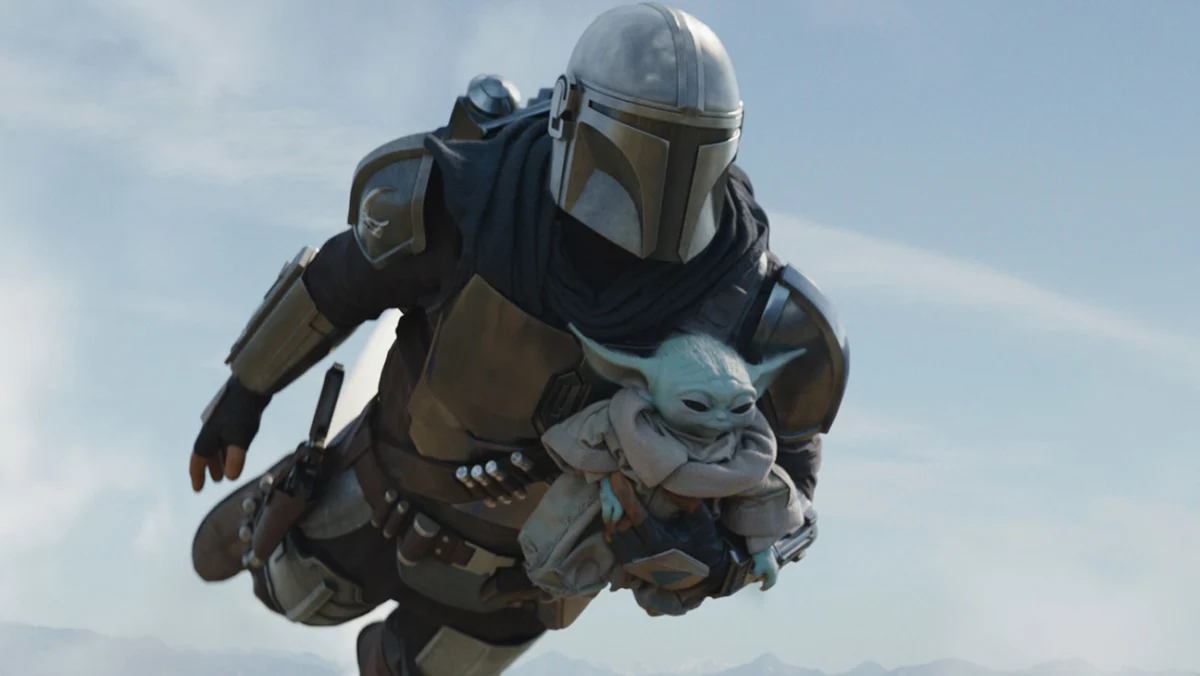
The cinematic journey for Star Wars: The Mandalorian and Grogu has officially commenced, with Lucasfilm and Disney’s latest installment in the venerated franchise securing a four-day domestic box office opening of $98 million over the extended Memorial Day holiday weekend. This figure includes an $82 million haul for the traditional three-day weekend frame, a performance that drew immediate comparisons to past Star Wars theatrical releases under Disney’s stewardship, particularly the polarizing Solo: A Star Wars Story from 2018. The film’s debut, while representing a significant sum in the current theatrical landscape, underscores the evolving dynamics of the Star Wars brand on the big screen and the broader challenges facing the global box office.
Domestic Performance and Historical Context
Star Wars: The Mandalorian and Grogu entered a holiday weekend traditionally known for launching major blockbusters, albeit one whose peak has shifted over time. The $98 million four-day domestic gross and $82 million three-day total position the film in a complex historical context for the Star Wars saga. For comparison, Solo: A Star Wars Story, which also premiered over Memorial Day weekend in 2018, opened to $103 million domestically across four days, with an $84.4 million three-day take. At the time, Solo‘s debut marked the lowest for a Star Wars film since Disney acquired Lucasfilm in 2012, a stark indicator of fan fatigue and production troubles. Now, The Mandalorian and Grogu finds itself in a similar numerical ballpark, raising questions about the franchise’s theatrical drawing power.
Disney, known for its typically conservative mid-weekend box office estimates, initially projected a $102 million four-day domestic opening for Mando on Sunday morning, buoyed by exceptionally strong audience exit polls, including an 89 percent Rotten Tomatoes audience score—reportedly the highest for any Disney-era Star Wars film. However, by Monday morning, this projection was modestly revised downwards to $100 million, before the final, definitive figure of $98 million was confirmed. This slight recalibration reflects the nuanced nature of holiday weekend tracking and the potential for audience traffic to fluctuate, especially as the extended frame winds down.
International Reception and Global Totals
The international market presented a different set of challenges and opportunities for The Mandalorian and Grogu. The sci-fi genre, while globally popular, has historically faced specific struggles in certain overseas territories, making consistent international performance more unpredictable compared to other genres like superhero films or animated features. Jon Favreau’s big-screen adaptation of his highly successful Disney+ series garnered an opening gross of $63 million through Sunday from international markets. When Monday’s earnings were factored in, the film’s global cumulative total reached $167 million by May 25.
This global figure places The Mandalorian and Grogu just slightly above its reported net production budget of $165 million, excluding significant marketing costs which can often equal or exceed the production budget for a major tentpole. This initial global sum is also on par with Solo‘s global debut of approximately $168 million. However, the financial context differs significantly: Solo carried a much heftier production budget, reportedly exceeding $265 million due to extensive reshoots and changes in directorial leadership. This higher cost structure meant Solo faced an uphill battle from the outset, ultimately losing tens of millions of dollars for Disney after topping out globally at $393 million and experiencing a precipitous drop in its second weekend. The relatively tighter budget of The Mandalorian and Grogu positions it more favorably for profitability, though its long-term theatrical trajectory remains to be seen.
The Evolution of Star Wars Under Disney
The acquisition of Lucasfilm by Disney in 2012 for $4 billion marked a new era for Star Wars, promising a revitalized slate of films. The initial offering, Star Wars: The Force Awakens (2015), shattered box office records, opening to over $257 million domestically in its first three-day weekend and ultimately grossing over $2 billion worldwide. It re-energized the fanbase and set an incredibly high bar for subsequent films. However, the path since then has been uneven.
Following The Force Awakens, Rogue One: A Star Wars Story (2016) delivered a strong performance, demonstrating the viability of standalone films. However, Star Wars: The Last Jedi (2017) proved divisive among fans, and Solo: A Star Wars Story (2018) became the franchise’s first major theatrical misstep under Disney, plagued by reports of creative differences, director changes (Phil Lord and Christopher Miller replaced by Ron Howard), and a critical reception that, while not universally negative, failed to ignite widespread enthusiasm. The film’s underperformance led Disney to publicly acknowledge that the franchise was at a "tipping point" amid growing fan discontent, a sentiment that has, to varying degrees, persisted through subsequent releases. Star Wars: The Rise of Skywalker (2019), intended as the conclusion to the Skywalker saga, also received mixed reactions and a comparatively lower box office performance than its immediate predecessors.
The decision to bring The Mandalorian to the big screen, a series that found immense success on Disney+, represents a strategic pivot. Unlike the "saga" films or previous standalone features, The Mandalorian and Grogu introduces characters and storylines that originated on the small screen, appealing to a dedicated streaming audience while potentially drawing in new viewers less tied to the decades-long cinematic lore. This approach allows Disney to differentiate Mando from the traditional Star Wars pantheon, mitigating direct comparisons to films like The Force Awakens and framing its box office performance within a different set of expectations.
The Post-Pandemic Box Office Landscape
The global pandemic fundamentally altered the theatrical distribution model and audience viewing habits, making pre-pandemic box office benchmarks largely obsolete. In this transformed environment, a $98 million four-day opening for any film is generally viewed as a commendable achievement across the industry. Major openings north of $100 million domestically have indeed become rarer. For instance, The Mandalorian and Grogu‘s performance places it as the fourth-best Memorial Day debut in the post-COVID era, notably surpassing last year’s Mission: Impossible – Dead Reckoning Part One, which opened to $79 million over the same holiday weekend. That Mission: Impossible installment, a critical darling, also faced formidable competition from Disney’s animated blockbuster Lilo & Stitch, which posted a record-smashing $182.6 million debut in its own right, highlighting the varied success stories in the current market.
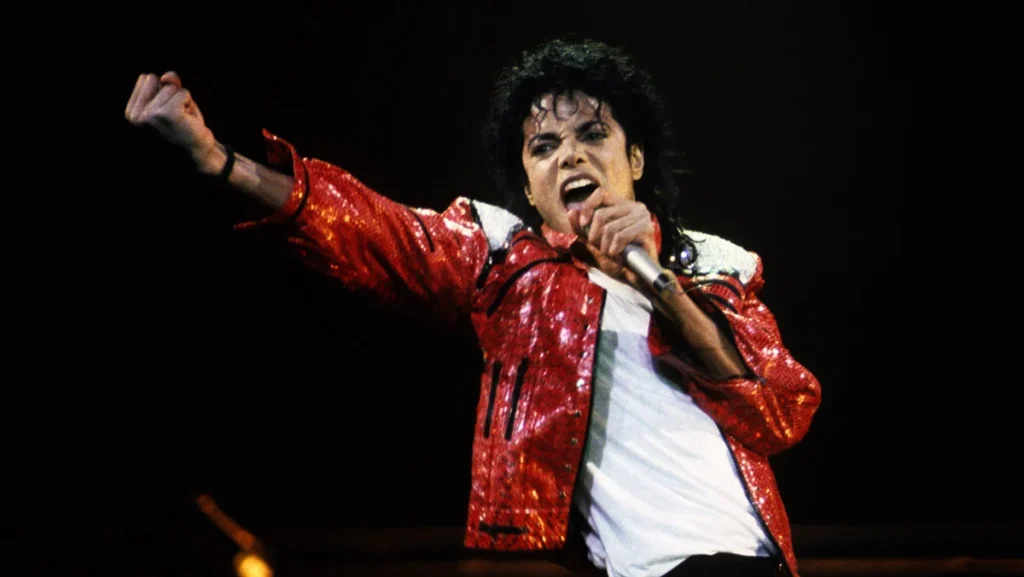
This year, only one film has managed to cross the $100 million domestic opening threshold: Universal and Illumination’s The Super Mario Galaxy Movie, which debuted to an impressive $131.7 million. This animated sequel has since proven to be a global phenomenon, nearing the $1 billion mark in ticket sales, demonstrating the enduring power of well-executed family-friendly entertainment. Other notable successes this year include the sleeper hit Project Hail Mary, which opened to $80.5 million and has since grossed over $675 million globally, and Lionsgate’s Michael Jackson biopic Michael, which started with $97 million domestically and is approaching $800 million worldwide. A common thread among these commercially successful films is their PG-13 rating (or equivalent for animated features), indicating their broad appeal across demographics, including Gen Z and families. Jon Favreau’s The Mandalorian and Grogu, also a PG-13 film, possesses the potential to exhibit similar "playability" and sustained box office momentum, particularly if strong word-of-mouth translates into continued theatrical attendance.
Disney’s Broader Ecosystem Strategy
Beyond the immediate box office receipts, Disney continues to emphasize the significant value The Mandalorian and Grogu brings to its broader entertainment ecosystem. The film is not merely a standalone theatrical release but a critical component of Disney’s interwoven content strategy. The original The Mandalorian series stands as the most-watched original series in the history of Disney+, boasting over 1.3 billion hours streamed globally. This immense popularity on the streaming platform directly translates into increased subscriber engagement and retention, a key metric for Disney’s direct-to-consumer business.
Moreover, the Star Wars brand is intricately integrated across Disney’s vast portfolio. Star Wars-themed attractions at Disney’s global theme parks are pivotal to the company’s experiential offerings. Coinciding with the film’s release, a new Mandalorian and Grogu mission debuted within the Millennium Falcon: Smugglers Run attraction, marking a first-ever day-and-date integration of a theatrical release with a theme park experience. This synergy drives foot traffic to the parks, enhances guest experiences, and reinforces the brand’s omnipresence. The film also features a major integration with the popular video game Fortnite, further expanding its reach into interactive entertainment and appealing to younger, digitally native audiences. Consumer products, ranging from toys and apparel to collectibles, represent another significant revenue stream, leveraging the film’s popularity to generate sales across various retail channels. This multi-platform approach ensures that the value generated by the Star Wars intellectual property extends far beyond initial ticket sales, contributing to Disney’s overall financial health and brand equity.
The Road Ahead for Star Wars
As the dust settles on its opening weekend, all eyes will now turn to The Mandalorian and Grogu‘s second-weekend box office performance. A modest drop would indicate strong audience retention and positive word-of-mouth, suggesting a healthy theatrical run. Conversely, a steep decline, reminiscent of Solo‘s trajectory, would signal a more challenging path ahead. The film’s ability to demonstrate sustained "legs" at the box office will be crucial in determining its ultimate profitability and its impact on Disney’s future Star Wars cinematic strategy.
The franchise’s theatrical future holds further intriguing developments. Shawn Levy’s Star Wars: Starfighter, slated for release next year, is particularly anticipated as it will be the first Star Wars movie in the Disney era to be led by a major, established movie star, Ryan Gosling. The performance of Starfighter will undoubtedly be watched closely, offering another data point in understanding how traditional Hollywood star power, combined with the enduring Star Wars brand, resonates with contemporary audiences. The success of The Mandalorian and Grogu, viewed through the lens of its unique origins as a streaming phenomenon, will provide invaluable insights for Lucasfilm as it navigates the complex and ever-evolving landscape of blockbuster filmmaking and brand management.