Narrative Overview and Character Dynamics
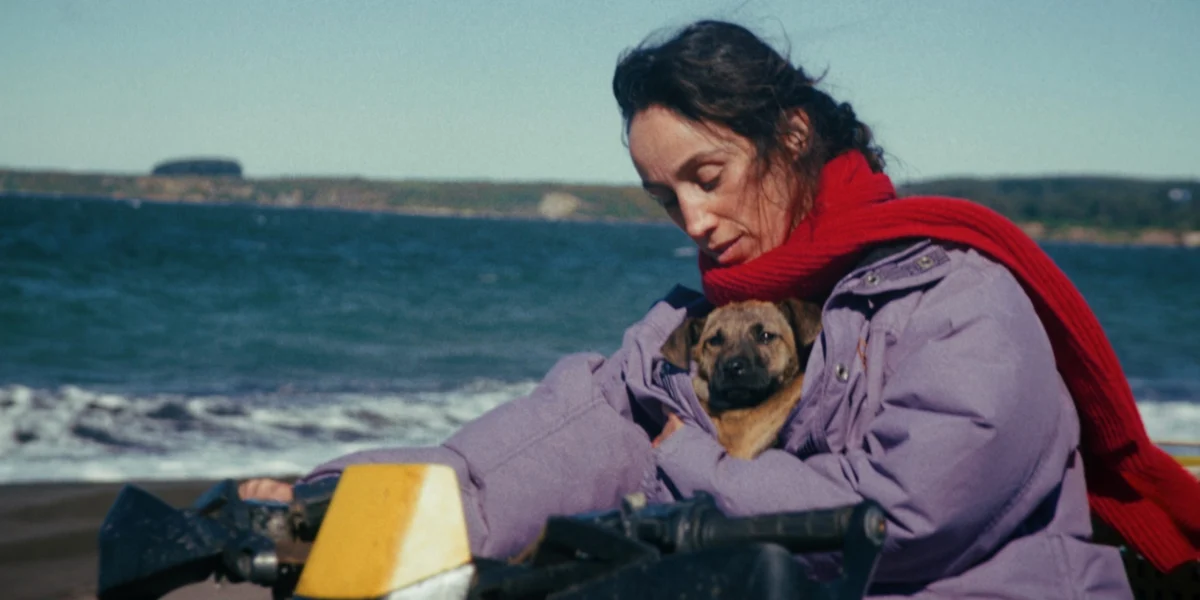
The film centers on Silvia, portrayed by Manuela Oyarzún, a woman in her forties who has carved out a quiet, industrious life on a remote island. Her existence is defined by the physical labor of harvesting seaweed, a trade that ties her closely to the island’s volatile natural environment. Silvia lives with her partner, Mario, played by David Gaete, and maintains a firm stance against having children, despite the subtle and overt pressures exerted by her extended family. This domestic equilibrium is disrupted when Silvia impulsively adopts a puppy she names Yuri, after a popular singer.
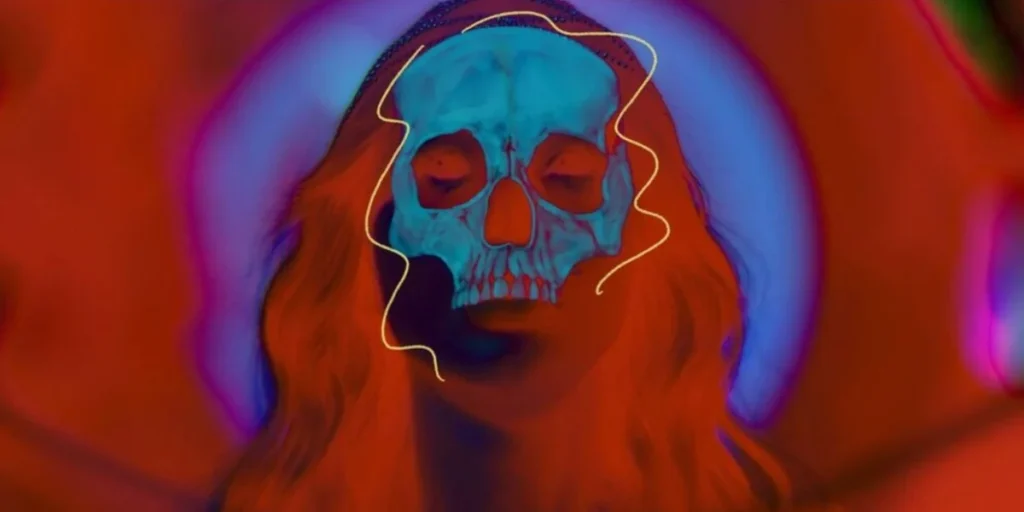
The bond between Silvia and Yuri serves as the emotional core of the film’s first act. The puppy’s presence introduces a sense of vitality and unpredictability into Silvia’s routine. However, this newfound joy is short-lived; during a local celebration featuring fireworks, Yuri is startled and flees into the island’s wilderness. The disappearance of the dog acts as a narrative hinge, shifting the film from a domestic drama into a psychological investigation. As Silvia traverses the island in search of the animal, the landscape begins to trigger a series of flashbacks. These memories revolve around a traumatic incident from her childhood involving a disappearance, effectively bridging the gap between her present-day anxiety and a thirty-year-old emotional wound.
Historical and Literary Context
The production of La Perra is deeply rooted in the literary success of its source material. Pilar Quintana’s novel, originally titled La Perra (published in English as The Bitch), received international acclaim for its stark portrayal of maternal instinct and environmental hostility. Quintana, whose work often explores the tensions between humans and the natural world, provided a foundation that Sotomayor has translated into a specifically Chilean context. By relocating the story from Colombia to Santa Maria Island, Sotomayor utilizes the unique geography of the Chilean coast to amplify the themes of isolation and the "emotional hardness" of the protagonist.
Dominga Sotomayor has established herself as a leading voice in the "New Chilean Cinema" movement. Having previously won the Leopard for Best Direction at the Locarno Film Festival for Too Late to Die Young (2018), her return to Cannes underscores her status as a director capable of navigating the intersection of intimate character studies and broader social commentary. The decision to retain the Spanish title, La Perra, rather than using the English translation, was a deliberate choice by the production team to maintain the linguistic nuances and cultural weight of the term, which carries various connotations regarding gender and social standing in Latin American society.
Technical Execution and Artistic Direction
The visual language of the film is a collaboration between Sotomayor and cinematographer Simone D’Arcangelo. Shot on location on Santa Maria Island, the cinematography emphasizes the physical toll of the environment. One of the film’s most striking visual motifs is the "dog’s-eye view," where the camera is positioned at Yuri’s height, allowing the audience to experience the island’s scale and texture from the perspective of the canine protagonist. The use of natural light and the focus on the island’s unique features—such as a burst underground gas pipeline that causes flames to dance on the surface of the water—create an atmosphere that is both grounded and surreal.
The auditory landscape of the film is equally critical. Composer Clint Mansell, known for his haunting scores in films such as Requiem for a Dream and The Fountain, provides a soundtrack that complements the film’s understated tone. Rather than relying on traditional melodramatic cues, Mansell’s score works in tandem with the sound design to accentuate the environmental noise of the island. The sound of the wind, the crashing waves, and the hollow echoes within the coastal caves are amplified to create a sense of impending dread. In the flashback sequences, the sound design becomes particularly aggressive, often drowning out the voices of the characters to simulate the overwhelming nature of a traumatic memory.
Casting and Performance Analysis
The success of the film rests heavily on the performance of Manuela Oyarzún. Critics at the Cannes premiere noted Oyarzún’s ability to convey three decades of repressed emotion through subtle physical gestures rather than expository dialogue. Her performance is mirrored by Rafaella Grimberg, who plays the younger version of Silvia in the dreamlike flashbacks. The casting department received specific praise for finding a young actress who bears a striking physical resemblance to Oyarzún, lending a high degree of credibility to the film’s non-linear structure.
A unique highlight of the production is the performance of the canine lead, Yuri, played by a dog also named Yuri (with the younger version played by a puppy named Tormenta). The animal’s performance was so impactful that it was awarded the Palm Dog at the 79th Cannes Film Festival, an unofficial but highly prestigious award for canine actors. The chemistry between Oyarzún and the dog was cited as a primary factor in the film’s emotional resonance, providing a tangible representation of the "unmistakable ache of loss" that defines the story.
Supporting performances also contribute to the film’s world-building. Selton Mello, a prominent figure in Brazilian cinema, appears as Duda, a figure from Silvia’s parents’ past whose presence helps bridge the gap between the two timelines. Paula Dinamarca provides a touch of local color as Xiamena, an eccentric islander whose interactions with Silvia highlight the community’s insular and sometimes intrusive nature.
Chronology of Production and Festival Circuit
The development of La Perra followed a multi-year timeline, beginning shortly after the completion of Sotomayor’s previous collaboration with Pilar Quintana. The production faced the logistical challenges of filming on a remote island with limited infrastructure, a choice made to ensure the authenticity of the setting.
- Source Material Selection (2021): Sotomayor and Bortagaray began adapting Quintana’s novel, focusing on the psychological aspects of the protagonist’s journey.
- Pre-production and Casting (2022-2023): The team conducted extensive location scouting on Santa Maria Island and held casting calls for both the human and canine roles.
- Principal Photography (Late 2023): Filming took place over several months, contending with the unpredictable weather of the Chilean coast.
- Post-production (Early 2024): Clint Mansell joined the project to finalize the score, while the sound design team worked on the intricate cave sequences.
- World Premiere (May 2024): The film debuted at the Cannes Film Festival in the Director’s Fortnight section, where it was met with positive critical reception and secured the Palm Dog award.
Industry Impact and Critical Response
The premiere of La Perra at Cannes has significant implications for the international distribution of Chilean films. By securing a spot in the Director’s Fortnight—a section known for discovering innovative and auteur-driven cinema—the film has positioned itself as a strong contender for the global art-house market. Industry analysts suggest that the combination of Sotomayor’s directorial pedigree and Clint Mansell’s involvement will make the film an attractive acquisition for distributors in North America and Europe.
Official responses from festival organizers highlighted the film’s "quiet power" and its refusal to rely on sentimentality. In a statement following the screening, festival representatives noted that the film "redefines the ‘dog movie’ genre by stripping away clichés and replacing them with a harrowing look at how the past remains present in our daily lives."
Beyond its artistic merits, La Perra also contributes to a broader conversation about the representation of female autonomy in cinema. Silvia’s decision to remain childless, and the film’s refusal to judge her for that choice, reflects a modern sensibility that resonates with contemporary audiences. The film suggests that the bonds we form—whether with partners, animals, or our own past selves—are complex and fraught with the potential for both healing and further wounding.
Conclusion and Broader Implications
La Perra stands as a testament to the power of understated storytelling. By focusing on the internal life of a single woman and her relationship with a stray animal, Dominga Sotomayor has created a universal story about the fragility of peace and the persistence of memory. The film’s success at Cannes, underscored by its technical excellence and standout performances, reinforces the strength of the Chilean film industry on the world stage. As it moves from the festival circuit to wider release, La Perra is expected to leave a lasting impression on viewers, offering a poignant meditation on the ghosts we carry and the landscapes that hold them.