CBS has officially signaled a radical departure from the traditional late-night television model, announcing a projected $15 million profit for its post-prime-time programming following the replacement of The Late Show with Stephen Colbert with a "time buy" arrangement orchestrated by media mogul Byron Allen. This financial turnaround represents a $55 million swing for the network, which had previously been absorbing an estimated $40 million in annual losses during the 11:35 p.m. timeslot. The move underscores a growing trend in the broadcast industry where the prestige of original, high-budget talk shows is being sacrificed in favor of leaner, more predictable revenue streams.
In a statement released late Thursday, a CBS spokesperson characterized the traditional late-night format as "cost prohibitive," citing the escalating expenses associated with production, talent, and staff in an era of diminishing linear television viewership. The decision to cancel The Late Show, a staple of the network’s identity for decades, was driven by a need to "proactively address" a daypart that no longer fit the network’s economic requirements. By partnering with Byron Allen’s Allen Media Group, CBS has effectively outsourced its late-night programming, shifting the financial burden and risk to an external partner while securing a guaranteed profit margin.
The Financial Mechanics of the $55 Million Swing
The transition from a $40 million deficit to a $15 million surplus is rooted in the "time buy" business model. Under this agreement, Byron Allen’s company pays CBS for the right to air programming in the 11:35 p.m. slot. Additionally, Allen Media Group assumes all production costs for the replacement program, Comics Unleashed, which features a rotating panel of stand-up comedians. In exchange, Allen’s company retains the rights to sell and manage the advertising inventory for the hour, allowing them to recoup their investment and generate their own profit through ad sales.
For CBS, this arrangement eliminates the massive overhead associated with a daily topical talk show. Producing a show like The Late Show requires a large writing staff, a full house band, high-profile celebrity guest bookings, and extensive technical crews. Furthermore, the salaries for top-tier late-night hosts have historically reached into the tens of millions of dollars. By stepping away from this model, CBS has transformed a volatile cost center into a stable source of licensing revenue.
The $55 million swing is a significant figure for a single hour of television. It reflects not only the savings from production but also the mitigation of the "ratings risk" that networks typically face. In the traditional model, if ratings dip, the network loses advertising revenue but remains responsible for the fixed production costs. In the time buy model, CBS receives its payment regardless of the program’s specific performance, provided the partner remains solvent and the contract is honored.
Ratings Reality vs. Bottom-Line Necessity
The debut of Comics Unleashed on the network has provided a stark look at the trade-off between viewership and profitability. Early data indicates that the program premiered to approximately 1.1 million viewers. While this is a substantial audience for many cable outlets, it represents a significant decline from the final season of The Late Show with Stephen Colbert, which averaged 2.7 million viewers.
Despite the loss of over 1.5 million nightly viewers, CBS executives appear satisfied with the outcome. The discrepancy highlights a fundamental shift in how broadcast networks measure success. In the previous era of television, maintaining a dominant audience share was the primary goal, as it allowed networks to charge premium rates for advertising. However, as audiences have migrated to streaming platforms and social media, the cost of maintaining a 2.7 million-viewer audience has increasingly outweighed the advertising revenue that audience generates.
The 1.1 million viewers currently tuning in to Comics Unleashed represent a "profitable" audience for the network, because those viewers come at zero cost to CBS. For Byron Allen, the 1.1 million figure provides a baseline from which his sales team can market to advertisers. Because Comics Unleashed is a syndicated product with a twenty-year history, the cost per episode is significantly lower than the daily production of a topical late-night show, allowing for a much lower break-even point in terms of viewership.
The End of The Late Show Era
The shuttering of The Late Show marks the end of a storied chapter in American broadcasting. The franchise, which gained legendary status under David Letterman before being handed to Stephen Colbert in 2015, was long considered the "crown jewel" of CBS’s entertainment division. Colbert’s tenure was marked by a heavy focus on political satire and high-concept comedy, which resonated strongly during the late 2010s but faced increasing headwinds as the media landscape fragmented.
One week after the final broadcast, the physical remnants of the show have been cleared. Staff members shared poignant images on social media showing the "struck" set—the iconic Ed Sullivan Theater stage stripped of its desk, city-backdrop, and musical equipment. The Ed Sullivan Theater, which has hosted some of the most significant moments in television history, now serves as the backdrop for a more transactional era of broadcasting.
The cancellation has had a ripple effect across the industry, as writers, producers, and technicians find themselves navigating a shrinking market for prestige late-night content. While CBS has expressed pride in its new partnership with Allen, the move serves as a somber reminder of the fragility of traditional television formats in the digital age.
Byron Allen’s Aggressive Media Expansion
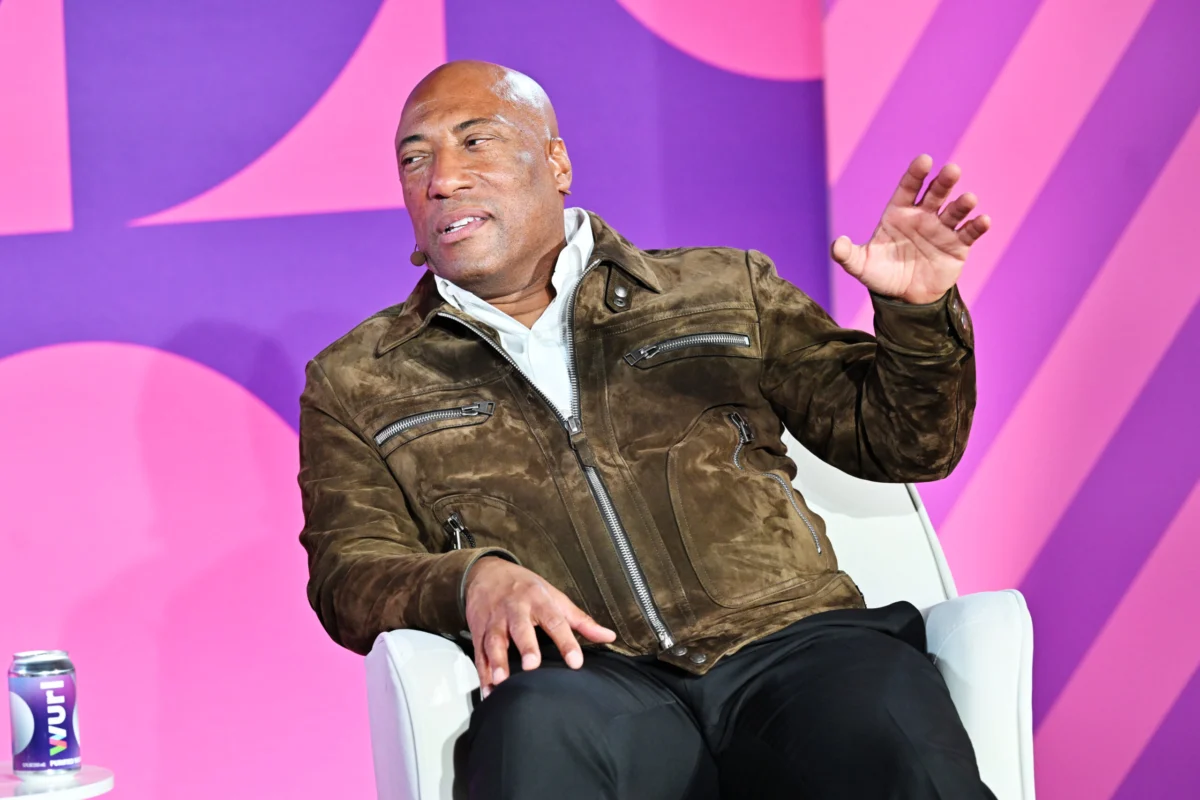
The deal with CBS is only one piece of a broader, more aggressive strategy by Byron Allen to consolidate power within the media industry. Allen, who began his career as a stand-up comedian and a co-host on Real People, has spent decades building Allen Media Group into a powerhouse of syndication and localized broadcasting. His approach often involves acquiring established brands or "undervalued" media assets and applying a rigorous, low-overhead business model to them.
In addition to taking over the CBS late-night slot, Allen recently finalized a deal to acquire BuzzFeed, including its subsidiary HuffPost. This acquisition, which closed on Wednesday, signals Allen’s intent to bridge the gap between traditional linear television and digital-native media.
“Our vision is to build on the iconic foundation of BuzzFeed and HuffPost by expanding into free-streaming video, audio and user-generated content,” Allen said in a statement following the acquisition. He also emphasized the role of artificial intelligence in his future plans, stating that BuzzFeed is now "officially chasing YouTube to become another premier free-streaming video service."
Allen’s strategy is often described by industry analysts as "quixotic" yet effective. He frequently pursues major acquisitions—including previous bids for the Denver Broncos and various Paramount assets—positioning himself as a disruptor who is unaflected by the conventional wisdom of Hollywood or Wall Street.
Chronology of the Late-Night Transition
The shift from Colbert to Allen did not happen overnight. It was the result of a multi-year trend of declining linear ad revenue and rising production costs.
- 2021–2022: CBS and other major networks began reporting significant quarterly losses in their linear divisions as cord-cutting accelerated.
- Early 2023: Internal discussions at CBS began regarding the long-term viability of the 11:35 p.m. budget. Rumors began to circulate that the network was looking for a "third-way" solution for late night.
- Mid-2023: Byron Allen approached CBS executives with the proposal for a time buy. According to Allen, he told the network, "I have a show called Comics Unleashed… Let me buy the time period. I can save you $30 million-$40 million."
- Late 2023: The deal was finalized, and the decision was made to conclude Stephen Colbert’s tenure at the end of the current broadcast season.
- Early 2024: The Late Show aired its final episode. Within days, the set was dismantled, and Comics Unleashed moved into the scheduling rotation.
- Present: CBS confirms the projected $15 million profit, validating the financial logic behind the controversial decision.
Broader Implications for the Television Industry
The CBS-Byron Allen deal is likely to serve as a blueprint for other struggling broadcast networks. NBC’s The Tonight Show Starring Jimmy Fallon and ABC’s Jimmy Kimmel Live! are facing similar economic pressures. While these shows currently remain on the air, the "CBS model" provides a tempting alternative for executives looking to satisfy shareholders and improve margins.
The move also signals the "de-escalation" of the late-night wars. For decades, the battle for 11:35 p.m. was a cultural touchstone, defining the comedic voice of the country. By moving to a syndicated clip-show format like Comics Unleashed, CBS is effectively opting out of the cultural conversation in exchange for fiscal stability.
Furthermore, the integration of AI and the pivot toward "free-streaming video" mentioned by Allen suggests that the future of these timeslots may not be on television at all. As Allen Media Group leverages the BuzzFeed and HuffPost brands to create content for platforms like YouTube and proprietary streaming apps, the traditional "broadcast daypart" may eventually become nothing more than a promotional vehicle for a wider digital ecosystem.
As the industry watches the performance of Comics Unleashed, the focus will remain on whether the $15 million profit is sustainable. If viewers continue to tune out in large numbers, the value of the "time buy" could decrease in future contract cycles. However, for now, CBS has successfully navigated a difficult financial corner, proving that in the modern media landscape, the bottom line often speaks louder than the applause of a studio audience.