In the early 1970s, the landscape of American leisure was undergoing a seismic shift as the "regional theme park" model began to challenge the traditional traveling carnival and the centralized dominance of Southern California’s Disneyland. At the forefront of this transformation was the Marriott Corporation, a company then—and now—primarily synonymous with high-end hospitality and hotel management. Under the leadership of J.W. Marriott Jr., the company sought to diversify its portfolio by entering the burgeoning entertainment sector, a move inspired by the unprecedented success of Disney’s theme parks and the rising disposable income of the American middle class. This ambition culminated in the creation of Marriott’s Great America, a brand designed to blend patriotic nostalgia with cutting-edge thrill rides, ultimately leaving a permanent mark on the amusement industry despite the brand’s relatively short corporate lifespan.
The Strategic Vision: From Hotels to High-Thrills
The decision by Marriott to enter the theme park industry was not a whimsical venture but a calculated corporate strategy. By 1970, the "Disney effect" had proven that family-oriented, clean, and highly themed environments could generate massive revenue through ticket sales, food and beverage, and merchandise. Marriott’s leadership believed they could apply their expertise in hospitality and food service to create a superior guest experience that rivaled Disney but was accessible to residents of the Midwest and the West Coast who might not have the means to travel to Florida or California regularly.
The Marriott Corporation initially planned a nationwide chain of "Great America" parks. The conceptual framework was rooted in "Americana"—a celebration of the nation’s history, landscape, and cultural heritage. This theme was particularly timely as the United States approached its Bicentennial in 1976. The parks were designed by Randall Duell and Associates, a firm that specialized in "Duell-loops," a layout strategy that ensured guests would pass by every major shop and attraction, maximizing efficiency and revenue.
A Tale of Two Cities: The 1976 Openings
While Marriott initially envisioned several locations, only two parks were ultimately realized. The first, located in Santa Clara, California, opened its gates on March 20, 1976. Its sister park in Gurnee, Illinois, located between Chicago and Milwaukee, followed shortly after, opening on May 29, 1976.
Both parks were identical in their initial layout and thematic sections. They featured five distinct "lands":
- Carousel Plaza: A grand entrance featuring the iconic Columbia Carousel, one of the tallest and largest carousels in the world.
- Hometown Square: A nostalgic look at early 20th-century small-town America.
- The Great Midwest Livestock Exposition at County Fair: A celebration of rural Americana and early aviation.
- Yankee Harbor: A 19th-century New England fishing village.
- Orleans Place: Inspired by the French Quarter of New Orleans.
The parks represented a combined investment of over $100 million (approximately $500 million in 2024 dollars). To ensure a competitive edge against regional rivals, Marriott secured licensing agreements with Warner Bros., allowing them to feature Looney Tunes characters like Bugs Bunny and Daffy Duck. This provided the parks with a recognizable "personality" that could compete with the Disney mascot ecosystem.
Chronology of Ownership and Transformation
The era of Marriott’s direct management was relatively brief, lasting less than a decade. Despite the parks’ popularity, the Marriott Corporation found that the seasonal nature of the theme park business and the high capital expenditures required for new attractions did not align with their long-term focus on the hotel industry.
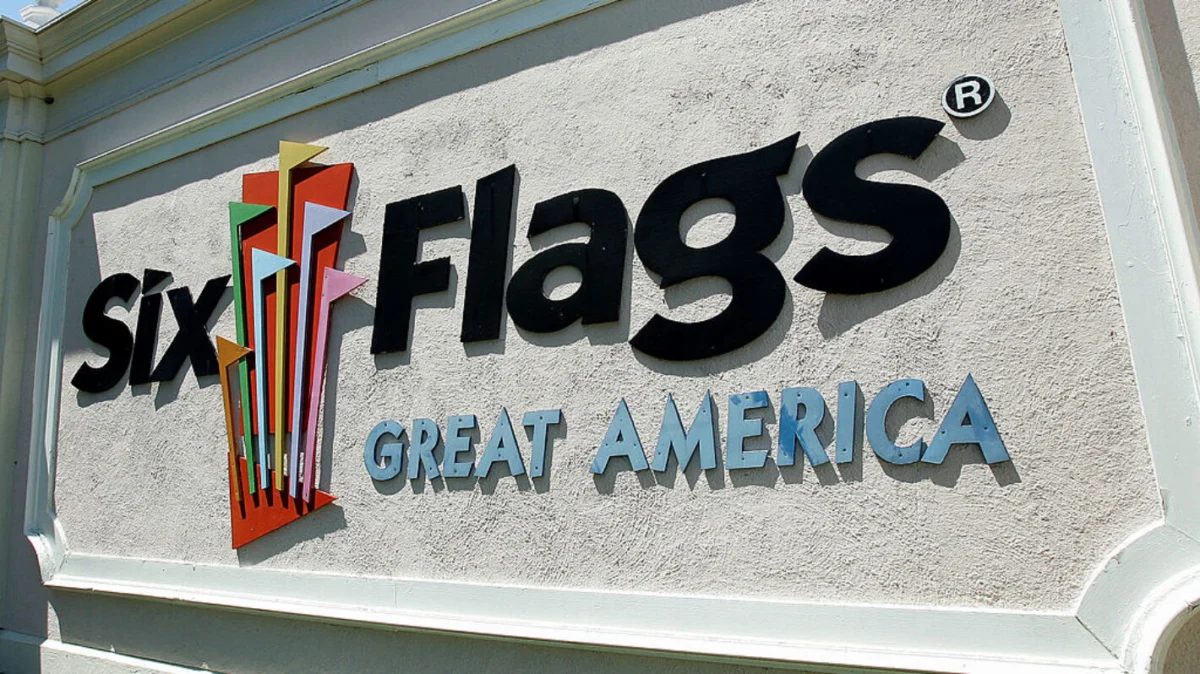
- 1984: The Great Divergence. Marriott decided to exit the theme park business. The Gurnee, Illinois, park was sold to Six Flags Corporation (then owned by Bally Manufacturing), becoming Six Flags Great America. The Santa Clara park faced a more complex fate. The city of Santa Clara, fearing the land would be sold to developers and the park closed, purchased the property itself.
- 1985–1992: Management Shifts. The Santa Clara park was managed by various entities, including Kings Entertainment Company (KECO).
- 1993–2006: The Paramount Era. Paramount Communications (later Viacom) acquired KECO, and the Santa Clara park was rebranded as Paramount’s Great America, integrating movie themes such as Top Gun and Star Trek.
- 2006–Present: The Cedar Fair and Six Flags Merger. In 2006, Cedar Fair Entertainment Company purchased all Paramount Parks. In a historic industry turn in 2023, Six Flags and Cedar Fair announced a "merger of equals," effectively bringing both the Gurnee and Santa Clara parks under the same corporate umbrella for the first time since 1984.
Supporting Data: Economic and Cultural Impact
At their inception, the Great America parks were technological marvels. They introduced the "Willard’s Whizzer" (now simply The Whizzer), a unique "spiral lift" roller coaster designed by the legendary Anton Schwarzkopf. In 1976, these parks were among the first to utilize computer-automated ride systems to improve safety and throughput.
Economically, the parks became major regional employers. In the late 1970s, Marriott’s Great America in Gurnee employed approximately 3,000 seasonal workers annually, many of whom were local high school and college students. This tradition has continued; today, Six Flags Great America remains one of the largest seasonal employers in the state of Illinois.
Attendance figures also underscored the success of the Marriott vision. Within their first year of operation, both parks exceeded attendance projections, drawing millions of visitors and proving that the "clean, family-friendly" model could thrive outside of the Disney orbit.
Inferred Industry Reactions and Competitive Landscape
When Marriott entered the fray in 1976, established players like Six Flags (which already operated Six Flags Over Texas, Over Georgia, and Over Mid-America) and Taft Broadcasting (owners of Kings Island) were forced to elevate their standards. Industry analysts of the time noted that Marriott’s "hospitality-first" approach forced competitors to invest more in landscaping, staff training, and park cleanliness.
"The Marriott entry was a wake-up call for the industry," notes a historical analysis of theme park trends. "Before Great America, regional parks were often seen as ‘iron parks’—just collections of rides. Marriott proved that the ‘theme’ in ‘theme park’ was just as important as the thrills."
However, the competition was fierce. Six Flags Magic Mountain in California and the burgeoning Disney World in Florida created a high-stakes environment where a new multi-million dollar coaster was required every few years to maintain market share. This "arms race" was a primary factor in Marriott’s decision to divest, as the company preferred the more predictable margins of the lodging industry.
Broader Implications: The Future of the Great America Brand
The trajectories of the two parks today offer a study in urban development and corporate priorities. Six Flags Great America in Gurnee continues to thrive as a cornerstone of the Six Flags chain, frequently ranking as one of the most visited seasonal parks in the United States. It has expanded significantly, adding a massive water park (Hurricane Harbor) and record-breaking coasters like Goliath and Maxx Force.
Conversely, California’s Great America in Santa Clara faces an uncertain future. In 2022, Cedar Fair announced that it had sold the land beneath the park to Prologis, a real estate investment trust, for $310 million. Under the agreement, the park is expected to close permanently within approximately a decade to make way for commercial development. This decision reflects the soaring land values in Silicon Valley, where the 112-acre site is now considered more valuable as a tech hub or data center than as an amusement park.
Conclusion: A Vision Realized and Redefined
The story of Marriott’s Great America is a testament to the power of a cohesive brand vision. Though Marriott moved on to become a global leader in hotels, the "Great America" name survives as a symbol of the 1970s golden age of theme parks. The parks pioneered the idea that regional entertainment could be high-quality, immersive, and patriotic.
While the Santa Clara park may eventually succumb to the economic pressures of its geography, the Gurnee park stands as a living monument to the original 1976 concept. The enduring legacy of these parks lies in their ability to adapt; they have survived corporate takeovers, economic recessions, and shifting cultural tastes. As the industry moves into a new era of consolidation with the Six Flags-Cedar Fair merger, the "Great America" parks remain foundational pillars of the American leisure experience, reminding us of a time when a hotel company decided to build a dream based on the spirit of a nation.