The second installment of the Netflix original series The Four Seasons marks a significant creative transition for the production, moving beyond the established narrative of its source material to explore the complexities of grief, middle-age reconciliation, and the endurance of platonic bonds. Developed by the high-profile creative trio of Tina Fey, Lang Fisher, and Tracey Wigfield, the series serves as a contemporary reimagining of the 1981 feature film written and directed by Alan Alda. While the inaugural season adhered closely to the cinematic blueprint of three couples navigating quarterly vacations, the second season ventures into uncharted territory following a major narrative shift: the death of a central character. This tonal evolution from a situational comedy to a more weighted dramedy reflects a broader trend in streaming content that prioritizes character-driven longevity over episodic familiarity.
Creative Genesis and Production Background
The Four Seasons represents a strategic collaboration between Netflix and Little Stranger, the production company led by Tina Fey. The project was initially conceived as a way to modernize the 1981 film, which was a commercial and critical success in its era, grossing over $50 million and earning several Golden Globe nominations. The original film was celebrated for its realistic portrayal of the "banality of the bourgeoisie," a theme that Fey, Fisher, and Wigfield have sought to update for a 21st-century audience.
Lang Fisher, known for her work on Never Have I Ever, and Tracey Wigfield, the creator of Great News and the Saved by the Bell revival, bring a specific brand of fast-paced, joke-dense writing that has become a hallmark of Fey’s various television ventures. However, Season 2 required a shift in writing strategy. With the primary plot points of the original film exhausted by the end of Season 1, the writers were tasked with building an original world. The departure of Steve Carell, who played Nick in the first season, served as the catalyst for this new direction. His character’s off-screen death between seasons serves as the primary engine for the Season 2 narrative, forcing the remaining ensemble to redefine their group identity.
Narrative Chronology: From Adaptation to Originality
The timeline of The Four Seasons Season 2 begins several months after the conclusion of the first season. The narrative structure remains tied to the concept of quarterly getaways, but the emotional stakes have been recalibrated.
The Spring Transition
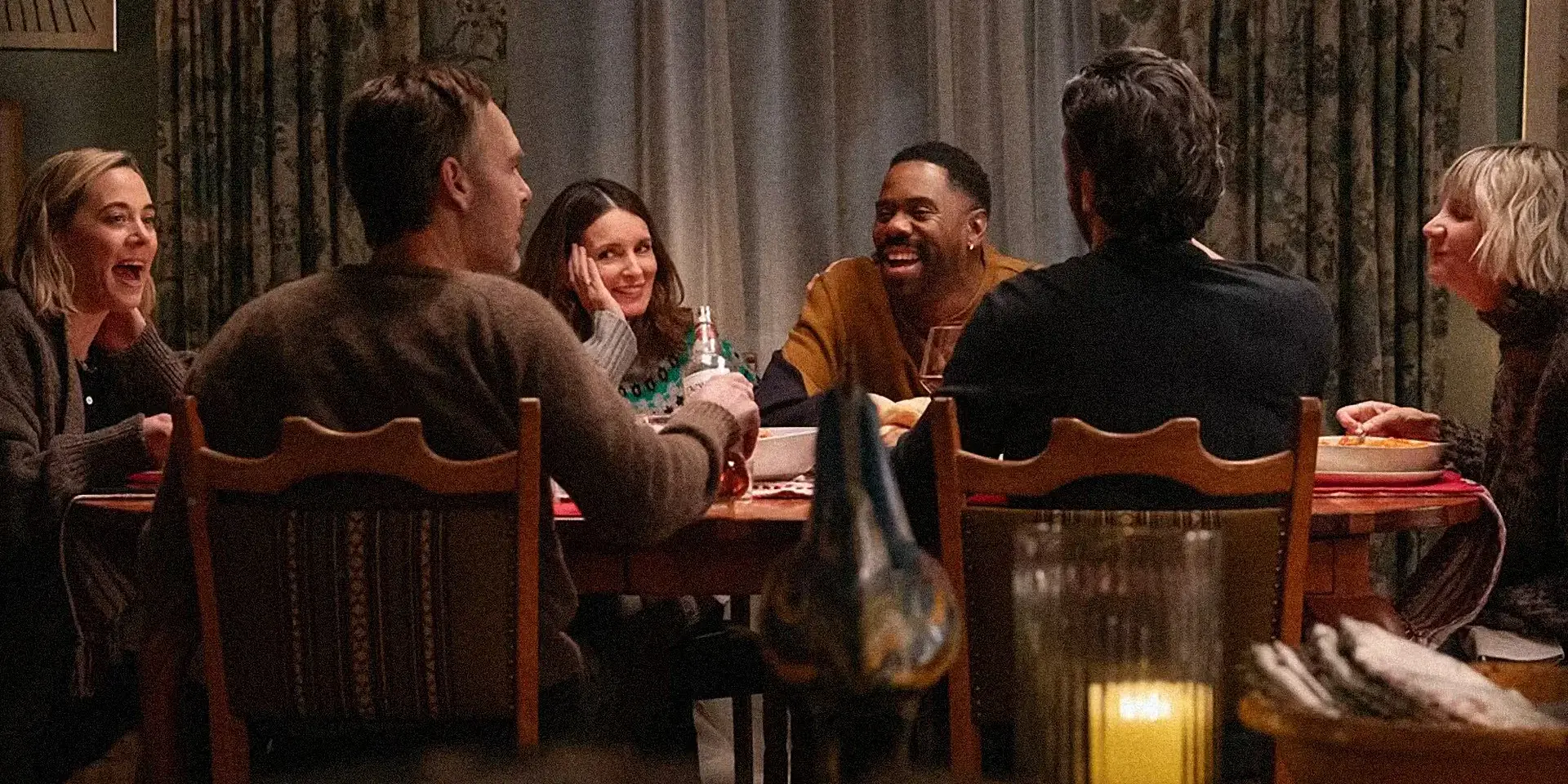
The season opens in the spring, a period traditionally associated with renewal, though the characters find themselves mired in the finality of loss. The core group—Kate (Tina Fey), Jack (Will Forte), Danny (Colman Domingo), Claude (Marco Calvani), and Anne (Kerri Kenney-Silver)—convenes to fulfill the final wishes of Nick. They are joined by Ginny (Erika Henningsen), Nick’s much younger, heavily pregnant girlfriend, whose presence serves as a constant reminder of the fractured legacy Nick left behind. The act of spreading Nick’s ashes off a mountain sets a somber tone that persists throughout the year, marking a departure from the lighter, more cynical humor of the first season.
Summer and Autumn Friction
As the year progresses into the summer and autumn months, the "quarterly getaway" tradition begins to feel the strain of unresolved interpersonal conflicts. The narrative focuses heavily on the financial and emotional fallout of Nick’s estate. Anne, Nick’s ex-wife, and Ginny find themselves in a quiet but fierce legal and social battle over Nick’s finances. This conflict highlights the precarious nature of the group’s "extended family" dynamic. Meanwhile, the rock-solid friendship between Kate and Danny is tested by the changing needs of their respective partners, illustrating how the death of one member can destabilize the entire ecosystem of a friend group.
Winter Resolution
The season concludes in the winter, mirroring the cyclical nature of the title. The resolution of the characters’ arcs focuses less on external plot points and more on internal acceptance. By the end of the year, the characters have moved from the acute phase of mourning into a more reflective state, acknowledging that while their group will never be the same, the shared history between them remains their strongest asset.
Character Analysis and Ensemble Performance
The strength of The Four Seasons lies in its ensemble, a collection of veteran performers with established backgrounds in both high-concept comedy and prestige drama.
The Central Couple: Kate and Jack
Tina Fey’s Kate remains the emotional anchor of the series, though her character in Season 2 is often defined by her role as a caretaker. Her husband, Jack, played by Will Forte, is depicted as the individual most outwardly affected by Nick’s death. Forte, known for his eccentric comedic roles, delivers a more grounded performance here, though some critics note that the character’s lack of comedic relief occasionally limits the show’s traditional "Fey-esque" energy. The "see-sawing" of their relationship status provides a recurring source of tension, though it risks becoming repetitive without the external foil that Carell’s character previously provided.

The Dynamic of Danny and Claude
Colman Domingo and Marco Calvani provide the season’s most consistent character growth. Danny, portrayed by Domingo with his signature blend of gravitas and sharp wit, navigates the complexities of a long-term marriage while dealing with the realization that his friends are aging. The subplot involving the couple’s discussions about children adds a layer of modern domestic realism that balances the more heightened aspects of the "rich friends on vacation" trope. Domingo’s chemistry with Fey continues to be a highlight, serving as a reminder of the platonic love that often outlasts romantic entanglements.
The Elevation of Anne
Kerri Kenney-Silver’s performance as Anne is arguably the most significant development in Season 2. Previously a supporting player, Kenney-Silver is thrust into the spotlight as she navigates life as a single empty-nester. Her portrayal avoids the clichés of the "scorned ex-wife," instead leaning into a dry, resilient humor. By refusing to let the audience pity Anne, Kenney-Silver creates a character that represents the show’s core theme: the necessity of finding a new purpose in the wake of loss.
Thematic Analysis: Grief and the Malleability of Middle Age
The Four Seasons Season 2 explores the intersection of wealth, age, and mortality. The characters inhabit a world of exotic destinations and financial security, yet they are not immune to the "hard times" of life. The show posits that while money can buy comfort, it cannot buy a reprieve from the consequences of one’s choices or the inevitability of death.
A primary theme of the season is the "un-malleability" of life after fifty. The creators suggest that as individuals age, their lives become less flexible, making the sudden disruption of a death or a divorce even more profound. The "banter" that defined the first season is more muted in the second, replaced by a sense of heaviness that reflects the characters’ realization that they have more years behind them than ahead of them. This thematic depth elevates the show from a simple sitcom to a more nuanced exploration of the human condition.
Industry Impact and Streaming Context
The production of The Four Seasons Season 2 occurs within a shifting landscape for streaming services. Netflix has increasingly moved toward "prestige comedy"—shows that feature high-caliber talent and cinematic production values while blending genres. Following in the footsteps of successful series like The Kominsky Method and Grace and Frankie, The Four Seasons targets an older, affluent demographic that is often underserved by traditional broadcast television.
Production Value as a Narrative Tool
The series utilizes its locations as a "seventh character." The move to exotic destinations in each episode provides a visual contrast to the internal turmoil of the characters. This high-production-value approach is a hallmark of the current "Peak TV" era, where the setting is intended to be as engaging as the dialogue.
Critical Reception and Award Prospects
Initial critical analysis of the second season has been mixed but generally positive regarding the performances. While some reviewers have noted a "dulling" of the humor due to the focus on grief, others have praised the show for its willingness to address the darker aspects of middle age. The ensemble’s chemistry remains a strong point for potential awards consideration. Specifically, Colman Domingo is viewed as a strong contender for Supporting Actor in a Comedy Series, given his ability to pivot between sarcastic one-liners and emotional vulnerability.
Broader Implications and Future Outlook
The trajectory of The Four Seasons suggests a long-term commitment by Netflix to the "Fey-verse." By successfully transitioning the show from a film adaptation into an original series, the creators have opened the door for multiple future seasons that can continue to track these characters through different stages of their lives.
The series serves as a case study in how to reboot classic intellectual property. Rather than simply mimicking the original, Fey and her team have used the 1981 film as a foundation to build a more complex, serialized narrative. This approach allows the show to maintain a sense of nostalgia while remaining relevant to contemporary discussions about friendship, family, and the search for meaning.
In conclusion, The Four Seasons Season 2 is a more somber, reflective continuation of the story started in Season 1. While it sacrifices some of the lighthearted energy of its predecessor, it gains a deeper resonance by leaning into the realities of loss. Supported by a powerhouse ensemble and a seasoned creative team, the series remains a notable entry in the landscape of modern television dramedy, proving that even in the "autumn" of life, there are new stories to be told.