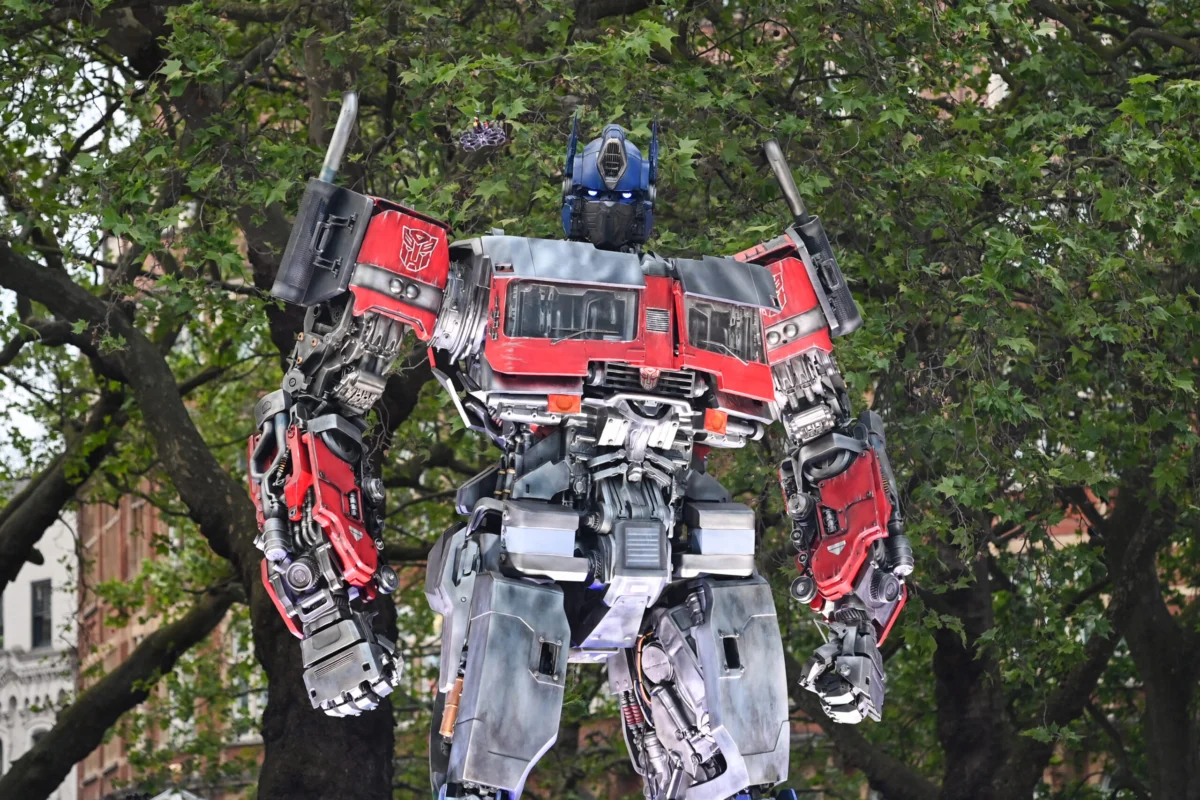
Hasbro, the global play and entertainment leader, has officially announced the formation of Sixth Wall, a dedicated artificial intelligence studio designed to revolutionize how the company’s iconic intellectual property (IP) interacts with digital environments. The initiative represents a strategic shift in how legacy entertainment companies manage their assets in the age of generative AI, moving away from reactive legal enforcement toward a proactive, licensing-based model. By launching Sixth Wall, Hasbro aims to provide third-party developers, platforms, and creators with authorized, "blue-check" versions of legendary characters such as Optimus Prime, Megatron, and Mr. Potato Head, ensuring that any AI-driven interaction remains consistent with established brand guidelines and narrative guardrails.
The foundation of this new venture is a proprietary platform dubbed CharacterOS. Described by Sixth Wall leadership as a "golden record" for each piece of IP, CharacterOS serves as the technical and creative framework that dictates how a character thinks, speaks, and behaves. This system ensures that an AI-powered Cobra Commander remains focused on his canonical goal of global domination rather than providing mundane advice on daily life, while a character like Mr. Potato Head remains family-friendly and avoids topics outside his whimsical domain. This level of granular control addresses one of the primary concerns of modern IP owners: the proliferation of unauthorized, often "off-brand" AI models that have flooded the internet, ranging from deepfake voice clones to chatbots that violate the core tenets of beloved characters.
The Strategic Shift: From Enforcement to Empowerment
For years, the rise of user-generated content (UGC) and frontier AI models has presented a significant challenge for companies like Hasbro. Traditionally, the industry response to unauthorized use of intellectual property has been a "whack-a-mole" strategy involving cease-and-desist orders and copyright strikes. However, the scale of AI-generated content has made traditional enforcement increasingly difficult. Roberta Thomson, the newly appointed CEO of Sixth Wall, noted in an interview with The Hollywood Reporter that Hasbro recognized the need for a more sustainable solution. Instead of merely fighting unauthorized versions, the company chose to offer a superior, authorized alternative that guarantees brand safety for licensees and an authentic experience for fans.
The creation of Sixth Wall signals Hasbro’s transition from viewing its characters as static entities trapped in "static media"—such as toys, films, or scripted video games—to dynamic, real-time participants in the digital economy. As technology allows characters to speak and interact in real-time, the technical challenge shifts from animation and scriptwriting to behavioral governance. Sixth Wall’s expertise lies in this governance, providing the "guardrails" necessary to keep a character’s personality intact across an infinite variety of possible interactions.
Human Talent in a Synthetic Landscape
One of the most significant aspects of Hasbro’s AI strategy is its commitment to human creators. In a move that distinguishes it from many tech-centric AI initiatives, Sixth Wall is working directly with professional voice actors, including the original talent who have defined these characters for decades. Most notably, the studio has secured the participation of Peter Cullen, the legendary voice of Optimus Prime since the 1980s. For characters without an established or available voice actor, Hasbro is recruiting professional talent to create new "golden records" for the AI to emulate.
The company has emphasized that this technology is not intended to replace human actors in traditional long-form media like feature films or television series. Instead, the AI-enabled voices are reserved for interactive, dynamic experiences that were previously impossible to script. These include real-time conversational games, personalized digital companions, and interactive location-based entertainment. By involving the original actors, Hasbro is creating a new revenue stream for talent, allowing them to participate in the monetization of their iconic voices in the AI era. This "creator-first" approach is likely a response to the broader industry tensions surrounding AI, which were a central point of contention during the recent SAG-AFTRA and WGA strikes in Hollywood.
Technological Infrastructure and the ElevenLabs Partnership
To facilitate the distribution and accessibility of these authorized voices, Hasbro has entered into a strategic partnership with ElevenLabs, a leader in voice AI technology. Through this collaboration, select Hasbro characters will be made available on the ElevenLabs audio marketplace, allowing authorized developers to integrate high-quality, brand-accurate voices into their projects. This partnership provides the technical scalability required to bring Hasbro’s massive library of IP to a global audience of developers while maintaining the integrity of the CharacterOS guardrails.
CharacterOS functions as more than just a voice synthesizer; it is a comprehensive behavioral engine. It integrates a character’s backstory, personality traits, and linguistic patterns into a model that can respond to unpredictable user input. This ensures that the "soul" of the character is preserved, even when the dialogue is generated on the fly. For corporate licensees, this "end-to-end" solution provides a level of trust that is currently missing from open-source or unauthorized AI models.
Target Markets and Enterprise Use Cases
Sixth Wall is currently focusing its efforts on consumers aged 13 and older, with a particular emphasis on enterprise-level applications. The company has identified several key areas where AI-enabled characters can add significant value:
- Interactive Storytelling: Branching narratives where the story evolves based on real-time dialogue between the player and the character.
- Conversational Games and Digital Companions: Moving beyond simple scripted responses to create deep, engaging interactions in gaming environments.
- Connected Physical Products and Robotics: Integrating CharacterOS into physical toys or animatronics, allowing for a more immersive and "magical" interaction in theme parks or retail settings.
- AI-Powered Brand Ambassadors: Using characters to lead marketing campaigns or interact with customers in a way that is consistent with the brand’s history.
- Location-Based Entertainment: Enhancing the guest experience at theme parks by allowing characters to interact with people waiting in lines, turning a passive wait into an active entertainment moment.
- Dynamic Customer Engagement: Transforming traditional customer service—such as being on hold—into an interactive experience with a fan-favorite character.
Industry Context and Historical Timeline
Hasbro’s move into the AI space is part of a broader trend among major IP holders to regain control over their digital footprints. In late 2023, The Walt Disney Company explored a similar path through a short-lived partnership with OpenAI to bring its characters to the Sora video-generation platform. While that specific deal did not reach long-term fruition, it highlighted the industry’s recognition that the "genie is out of the bottle" regarding AI.
Hasbro’s own digital evolution has been accelerating over the past several years. Following the acquisition of digital toolset D&D Beyond and the continued success of Wizards of the Coast (the division behind Magic: The Gathering and Dungeons & Dragons), the company has increasingly prioritized digital-first growth. The launch of Sixth Wall represents the next logical step in this evolution, moving from digital versions of tabletop games to the creation of "living IP."
Analysis of Implications for the IP Landscape
The launch of Sixth Wall and CharacterOS could serve as a blueprint for other media giants, such as Mattel, Warner Bros. Discovery, or Paramount, who are all grappling with the same challenges of unauthorized AI content. By creating a "licensing agent" model for AI characters, Hasbro is essentially creating a new asset class in the entertainment industry.
From a legal perspective, this move reinforces the importance of "right of publicity" and "voice rights" in the age of automation. By establishing a formal framework for compensation and authorization, Hasbro is setting a precedent that AI development can coexist with traditional creative labor. Furthermore, the "guardrail" technology within CharacterOS addresses the significant risk of brand dilution. In an era where a single "hallucinating" AI can cause a public relations crisis, the ability to guarantee a character’s behavior is a powerful selling point for corporate partners.
Conclusion: The Future of Interactive Play
Hasbro CEO Chris Cocks has expressed optimism that Sixth Wall will open "entirely new surfaces for play and storytelling." The ultimate goal is to make the transition from a character being a "toy on a shelf" to a "magical interaction" that follows the consumer across various digital and physical touchpoints. As the technology matures, the distinction between a scripted character and an interactive AI companion will continue to blur.
For fans, the promise of Sixth Wall is the ability to engage with their favorite heroes and villains in ways that were previously relegated to the realm of science fiction. Whether it is playing a voice-based game of Trivial Pursuit with a character from Clue or receiving a mission briefing from Optimus Prime while standing in a theme park, the potential for deep, personalized engagement is vast. By centering this transformation on authenticity and respect for the original creators, Hasbro is attempting to lead the entertainment industry into an AI-driven future that honors its past.