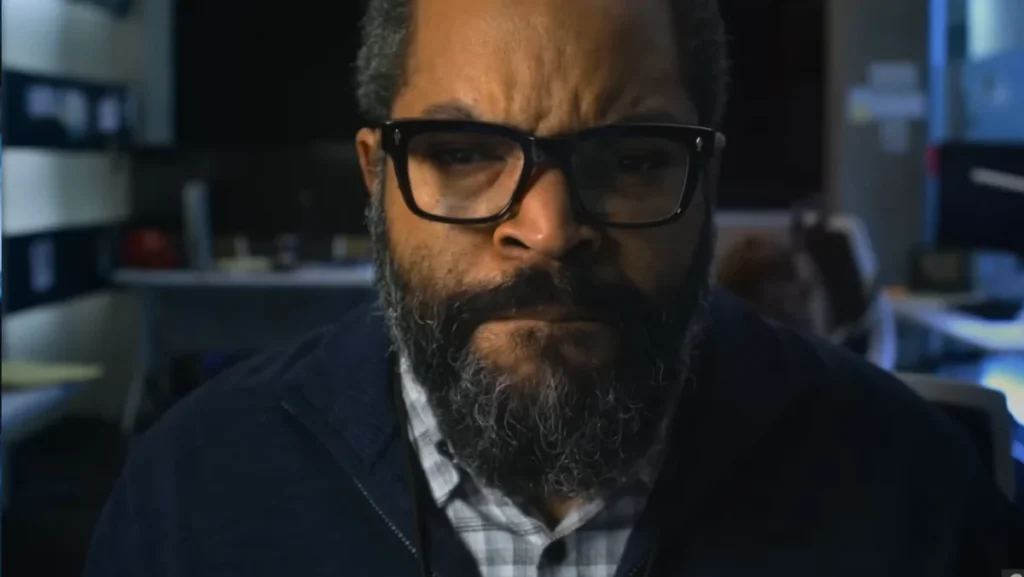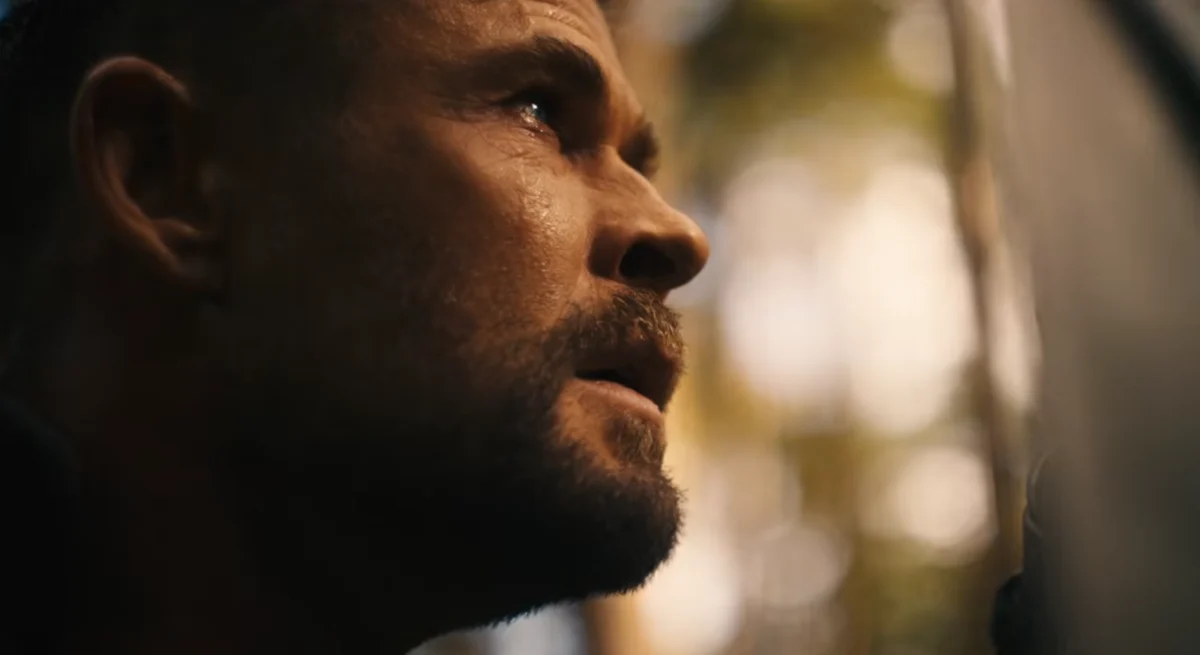
The Marvel Cinematic Universe (MCU) stands at a critical juncture, with its forthcoming tentpole, Avengers: Doomsday, being touted by director Joe Russo as the franchise’s most emotionally complex and mature installment to date. This bold claim, made during an interview with CBR, arrives amidst widespread industry and fan speculation regarding the MCU’s trajectory following the monumental success of Avengers: Endgame. Further fueling anticipation, Robert Downey Jr., whose iconic portrayal of Iron Man anchored the franchise for over a decade, is set to return in a new and unexpected role as the formidable antagonist, Doctor Doom. His recent comments suggest that Doomsday holds the "antidote" to the perceived post-Endgame slump, signaling a deliberate and radical reinvention of the cinematic universe, dubbed "Phase Zero" by the Russo brothers themselves.
The Weight of Expectation: A Post-Endgame Landscape
The MCU achieved unprecedented global dominance with Avengers: Infinity War (2018) and Avengers: Endgame (2019), films that collectively grossed nearly $5 billion worldwide and cemented their status as two of the highest-grossing movies of all time. These films represented the culmination of an eleven-year, twenty-two-film narrative arc, a storytelling feat unparalleled in cinematic history. The emotional payoffs, intricate character development, and spectacular action sequences resonated deeply with audiences, setting an extraordinarily high bar for future installments.
However, the period following Endgame has presented significant challenges for Marvel Studios. While still delivering commercial successes, Phase Four and the initial offerings of Phase Five have faced mixed critical reception and a discernible dip in audience engagement. Films like Eternals (2021) and Ant-Man and the Wasp: Quantumania (2023) struggled to replicate the consistent critical acclaim and fervent cultural impact of their predecessors. Box office revenues, while still robust by general industry standards, showed signs of fatigue when compared to the MCU’s peak. Critics often pointed to a lack of clear overarching narrative, an overreliance on multiverse concepts, and an expansion into numerous Disney+ series that sometimes diluted the cinematic experience. This "post-Endgame slump" has become a frequently discussed topic among fans and analysts, creating immense pressure on Marvel Studios to re-energize its narrative and restore a sense of cohesive direction.
Russo’s Vision: Maturity and Emotional Complexity
It is against this backdrop of heightened expectations and critical scrutiny that Joe Russo’s recent statements gain significant weight. Speaking with CBR, Russo, who co-directed Doomsday with his brother Anthony, asserted, "There are a lot of surprises in this… And I think [Doomsday is] the most emotionally complex of all of them. And in a lot of ways, the most mature of all of them." He elaborated on the difficulties inherent in crafting the new film and its sequel, Secret Wars, stating, "The stakes keep going up. But emotional complexity is always the answer. You bring emotional complexity to anything, and it enriches it. It makes it a fuller experience for the audience."
This emphasis on "emotional complexity" and "maturity" suggests a deliberate shift from earlier MCU entries, which, while often lauded for their humor and spectacle, sometimes faced criticism for formulaic storytelling or a reluctance to explore darker, more nuanced themes. A more mature approach could imply deeper explorations of character trauma, moral ambiguities, political intrigue, and the lasting consequences of monumental events like the Blip. For a franchise that has consistently pushed the boundaries of serialized storytelling, this commitment to emotional depth could be the key to evolving beyond the familiar superhero tropes and engaging a sophisticated, increasingly discerning audience. It might also signal a willingness to delve into the psychological tolls of heroism, the ethical dilemmas faced by super-powered individuals, and the complexities of power, rather than simply focusing on good versus evil.
Robert Downey Jr.’s Pivotal Return as Doctor Doom
Perhaps the most electrifying announcement surrounding Avengers: Doomsday is the return of Robert Downey Jr., not as Iron Man, but as the iconic Marvel antagonist, Doctor Doom. This casting choice is nothing short of revolutionary, re-contextualizing one of the most beloved actors in the franchise’s history and introducing a villain of unparalleled stature. Doctor Doom, Victor Von Doom, is widely regarded as one of Marvel Comics’ greatest and most complex villains – a brilliant scientist, sorcerer, and the absolute monarch of Latveria. His character embodies a potent mix of arrogance, genius, and a twisted sense of justice, often viewing himself as the only one capable of truly saving humanity. Doom’s comic book history is replete with epic confrontations against the Fantastic Four, the Avengers, and even cosmic entities, making him a truly formidable adversary. Previous cinematic attempts to introduce Doom in various Fantastic Four films largely failed to capture his essence, making his proper MCU debut a moment of immense anticipation.
Downey Jr. himself hinted at the innovative approach of Doomsday, teasing that the film’s writers—Stephen McFeely (a veteran MCU screenwriter known for his work on Infinity War and Endgame), Michael Waldron (architect of Loki and Doctor Strange in the Multiverse of Madness), and Marvel Studios President Kevin Feige—have "cracked" the code to overcoming the post-Endgame slump. "There’s something going on in Doomsday, and forward that is literally the only antidote to, ‘How do you not have these films be let down after an Infinity War and an Endgame?’" the actor revealed. He added, "And boy, have we labored long and hard to bring that down… It’s about the way it’s been structured, and the other characters."
This emphasis on "structure" and "other characters" from Downey Jr. aligns perfectly with Russo’s call for emotional complexity. It suggests a departure from a singular protagonist focus, potentially embracing a more ensemble-driven narrative where the collective actions and interwoven destinies of a diverse cast take center stage. The structural innovation could involve non-linear storytelling, multiple perspectives, or a narrative framework that challenges traditional superhero film conventions, thereby keeping the audience engaged and surprised. The sheer audacity of casting Downey Jr. as Doom also speaks to a willingness to take creative risks, leveraging audience familiarity with the actor to imbue a new character with immediate gravitas and intrigue.
"Phase Zero": A Radical Reinvention
The concept of "Phase Zero," as articulated by Joe Russo at SXSW London, represents the most significant indicator of Marvel’s strategic shift. "That serial shifting and changing and surprising you and then reinventing itself and then shifting and changing and then surprising you — that’s exciting and I think you’re going to see some shifting and changing [with Doomsday]. So, get ready for it. Look, we were with Rob [Downey Jr.] earlier today. We were both talking about this concept that we are back to phase zero. This is starting over from scratch. We want to make sure everybody feels like this isn’t leaning on anything from the past."
This declaration of "Phase Zero" goes beyond a mere reboot; it signifies a philosophical realignment. After establishing a sprawling, interconnected universe over more than a decade, the idea of "starting over from scratch" and "not leaning on anything from the past" is a bold proposition. It suggests that while existing characters and lore might still be present, their context, relationships, and even fundamental understanding within the MCU could be re-evaluated. This could address issues of continuity fatigue, where the sheer volume of required viewing (films and Disney+ series) has become overwhelming for some audience members. "Phase Zero" might streamline the narrative, allowing for new entry points for viewers and fresh storytelling opportunities for creators, without being entirely beholden to every previous plot thread or character arc.
Historically, major franchises have attempted similar resets, often with mixed results. The DC Extended Universe has undergone multiple soft reboots and is now preparing for a complete overhaul under James Gunn and Peter Safran. Star Wars has navigated its own complex relationship with legacy and reinvention. Marvel’s approach, however, seems to be a more integrated evolution rather than a hard reset, leveraging the established brand while aggressively innovating within its framework. The implication is that Doomsday will not just be another Avengers film, but a foundational stone for an entirely new era, one that might surprise even the most dedicated fans with its willingness to dismantle and rebuild. This could mean a shift in the power dynamics of its heroes, a different set of global or cosmic threats, or even a re-examination of what constitutes a "hero" in this new paradigm.
The Broader Cinematic Landscape: Lessons from Indie Successes
In a telling moment during the SXSW London event, Anthony Russo also commented on the success of independent films like Backrooms and Obsession, highlighting Obsession‘s director, Curry Barker, who was the subject of a Hollywood Reporter cover story. "I’m fascinated by Obsession," Anthony Russo remarked. "[It’s] viciously funny, right? In a very dark way, made for less than a million dollars, and will be the highest return ever for a movie. That’s an explosively disruptive moment… [The state of the film business] is in a very, very complicated place, but I think that’s a good thing. I think it’s a good thing, because Gen Z are aging into becoming not only the dominant audience, but the dominant storytellers today."
This observation, while seemingly tangential to Avengers: Doomsday, provides crucial insight into the broader thinking influencing the Russo brothers and potentially Marvel Studios. The success of low-budget, creatively disruptive films like Obsession (which achieved an extraordinary return on investment) demonstrates a hunger among audiences, particularly Gen Z, for innovative, original, and often darker content that challenges conventional narratives. The ability of independent creators to bypass traditional studio gatekeepers and connect directly with audiences through platforms like YouTube or TikTok (as was the case with Backrooms) underscores a shift in how stories are consumed and valued.
For a franchise like the MCU, this insight is invaluable. It suggests that to remain relevant and resonant, especially with younger demographics, blockbusters must adapt. They need to embrace unconventional storytelling, perhaps incorporating elements of dark humor, moral ambiguity, or experimental narrative structures seen in successful independent productions. The Russos’ recognition of Gen Z as both "dominant audience" and "dominant storytellers" implies that the future of cinema lies in empowering fresh voices and embracing diverse perspectives. This philosophy could very well inform the "emotional complexity" and "maturity" promised for Doomsday, signaling a more audacious and creatively unfettered approach to blockbuster filmmaking. It suggests that the MCU is not only looking inward to its own lore but also outward to the evolving tastes and creative currents of the broader film industry.
Anticipation and Implications
Avengers: Doomsday, set for release on December 18, carries the immense burden of revitalizing the MCU and setting a compelling new course. The combination of the Russo brothers’ proven track record with Avengers films, Robert Downey Jr.’s transformative return as Doctor Doom, and the ambitious "Phase Zero" declaration points to a project designed to be more than just another superhero movie. It aims to be a definitive statement, an "antidote" to franchise fatigue, and a blueprint for the next generation of interconnected storytelling.
The implications for the MCU are profound. A successful Doomsday could redefine what an Avengers film can be, moving beyond the established formulas and demonstrating a willingness to challenge audience expectations. It could pave the way for a more thematically rich, character-driven universe, where the stakes are not just global or cosmic, but deeply personal and emotionally resonant. Conversely, should the film fail to deliver on these lofty promises, it could deepen the existing skepticism surrounding the MCU’s future.
The return of Robert Downey Jr., in particular, is a calculated gamble. It leverages immense star power and audience goodwill while simultaneously demanding a fresh perspective on a beloved actor. His portrayal of Doctor Doom has the potential to become one of the most iconic villainous turns in cinematic history, injecting a much-needed shot of adrenaline into the MCU’s antagonist roster.
Ultimately, Avengers: Doomsday stands as a pivotal moment, a potential reset button for the world’s most successful film franchise. With its promises of unprecedented emotional depth, structural innovation, and a return to "Phase Zero," the film is poised not just to entertain, but to redefine the very essence of the superhero epic and chart a bold new trajectory for the Marvel Cinematic Universe.