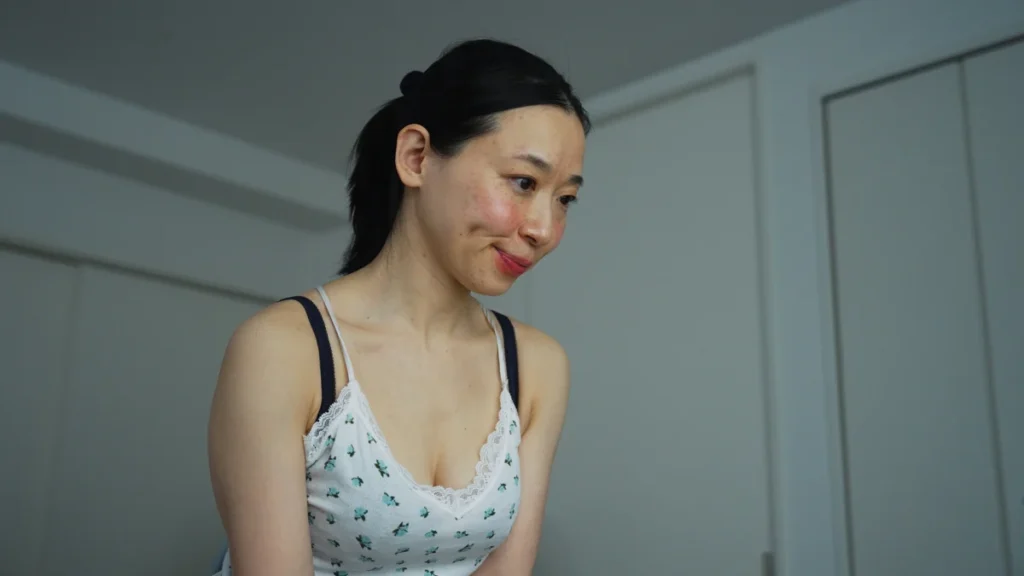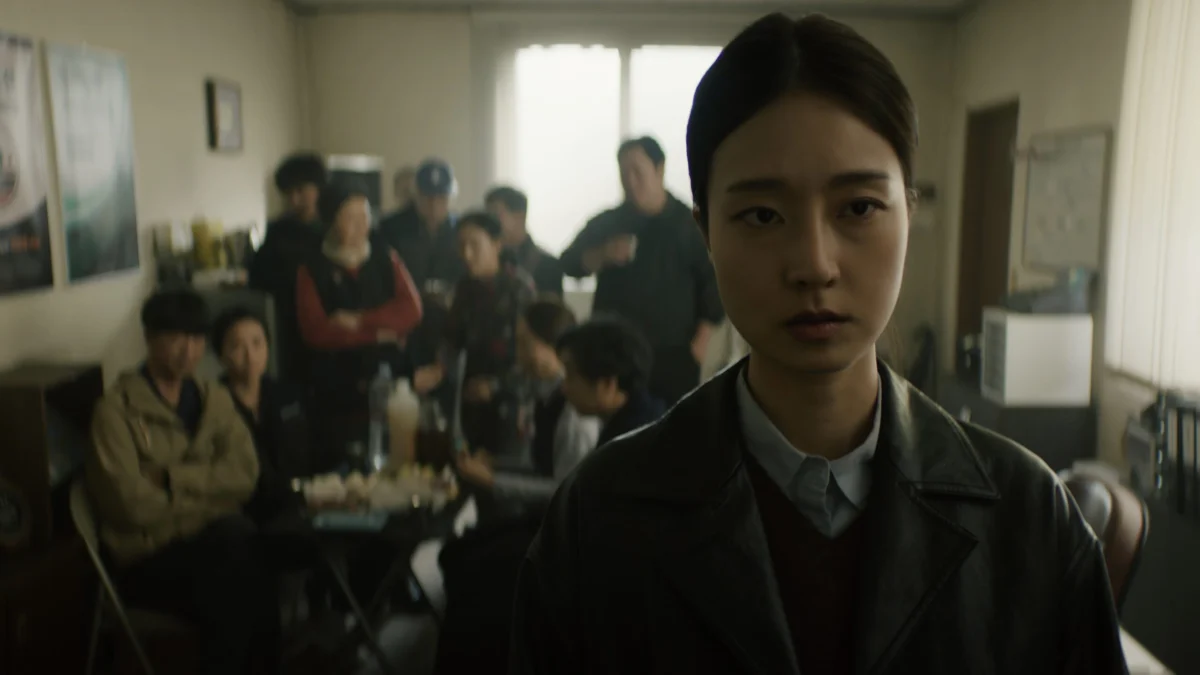
Jeong Hyo-jung’s debut feature film, The Fertilizer Home, known by its Korean title Oga, has emerged as a significant work backed by the prestigious Korean Academy of Film Arts (KAFA). The film, produced by Kim Han-ul with international sales handled by Finecut, offers a multifaceted narrative that intertwines pressing environmental concerns, intricate family dynamics, and a chilling supernatural phenomenon, all while subtly echoing contemporary political anxieties within Korean society. Prior to its highly anticipated completion and festival appearances, Oga garnered early recognition as one of the selected planning and development projects at the Independent Film Matching Project: Next Link, an initiative jointly organized by the Seoul Independent Film Festival and the Independent Art Film Distribution Support Center, underscoring its potential as a compelling voice in independent Korean cinema.
A Journey from Concept to Screen: Production and Festival Recognition
The journey of The Fertilizer Home from an ambitious concept to a realized cinematic vision highlights the robust support structures available for emerging filmmakers in South Korea. The film’s development received critical early momentum through its inclusion in the Independent Film Matching Project: Next Link. This program is instrumental in bridging the gap between promising independent film projects and potential investors, distributors, and industry collaborators. By providing a platform for filmmakers to present their works-in-progress and secure vital resources, Next Link plays a crucial role in nurturing diverse narratives and fostering the growth of the independent film sector. Its endorsement of Oga signaled the industry’s confidence in Jeong Hyo-jung’s vision and the project’s artistic merit.
Further bolstering its production, The Fertilizer Home benefited from the backing of the Korean Academy of Film Arts (KAFA). KAFA is renowned for its intensive practical training programs and its commitment to supporting innovative and challenging cinematic projects by its alumni and promising new talent. This institutional support often translates into access to state-of-the-art equipment, professional mentorship, and a network of industry experts, ensuring a high standard of production quality for films like Oga. The collaboration with KAFA underscores the film’s foundation in rigorous artistic development and professional execution.
The involvement of Finecut in handling world sales positions The Fertilizer Home for significant international exposure. Finecut is a prominent global sales agent for Korean films, with a strong track record of bringing critically acclaimed and commercially successful titles to audiences worldwide. Their decision to represent Oga indicates a belief in the film’s universal appeal and its potential to resonate with international festival programmers and distributors. This strategic partnership is crucial for an independent film aiming to transcend domestic borders and establish its presence on the global cinematic stage. The film’s presence at significant events like the Busan International Film Festival (BIFAN), as hinted by promotional materials, further solidifies its standing within the festival circuit, providing a crucial platform for critical review and audience engagement.
Narrative Core: Environmental Tensions, Familial Strife, and a Spreading Malady
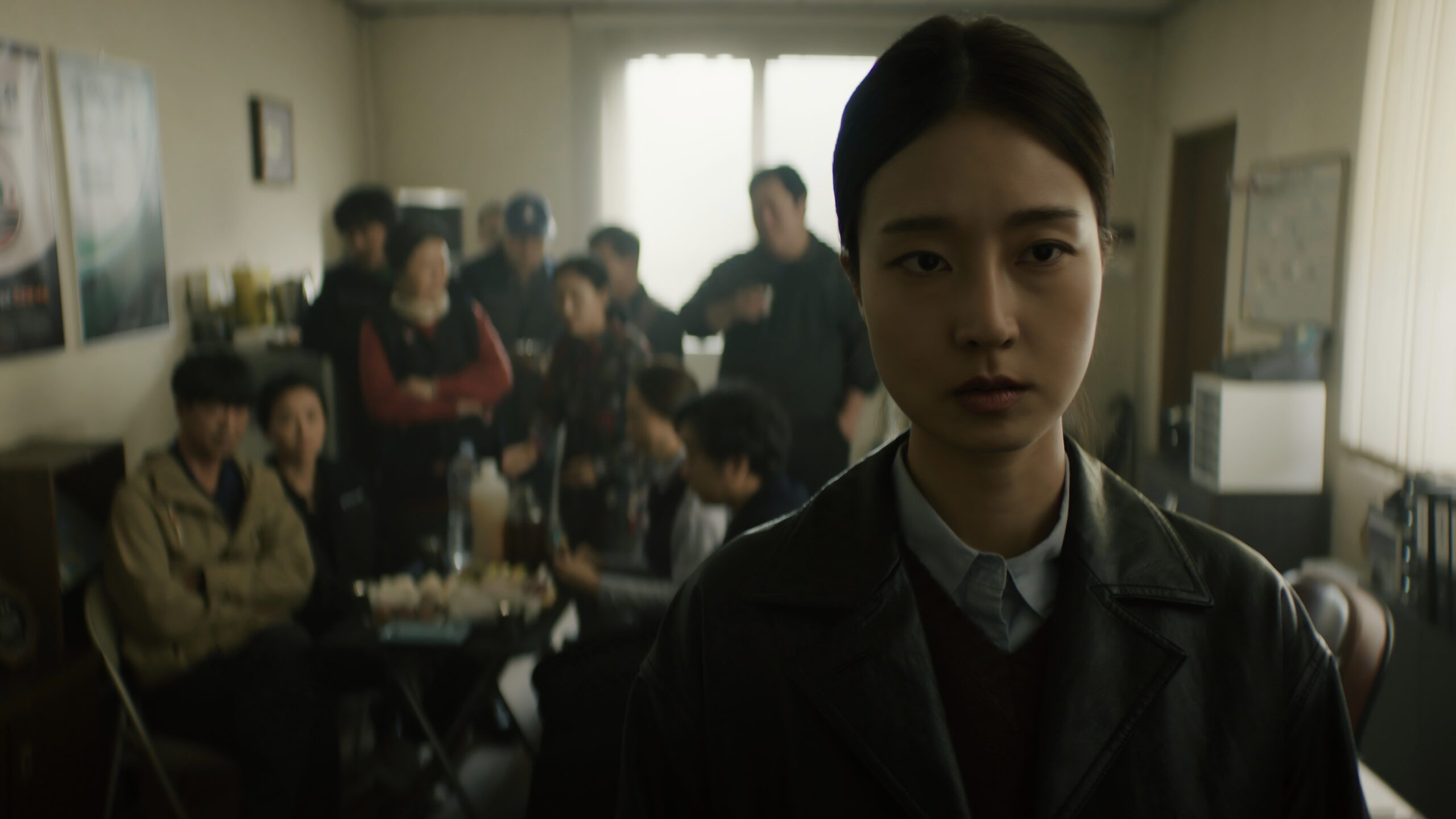
The narrative of The Fertilizer Home is meticulously crafted, unfolding within the confines of a secluded rural village whose existence is inextricably linked to a factory. This facility specializes in processing surplus dried tobacco into compost, a business inherited and ruthlessly managed by Mi-jo, who has ascended to become the village’s most influential figure following her father’s incapacitation. Mi-jo’s authority, however, is not without its challenges. Internally, the factory faces operational hurdles and the simmering resentment of long-term workers who remember her from childhood, now chafing under her command. Externally, the factory’s environmental impact casts a long shadow, with persistent complaints from a neighboring village concerning the toxic fumes emitted from its operations, highlighting a stark conflict between economic necessity and ecological responsibility.
Against this backdrop of industrial strain and community friction, a deeply unsettling phenomenon begins to plague the village: individuals are driven to commit acts of violence against the person they hold dearest. As these horrific murders and assaults escalate, the terrified villagers attribute the inexplicable violence to a malevolent curse, plunging the community into an atmosphere of fear and suspicion. Mi-jo, ever the pragmatist and leader, attempts to confront the crisis through rational means, asserting her control and seeking solutions in the name of the collective good.
Simultaneously, her twin sister, Eun-jo, initially perceived as indolent and marginalized within the village’s social hierarchy, gradually gains an unexpected ascendancy. Her influence grows through the practice of shamanic rituals, offering an alternative, mystical interpretation of the unfolding catastrophe. As Eun-jo’s spiritual sway strengthens, Mi-jo finds herself increasingly isolated, compelled to confront not only the disturbing truth behind the violence but also the buried conflicts within her own family and the unsettling "bloodstained nature" that seems to define her lineage. This complex interplay between rational leadership, supernatural belief, and deeply personal struggles forms the central axis of the film’s dramatic tension.
Exploring Multilayered Thematic Axes
The Fertilizer Home masterfully interweaves several profound thematic axes, allowing director Jeong Hyo-jung to craft a narrative rich in social commentary and psychological depth.
Environmental Degradation and Rural Economics:
One of the most immediate and striking themes is the urgent issue of environmental degradation. Jeong Hyo-jung critiques the often-overlooked impact of even smaller industrial operations, such as the fertilizer factory in the story. The film meticulously illustrates how such factories, while providing crucial income and employment for local residents in economically struggling rural areas, simultaneously introduce significant environmental hazards. This creates a moral and practical dilemma: the very source of livelihood becomes a source of pollution and health concerns. This scenario resonates with real-world challenges in many developing regions, where economic survival often takes precedence over ecological preservation. Data from environmental watchdog groups in South Korea and other industrialized nations consistently point to the disproportionate impact of industrial waste and air pollution on rural communities, where enforcement might be less stringent and residents more reliant on local industries. The film serves as a potent reminder of this often-unresolved tension.
Dynamics of Close-Knit Communities:
In conjunction with the environmental critique, the film offers a nuanced portrayal of close-knit societies. Rural villages, by their very nature, often embody a duality: a strong sense of community and mutual support coexists with pervasive gossip, incessant meddling, and an inherent resistance to external change. The Fertilizer Home captures this intricate social fabric, showing how rumors can spread like wildfire, how personal histories influence present-day interactions, and how collective fear can swiftly turn into mob mentality. The "curse" that grips the village amplifies these dynamics, exposing both the resilience and the fragility of human bonds within such insular settings.
Family Trauma and Sisterly Rivalry:
At its heart, The Fertilizer Home also functions as a searing family drama, particularly through the intense rivalry between Mi-jo and Eun-jo. Their struggle for dominance extends beyond control of the factory and village; it encompasses a deeper battle for their father’s favor and an attempt to reconcile their individual social identities. The film cleverly uses the "kill the person they love most" phenomenon to explore the profound psychological complexities of familial relationships. This concept forces both the characters and the audience to introspectively question the nature of love, loyalty, and resentment within the family unit. Whom do the protagonists truly love most—their parents, their children, their partners, or even themselves? This central question becomes the most compelling psychological element, driving the narrative and exposing the raw, often brutal, undercurrents of family trauma and ambition. The father’s role as a patriarch, whose legacy and expectations weigh heavily on his daughters, adds another layer of conflict, revealing how generational burdens can shape individual destinies.
A Subtle Political Allegory: Echoes of Recent History
While The Fertilizer Home should not be interpreted as a literal historical account, its thematic confluence of female authority, corporate corruption, entrenched family trauma, and the insidious influence of shamanic practices inevitably draws parallels to one of modern Korea’s most notorious political upheavals: the impeachment of former President Park Geun-hye and the subsequent Choi Soon-sil scandal. This scandal, which rocked South Korea between 2016 and 2017, exposed a shadowy network of influence where Choi Soon-sil, a confidante with no official government position, was alleged to have leveraged her relationship with President Park to meddle in state affairs, gain illicit financial benefits, and influence policy decisions, often through what was perceived as a quasi-shamanistic hold over the president. The scandal laid bare deep-seated issues of cronyism, abuse of power, and the vulnerability of democratic institutions to hidden manipulation.
In The Fertilizer Home, Mi-jo’s ostensible power over the factory and, by extension, the village, begins to crumble under the weight of suppressed histories and the burgeoning shamanic presence of her twin sister, Eun-jo. This dynamic creates a "horror-inflected reflection" of a society grappling with the unsettling possibility that visible, legitimate authority might be subtly shaped, manipulated, or even contaminated by forces operating from the shadows. The film’s exploration of these themes serves as a powerful cultural commentary, tapping into the collective memory and anxieties stemming from a period when the very fabric of national leadership was questioned due to perceived undue spiritual influence and corruption. It prompts viewers to reflect on the nature of power, transparency, and the hidden mechanisms that can undermine public trust.
Artistic Execution: Atmosphere, Visuals, and Performances
The film’s thematic depth is powerfully amplified by its astute artistic execution, creating an immersive and unsettling cinematic experience.
Atmospheric Tension:
Director Jeong Hyo-jung excels at cultivating a pervasive atmosphere of unease and mystery. From the outset, the film is charged with a sense of impending danger, constant questioning, and a shifting balance of power that keeps the audience on edge. This palpable tension is crucial in sustaining the mystery that drives the narrative for the majority of its duration, ensuring that viewers remain deeply invested in uncovering the truth behind the village’s plight.
Cinematography and Visual Storytelling:
Lee Do-hyun’s cinematography significantly contributes to this pervasive atmosphere. The visual language of the film is dominated by the strategic use of shadows and darkness, which not only enhance the mystery but also visually represent the hidden truths and moral ambiguities within the story. The deliberate antithesis between the idyllic, rural beauties of the natural landscape surrounding the village and the almost grotesque, grimy images captured within the factory environment creates a striking visual dichotomy. This contrast not only underscores the film’s environmental theme but also heightens the sense of discord and corruption at the heart of the narrative. The visuals thus become an integral part of the storytelling, reflecting the characters’ internal struggles and the village’s external decay.
Editing and Pacing:
Jeong Hyo-jung’s own editing choices are largely effective, establishing a fitting mid-tempo rhythm that allows the complex narrative to unfold deliberately. The skillful juxtaposition of the various thematic axes—environmental crisis, family drama, and supernatural mystery—along with the gradual unveiling of key plot points, is well-executed, maintaining narrative coherence and audience engagement. However, as the film approaches its climax, particularly when action sequences become more prominent, a slight faltering in pacing is noticeable. Some instances of lagging and certain episodes that feel somewhat far-fetched or disconnected from the core narrative emerge as minor detractions, preventing a completely seamless conclusion.
Outstanding Performances:
The acting across the ensemble cast is consistently on a high level, serving as a cornerstone of the film’s dramatic power. Kim Seung-hwa delivers a compelling performance as Mi-jo, masterfully portraying her as both a victim of circumstances and a perpetrator of questionable decisions. Her ability to convincingly mirror her father’s authoritarian demeanor adds significant depth to her character, highlighting the cyclical nature of power and influence within the family. Park Ah-in, as Eun-jo, provides an equally impressive counterpoint, her character’s transformation from a marginal figure to a powerful shamanic presence being both believable and captivating.
Jung Dong-hwan, in the role of the wheelchair-bound patriarch, is excellent, conveying the sternness and unfairness that have shaped his daughters’ lives and the village’s trajectory. A standout performance comes from Ki So-yu, the young actress portraying the little girl in the movie. Her ability to appear simultaneously vulnerable and, on occasion, quite scary, is remarkable and adds an unsettling dimension to the film’s exploration of innocence and corruption. The collective strength of these performances anchors the film’s intricate emotional and thematic landscape.
A Promising Debut and Broader Implications
Despite a few minor narrative and pacing issues towards its conclusion, The Fertilizer Home stands as a remarkably competent and profoundly engaging debut feature. The film thrives on its richly crafted atmosphere, its multilayered contextual depth, striking visuals, and exceptional acting performances. It distinguishes itself within the landscape of contemporary Korean cinema by daring to blend genres—social drama, psychological thriller, and subtle horror—with incisive commentary on pressing societal issues.
As a debut, The Fertilizer Home is more than just hopeful; it signifies the arrival of a significant new directorial voice in Jeong Hyo-jung. Her ability to navigate complex themes, evoke a strong sense of place, and elicit powerful performances suggests a promising future for her career. The film’s critical reception and its journey through the festival circuit are likely to spark further discussions on the intersection of environmental ethics, traditional beliefs, and political power in modern South Korea. It contributes to a growing body of Korean independent cinema that challenges audiences to confront uncomfortable truths, reflecting the nation’s ongoing introspection into its rapid industrialization, social structures, and political past.