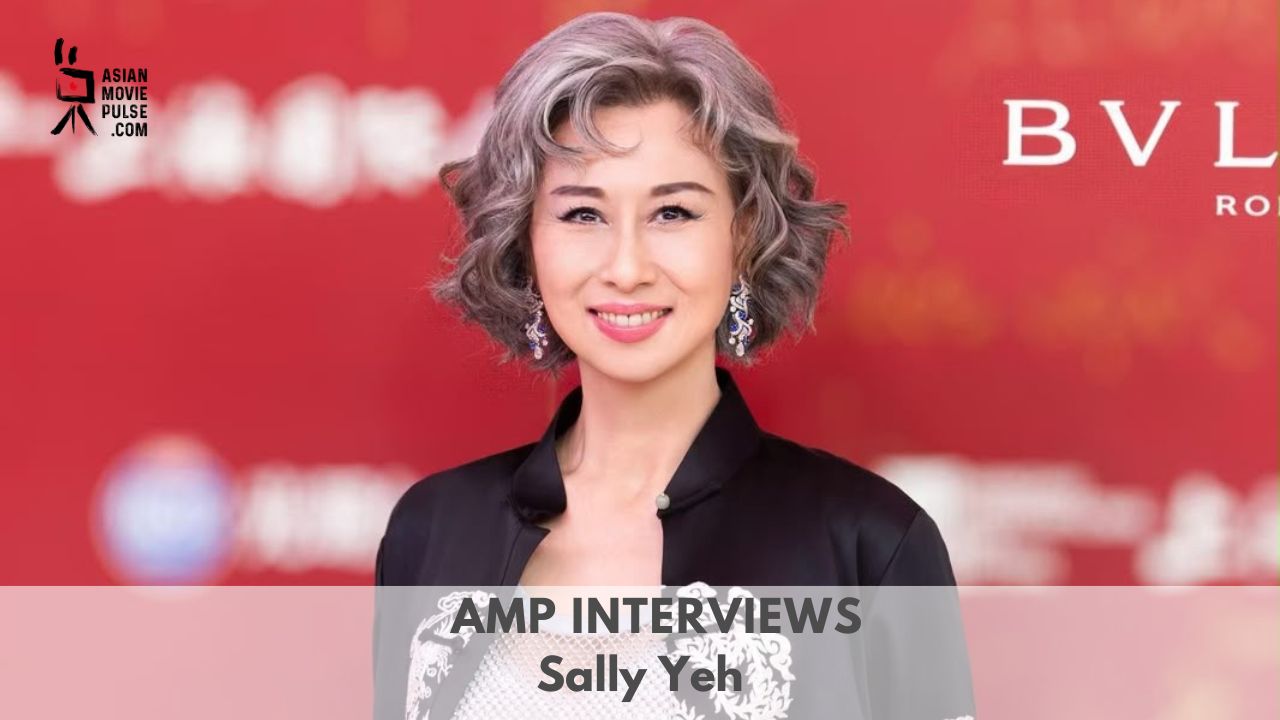
Veteran Hong Kong entertainer Sally Yeh has recently offered a comprehensive look into her distinguished career, delving into the musical influences that propelled her into stardom and revisiting her memorable performances in seminal films such as Tsui Hark’s "Peking Opera Blues" and John Woo’s "The Killer." Her reflections also touched upon the significant friendships forged with fellow actors, providing a rare glimpse into the camaraderie that defined Hong Kong’s vibrant entertainment industry during its golden era. This retrospective offers valuable insights into the artistic journey of an icon who seamlessly navigated the demanding landscapes of both music and cinema, leaving an indelible mark on Asian popular culture.
The Genesis of a Musical Icon: Influences and Early Career Ascent
Sally Yeh, born Sally Yip Sin-man, began her professional journey in the early 1980s, initially making a name for herself in Taiwan before migrating to Hong Kong. Her musical inclinations were shaped by a diverse array of influences, encompassing both Western pop sensibilities and the emerging Canto-pop sound that was rapidly gaining traction. Growing up with exposure to international artists, Yeh developed a vocal style that was both powerful and nuanced, distinguishing her from many contemporaries. Her initial foray into music saw her release Mandarin albums, which garnered attention and paved the way for her transition to the burgeoning Hong Kong music scene.
Upon arriving in Hong Kong, Yeh quickly adapted to the Canto-pop landscape, releasing her debut Cantonese album in 1984. This marked a pivotal moment, as she began to carve out a unique niche with her strong vocal delivery and charismatic stage presence. The 1980s and early 1990s represented the zenith of Canto-pop, a period characterized by fierce competition, innovative musical production, and the rise of superstar idols. Yeh flourished within this environment, delivering a string of hit songs and critically acclaimed albums. Tracks such as "Lai Ming But Yiu Loi" (Don’t Come at Dawn) and "Chau Sau Tin Ngaai" (Wanderer at the Edge of the Sky) became anthems, showcasing her versatility across ballads and more upbeat numbers. Her ability to convey deep emotion through her singing resonated deeply with audiences, solidifying her status as one of Canto-pop’s "queens." Industry analysts at the time often lauded her powerful voice and her capacity to infuse each performance with genuine passion, qualities that ensured her longevity in a highly competitive market. Her numerous awards from major music ceremonies underscored her critical and commercial success, cementing her legacy as a foundational figure in the genre.
A Crossover Star: Venturing into Hong Kong Cinema’s Golden Age
The Hong Kong entertainment industry of the 1980s and 1990s was characterized by a fluid boundary between music and film. It was common, almost expected, for successful singers to venture into acting, leveraging their existing fame to draw audiences to the silver screen. Sally Yeh was no exception, gracefully transitioning into cinema, where her natural charisma and expressive abilities found a new outlet. Her early film roles, while perhaps not always leading, served to establish her acting presence and demonstrate her potential beyond the concert stage. This period was also a golden age for Hong Kong cinema, a time of immense creativity, prolific output, and global recognition, producing a diverse range of genres from martial arts epics to gritty crime thrillers and romantic comedies. Yeh’s entry into this dynamic world placed her at the heart of an exciting artistic renaissance.
Iconic Collaborations: Tsui Hark and "Peking Opera Blues"
One of Yeh’s most celebrated film performances came in Tsui Hark’s 1986 action-comedy "Peking Opera Blues." Tsui Hark, a visionary director renowned for his genre-bending style and innovative cinematic techniques, presented a unique challenge and opportunity for Yeh. "Peking Opera Blues" is set in 1913 Beijing during the turbulent warlord era, a period of immense social and political upheaval in China. The film masterfully blends elements of action, comedy, drama, and even musical theater, revolving around three disparate women who become entangled in a revolutionary plot involving a stolen government document.
Yeh portrayed Miss Tung, a patriotic revolutionary disguised as a Peking Opera performer. Her character embodied a blend of fierce determination, quiet grace, and unwavering idealism, a stark contrast to the more flamboyant or cynical characters often seen in Hong Kong action films of the era. Working with Tsui Hark, known for his meticulous vision and demanding approach, would have required significant dedication. Industry observers often note Tsui’s ability to extract powerful performances from his actors by pushing them beyond their comfort zones, and Yeh’s role in "Peking Opera Blues" is a testament to this. Her performance as Miss Tung was critically praised for its depth and conviction, showcasing her ability to handle complex emotional arcs alongside demanding physical sequences. The film itself became a cult classic, celebrated for its strong female protagonists, its vibrant aesthetic, and its subversive take on traditional gender roles, solidifying its place as a landmark in Hong Kong cinema and a significant entry in the feminist action genre. The film’s critical success not only elevated Yeh’s acting profile but also demonstrated her versatility in a demanding cinematic environment.
The Woo-Yeh Synergy: "The Killer" and its Global Impact
Just three years later, in 1989, Sally Yeh collaborated with another towering figure of Hong Kong cinema, John Woo, on the seminal action film "The Killer." This film is widely regarded as a masterpiece of the heroic bloodshed genre, a subgenre that Woo largely pioneered, characterized by stylized violence, themes of loyalty, brotherhood, and moral ambiguity, often set against a backdrop of organized crime. "The Killer" tells the story of an assassin, Ah Jong (played by Chow Yun-fat), who accidentally blinds a singer, Jennie (Sally Yeh), during a shootout. Driven by guilt and a desire for redemption, he forms a bond with her and vows to help her regain her sight, leading to a tragic and violent confrontation with his former employers.
Yeh’s portrayal of Jennie was pivotal. She brought a profound sense of vulnerability and emotional depth to a character who serves as the moral compass of the film. Jennie is not just a victim; she is a figure of innocence and purity who profoundly impacts the hardened assassin. Her performances of melancholic songs in the film’s nightclub scenes further underscore her character’s fragile beauty and the tragedy that befalls her. John Woo is renowned for his meticulous direction, his focus on the emotional core of his characters, and his balletic staging of action sequences. Working with Woo, Yeh would have been guided to explore the nuances of Jennie’s internal struggle, her quiet resilience, and her burgeoning connection with Ah Jong. Her performance effectively balanced the film’s intense action with its deep emotional undercurrents, preventing it from becoming merely a spectacle of violence.
"The Killer" achieved immense critical and commercial success, not only in Asia but also internationally, particularly in the West. It became a defining film of Hong Kong cinema’s global impact, influencing countless filmmakers and solidifying John Woo’s reputation as a master of action. For Yeh, her role in "The Killer" further cemented her status as a serious actress capable of delivering powerful performances in high-stakes productions. The film’s enduring legacy is a testament to the collective talent involved, with Yeh’s contribution being a crucial element in its emotional resonance and timeless appeal.
Friendships and Professional Bonds: The Human Element
Beyond the dazzling lights of film sets and concert stages, Sally Yeh’s reflections also illuminated the profound friendships and professional bonds she forged throughout her career. The Hong Kong entertainment industry, despite its competitive nature, was often characterized by a close-knit community, especially during its peak. Collaborations frequently extended beyond a single project, leading to deep personal connections.
Yeh’s work with actors like Chow Yun-fat in "The Killer" and Cherie Chung in "Peking Opera Blues" undoubtedly fostered strong professional relationships that often blossomed into genuine friendships. In an industry where long hours and intense pressure were the norm, the camaraderie among cast and crew was essential for both morale and creative synergy. These friendships, as Yeh implies, were not merely superficial acquaintances but genuine relationships built on shared experiences, mutual respect, and the common pursuit of artistic excellence. Such bonds were a defining feature of the era, where actors, directors, and crew often worked together across multiple projects, creating a collaborative ecosystem that nurtured some of the most iconic films and musical productions in Asian history. These personal connections likely provided a crucial support system, helping artists navigate the challenges and celebrate the triumphs inherent in a high-profile career.
Sustaining a Legacy: Later Career and Enduring Influence
Following the peak of her film career in the late 1980s and early 1990s, Sally Yeh continued to maintain a significant presence in both the music and film industries, albeit with a more selective approach. Her musical output evolved, reflecting changing tastes while still retaining her signature vocal power. She continued to release successful albums and perform in concerts, demonstrating an enduring appeal to her loyal fanbase. While her film roles became less frequent, each appearance was often met with anticipation, a testament to her established acting prowess.
Yeh’s influence extended beyond her immediate artistic output. She became a role model for aspiring artists, particularly female singers and actresses, showcasing how to achieve longevity and maintain artistic integrity in a demanding industry. Her ability to transition seamlessly between emotionally charged ballads and intense dramatic roles set a benchmark for versatility. Even as the Canto-pop landscape and Hong Kong cinema underwent significant transformations in the new millennium, Yeh’s legacy remained strong. Her work is frequently revisited and celebrated, underscoring her lasting impact on the cultural fabric of Hong Kong and beyond. Her reflections today offer a valuable historical perspective, connecting the past glories of the industry with its contemporary appreciation.
Analysis of Her Dual Star Power and Cultural Significance
Sally Yeh’s career is a compelling study in dual star power, a rare feat in any entertainment industry. She not only achieved superstardom as a singer during the golden age of Canto-pop but also carved out a respectable and impactful career as an actress, collaborating with some of the most revered directors in Hong Kong cinema. This dual success allowed her to reach a broader audience and solidify her status as a multifaceted icon.
Her contribution to Canto-pop was characterized by a powerful vocal range and an ability to convey profound emotion, establishing her as a standard-bearer for female vocalists. Simultaneously, her film roles, particularly in "Peking Opera Blues" and "The Killer," showcased her dramatic depth and versatility. In "Peking Opera Blues," she embodied the strength and resilience of women in a period of upheaval, contributing to a narrative that challenged traditional gender roles. In "The Killer," she portrayed a character of profound innocence and moral clarity, providing the emotional anchor for a story steeped in violence and redemption.
Yeh’s image consistently projected strength, independence, and grace, qualities that resonated deeply with her audience. She represented a generation of artists who not only entertained but also subtly pushed cultural boundaries, particularly for women in the public eye. Her enduring appeal lies in her authentic artistry, her unwavering commitment to her craft, and her ability to transcend fleeting trends. Through her music and her performances, Sally Yeh has left an indelible legacy, serving as a vibrant reminder of the rich artistic heritage of Hong Kong and her pivotal role within it. Her reflections serve as a valuable historical account, enriching our understanding of a truly iconic career that continues to inspire.