Nadine Labaki’s critically acclaimed film, Capernaum, burst onto the international stage at the 2018 Cannes Film Festival, where it not only secured the prestigious Jury Prize but also captivated audiences with an extraordinary fifteen-minute standing ovation. This triumph marked the beginning of an unprecedented journey for the Lebanese drama, transforming it into a global phenomenon that defied conventional expectations for socially minded cinema from the Middle East. The film’s compelling narrative, unflinching portrayal of child poverty, and raw performances propelled it to widespread critical recognition and remarkable commercial success, ultimately making it the highest-grossing Arabic and Middle Eastern production in history.
The Genesis of a Vision: Nadine Labaki’s Deep Dive into Lebanon’s Underbelly
Before Capernaum, Nadine Labaki had already established herself as a significant voice in Lebanese cinema with films like Caramel (2007) and Where Do We Go Now? (2011), which explored themes of female solidarity and sectarian conflict with a distinct blend of humor and pathos. However, Capernaum represented a stark departure, embracing a gritty, social-realist approach to tackle some of the most pressing humanitarian issues facing Lebanon and the world.
Labaki’s motivation for Capernaum stemmed from years of meticulous research and observation into the lives of vulnerable children in Beirut. Driven by a profound sense of responsibility and a desire to give a voice to the voiceless, she spent considerable time in courts, juvenile detention centers, and impoverished neighborhoods, immersing herself in the harsh realities faced by undocumented children, refugees, and those born without official papers. This extensive groundwork informed every aspect of the film, from its narrative structure to its casting choices, ensuring a level of authenticity that resonated deeply with audiences worldwide. She often expressed in interviews that the film was born out of her own frustrations and questions about systemic failures that condemn children to lives of hardship from birth.
Crafting Authenticity: The Power of Non-Professional Actors
One of the most defining characteristics of Capernaum is its reliance on non-professional actors, many of whom were drawn from the very environments depicted in the film. This daring casting choice infused the production with a documentary-like weight and an undeniable authenticity that professional actors, however skilled, might struggle to replicate.
The film’s protagonist, Zain, is portrayed with astonishing depth and maturity by Zain Al Rafeea, a Syrian refugee living in Beirut at the time of filming. Discovered by Labaki and her team in the streets, Al Rafeea’s own experiences mirrored many of the hardships faced by his character, lending an unparalleled rawness to his performance. His wary, watchful intelligence and profound, lived grief were not merely acted but seemed to emanate from a place of genuine understanding. Following the film’s success, Al Rafeea and his family were resettled in Norway, a testament to the real-world impact the film had on its cast.
Similarly, Yordanos Shiferaw, who plays Rahil, the undocumented Ethiopian cleaner, brought a quiet desperation and warmth to her role, reflecting the struggles of migrant workers in Lebanon. Boluwatife Treasure Bankole, the infant who plays Yonas, produced reactions so natural and unforced that several scenes felt stolen directly from real life, further blurring the lines between fiction and reality. Even Kawthar Al Haddad and Fadi Kamel Youssef, as Zain’s parents, resisted easy villainy. Labaki directed them to portray characters who were not inherently cruel but rather ground down by poverty and systemic neglect, making their actions understandable, if not excusable, within their desperate circumstances. This commitment to portraying multifaceted characters, even in villainous roles, underscored the film’s nuanced approach to complex social issues.
Labaki’s directorial method involved extensive improvisation and allowing her cast to respond authentically to situations, rather than adhering strictly to a script. This organic process, though challenging, was instrumental in capturing the raw emotion and lived experiences that define Capernaum. The filming process itself was lengthy, spanning six months, during which Labaki amassed an extraordinary five hundred hours of footage. This immense volume of material required an equally monumental effort in the editing suite to sculpt into a coherent and impactful narrative.
A Story Unfolding: Narrative Structure and Thematic Depth
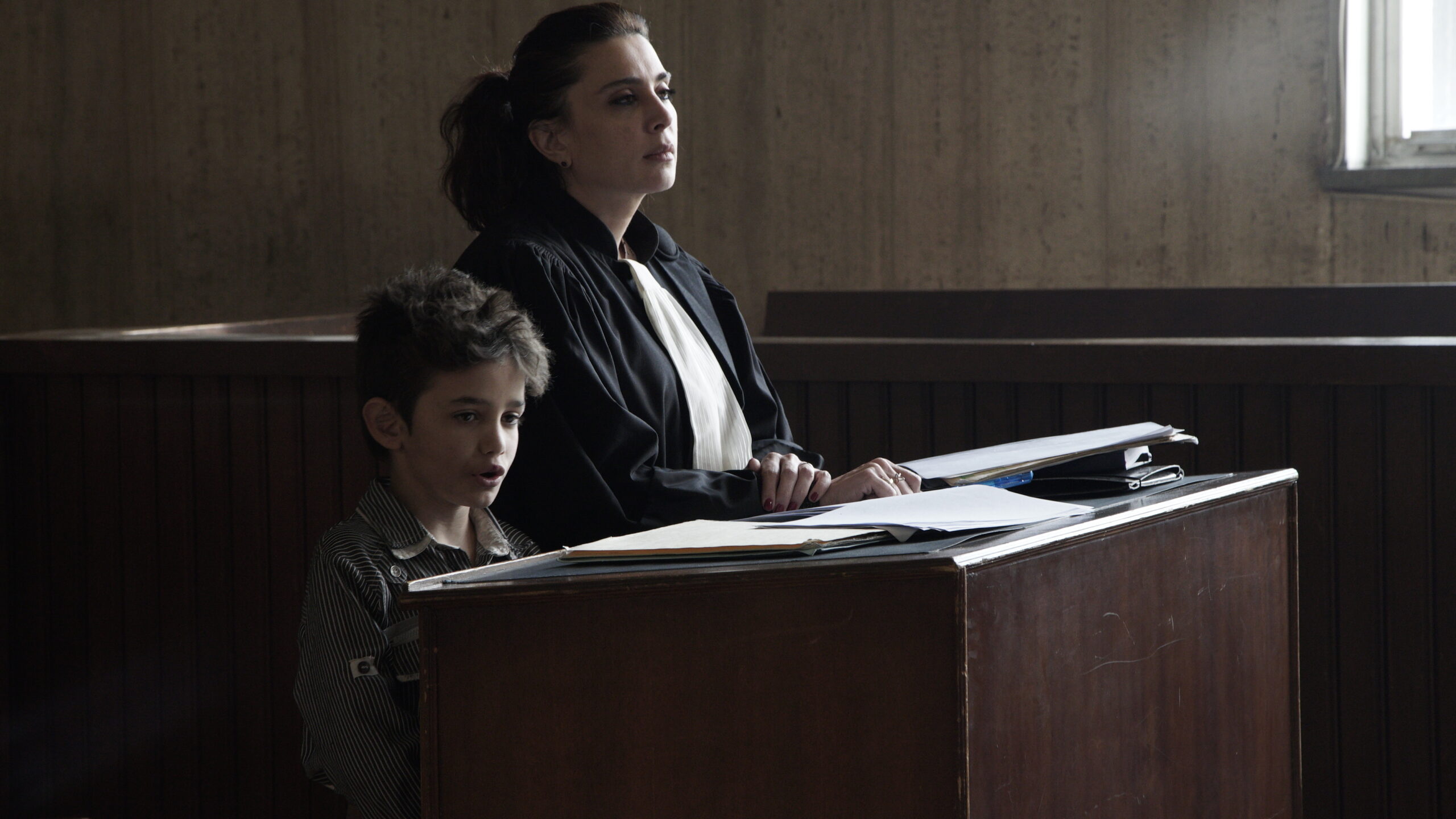
Capernaum opens in a Beirut courtroom, immediately gripping the audience with its audacious premise: a twelve-year-old boy named Zain is suing his own parents. His charge is simple yet profoundly resonant: they gave him life. This audacious framing device sets the stage for a narrative that folds back on itself, tracing the harrowing journey of how a child from the slums arrives at such a desperate and unprecedented moment.
The film then meticulously details Zain’s daily existence, a brutal chronicle of child labor, neglect, and exploitation. He shoulders the responsibility of caring for a multitude of younger siblings, runs dangerous errands for a predatory landlord, and witnesses helplessly as his eleven-year-old sister, Sahar, is married off for little more than a few chickens – a stark portrayal of child marriage driven by extreme poverty. This incident serves as a catalyst for Zain’s flight, leading him to a precarious independence.
His path intersects with Rahil, an undocumented Ethiopian cleaner, who offers him temporary refuge. Zain, in turn, becomes the sole carer for Rahil’s infant son, Yonas, after she is detained by authorities. This segment of the film highlights the perilous existence of undocumented migrants and their children, who live in a constant state of fear and vulnerability, often without legal identity or access to basic services. The plot, heavy with incident and systemic injustice, maintains a relentless grip on the viewer, yet the courtroom frame, revisited intermittently, keeps a fragile thread of hope running beneath the pervasive hardship, offering the possibility of accountability and a voice for the oppressed.
Labaki directs with a rare and potent mix of fury and tenderness. Her camera acts almost as a silent witness, following Zain through the labyrinthine markets, squalid shanties, and hidden back alleys of Beirut with a restless, handheld immediacy. The register of the film navigates deftly between social realism and melodrama, leaning into emotional resonance without allowing it to curdle into manipulative pity. Her message is direct and unequivocal: children bear the heaviest cost for the failures of adults, of societal systems, and of arbitrary borders. A child without papers, without legal recognition, is a child without a future, condemned to an invisible existence outside the protection of the law.
Critical Acclaim and the Festival Circuit
Capernaum‘s journey began on the hallowed grounds of the Cannes Film Festival in May 2018, where its world premiere was met with an emotional outpouring and the aforementioned record-breaking standing ovation. The Jury Prize, awarded by a panel led by Cate Blanchett, positioned Capernaum as one of the festival’s most significant works, signaling its profound impact even amidst a competitive lineup of global cinematic heavyweights. This early recognition set the stage for a remarkable run on the international festival circuit.
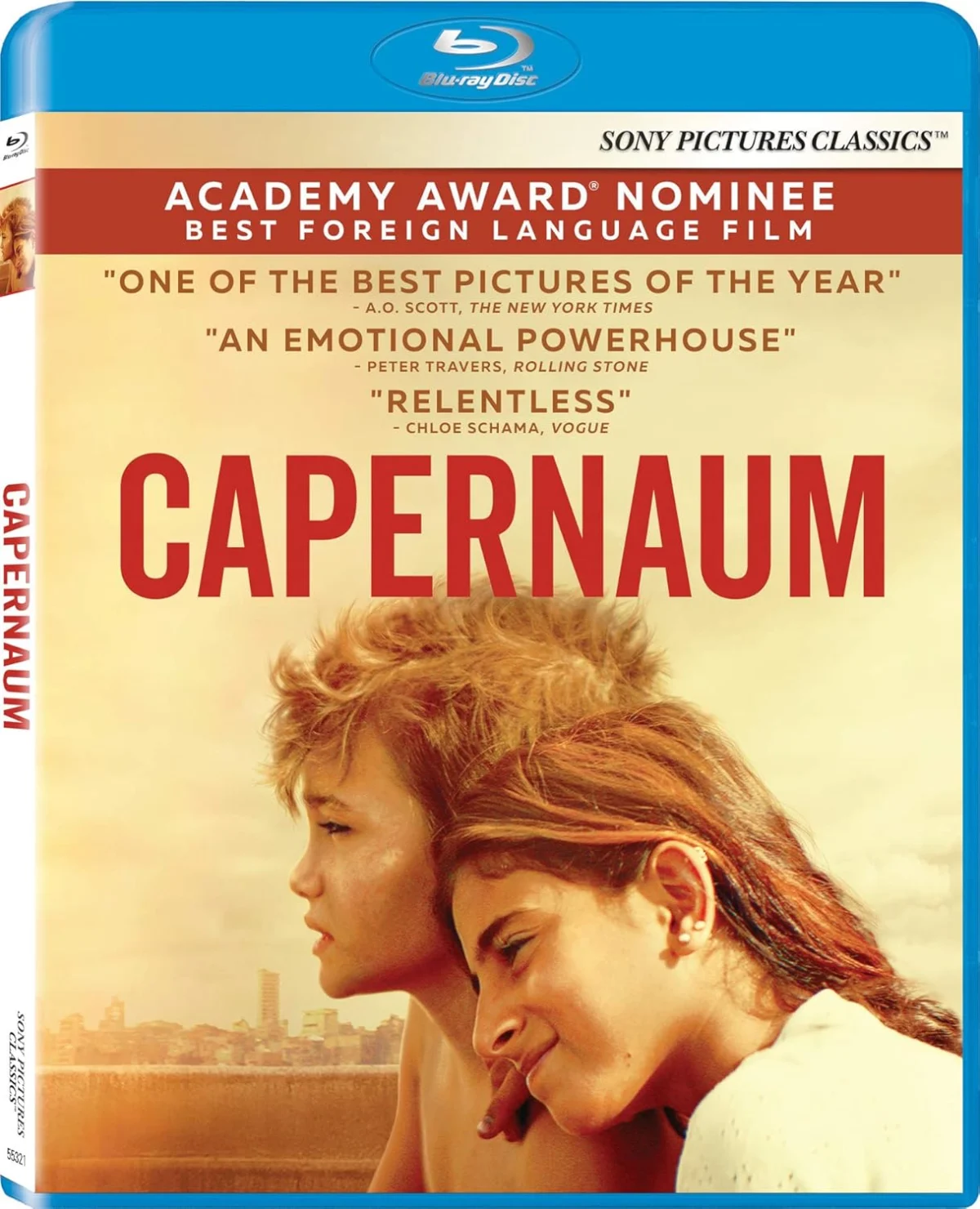
Following Cannes, the film continued to garner accolades and critical praise at numerous prestigious festivals worldwide. It secured the Audience Award at the Melbourne International Film Festival, the Jury Prize at the Sarajevo Film Festival, and the Audience Award at the Calgary International Film Festival, among others. Its consistent performance across diverse audiences underscored its universal appeal and the resonant power of its narrative. Critics lauded Labaki’s brave storytelling and the raw authenticity of its performances. On Rotten Tomatoes, Capernaum holds an approval rating of 90% based on 179 reviews, with an average rating of 7.6/10. The website’s critical consensus states, "Capernaum’s look at the cycle of poverty and violence is unsparing, but director Nadine Labaki’s compassionate touch and her cast’s compelling performances give the difficult watch a powerfully humanistic glow." Metacritic assigned the film a weighted average score of 75 out of 100, based on 33 critics, indicating "generally favorable reviews."
The Awards Season Journey
The momentum from its festival success carried Capernaum into the highly competitive awards season. The film earned a coveted nomination for the Academy Award for Best Foreign Language Film at the 91st annual Oscars, placing it alongside acclaimed international productions like Alfonso Cuarón’s Roma and Paweł Pawlikowski’s Cold War. While Roma ultimately took the Oscar, Capernaum‘s nomination was a significant milestone for Lebanese cinema, marking the first time a film from the country had reached this stage. This recognition further amplified its global visibility and critical standing.
Beyond the Oscars, the film received nominations at other major industry awards, including the Golden Globes for Best Foreign Language Film, the BAFTAs for Best Film Not in the English Language, and the Césars (France’s national film awards) for Best Foreign Film. Although it did not win these particular categories, the sheer volume of nominations from such prominent bodies solidified its status as a major international cinematic achievement. Notably, Labaki also took home the Directing Prize at the Asia Pacific Screen Awards, an important recognition within the film’s geographic and cultural sphere, further cementing her reputation as a formidable directorial talent.
Unprecedented Commercial Success: A Global Box Office Phenomenon
Perhaps one of the most surprising aspects of Capernaum‘s journey was its extraordinary commercial performance. Against a modest budget of approximately $4 million, the film grossed over $68 million worldwide, a staggering return that far surpassed expectations for an independent social drama, particularly one from the Middle East. This made it, by a significant margin, the highest-grossing Arabic and Middle Eastern production in history, a testament to its universal appeal.
A substantial portion of this commercial success came from an unexpected blockbuster run in China. The film resonated powerfully with Chinese audiences, who were deeply moved by its themes of child poverty, family struggles, and resilience in the face of adversity. The emotional narrative, coupled with strong word-of-mouth and positive critical reception within China, propelled Capernaum to a box office gross of over $54 million in the country alone. This phenomenon highlighted the film’s ability to transcend cultural barriers and connect with viewers on a fundamental human level, proving that stories rooted in specific regional challenges can achieve global resonance. Its success in China underscored a growing appetite for diverse, emotionally resonant foreign films among Chinese moviegoers, and demonstrated the potential for niche, arthouse films to break into mainstream markets with the right emotional connection.
Technical Brilliance: Crafting the Visual and Auditory Landscape
Beyond its powerful narrative and authentic performances, Capernaum is a triumph of cinematic craftsmanship. Christopher Aoun’s cinematography is a standout achievement, capturing the chaotic, sun-bleached beauty of Beirut’s impoverished areas without ever prettifying the harsh realities. His camera often operates at a child’s eye level, immersing the viewer directly into Zain’s perspective and experiences. Aoun masterfully uses natural light and a handheld approach to create a sense of immediacy and urgency, allowing the images to crowd the frame with intricate details of daily life in the slums, from bustling markets to cramped living spaces. This visual style underscores the film’s social realist ambitions, making the environment itself a palpable character.
The editing, a monumental task undertaken by Konstantin Bock and Laure Gardette, is a feat of meticulous shaping. Given Labaki’s vast archive of 500 hours of raw footage, their challenge was to carve a taut, coherent, and emotionally resonant narrative from an overwhelming amount of material. They skillfully maintained the film’s brisk pace, driven forward by Zain’s small daily battles, while ensuring that the emotional arc remained clear and impactful. The seamless flow between the present-day courtroom drama and Zain’s flashback narrative is a testament to their expertise in constructing a complex timeline.
Khaled Mouzanar’s score, rising gently beneath the drama, plays a crucial role in enhancing the film’s emotional depth without ever becoming manipulative. As Labaki’s husband and frequent collaborator, Mouzanar’s understanding of her vision is evident. His compositions subtly underline the sorrow and resilience inherent in the story, trusting the powerful images and performances to carry the primary emotional weight. The music serves to amplify the characters’ inner lives and the broader emotional landscape of the film, rather than dictating the audience’s feelings.
Broader Impact and Legacy
Capernaum is a demanding and deeply harrowing watch, unflinching in its refusal to look away from human trafficking, child marriage, child labor, and the plight of the undocumented. It compels its audience to confront these uncomfortable truths. While some viewers may find its accumulation of misery relentless, the anger behind it feels earned rather than manipulative, and the pervasive humanity never dims.
The film has had a significant impact far beyond the screen. It sparked crucial conversations about child rights, the refugee crisis, and the importance of birth registration in Lebanon and globally. Labaki, along with her team, engaged with various NGOs and international organizations, using the film’s platform to advocate for policy changes and greater protections for vulnerable children. The resettlement of Zain Al Rafeea and his family to Norway is a tangible example of the film’s real-world influence, offering hope that the stories told can lead to direct positive change.
Cinematically, Capernaum has elevated Lebanese and Middle Eastern cinema on the world stage, demonstrating that authentic, locally rooted stories can achieve global resonance and commercial viability. It has inspired other filmmakers to tackle difficult social subjects with courage and artistic integrity, proving that there is an audience for complex, thought-provoking narratives. The film serves as a powerful reminder of how much the most vulnerable are forced to carry and a testament to the resilience of the human spirit in the face of unimaginable adversity.
In its unique blend of artistic integrity, profound social commentary, and unexpected commercial triumph, Capernaum leaves an indelible mark on global cinema. It stands as a sobering, beautifully realized piece of filmmaking that lingers long after the credits roll, cementing Nadine Labaki’s legacy as a director who not only tells stories but also instigates vital dialogues and, in some cases, even facilitates real-world change. For anyone drawn to socially engaged storytelling with real emotional force, Capernaum remains essential viewing.