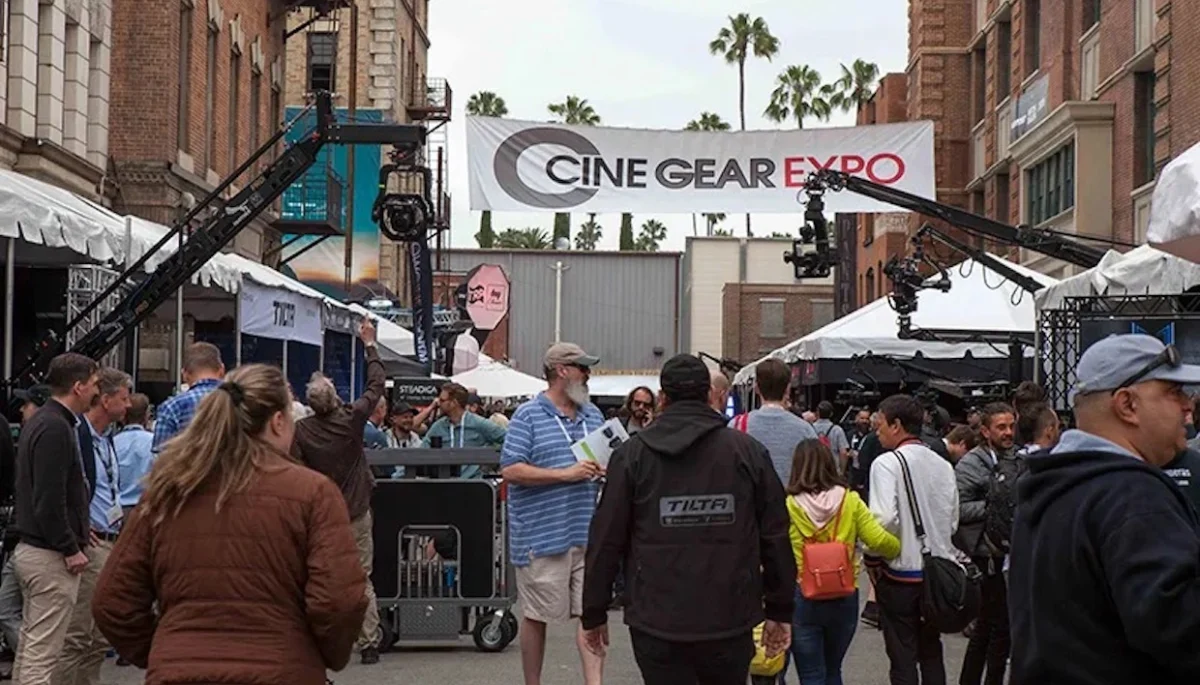
Cine Gear Expo 2026, held on the iconic Universal Studios Lot, once again affirmed its unique position in the global calendar of motion picture technology trade shows, distinguishing itself with a pronounced focus on the artistry and craft of filmmaking. Unlike larger, more diversified events such as NAB Show, which often prompt existential reflections on cinema’s place amidst broader video growth, Cine Gear consistently cultivates an atmosphere of optimism, celebrating the enduring relevance of film and the collaborative spirit of Hollywood. This two-day gathering serves as a vital nexus for cinematographers, gaffers, lighting technicians, and other industry professionals from Los Angeles and beyond, offering a comprehensive look at the latest advancements in gear while fostering invaluable networking opportunities over casual conversations and shared meals.
A Deep Dive into Industry Sentiment and Demographics
The expo provided a fascinating microcosm of the film industry’s current landscape. Independent filmmaker Alec Moeller, a "New Faces class of 2022" alumnus, articulated a sentiment shared by many who prioritize artistic intent over relentless technological pursuit. Moeller, known for his expertise in vintage lenses, confessed to attending in an "ethnographic sense," driven by a preference for shooting on film and employing naturalistic lighting techniques. This perspective underscores a broader movement within the industry that champions traditional craft even as digital innovations accelerate.
A notable observation on Friday morning was the striking presence of young attendees, a demographic shift that caught Moeller’s eye. The sight of a young person sporting an Obsession shirt resonated with the energy permeating the expo, suggesting a burgeoning enthusiasm fueled by recent independent successes like Obsession and Backrooms. This influx of youth, many likely film school undergraduates or aspiring freelancers, highlighted the expo’s role as a gateway for the next generation of filmmakers. Industry analysts often point to Los Angeles’s robust freelance economy, where a significant portion of the creative workforce operates on project-to-project engagements, as a factor contributing to such early-week attendance. Organizers noted that the Friday crowd often skews towards students and emerging professionals, while Saturday typically draws a more established, union-card-carrying cohort, reflecting the diverse professional strata within the industry. This demographic blend underscores Cine Gear’s dual function as both a cutting-edge showcase and a vibrant community forum.
Navigating the Universal Studios Backlot: Logistics and Atmosphere
Historically, Cine Gear Expo has graced prestigious locations, with previous iterations held on the Warner Bros. lot, a setting that conjured images of cinematic introspection reminiscent of films like Christian Bale’s Knight of Cups (2015). The move to Universal Studios Lot for 2026 presented its own set of logistical considerations and atmospheric shifts. While the iconic setting added to the allure, the layout proved challenging for some attendees.
Accessing highly anticipated panels, such as those featuring esteemed cinematographers like Ed Lachman, often necessitated early queuing under the direct Southern California sun, a minor inconvenience that nonetheless spoke to the popularity of these educational sessions. The physical separation between the main backlot area, where most vendors showcased their innovations under expansive tents, and the seminar zone, requiring a shuttle ride, created a logistical hurdle. This spatial divide made seamless back-and-forth transitions between technology demonstrations and educational talks cumbersome, leading to a more deliberate planning of one’s schedule. The experience, in its segmented navigation and emphasis on sought-after sessions, drew comparisons to a major film festival like Sundance, rather than the more intimate, walkable atmosphere of Telluride. Nevertheless, the festival-like ambiance extended to the enthusiastic consumption of free swag, with attendees eagerly collecting branded merchandise. The ubiquitous, comically large, bright yellow Insta360 totes became a practical and visible symbol of the expo experience, perfect for stowing away other giveaways and smaller branded bags.
The Pinnacle of Cinematography: The ASC Panel
The second day of Cine Gear 2026 commenced with one of the expo’s most anticipated events: the annual American Society of Cinematographers (ASC) panel. This year’s installment was particularly impressive, featuring a remarkable fifteen ASC members, a testament to the Society’s deep bench of talent and its commitment to knowledge sharing. The panel boasted an array of celebrated DPs, including Jeff Cronenweth (known for his work on The Girl with the Dragon Tattoo, 2011), Rachel Morrison (Black Panther, 2018), Karl Walter Lindenlaub (Independence Day, 1996), and Natasha Braier (I Love Boosters, 2026).
The session opened with a captivating montage celebrating over a century of work by ASC members, a visual journey through cinematic history that underscored the profound impact of their craft. Attendees were treated to fleeting glimpses of iconic imagery, including John Toll’s Oscar-nominated cinematography in The Thin Red Line (1998), evoking a sense of reverence for the art form. While the sheer number of panelists meant that individual mic time was limited, preventing deep dives into specific processes, their collective sound bites offered illuminating insights into their philosophies and approaches. Steven Fierberg (Secretary, 2002) shared a particularly resonant thought, stating, "I believe in body consciousness. When you’re standing on the set, where does your body want to go with that camera? Often you don’t know why." This intuitive approach to camera movement and composition highlighted the often-unspoken, visceral connection cinematographers have with their craft. Natasha Braier offered a unique perspective, attributing her ability to tap into the unconscious to her upbringing as the child of psychoanalysts, and noting how her work is deeply informed by growing up under a military dictatorship in Argentina, where everything was shrouded in subtext. These diverse perspectives underscored the multifaceted nature of cinematography, blending technical mastery with profound artistic and psychological understanding. The ASC panel reinforced the Society’s role not just as an honorary organization, but as a living repository of cinematic wisdom and a vibrant platform for its transmission.
Illuminating the Future: Advances in Lighting Technology
Following the ASC panel, the focus shifted to the dynamic world of lighting technology, a sector undergoing rapid transformation. A meeting with Local 728 gaffers Drew Moe and Jeffrey Taylor, co-founders of the boutique rental house Canary Yellow (alongside Ryan Oppedisano), offered a ground-level view of current trends and priorities. Their visit to Stage 17, which housed a concentration of lighting and lighting-adjacent vendors, including Blackmagic Design, was strategically aimed at assessing new products for their rental fleet. "We’re here to talk to the vendors, hear their elevator pitches for the new products they’re trying to get out into the world, to see what we want to add to the fleet," Moe explained, highlighting the pragmatic goals of many industry professionals attending Cine Gear.
The gaffers emphasized that keeping abreast of rapid advancements in LED lighting technology is more crucial than ever before. Moe provided historical context: "Most of Hollywood’s history has just been tungsten, then HMIs, then fluorescent. That was a pretty slow timeline compared to what we have now. Every year they’re updating LED units with new chipsets or attachments. It’s an exciting time." This acceleration in innovation means that lighting professionals must constantly adapt and invest in the latest gear to remain competitive and offer cutting-edge solutions. Moe expressed particular admiration for Aputure, singling out their proprietary Blair CG color engine, a technology that garnered significant attention earlier in the year at NAB Show in Las Vegas. This focus on color fidelity and advanced control speaks to the increasing demand for sophisticated lighting instruments that offer unprecedented creative flexibility.
Further demonstrating the evolution in lighting control, Ian Peterson guided Moe and Taylor through V3, the latest update to Blackout Lighting Console. This significant software release introduces visual control components, revolutionizing processes that have historically relied heavily on numerical values. The intuitive iPad control over complex lighting commands showcased a fluid user experience, offering an optionality that, while initially overwhelming in its breadth, promised enhanced efficiency and creative freedom. Industry observers suggest that V3, upon its release later this year, could be a game-changer, potentially separating Blackout from its competitors in the lighting control space by offering a more accessible and visually driven interface. The integration of such advanced control systems signifies a broader trend towards making complex lighting setups more manageable and artist-friendly, empowering cinematographers and gaffers to achieve their creative visions with greater precision and speed. The global market for LED lighting in the film and TV production sector is projected to continue its robust growth, driven by factors such as energy efficiency, versatility, and increasingly sophisticated color rendering capabilities, making these innovations at Cine Gear particularly pertinent.
The Dawn of a New Era: The Cinelux Sixteen Film Camera
Venturing into the outdoor backlot area, an encounter with Caz Voorhees, chief engineer of the Cinelux Sixteen, unveiled one of the expo’s most groundbreaking innovations: a new 16mm film camera from Cinelux Cinema Tools. A prototype of this revolutionary device was proudly displayed at the booth of the CSLA rental house, drawing considerable attention. The Cinelux Sixteen is not merely a new film camera—it is the first new film camera to be developed in years and holds the unique distinction of being "the only camera designed to shoot film and digital simultaneously." This hybrid capability represents a significant leap forward, directly addressing a critical tension in modern filmmaking: the desire for the organic aesthetic of film juxtaposed with the practical demands for immediate digital workflow.
The camera records digital footage to an SD card at a robust 3.2k resolution. This digital capture includes not only proxies for quick review but also a file with a film-emulation LUT (Look Up Table) applied, designed to closely approximate the look of the actual film footage. Voorhees described the camera’s development as a "personal project" for his small team over the past two and a half years, a passion-driven endeavor aiming to bridge the gap between analogue and digital. This innovative approach promises to assuage producer concerns about the perceived inefficiencies of shooting on film, particularly regarding the expedited processing of dailies, while still allowing directors to pursue their artistic vision with genuine film stock. The target release date for the Cinelux Sixteen is mid-2027, with Voorhees estimating two more prototype versions before the team is fully satisfied with the product’s readiness for widespread use.
Voorhees elaborated on the technical hurdles, revealing that the digital capture element was surprisingly the "easy part," largely due to the abundance of information available on integrating sensors with computers. By leveraging a Sony sensor, they bypassed the arduous task of developing that component from scratch. The true challenge, he admitted, lay in perfecting the film magazine. "The magazine is really fucking difficult, because you have to move it from one side to the other side, all within an inch or two of space and with zero friction—it has to not touch anything," Voorhees explained, highlighting the precision engineering required for flawless film transport. Despite these difficulties, the rest of the camera’s development "has kind of just come together." Adding another layer of innovation, the project incorporates an open-source philosophy. "We want to make it so that the magazine stuff is all online," Voorhees stated, envisioning a future where users could download and 3D-print a magazine in a pinch, fostering a sense of ownership and community engagement around the camera. This blend of cutting-edge hybrid technology and an open-source ethos positions the Cinelux Sixteen as a potentially disruptive force, democratizing access to film capture and streamlining the film-digital workflow for a new generation of filmmakers.
Preserving Legacy, Forging New Looks: The Craft of Lens Rehousing
Adjacent to these groundbreaking innovations, the booth of Zero Optik offered a testament to the enduring value of classic optics and the intricate craft of lens rehousing. The company is well-regarded in the industry for their meticulous work, notably having rehoused a set of vintage Canon FD lenses from the 1980s for a film shoot earlier in the year, as recounted by an attendee. Zero Optik’s journey in rehousing services began nearly a decade ago with a set of Bausch & Lomb Ultra Baltar lenses, legendary optics from the late 1930s to early ’40s. Operations manager Alex Baxter explained that these photography lenses, originally incompatible with film cameras equipped with mirror shutters, were "relegated to attics and basements for years." However, the advent of digital cinema "all of a sudden you had all these new options," breathing new life into these dormant optical treasures.
These particular Bausch & Lomb lenses hold a special place in the heart of acclaimed cinematographer Ed Lachman, who famously used them to shoot both El Conde (2023) and Maria (2024), demonstrating the timeless appeal and unique character these vintage optics can impart. Beyond vintage photographic glass, Zero Optik also meticulously rehouses new photography lenses from brands like Leica, Olympus, and Nikon, transforming them into "proper cinema lenses" suitable for the rigorous demands of film production. Their client roster spans individual Directors of Photography, major rental houses, and even prestigious institutions like the ASC. The American Society of Cinematographers commissioned Zero Optik to restore a priceless set of Todd-AO 65mm prime lenses from the 1950s, discovered in their archives. These iconic lenses were instrumental in capturing the grandeur of Hollywood classics such as Oklahoma! (1955) and The Sound of Music (1965). Zero Optik collaborated closely with celebrated cinematographer Greig Fraser (Dune 2, 2024; Project Hail Mary, 2026), who provided invaluable input to "try to get as consistent of a look across the set as possible," according to Baxter. These restored Todd-AO lenses are now exclusively available for rent through Keslow Camera, ensuring their continued use in contemporary cinema. Zero Optik’s work underscores a significant trend in cinematography: the strategic blending of cutting-edge digital capture with the distinctive aesthetic qualities of classic glass, offering filmmakers an unparalleled palette of visual expression.
Atlas Lens Co.: Pioneering Anamorphic Aesthetics
In the dynamic realm of cinematic optics, Atlas Lens Co. stands out with a unique origin story rooted in practical industry experience and a profound passion for specialized glass. Cofounder Dan Kanes’s journey through the ranks—from lighting technician to DIT, and eventually to cinematographer—provided him with an intimate understanding of production needs. During the early surge of digital cinematography, Kanes identified a critical market gap for wireless HD video transmitters. Driven by entrepreneurial spirit, he developed these essential tools from scratch in his garage, founding Paralinx, a company he later successfully sold to the Vitec Group and Teradek.
Instead of indulging in luxury purchases with the proceeds, Kanes channeled his "windfall" into his true passion: anamorphic lenses. This led to the formation of Atlas Lens Co. Kanes and his nascent company unveiled their first anamorphic lens prototype at NAB Show in 2017. In the ensuing nine years, Atlas lenses have rapidly ascended to prominence, featuring in some of Hollywood’s most significant productions, including Project Hail Mary (2026), Babylon (2022), and the eagerly anticipated Dune: Part Three (2026). Atlas now offers three distinct anamorphic lens lines: Orion, Mercury, and the recently announced Kaizen series, each designed to cater to specific creative demands.
The flagship Orion line is celebrated for its "vintage look that’s reminiscent of lenses from the 1970s and 1980s." However, Kanes highlights their unique characteristic: a "quite parallel field curvature" that distinguishes them from many vintage anamorphic lenses typically exhibiting high field curvature. This innovation allows cinematographers to "hold people in focus across the frame," enabling compositions like two- or even four-shots of faces where "the focus doesn’t fall off too much from left to right." This technical advancement provides unparalleled creative flexibility, allowing for expansive anamorphic compositions without the traditional compromises in depth of field across the frame.
The Kaizen Series Anamorphic lenses, announced at NAB Show earlier this year and now shipping, are specifically engineered for large sensor cameras such as the Fujifilm GFX Eterna 55, the Arri Alexa 265, or the Blackmagic Design Ursa Cine 17K. Kanes notes their versatility, emphasizing that these lenses still deliver exceptional results on Super 35 or full-frame sensors. Atlas Lens Co.’s commitment to combining classic anamorphic aesthetics with modern optical engineering continues to push the boundaries of cinematic imagery, offering filmmakers powerful tools to craft distinctive visual narratives. The company’s trajectory exemplifies how passionate, industry-rooted innovation can rapidly reshape the tools available to cinematographers, influencing the visual language of contemporary cinema.
Community, Education, and the Enduring Spirit of Cine Gear
The overarching theme that resonated throughout Cine Gear Expo 2026 was the profound sense of community and the invaluable opportunities for education and connection it provides. Cinematographer Chapin Hall, encountered at the Cinelux booth, articulated this sentiment perfectly. Despite no longer being based in Los Angeles, he makes a deliberate effort to attend Cine Gear each year, declaring it his favorite trade show. "It’s the most fun. The community’s great. Sometimes I can’t make it around the corner for two hours because I keep running into friends," Hall remarked, capturing the expo’s unique blend of professional development and social camaraderie. This personal connection, often absent in more corporate-feeling events, is a cornerstone of Cine Gear’s appeal.
The educational aspect of the expo culminated in a seminar featuring M. David Mullen, presented by Red Digital Cinema. Mullen, a prolific and generous contributor to the cinematography.com forums, demonstrated his exceptional pedagogic ability. At one point, he meticulously guided the audience through a complicated tracking shot from the third season of The Marvelous Mrs. Maisel (2019), dissecting the scene to explain the precise placement and movement of each of the four cameras involved at any given moment. This level of detailed technical and artistic analysis provided invaluable insights for aspiring and seasoned cinematographers alike, underscoring the importance of understanding complex shot design and execution.
The formal proceedings of Cine Gear 2026 concluded, for many, with the annual barbecue at the ASC Clubhouse in Hollywood. After two days of navigating the expansive Universal Studios lot, engaging with cutting-edge technology, and absorbing expert insights, the barbecue offered a moment of respite and informal celebration. Seated outdoors in good company, enjoying a hearty spread of hot dogs, potato and pasta salad, barbecue chicken, and ribs, attendees could reflect on the whirlwind of the expo. This convivial gathering brought into sharp focus the community and camaraderie that remains a powerful draw for attendees each year. Cine Gear Expo is more than just a trade show; it is a vital annual reunion for the filmmaking community, a place where innovation meets tradition, where friendships are forged and renewed, and where the enduring passion for the art of cinema is celebrated and advanced. Its unique blend of technological showcase, educational forum, and community gathering ensures its continued relevance and importance in the ever-evolving landscape of the motion picture industry.