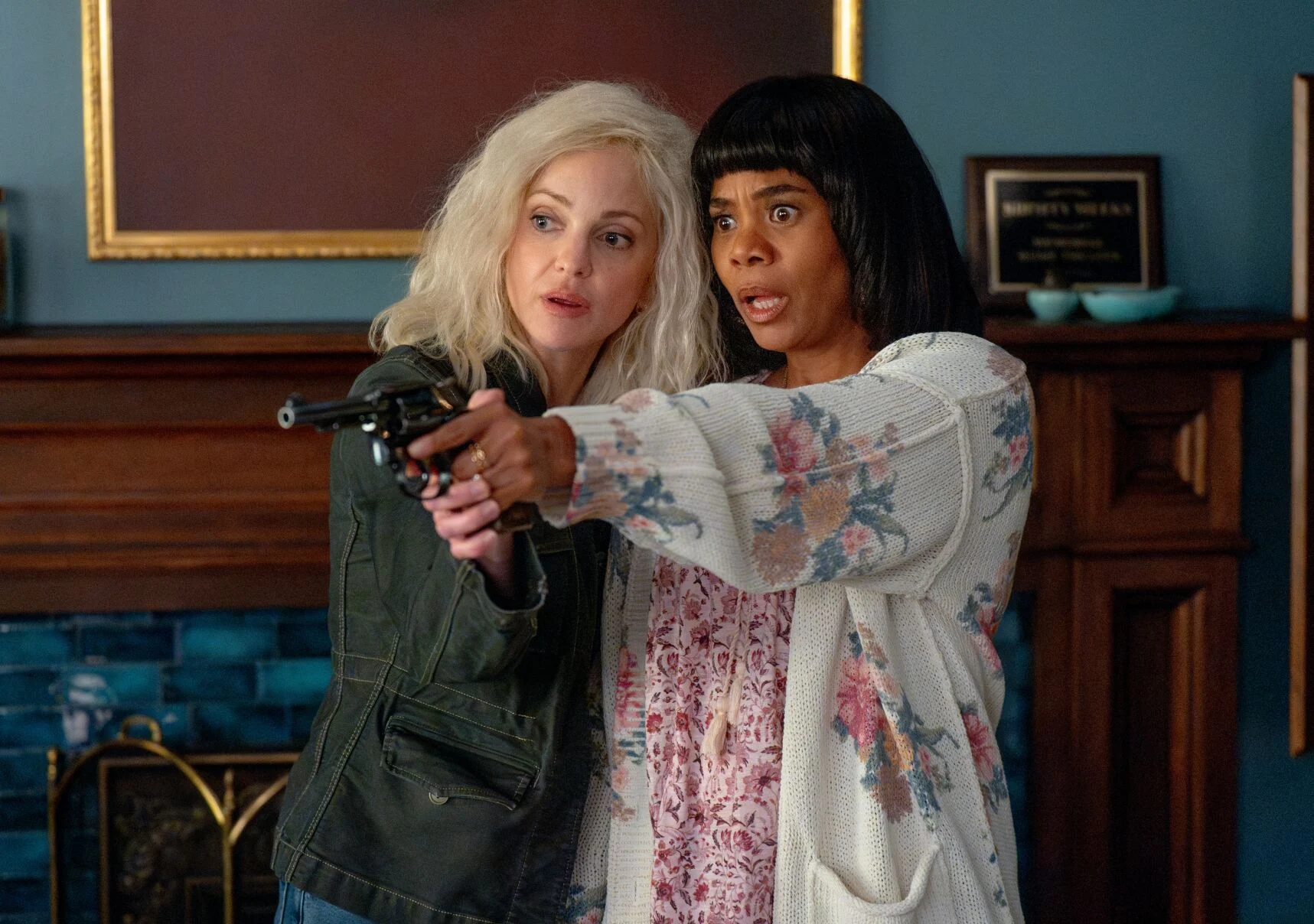
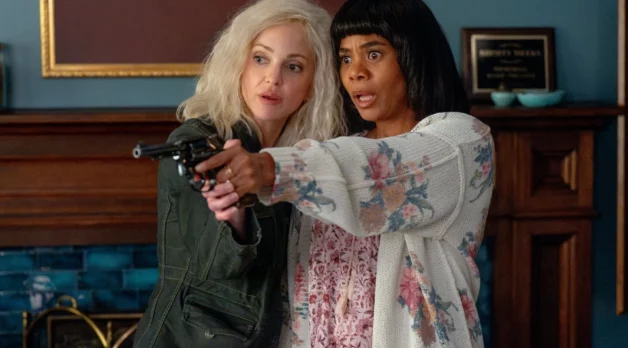
The latest installment in the Scary Movie franchise, released in 2026, marks a significant return for its original creators, the Wayans family, albeit with a pointed omission: the numeral "6" from its title. This stylistic choice is more than an aesthetic preference; it functions as a deliberate act of protest, a reclaiming of a comedic legacy that was, for a time, alienated from its progenitors. The Wayans family collectively disowned the three films produced in their absence—Scary Movie 3 (2003), Scary Movie 4 (2006), and Scary Movie 5 (2013)—following a contentious compensation dispute with the now-defunct Miramax Films (formerly controlled by the Weinsteins) in 2001. This long-standing grievance, a battle over artistic ownership and financial recognition, became an incisive thematic undercurrent of the new film. Scary Movie (2026) is unequivocally a Wayans spoof, a horror-comedy legacy sequel that not only lampoons its own genre conventions but also delivers a biting critique of the entertainment industry itself. It deftly retains the notoriously offensive and boundary-pushing humor cherished by its core fanbase while continuing to provoke the ire of critics, all the while navigating the complex terrain of modern cinematic satire.
A Family Reunion on Screen and Off: The 2026 Revival
The revival, simply titled Scary Movie, has been met with both critical attention and considerable commercial success, demonstrating the enduring appeal of the Wayans’ brand of irreverent comedy. In its first two weeks alone, the film garnered a global box office of $172 million, virtually guaranteeing further installments in the series. The humor in Scary Movie (2026) largely springs from a rich tapestry of object-permanence callbacks, meticulously referencing both earlier films in the franchise and a plethora of contemporary horror cinema. These gags are often pushed "over the top," primarily through the energetic performance of the youngest Wayans brother, Marlon. However, beyond the rapid-fire jokes and outrageous scenarios, the film offers unexpected moments of genuine warmth and profundity. With nearly the entirety of the original cast reuniting after a quarter-century hiatus, there are palpable instances where the actors express authentic joy and camaraderie at their on- and off-screen reunion. This sense of returning "home" to the franchise that helped launch many of their careers adds a surprising emotional layer to the otherwise profane formula the Wayans innovated and have successfully deployed to captivate audiences for four decades. This capacity for genuine emotion represents a remarkable and unexpected wrinkle in a comedic style often characterized by its bluntness and audacity.
The Genesis of Wayans Satire: A Deep Dive into Influences
To fully appreciate the significance of the Scary Movie (2026) revival, one must trace the Wayans family’s comedic lineage and their profound impact on the landscape of American satire. Robert Townsend, a long-time friend and collaborator with Keenen Ivory Wayans, reflected on their early influences, stating, "We grew up on great comedy. Blazing Saddles, Kentucky Fried Movie, that’s where it started for me and Keenen." Their comedic sensibilities were not formed in a vacuum; they were meticulously shaped and refined by studying the works of legendary figures such as Sid Caesar, Mel Brooks, and Paul Mooney. These maestros of comedy provided a foundational understanding of timing, character, and the power of social commentary through humor.
However, in terms of the specific form of their hyper-dense, reference-laden spoofs, perhaps no single group exerted as much influence as the comedy team of David Zucker, Jim Abrahams, and Jerry Zucker (collectively known as ZAZ). Their distinctive style, characterized by up-to-the-minute (and sometimes quick-to-expire) cultural references, set them apart from the more long-form parodists like Mel Brooks. ZAZ’s approach was a relentless barrage of jokes, visual gags, and non-sequiturs, designed to overwhelm the audience with comedic density.
ZAZ’s Blueprint: Elevating Stupidity to an Art Form
ZAZ’s breakthrough film, The Kentucky Fried Movie (1977), directed by John Landis, was a groundbreaking anthology. It drew inspiration from the antiauthoritarian, quip-heavy comedy of the Marx Brothers, the pop-cultural send-ups found in Mad magazine, and Ken Shapiro’s Groove Tube (1974). Kentucky Fried Movie was a plotless sketch reel, mimicking newscasts, commercials, and film parodies, all infused with the trio’s signature slightly racy and subtly offensive "dumb humor." As Jim Abrahams famously remarked, their work served as counterprogramming to the divisive political climate of the 1970s. "Vietnam was still going on. You had all these political elements: Nixon, Watergate, feminism, Black Power. And we just steadfastly ignored all politics. And I think that’s part of why people liked it."
This pioneering work laid the groundwork for the modern spoof film: a hyperactive, joke-a-minute, reference-packed genre-referendum comedy, typically framed within a loose narrative. ZAZ fully innovated this form in 1980 with Airplane!, a film that, according to Abrahams, "elevate[d] stupidity to an art form." Airplane! became a cultural phenomenon, proving that relentless absurdity and a complete disregard for logical storytelling could translate into massive box office success and critical adoration, paving the way for future generations of spoof filmmakers.
The Wayans’ Evolution: Infusing Satire with Social Consciousness
Building upon the ZAZ recipe, the Wayans family, alongside Robert Townsend, added a crucial ingredient: the biting racial satire reminiscent of The Richard Pryor Show (1977). With Hollywood Shuffle (1987), they transformed cinematic karaoke into a potent mode of cultural criticism. This film, a landmark in Black cinema, specifically targeted genres historically pitched to Black audiences—Blaxploitation, the "hood flick," and horror films. It unflinchingly roasted these cinematic categories and their creators for pandering to and often insulting their audiences with lazy, tired, and stereotypical conventions. The Wayans family, against considerable odds and with the limited resources historically afforded to Black filmmakers in Hollywood, managed to create something of lasting critical and commercial value. They didn’t just make films; they began building a dynasty of revolutionary, subversive spoofs, explicitly defying the often-white-dominated Hollywood power structure.
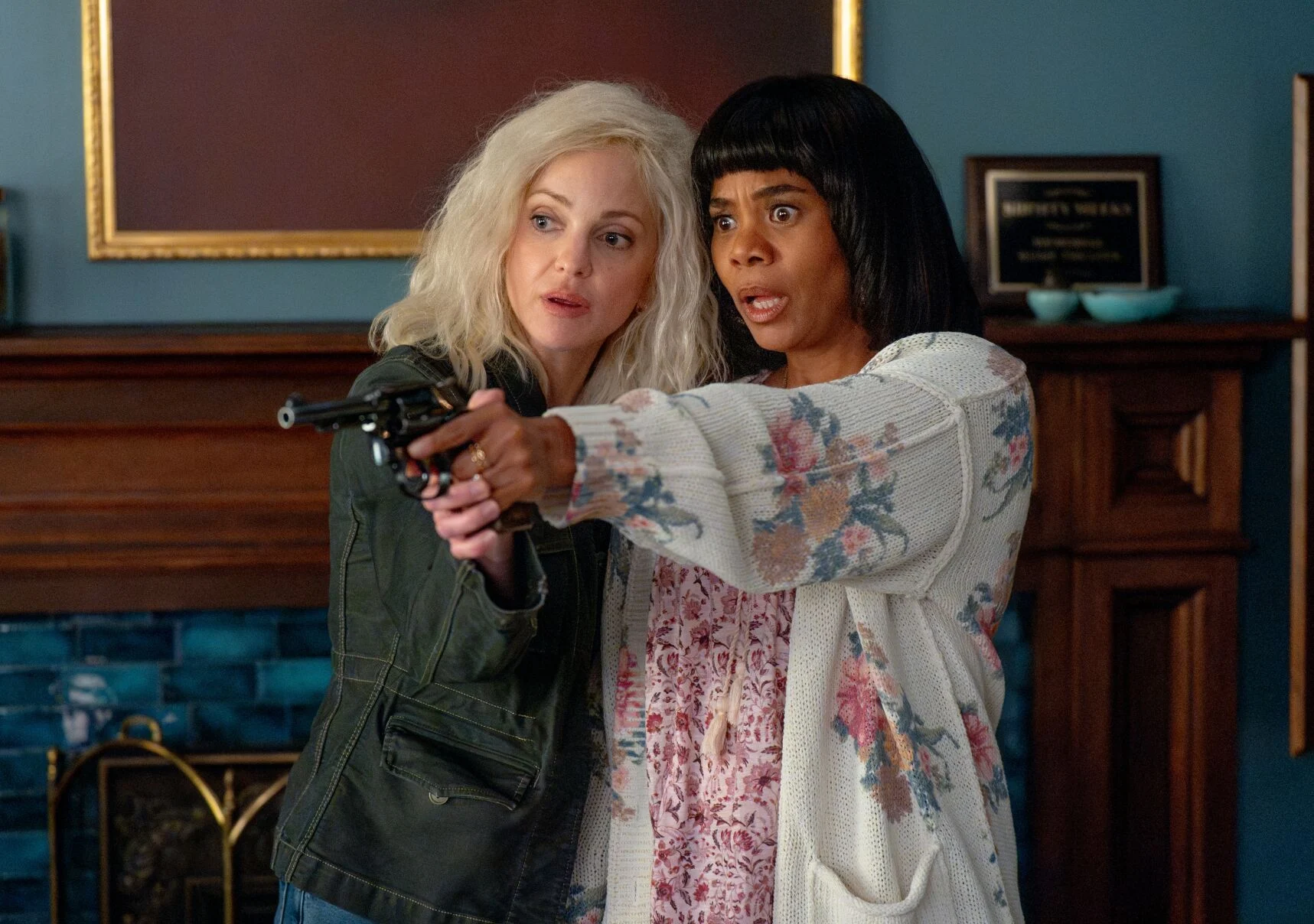
This ambitious project began with smaller, experimental bits, such as "Sneakin’ in the Movies," a Siskel and Ebert-style critics’ clip show. This segment allowed Townsend and Keenen to simultaneously parody the films themselves and offer a distinctly Black perspective on what they perceived as white racist fantasies, exemplified by films like Dirty Harry (1971). Townsend recalled, "We were finding our way. We didn’t know what we had." As the pair reviewed their daily footage, watching the disconnected sketches they had filmed, a revelation struck them: they could string these seemingly disparate pieces together with a coherent narrative about the Black actor’s struggle for creative fulfillment and honest representation in a predominantly white industry. This narrative framework elevated their satire beyond mere parody, imbuing it with a profound social message.
The critical and commercial success of Hollywood Shuffle provided Keenen Ivory Wayans with the necessary leverage to launch two projects that definitively announced him as a formidable creative force in his own right: I’m Gonna Git You Sucka (1988) and the groundbreaking sketch comedy series In Living Color (1990–1994). In Living Color was not merely a comedy show; it was a vicious, often confrontational, sketch program that profoundly shifted the national consciousness and sense of humor. It refused to content itself with simply calling out overt racism; instead, it leveled nuanced, intelligent, and often angry critiques of Black culture itself, particularly as it was mediated and often distorted by the white power structure. It was, as the saying goes, "a call that comes from inside the house." Sacred cows of popular culture—from Michael Jackson to Mike Tyson and Michael Bolton—were slaughtered on a weekly basis, with skits encompassing everything from music video parodies to Home Shopping Network segments and film trailers. The show served as a finishing school for the Wayans, condensing and refining the distinctive style that would soon find its full expression back in theaters.
The "Hood Flick" Critique: Don’t Be a Menace…
The Wayans’ comedic evolution continued with Don’t Be a Menace to South Central while Drinking Your Juice in the Hood (1996). This film took Hollywood squarely to task for the diagrammatic inner-city coming-of-age stories it had churned out in the early 1990s. While acknowledging the brilliance of seminal films like Menace II Society (1993), South Central (1992), Juice (1992), and Boyz n the Hood (1991), the Wayans film sharply critiqued how the commercial success of these narratives inspired studio executives to cynically mine Black trauma, imprisonment, and death for popcorn entertainment. The film is brimming with a palpable anger over these pervasive negative stock portrayals and the opportunistic cynicism of the industry.
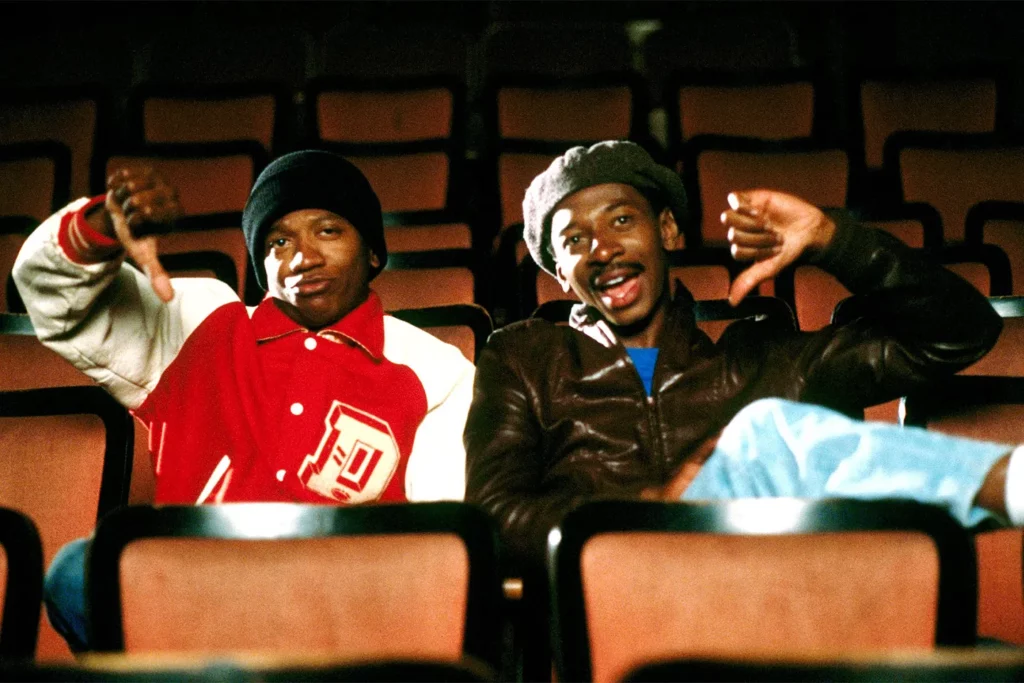
Marlon Wayans, in a standout performance, plays Loc Dog, a character primarily spoofing Larenz Tate’s iconic O-Dog from Menace II Society. O-Dog, a Tybalt-by-way-of-AmeriKKKa’s Nightmare figure, had become a prerequisite character for virtually every 1990s "hood flick." Loc Dog is an absurdist riff on this archetype, complete with braided armpit hair and a nuclear arsenal stashed in the back of his stolen mail truck. This was precisely the kind of caricatured role Robert Townsend was sick of auditioning for when he decided to make Hollywood Shuffle. A decade later, Marlon Wayans was, through Loc Dog, calling out the problematic caricatures that could spring not only from the pens of white writers but also, at times, from Black writers. This represented a significantly more complex piece of cultural criticism than, for example, Airplane!’s famous jive-talk bit, demonstrating the Wayans’ growing sophistication in using comedy as a tool for social commentary.
The Zenith of Spoof: Scary Movie (2000)
The Wayans formula reached its ruthlessly efficient final form with Scary Movie (2000). The film brilliantly riffed on the prevalent teen slasher revival films of its era, particularly Scream, but also indiscriminately took the piss out of whatever else was popular at the moment. The comedy was anarchic, freely mixing highbrow and lowbrow forms: shot-for-shot spoofs, heightened dialogue quoting other films, and meta cameos. It also contained, regrettably, some of the franchise’s mandatory bits that punched down at gay and disabled people, alongside the equally mandatory host of gross-out gags. This blend of intelligent satire and crude humor became a Wayans hallmark.
Crucially, most of the films the Wayans dissected for gags in Scary Movie featured a predominantly, if not entirely, white cast. This context allowed Scary Movie to subtly address issues of racial representation in horror. In his 1997 review of David Mamet’s The Edge, Roger Ebert coined the phrase "The Brother Always Dies First," corroborating a common complaint among Black viewers regarding horror film tropes. While subsequent analysis has cast some doubt on the absolute universality of this premise, the trope powerfully speaks to a larger, persistent problem of representation in the horror genre. Scary Movie (2000) included multiple jokes that explicitly addressed the inherent tension of placing three Black actors—Regina Hall, Shawn Wayans, and Marlon Wayans—at the center of a horror film, however skewed and skewering the premise. Its jokes presented prevalent stereotypes blown up to ridiculous proportions, expertly tiptoeing the line between goofy nonsense and incisive social critique.
Commercially, Scary Movie was an undeniable triumph. Like every Wayans and Townsend project discussed previously, it generated substantial profits on a comparatively modest budget. Made for a reported $19 million, the film grossed an astonishing $278 million globally for Dimension Films, a division of Miramax. Its overwhelming success led to an immediate greenlight for a sequel, which was rushed into production for release just a year later. Despite the addition of master satirists like Chris Eliott and David Cross to the writing team, the condensed production timeline for Scary Movie 2 (2001) was evident, resulting in a product that, while still humorous, showed the strain of its rapid turnaround.
The Fallout and Reclamation: A Cycle of Exploitation and Resilience
The true turning point, and the genesis of the Wayans’ protest, occurred after Scary Movie 2. The compensation dispute with Miramax in 2001 led to the Wayans family severing ties with the franchise they created. In their absence, David Zucker, one of the original ZAZ members, stepped in to direct Scary Movie 3 (2003) and Scary Movie 4 (2006), creating a peculiar ouroboros in the history of spoof cinema. On screen, the comedic void left by Marlon and Shawn Wayans was largely filled by actors like Simon Rex and Charlie Sheen. In a recent interview with GQ, Marlon Wayans powerfully likened this experience to "watching your child become a crackhead," a stark metaphor for the perceived degradation and mismanagement of their creative offspring by others.
This scenario represents a disappointingly familiar cycle for many Black filmmakers and artists who have been deemed expendable by the industry despite their foundational contributions. It highlights historical patterns of exploitation, where creative talent from marginalized communities is used to generate wealth, only for those creators to be pushed aside when financial disputes or creative differences arise. The Wayans’ long-standing grievance, now explicitly woven into the narrative fabric of Scary Movie (2026), serves as both a historical record and a contemporary commentary on these persistent industry inequities.
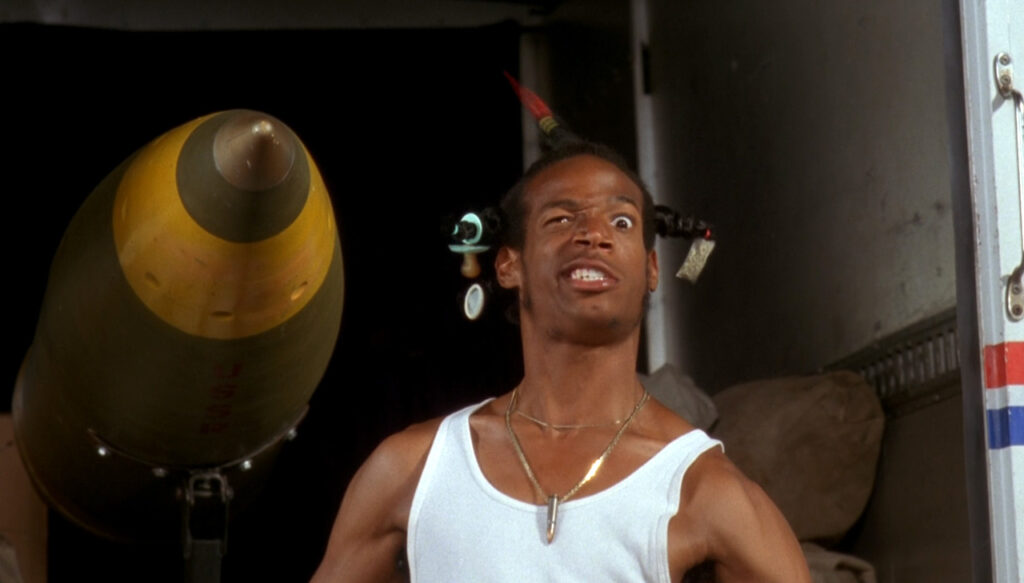
The resounding success of Scary Movie (2026), with its $172 million global box office in just two weeks, not only vindicates the Wayans’ return but also signals a potential shift. This particular story, marked by artistic struggle and financial injustice, now seems poised to receive the happy ending it deserves, with the Wayans family firmly back at the helm of their creation.
Robert Townsend once had the opportunity to meet the legendary Sidney Poitier. He asked the icon how he managed to retain his dignity in Hollywood during a time when respect was rarely afforded to Black actors. Poitier’s answer was profound and simple: "I said no. I made sacrifices to do it, but I had the power to say no." Throughout Townsend and Keenen Ivory Wayans’ respective bids for creative freedom and authentic representation, they explored various projects, but they consistently gravitated back to the spoof. This form, with its inherent power to critique and satirize, provided them with a potent voice to articulate profound observations about American culture, making audiences laugh while simultaneously challenging societal norms and stereotypes.
The Wayans’ journey and their persistent critiques, particularly regarding the white exploitation of Black art and the struggle for artistic freedom, resonate deeply with contemporary discussions in Hollywood. Last year, Ryan Coogler’s Sinners, a "Black scary movie" exploring themes of artistic freedom and racial exploitation, made an astounding $370 million and earned a record number of Oscar nominations in film history. While it may be coincidental, or perhaps a testament to a broader cultural shift, the success of films like Sinners alongside the triumphant return of the Wayans with Scary Movie (2026) suggests that Hollywood might finally be internalizing the message that the Wayans family has been delivering for decades: authentic, diverse voices, given creative control, are not just artistically vital but also profoundly profitable. The power to say "no" and the courage to reclaim one’s narrative, as demonstrated by the Wayans, continues to shape the future of entertainment.