The enduring legacy of the Evil Dead franchise is set to receive a significant boost with the impending arrival of its entire filmography on HBO Max, coinciding with the theatrical release of the latest installment, Evil Dead Burn. This strategic rollout aims to capitalize on the franchise’s resurgence, offering both long-time fans and newcomers a comprehensive viewing experience of one of horror cinema’s most iconic series. The move underscores a growing trend of streaming platforms leveraging established intellectual properties to attract and retain subscribers, particularly as the cinematic landscape continues to evolve.
The Evil Dead franchise, born from the visionary mind of Sam Raimi, has consistently pushed the boundaries of horror, blending extreme violence, dark humor, and supernatural terror. Evil Dead Burn, directed by Sébastien Vaniček, is the latest chapter in this saga, and early indications suggest it upholds the series’ reputation for visceral intensity. Critics have lauded the film for its relentless pace and graphic content, positioning it as a potential contender for the most brutal entry to date. This, coupled with the comprehensive streaming availability, signals a significant moment for the franchise’s ongoing narrative and its place in contemporary popular culture.
A Legacy of Gore and Innovation
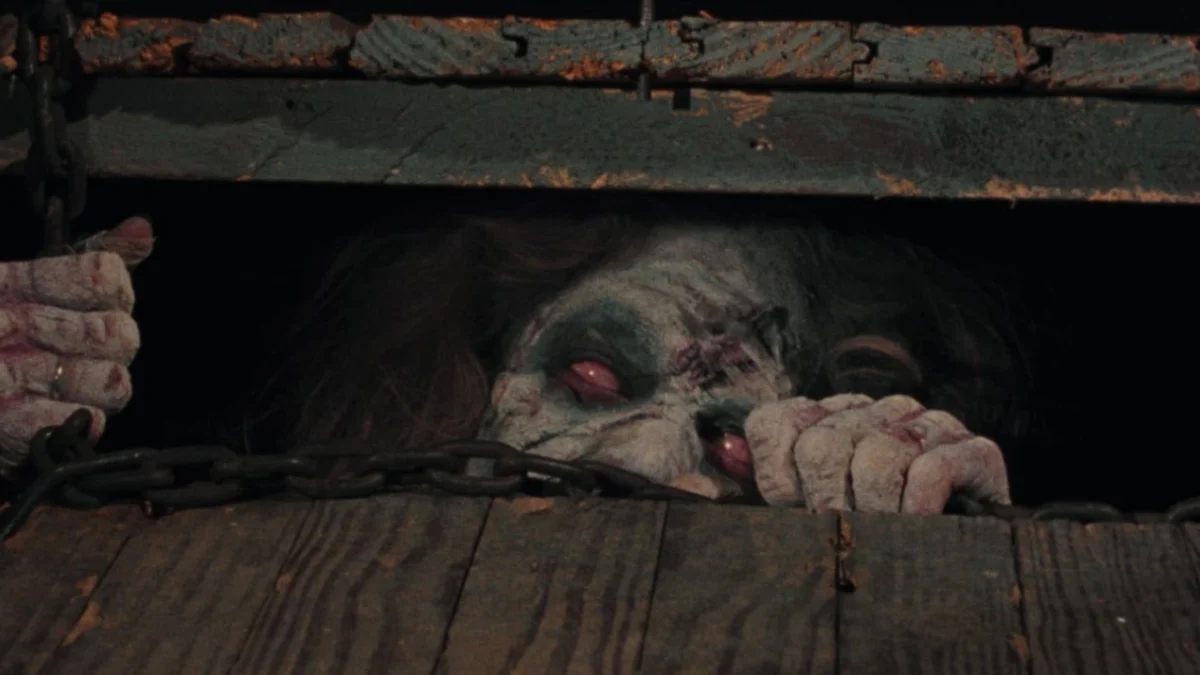
The Evil Dead saga began in 1981 with Sam Raimi’s independent feature, The Evil Dead. Shot on a shoestring budget, the film quickly garnered a cult following for its audacious gore, inventive camera work, and the breakout performance of Bruce Campbell as Ash Williams. Its success paved the way for sequels, including the more comedic and stylistically distinct Evil Dead II (1987) and the epic, Raimi-helmed Army of Darkness (1992). These films cemented the franchise’s unique tone, characterized by a blend of genuine horror and slapstick absurdity, often referred to as "splatstick."
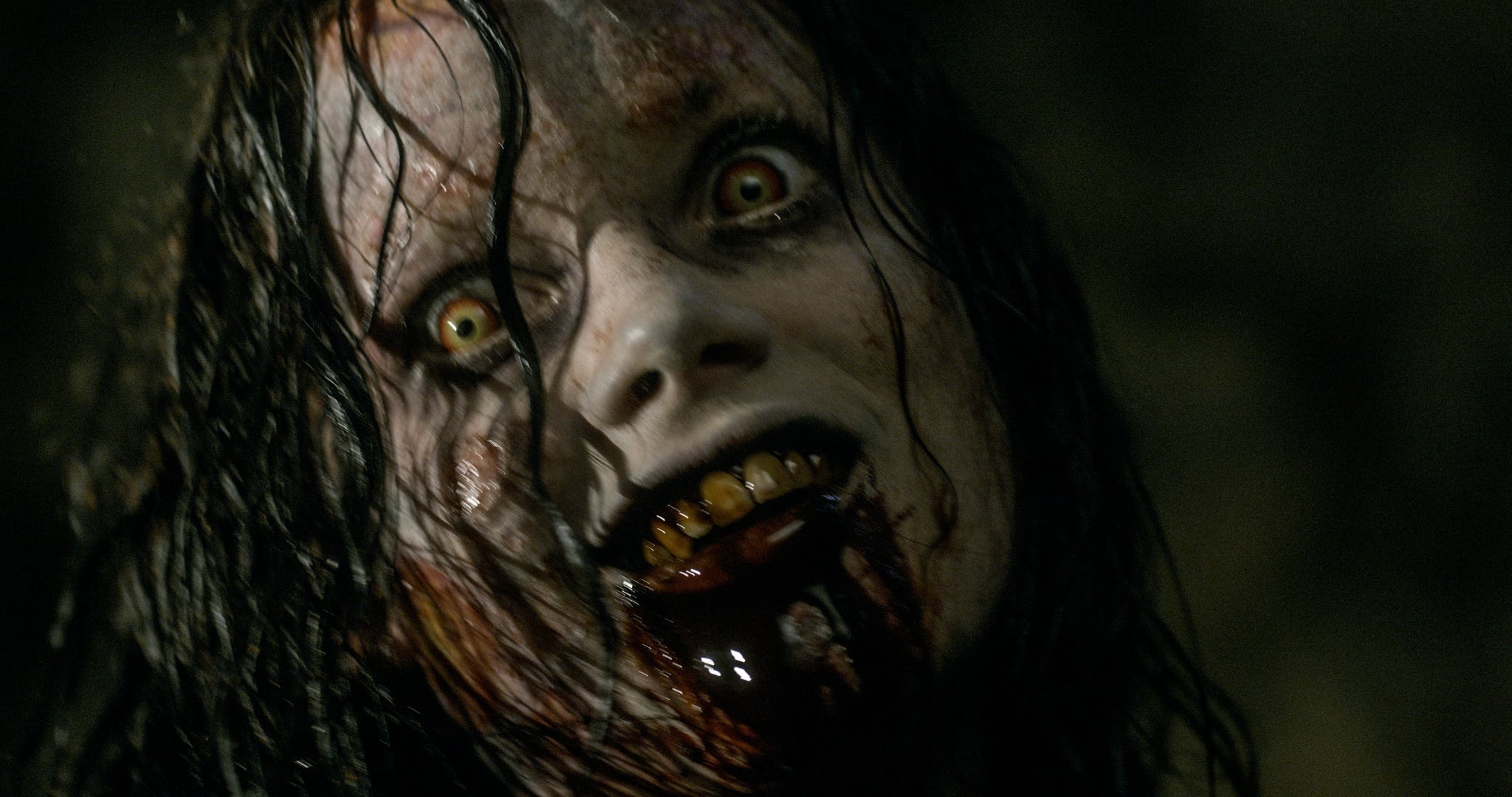
The franchise experienced a significant revitalization in 2013 with Fede Álvarez’s Evil Dead. This reboot, while shedding some of the original’s comedic elements in favor of a more serious and terrifying approach, was met with critical acclaim and commercial success. Álvarez’s film demonstrated that the Evil Dead universe could be reimagined for a modern audience while staying true to its core tenets of relentless horror and extreme gore. This success demonstrated the franchise’s adaptability and its potential for reinvention.
The momentum continued with Lee Cronin’s Evil Dead Rise (2023), which shifted the setting from a remote cabin to an urban environment. The film was praised for its innovative take on the familiar premise, introducing new characters and exploring different facets of the Deadite curse. Evil Dead Rise further solidified the franchise’s ability to evolve, proving that the Necronomicon Ex-Mortis and its demonic influence could manifest in diverse and unsettling ways.
Evil Dead Burn: A New Dawn of Terror
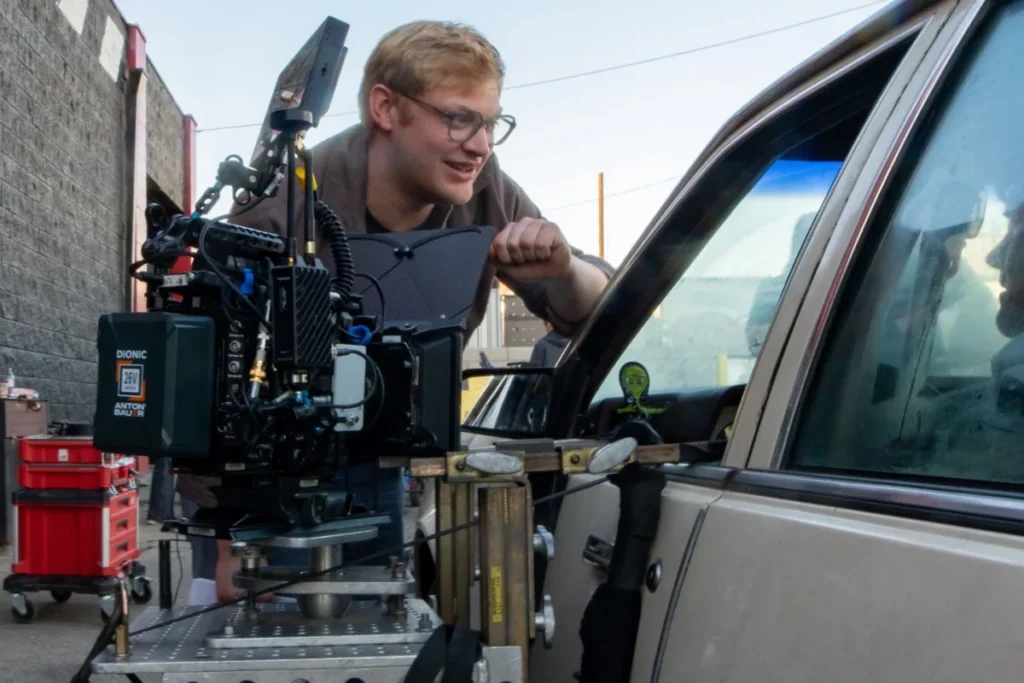
The upcoming theatrical release of Evil Dead Burn is poised to continue this tradition of inventive horror. Directed by Sébastien Vaniček, known for his suspenseful work on the French horror film Infested, Evil Dead Burn is expected to deliver a fresh yet familiar dose of terror. Vaniček’s directorial approach, characterized by a keen sense of tension and innovative camera techniques, has been highlighted as a key element of the film’s effectiveness. Early reports suggest the film features standout sequences, including a particularly harrowing single-take scene that amplifies the on-screen pandemonium and the protagonist’s desperate struggle for survival.
The decision to release the entire Evil Dead filmography on HBO Max in conjunction with Evil Dead Burn‘s theatrical debut is a calculated move by Warner Bros. Discovery. This strategy aims to maximize audience engagement by providing a readily accessible gateway to the franchise’s rich history. For fans eager to revisit their favorite installments or catch up on entries they may have missed, HBO Max offers a convenient platform. For new viewers, it presents an opportunity to immerse themselves in the complete Evil Dead experience before or after experiencing the latest film on the big screen. This integrated approach could significantly boost box office performance and streaming viewership for both the new film and the existing catalog.

Streaming Platforms and Franchise Revitalization
The strategy of bundling a new theatrical release with extensive streaming availability is becoming increasingly common in the entertainment industry. Platforms like HBO Max, Disney+, and Peacock are actively utilizing their libraries of established franchises to attract and retain subscribers. The Evil Dead franchise, with its dedicated fanbase and consistent output of quality installments, represents a valuable asset in this competitive market.
The availability of all Evil Dead films on a single streaming service simplifies the viewing experience for audiences, removing the need to search across multiple platforms or purchase individual titles. This convenience factor is a significant driver of viewership, especially for a franchise with a long and varied history. Furthermore, the synergy between theatrical releases and streaming availability can create a powerful marketing effect, generating buzz and encouraging simultaneous engagement across both formats.
The success of franchises like Evil Dead on streaming platforms also speaks to the evolving nature of content consumption. While theatrical releases remain a crucial part of the cinematic experience, the accessibility and convenience of streaming have made it an equally important avenue for audiences to discover and engage with content. The Evil Dead rollout on HBO Max is a prime example of this symbiotic relationship, demonstrating how traditional distribution models can be effectively integrated with digital strategies.
A Look at Franchise Management and Creative Freedom
The Evil Dead franchise has consistently demonstrated a commitment to fostering creative talent while maintaining the core identity of its universe. Unlike some tentpole franchises that have faced criticism for perceived executive overreach, the Evil Dead series, under the guidance of original creators Sam Raimi and Rob Tapert, appears to have prioritized empowering directors to bring their unique visions to the forefront.

Fede Álvarez’s 2013 reboot, for instance, was praised for its distinct directorial voice. While some purists initially questioned if it truly captured the spirit of Raimi’s original, the film ultimately succeeded by offering a fresh, terrifying interpretation that resonated with a new generation of horror fans. Álvarez was given the freedom to explore the darker, more visceral aspects of the Evil Dead mythology, resulting in a film that felt distinctly his own, rather than a mere imitation.
Similarly, Lee Cronin’s Evil Dead Rise introduced a different stylistic approach, incorporating elements reminiscent of 1980s Italian horror, such as the works of Dario Argento and Lucio Fulci. This allowed the film to feel both familiar to Evil Dead aficionados and unique in its execution. The franchise’s willingness to embrace these diverse directorial perspectives is a key factor in its sustained appeal and its ability to remain relevant in an ever-changing cinematic landscape.
The approach to Evil Dead Burn under Sébastien Vaniček continues this pattern. Vaniček’s background in crafting suspenseful horror, as evidenced by his work on Infested, suggests that Evil Dead Burn will likely offer a director-driven experience. The reported focus on intense pacing, innovative camerawork, and brutal, hard-hitting gore aligns with the franchise’s established reputation while allowing Vaniček to imbue the film with his individual style. The absence of widespread rumors regarding creative interference from studio executives or producers suggests a continued trust in the filmmakers to deliver compelling narratives within the Evil Dead framework.
This model of creative delegation is crucial for the longevity of any franchise. By entrusting directors with a degree of artistic autonomy, producers can foster originality and prevent the kind of creative stagnation that can plague long-running series. This approach not only results in more engaging and diverse films but also cultivates a sense of respect and loyalty among filmmakers, who are more likely to deliver their best work when given the opportunity to express their unique artistic sensibilities.

Broader Implications for the Entertainment Industry
The Evil Dead franchise’s strategic rollout on HBO Max and its concurrent theatrical release highlights a significant shift in how major entertainment properties are being marketed and distributed. This integrated approach offers a potential roadmap for other studios looking to revive or expand their existing franchises. By providing a comprehensive and accessible viewing experience, platforms can cultivate deeper fan engagement and maximize the commercial potential of their intellectual property.
The success of this model could influence future release strategies, potentially leading to more frequent and integrated campaigns that leverage both streaming and theatrical platforms. This could also lead to a greater emphasis on franchise-building, with studios investing more heavily in curated content libraries and exclusive streaming releases that complement their theatrical offerings.
Furthermore, the Evil Dead franchise’s sustained ability to attract diverse directorial talent and deliver unique cinematic experiences serves as a valuable case study for the industry. It demonstrates that even within established genre conventions, there is ample room for creative innovation and artistic expression. The franchise’s enduring appeal lies not just in its gore and terror, but in its consistent willingness to evolve and embrace new perspectives, ensuring its place in the annals of horror cinema for years to come. The availability of all films on HBO Max, alongside the premiere of Evil Dead Burn, is a testament to this enduring legacy and a strategic move to ensure its continued prominence in the cultural zeitgeist.