As the iconic Star Trek franchise embarks on its momentous 60th anniversary, the universe is abuzz with a series of interviews, retrospectives, and events commemorating six decades of "boldly going." Among these celebrations, a particular highlight emerged in the lead-up to the Italian Global Series Festival’s dedicated Star Trek events. Variety seized this opportune moment to engage in an in-depth conversation with Nicholas Meyer, the visionary director entrusted with helming Star Trek II: The Wrath of Khan, a film that would profoundly redefine the cinematic landscape of the beloved science fiction saga.
Meyer’s involvement with The Wrath of Khan came at a pivotal juncture for the franchise. Following the modest success of Star Trek: The Motion Picture, which, while a critical and commercial success, came with a substantial price tag, Paramount Pictures was reportedly hesitant to replicate such an expenditure. This fiscal caution led to a strategic reimagining of the franchise’s future. Meyer recounted how television producer Harve Bennett was brought into the fold with a challenging directive: to craft a sequel superior to its predecessor while operating on a significantly reduced budget. Bennett’s ambitious response was to propose the production of five films for less than the cost of the first. Consequently, The Wrath of Khan was brought to life with a budget of approximately $11.2 million, a stark contrast to the astronomical sums often associated with modern blockbuster filmmaking.
Intriguingly, Meyer admitted to not being an initial devotee of the Star Trek television series. "I had seen Star Trek on TV, and I didn’t get it at all," he confessed. "I missed everything that was interesting about the show, the idea that people of different races and genders and cultures could come together to do something good that blew right by me." This candid admission underscores a common initial perception of the series, one that often overlooked its deeper thematic underpinnings in favor of its more overt science fiction elements. However, it was Meyer’s burgeoning respect for Harve Bennett that ultimately swayed him to accept the directorial reins.
A few weeks into his new role, Meyer discovered his creative compass for the project. His insight stemmed from a personal connection to C.S. Forester’s enduring novels about Captain Horatio Hornblower. "It’s obviously supposed to be Lord Nelson, but it’s a captain in the Royal Navy during the Napoleonic Wars, and he has many adventures, and he has a girl in every port," Meyer explained, drawing a parallel to his own youthful fascination. "When you’re 13, this sounded pretty good, and I thought, ‘wait a minute, Kirk is Hornblower in outer space. I know how to do that.’" This profound realization provided Meyer with a framework to imbue Captain Kirk with a sense of swashbuckling heroism and compelling character depth, bridging the gap between classic maritime adventure and futuristic space opera.
Meyer also contributed to the screenplay, albeit uncredited. By the time he joined the production, the script had already undergone multiple revisions. This collaborative and iterative writing process is a common feature in large-scale film productions, where numerous creative voices contribute to shaping the final narrative. The enduring impact of these narrative choices, such as the memorable introduction of the ear-grub alien, remains a testament to the script’s lasting influence, even if its specific origins remain a subject of playful ambiguity.
A Strategic Pivot: From Spectacle to Substance
Paramount’s decision to rein in the budget for The Wrath of Khan was not merely a financial maneuver; it represented a strategic pivot for the franchise. Star Trek: The Motion Picture, released in 1979, was a critical success, grossing over $139 million worldwide against a reported budget of $35 million. While profitable, its scale and deliberative pacing, particularly the extensive sequences focused on the V’Ger entity and the refit of the Enterprise, did not fully resonate with all segments of the audience. The studio, therefore, sought a more focused and character-driven narrative that could deliver both compelling action and a deeper emotional resonance, all while adhering to a more fiscally responsible plan.
Harve Bennett, a seasoned television producer with a proven track record in developing popular series and television films, was instrumental in this strategic shift. His understanding of character development and narrative pacing, honed through his work in episodic television, proved invaluable. Bennett’s vision for The Wrath of Khan was to explore the psychological complexities of its characters, particularly the enduring rivalry between Captain Kirk and his nemesis, Khan Noonien Singh. This focus on character depth and interpersonal drama, rather than solely on grand spectacle, would become a hallmark of the film’s success and a key factor in its enduring appeal.
The Genesis of a Masterpiece: From Script to Screen
The development of The Wrath of Khan‘s screenplay was a testament to the collaborative spirit of Hollywood. While Nicholas Meyer brought his unique perspective and directorial vision, the script itself was a product of several talented writers. This multi-stage writing process, common in major studio productions, allows for the refinement of story arcs, character motivations, and thematic elements. The final script, credited to Harve Bennett and Jack B. Sowards, masterfully wove together elements of thrilling action, profound philosophical questions about aging and mortality, and the deeply personal conflict between Kirk and Khan.
Meyer’s conceptualization of Kirk as "Hornblower in outer space" provided a crucial anchor for the character’s journey. It allowed for the exploration of leadership, responsibility, and the weight of command in a way that resonated with audiences familiar with classic tales of heroism. This connection to literary archetypes lent The Wrath of Khan a gravitas that elevated it beyond a typical science fiction film.
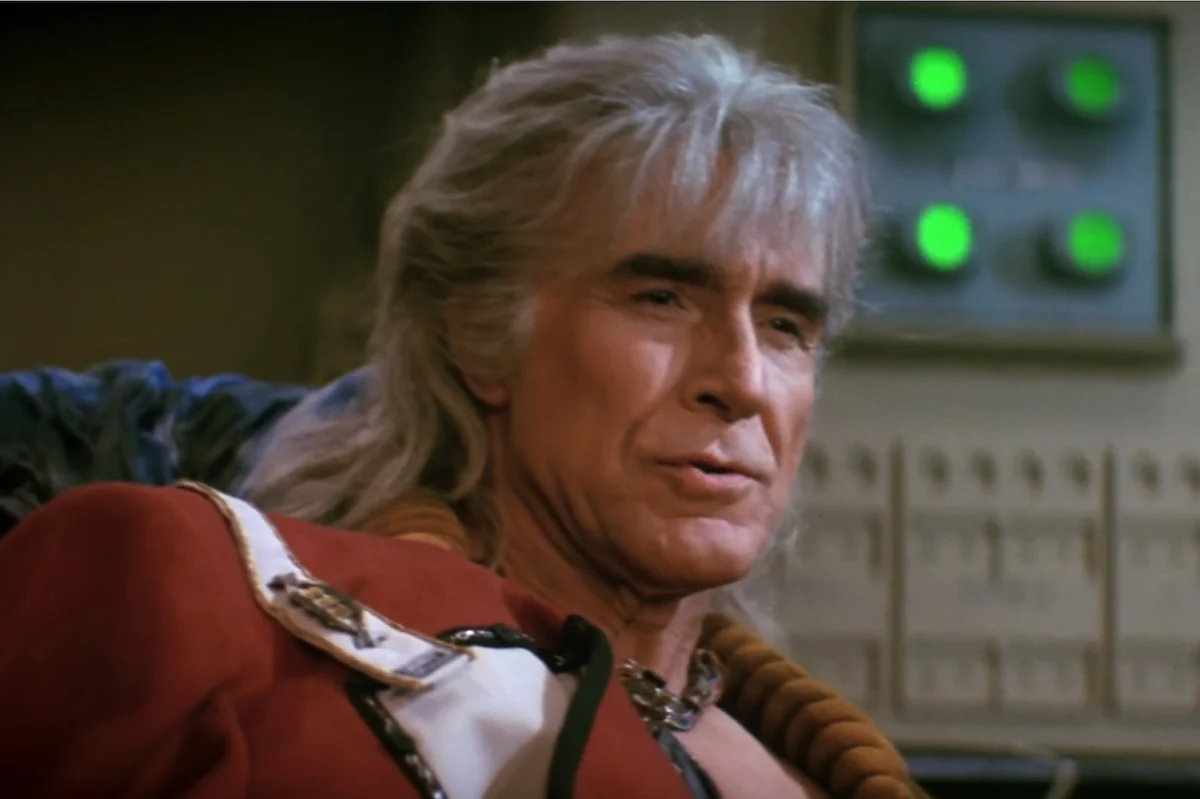
The film’s narrative centered on Khan Noonien Singh, a genetically engineered superhuman from Earth’s past, returning to seek revenge on Captain Kirk for his banishment to the Ceti Alpha V penal colony. Khan’s reemergence served as a potent catalyst for exploring themes of hubris, vengeance, and the cyclical nature of conflict. The dramatic confrontation between Kirk and Khan, set against the backdrop of the Genesis Device, a powerful terraforming tool, created a compelling narrative tension that captivated audiences.
Impact and Legacy: A Defining Moment for Star Trek
Star Trek II: The Wrath of Khan, released on June 4, 1982, was a resounding critical and commercial success. It garnered widespread critical acclaim for its compelling narrative, strong performances, and mature thematic explorations. The film grossed over $97 million domestically and over $130 million worldwide, far exceeding its modest budget and solidifying its status as a beloved entry in the Star Trek canon.
The film’s success had a profound and lasting impact on the Star Trek franchise. It demonstrated that the franchise could thrive not only through ambitious visual spectacle but also through rich character development and thought-provoking storytelling. The tragic demise of Spock, a pivotal moment in the film, created an emotional resonance that deeply affected audiences and set a new emotional bar for subsequent Star Trek installments. This emotional depth, combined with the film’s action-packed sequences and memorable villain, revitalized interest in the franchise and paved the way for a string of successful sequels and television series.
The film’s thematic exploration of aging, mortality, and the consequences of past decisions resonated deeply with audiences, adding a layer of maturity and introspection that had not been fully realized in the original television series or the first film. Meyer’s ability to translate the grand themes of space exploration into personal, human dramas was a key factor in The Wrath of Khan‘s enduring appeal.
A Universe of Celebration: Commemorating 60 Years
The 60th anniversary of Star Trek is being marked by a global outpouring of tributes, with fans and creators alike celebrating the franchise’s enduring legacy. The Italian Global Series Festival’s dedication to Star Trek programming, including the insightful interview with Nicholas Meyer, serves as a microcosm of this wider celebration. These events offer a valuable opportunity to reflect on the franchise’s impact on popular culture, its prescient exploration of social and technological issues, and its ability to inspire generations of viewers.
Meyer’s reflections on his directorial experience offer a unique window into the creative process behind one of Star Trek‘s most celebrated films. His journey from a television producer’s challenging brief to a cinematic masterpiece, guided by a personal connection to classic literature, underscores the multifaceted nature of filmmaking. As the Star Trek universe continues to expand with new series and stories, the lessons and triumphs of The Wrath of Khan remain a vital part of its rich and storied history. The franchise’s ability to evolve while staying true to its core values of exploration, discovery, and humanism ensures its continued relevance and resonance for decades to come.