The highly anticipated sequel to the beloved film "The Devil Wears Prada" has landed, offering a glimpse into the lives of its iconic characters two decades after their initial ascent through the cutthroat world of fashion publishing. While the film delivers familiar tropes – a struggling magazine empire, a formidable Miranda Priestly, and the ever-evolving careers of Andrea Sachs and Emily Charlton – it is one unexpected, yet deeply resonant, detail that has captured the attention of many: Andrea’s profound concern about her ability to freeze her eggs. This narrative thread, woven into the fabric of a story set against the backdrop of a declining print media industry and evolving societal expectations for women, prompts a deeper examination of career trajectories, personal choices, and the enduring relevance of cinematic portrayals of ambitious women.
The Fragile Reign of Print Media: A Shifting Landscape
"The Devil Wears Prada 2" opens with a stark depiction of the industry it once celebrated. Runway magazine, the fictional titan of fashion, is shown to be on the brink of collapse. This narrative mirrors the real-world challenges facing print publications globally. In the years since the original film’s release in 2006, the media landscape has been dramatically reshaped by the digital revolution, the rise of social media influencers, and the increasing economic pressures on traditional advertising models.
Emily, now working for Dior, cynically observes, "Do you remember when magazines were a thing?" This sentiment underscores the seismic shift. The film notes that Dior’s advertisements are, in fact, propping up Runway’s precarious existence, a testament to the industry’s reliance on luxury brands for survival. This financial reality is not a mere plot device; it reflects a broader trend. Reports from the UK and US over the past year have indicated a significant decline in journalism jobs, with over 3,000 positions lost. The scarcity of editorial roles and the constant slashing of budgets have become hallmarks of the contemporary media environment.
Major media conglomerates have not been immune to these pressures. Condé Nast, the real-world inspiration for the film’s Elias-Clarke publishing house, has seen significant cutbacks. The closure of Self magazine after 47 years serves as a poignant example. Similarly, The Washington Post, under the ownership of Jeff Bezos, has experienced layoffs described as an "absolute bloodbath," highlighting the volatile nature of even established journalistic institutions.

Furthermore, the issue of socio-economic background within journalism, a concern also subtly present in the original film, persists. A recent report from the National Council for the Training of Journalists revealed that a staggering 80% of journalists hail from professional and upper-class backgrounds. This statistic suggests that the industry, despite its supposed meritocracy, remains a challenging terrain for those from less privileged origins, a context that subtly informs Andrea’s own career journey.
Andrea Sachs: From Assistant to Esteemed Journalist, Facing New Anxieties
Andrea "Andy" Sachs, once the unassuming assistant navigating the tyrannical reign of Miranda Priestly, has since carved out a successful career as an award-winning journalist for the New York Vanguard newspaper. However, her professional success is juxtaposed with persistent financial precarity. Her rented apartment, reminiscent of her previous modest dwelling, features a temperamental bathroom tap, symbolizing that even with career advancements, her financial standing has not dramatically improved. This relatable detail underscores the economic realities faced by many in creative fields, even those achieving critical acclaim.
The narrative takes a significant turn when the New York Vanguard, a publication she clearly cherishes despite its meager compensation, is abruptly shut down due to the intervention of billionaires. This development mirrors the increasing consolidation of media ownership by wealthy individuals and corporations, often with agendas that can lead to swift and decisive changes in publication direction or outright closure.
In the wake of this setback, Andy is offered the features editor position at Runway. While this represents a seemingly advantageous career move, it fails to alleviate her underlying anxieties. Her old friend Lily’s well-intentioned remark about her significantly increased salary and the "apartment she deserves" is met with Andy’s pointed question, "For how long?" This exchange encapsulates the pervasive uncertainty that now defines professional life, particularly in industries susceptible to rapid economic shifts.
The Unfreezing of Ambition: Egg Freezing and the Modern Woman’s Dilemma
The most striking and unexpectedly poignant element of "The Devil Wears Prada 2" is Andy’s expressed worry about her inability to afford to freeze her eggs. During a reunion with Emily, Andy casually mentions her children being at a doctor’s office, clarifying, "They’re eggs," and expressing her excitement about having them. This moment, delivered with a veneer of normalcy, highlights a profound personal concern that resonates deeply with many women in their late thirties and forties.
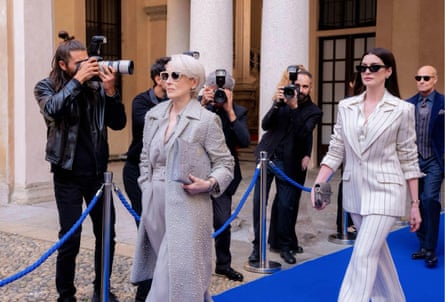
Egg freezing, a procedure that allows women to preserve their reproductive potential, has become increasingly common. The film touches upon the significant financial barrier associated with this medical intervention. The cost of the procedure, coupled with the ongoing expenses for storage, can be prohibitive for many, especially those in professions that do not offer the kind of financial security needed for such long-term investments in personal futures.
Andy’s anxiety about this issue, despite her established career and comfortable financial status (relative to her past), speaks volumes about the societal pressures and biological realities that women face. The film subtly suggests that even for a woman who once held a coveted position in the fashion industry, personal milestones like starting a family remain fraught with uncertainty and require careful financial planning. This is particularly relevant as the birth rate continues to decline in many developed countries, while the age at which women are having their first child is steadily increasing. Andy’s situation, a 43-year-old woman with a middle-class background and a successful career, still feeling "wobbly" about starting a family, serves as a potent commentary on the contemporary challenges of balancing career aspirations with personal life decisions.
Evolving Portrayals of Female Journalists in Cinema
The "career-driven female journalist" has long been a staple in cinema, evolving over the decades to reflect changing societal expectations and the increasing visibility of women in professional roles. The article draws parallels between Andy’s journey and these cinematic predecessors, highlighting how these characters have consistently challenged traditional gender roles.
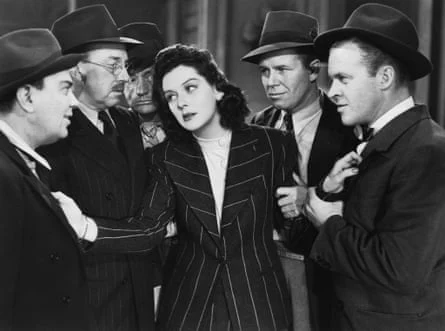
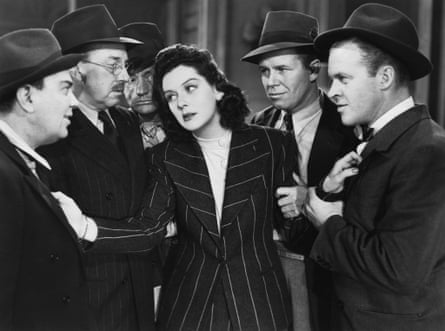
From Hildy Johnson in the 1940 screwball comedy "His Girl Friday," a sharp reporter who ultimately chooses her career over a quiet suburban life, to Sally Albright in "When Harry Met Sally," who grapples with her desire for motherhood in her thirties, these characters have paved the way for more complex portrayals of ambitious women. The 1990s saw further exploration of flawed but compelling female protagonists, such as Julia Roberts’s "two-faced, big-haired food critic" in "My Best Friend’s Wedding," who pursued her desires with unapologetic ambition.
Bridget Jones, a character who has resonated with generations, offers another significant example. Her decision to pivot to TV reporting after a professional and personal setback, vowing dedication to the "pursuit of truth," underscores the aspirational power of journalism as a career for women. Her journey, often marked by personal foibles, ultimately reinforces the idea of female resilience and the pursuit of meaningful work.
The 2000s and beyond have seen an even more diverse range of female journalists depicted on screen. Films like "How to Lose a Guy in 10 Days" and "Confessions of a Shopaholic" explored themes of career advancement and financial struggles. "Trainwreck" featured an unapologetically self-destructive female protagonist, mirroring traditionally male archetypes. On television, characters like Carrie Bradshaw from "Sex and the City" and Hannah Horvath from "Girls" tackled taboo subjects and articulated the anxieties and aspirations of their respective generations. These characters, in their varied ways, have consistently pushed the boundaries of how women are represented in media, often grappling with societal expectations surrounding relationships, career, and personal fulfillment.
The Unchanging Cost of Ambition: A Generational Reckoning
"The Devil Wears Prada 2" underscores a fundamental truth: while the external landscape of careers and societal norms may shift, the internal struggle for balance and fulfillment remains. The film acknowledges that for modern women, the pursuit of "having it all" has been replaced by a more pragmatic, yet still challenging, aspiration to simply have choices.
The film’s screenwriter, Aline Brosh McKenna, notes that Andy has "gone around the world and had adventures" and likely had "a lot of boyfriends in the meantime." This suggests a maturation of Andy’s character, moving beyond the romantic entanglements that defined the first film. Her current love interest, a "beige accessory" architect, is almost incidental, reflecting a contemporary trend where female career success can often overshadow romantic relationships, a sentiment echoed by a recent Vogue article that declared having a boyfriend "embarrassing." This emphasis on Andy’s independence and self-assured singlehood is a satisfying evolution for the audience who have followed her career aspirations.
Miranda Priestly, in a moment of reflection, acknowledges the personal cost of her own ambitions: "There’s a cost." This sentiment resonates throughout the film, connecting the characters’ professional lives with their personal sacrifices. The economic insecurity, the pressure to achieve, and the biological clock all converge to create a complex tapestry of modern womanhood.
The film’s closing moments, with Andy boarding a coach to a high-profile event, a stark contrast to the private jets and limousines of her past, serve as a potent metaphor for the journey. It’s a reminder that even in the face of industry upheaval and personal anxieties, the pursuit of professional goals, and the hope for personal milestones like motherhood, continues. The question of whether a third installment is feasible in the current climate is uncertain, with Meryl Streep expressing her willingness to return but the broader societal and economic factors posing significant hurdles. The ultimate hope for audiences, and perhaps for Andy herself, is that she can navigate these challenges and achieve her personal aspirations, including the retrieval of her frozen eggs, a symbol of her agency and future. The journey for women in media, and indeed in many professional fields, remains a testament to resilience, adaptation, and the enduring pursuit of a fulfilling life, however it may be defined.