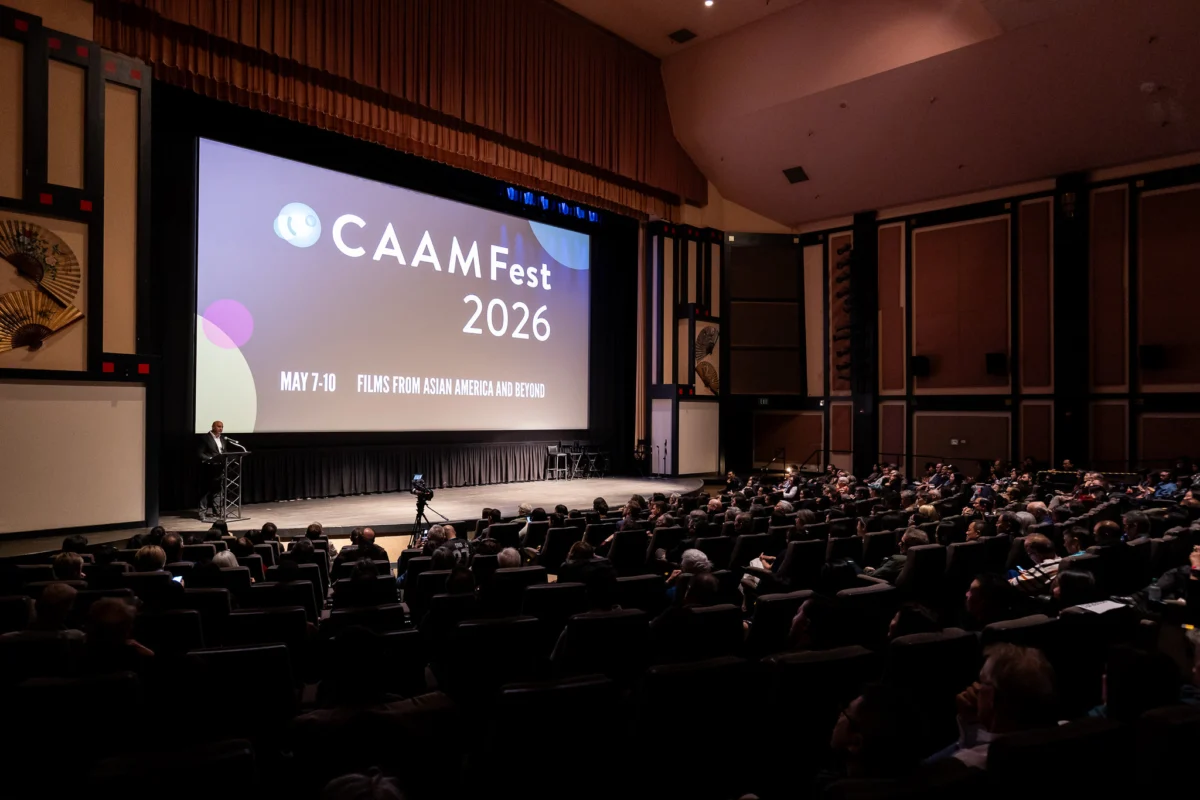
The Center for Asian American Media (CAAM) successfully concluded its 44th annual CAAMFest, a vibrant four-day cinematic and cultural event held in San Francisco’s historic Japantown. The festival, which ran from [Insert inferred start date, e.g., Thursday, May 15th] to [Insert inferred end date, e.g., Sunday, May 18th, 2026], drew thousands of attendees and featured nearly 40 screenings, solidifying its position as a vital platform for Asian American and Pacific Islander (AAPI) voices in media. The robust turnout, including numerous sold-out screenings, underscored the growing public appetite for diverse narratives and the festival’s profound impact on the cultural landscape.
A Legacy of Amplifying AAPI Voices
CAAM, founded in 1980 as the National Asian American Telecommunications Association (NAATA), has a long and distinguished history of supporting and showcasing media that reflects the experiences of Asian Americans and Pacific Islanders. Its mission extends beyond mere exhibition; CAAM actively champions the production, distribution, and exhibition of AAPI media, fostering a deeper understanding of Asian American history and culture. CAAMFest, the organization’s flagship event, has evolved over more than four decades into the largest festival of its kind in the United States, providing a crucial space for filmmakers, industry professionals, and audiences to connect, learn, and celebrate. The choice of San Francisco Japantown as a primary venue annually is deeply symbolic, rooting the festival in a community that has historically served as a cultural nexus for Asian Americans. This year’s 44th iteration built upon this rich legacy, pushing boundaries and fostering dialogue around contemporary issues.
Festival Highlights: From Star-Studded Galas to Insightful Dialogues
The 2026 festival commenced with considerable fanfare, featuring a sold-out Opening Night presentation of HBO’s The A List: 15 Stories from Asian and Pacific Diasporas. The screening was followed by an exclusive gala at the opulent Asian Art Museum, a landmark institution that provided a fitting backdrop for the evening’s celebrations. The atmosphere was electric, enhanced by the beats of DJ Rekha, herself one of the subjects featured in The A List. The event saw a constellation of talent and influential figures in attendance, including transgender activist Schuyler Bailar, Pulitzer Prize-winning photographer Manny Crisostomo, director Eugene Yi, executive producer and photographer Timothy Greenfield-Sanders, producer Jada Yuan, and HBO Sr. Vice President of Documentary Programs Tina Nguyen. Their presence highlighted the increasing mainstream recognition and collaborative spirit surrounding AAPI storytelling.
The festival’s programming extended far beyond its opening night, offering a comprehensive look at the depth and breadth of contemporary AAPI cinema. Audiences were treated to a diverse array of films, from compelling narratives to thought-provoking documentaries, many of which explored themes pertinent to the Asian American experience. The closing night film, Traces of Home, a debut feature by Berkeley-based filmmaker Colette Ghunim, also saw a sold-out screening, demonstrating strong local support for emerging talent and resonant storytelling. The film’s success underscored the festival’s ability to not only feature established works but also to launch promising new voices into the cinematic spotlight.
Cultivating the Future: The Filmmaker Summit and Industry Hub
A significant enhancement to CAAMFest 2026 was the strengthened integration between the festival’s public programming and CAAM’s ongoing work in developing the pipeline for filmmakers telling stories about Asian American experiences. This strategic synergy was most evident in the three-day Filmmaker Summit and Industry Hub, hosted at the KOHO Creative Hub. This dedicated forum attracted hundreds of creatives and industry leaders, offering a vital space for networking, collaboration, and critical discourse.
The summit featured timely discussions that addressed the most pressing issues facing the AAPI media landscape. Panels delved into crucial topics such as Asian American representation, examining both progress made and persistent challenges within Hollywood and independent cinema. The future of public media was also a key focus, exploring how platforms like PBS can continue to serve diverse communities and adapt to evolving consumption habits. Perhaps most forward-looking were the discussions surrounding artificial intelligence (AI) in filmmaking, where participants explored the ethical implications, creative opportunities, and potential disruptions AI technology poses for content creation and industry employment.
Donald Young, CAAM Executive Director, articulated the festival’s dual purpose: "The future of storytelling is as much about drawing audiences to theaters as it is about being a convening space for audiences and the creative community." He further emphasized the importance of the industry components, stating, "The packed sessions at Filmmaker Summit and Industry Hub reflect the importance of CAAM providing a space for makers to learn from each other how to tell stories about Asian Americans in this changing environment." This sentiment highlights CAAM’s commitment to nurturing talent and ensuring that AAPI stories continue to be told authentically and innovatively.
"Bad Asians Causing Good Trouble": A Guiding Theme
The overarching theme for CAAMFest 2026, "Bad Asians Causing Good Trouble," resonated throughout both the industry sessions and the selection of award-winning films. This provocative theme served as a rallying cry, encouraging filmmakers and audiences alike to challenge stereotypes, disrupt conventional narratives, and advocate for social change through creative expression. It implicitly celebrated those who defy expectations, question norms, and push boundaries—qualities often essential for groundbreaking artistic work. This theme encouraged narratives that moved beyond the "model minority" myth, embracing complexity, defiance, and a proactive stance against injustice or misrepresentation. The films honored at the festival largely embodied this spirit, presenting characters and stories that were bold, multifaceted, and often challenged societal or cultural expectations.
Recognizing Excellence: The CAAMFest 2026 Award Winners
The culmination of CAAMFest 2026 was the announcement of its prestigious awards, celebrating outstanding achievements across various categories. These awards not only recognize artistic merit but also highlight films that align with CAAM’s mission of fostering diverse and impactful storytelling.
Narrative Award
The Narrative Competition Award, designed to spotlight the diversity and ingenuity of modern cinema, celebrated excellence in narrative filmmaking. The jury, comprising Kitty Hu, Jack Song, and Charlene Joy Jimenez, faced a challenging task given the high caliber of submissions.
The Narrative Feature Winner was Forge, directed by Jing Ai Ng. This compelling film, set in Miami, unravels the intricate world of siblings Raymond and Coco Zhang, who operate a lucrative art forgery ring. Their entanglement with millionaire Holden Beaumont, who coerces them into creating counterfeit masterpieces for his family’s art collection, plunges them into a complex web of deception.
The jury lauded Forge for its "confident storytelling, strong pacing, and compelling, complex performances across a richly woven ensemble." They noted the film’s ability to balance entertainment with "interesting provocations," prompting audiences to consider questions of "authenticity and the nature of ‘real art.’" Furthermore, the jury praised Forge for its vivid sense of place and its subtle yet deliberate subversion of familiar stereotypes, offering fresh perspectives on identity, the model minority myth, imposter syndrome, and perfectionism. They concluded by congratulating writer-director Jing Ai Ng on a "triumph of a debut feature."
An Honorable Mention in the Narrative category was awarded to Honeyjoon, directed by Lilian T. Mehrel. The jury commended this debut feature as a "refreshing perspective on grief, mother-daughter dynamics, liberation, and intergenerational healing," highlighting its ability to balance joy and sorrow while disrupting expectations in a film about loss.
Documentary Award
The Documentary Competition showcased a dynamic selection of films that fearlessly captured the challenging realities and surprising beauty inherent in the human experience. The jury, consisting of Nick Price, Jannette Napoli, and Cindy Martin, recognized works that demonstrated profound commitment and empathetic storytelling.
The Documentary Feature Award Winner was Before the Moon Falls, directed by Kimberlee Bassford. This intimate portrait, eight years in the making, follows the tumultuous journey of acclaimed Samoan writer Sia Figiel. The film, which took a tragic turn during its production, offers a deeply thought-provoking look at Sia’s life leading up to a traumatic moment, illuminating the complexities of inconsistently treated mental illness and its devastating toll on individuals, families, and entire communities.
The jury described Before The Moon Falls as a "true-to-the form project," praising the filmmaker’s genuine commitment, patience, care, and talent. They emphasized the film’s lasting impact, stating it "stays with you long after you watch it and we hope it is a reminder of the importance of slowing down and holding space for one other, no matter how dark it can get."
Honorable Mentions in the Documentary category were given to Uncommitted, directed by Razi Jafri, and Traces of Home, directed by Colette Ghunim. The jury specifically recognized these filmmakers for their "significant contributions to representing the Palestinian and Palestinian American experience through their courageous films," acknowledging the vital role of media in shedding light on underrepresented narratives.
Audience Award
Reflecting the direct engagement and appreciation of the festival-goers, the Audience Award was presented to Seat at the Table, directed by Sarita Khurana and Yoav Attias. This timely documentary chronicles the meteoric rise of South Asian Americans in U.S. politics. Through unprecedented access to groundbreaking campaigns during the 2024 elections, the film reveals how this community is transforming the nation’s political future, resonating deeply with audiences keen on understanding evolving political landscapes and representation.
InspirASIAN Award
The InspirASIAN Student Film Award recognizes promising new voices in Asian and Asian American media, celebrating college students who embody the spirit of a new generation of storytellers. This award is supported by InspirASIAN, a nonprofit and AT&T Employee Group dedicated to developing inspiring leaders and delivering meaningful events.
The InspirASIAN Graduate Student Award Winner was Bridging Our Stories, directed by Rafael Bitanga. This powerful documentary follows a 50-year-old Filipina in Ketchikan, Alaska, as she grapples with the loss of the last Filipino community center. Her journey of rediscovering her roots in the Philippines and preserving her community’s disappearing culture by teaching indigenous Filipino dances underscores the universal struggle of immigrants to maintain identity in the U.S., particularly in remote frontiers.
The InspirASIAN Undergraduate Student Award Winner was Sweet Farewell, directed by Cynthia Nguyen. This poignant film tells the story of an elderly Vietnamese dessert shop owner and a teenage waitress who must confront impending threats to their business, both willing to do anything to save it. The film beautifully captures themes of intergenerational bonds, cultural heritage, and the challenges faced by small businesses within ethnic communities.
Loni Ding Award
The Loni Ding Award, named after the pioneering independent filmmaker, television producer, university instructor, and fierce advocate for independent media arts, is presented annually to an emerging Asian American filmmaker whose short-length work illuminates the experiences of underrepresented communities. Loni Ding’s legacy as an outspoken champion for more democratic, public interest art and media continues to inspire. The jury for this award included Sapana Sakya (CAAM Talent Development and Special Projects Director), Czarina Garcia (CAAM Media Fund Manager), Stephanie Liu (Documentary Filmmaker, Writer, & CAAM Events Coordinator), and Anteeniya Bell (CAAM Development Associate).
The Loni Ding Award Winner was also Bridging Our Stories, directed by Rafael Bitanga, highlighting its profound impact and alignment with Ding’s values. The jury was deeply moved by the film’s "breathtaking cinematography and its deeply community-centered focus on the Filipino-American population in Ketchikan, Alaska."
The jury emphasized that at the heart of Bridging Our Stories is a testament to a community’s strength and unity in its quest for cultural survival within the broader Alaskan narrative. They highlighted the journey of Ketchikan community leader Alma Manabat Parker, whose efforts to research indigenous practices in the Philippines inform her work with Ketchikan youth, underscoring the necessity of physical community spaces and continued connection to the homeland. The jury praised Alma’s journey for revealing a "profound truth: a cultural bearer does not require a perfect lineage or an unbroken connection to the homeland. Instead, they need commitment, humility, and the courage to become students of their own heritage." They concluded by recognizing the film’s holistic story of intergenerational strength, its amplification of a remote, underrepresented community, and its embodiment of Loni Ding’s community-driven legacy.
Broader Impact and Implications
CAAMFest 2026’s success extends beyond the numbers and accolades. The festival significantly contributes to shaping the future of Asian American media by:
- Strengthening the AAPI Media Pipeline: The Filmmaker Summit and Industry Hub directly nurture emerging talent, providing essential skills, networking opportunities, and discussions on industry trends, including the impact of AI. This ensures a robust supply of diverse storytellers.
- Fostering Community and Dialogue: By creating a physical and intellectual space for thousands of attendees, filmmakers, and industry leaders, the festival acts as a vital hub for community building, fostering conversations about identity, representation, and social justice.
- Influencing Mainstream Media: The presence of major industry players like HBO and the high profile of films like The A List demonstrate a growing recognition from mainstream outlets regarding the commercial and cultural value of AAPI stories, potentially leading to more investment and visibility.
- Cultural Preservation and Advocacy: Films like Bridging Our Stories and Sweet Farewell underscore the importance of preserving cultural heritage and documenting the struggles and triumphs of specific AAPI communities, contributing to a richer understanding of the American mosaic.
- Challenging Narratives: The "Bad Asians Causing Good Trouble" theme, coupled with the provocative nature of many winning films, signals a shift towards more nuanced, daring, and authentic portrayals of Asian Americans, moving beyond simplistic stereotypes and encouraging critical engagement.
As the curtains close on CAAMFest 2026, the reverberations of its success are expected to echo throughout the media landscape. The festival not only celebrated exceptional cinematic achievements but also reaffirmed its crucial role as an incubator for talent, a platform for vital discussions, and a beacon for the ever-evolving narrative of Asian Americans and Pacific Islanders in the United States and beyond. The record attendance and the depth of engagement underscore a powerful demand for stories that reflect the full spectrum of human experience, and CAAMFest remains at the forefront of delivering them.