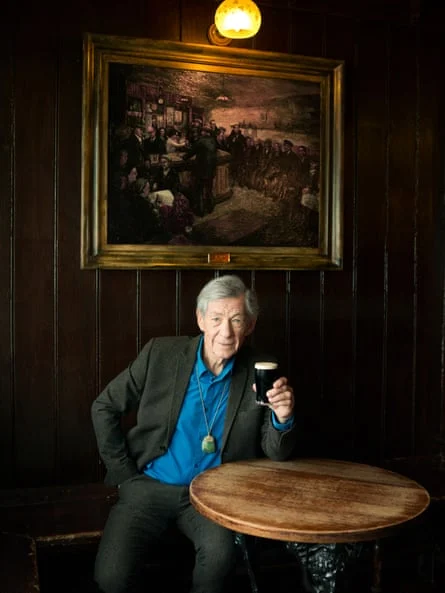
In a career spanning over sixty years, Sir Ian McKellen, a titan of the stage and screen, has witnessed a seismic shift in the theatrical world. Reflecting on his early days, McKellen vividly recalls his inaugural professional role in 1961 at the Belgrade Theatre in Coventry. This pioneering civic theatre, a testament to post-war reconstruction and public funding, provided a vital platform for emerging talent. His weekly wage of £8, a sum then sufficient for rent and sustenance, underscores a vastly different economic reality for actors.
The Decline of Repertory Theatre and the Apprenticeship Model
"My first job, in 1961, was at the Belgrade theatre in Coventry, the first British civic theatre built after the second world war, with public funds and a subsequent Arts Council grant. My weekly wage was £8, enough to pay for my flat, which cost three guineas, and to eat well enough," McKellen recounts. He highlights a crucial aspect of this era: the ubiquitous presence of repertory companies. These companies, staging a new production every two weeks, offered an invaluable, prolonged apprenticeship for young actors. "Every city of similar size had a repertory company, presenting a new production every two weeks, and crucially providing employment for tyro actors in need of a prolonged apprenticeship in the company of senior players. You learned what you could and couldn’t do and what you could aspire to."
The stark contrast with the present day is palpable. "Today, alas, there is not a single rep company in the UK and no comparable system for training new talent," he laments. This disappearance represents a significant loss for the theatrical ecosystem, removing a traditional pathway for actors to hone their craft through consistent performance and mentorship. The Belgrade Theatre itself, once a hub for this very system, now houses the council’s office of outreach and education, a symbolic representation of changing priorities and available resources within the arts.

The Enduring Power of Live Theatre and the Actor’s Ritual
Despite the structural changes, McKellen notes one constant: the unwavering enthusiasm of audiences. "What is unchanged since 1961 is the enthusiasm of audiences for lively theatre, classic or newly written. Going to live theatre is still one of the principal amusements in the UK." This enduring appeal is a cornerstone of the performing arts, a testament to the unique connection forged between performers and spectators.
The question of pre-performance rituals elicits a nostalgic, yet practical, response. While the specific anecdote about performing warm-ups in a jockstrap may be a playful embellishment, McKellen confirms the continuation of a vital practice. "Not sure about the jockstrap, but I still like to join the other actors who warm up body and mind before a show. We stretch muscles, clear vocal cords and gossip, reminding ourselves that putting on plays is, at best, a communal business." This highlights the collaborative nature of theatre, where shared rituals foster camaraderie and prepare the ensemble for the collective effort of storytelling. This communal aspect of theatre, from rehearsal room to backstage, remains a constant, even as the industry evolves.
Imagining Theatrical Road Trips and Encounters with the Bard
The allure of a shared adventure with fellow acting luminary Patrick Stewart sparks a humorous exchange. A proposed television series featuring the two actors travelling Europe in a camper van to review local stage productions is met with characteristic wit. "I’d enjoy that, but I’m not sure about the camper van. Put five-star hotels in the contract and I’ll see what Pat thinks." This playful negotiation underscores the enduring camaraderie and professional respect between these iconic figures, hinting at the potential for engaging content that celebrates their shared passion for theatre.
McKellen’s desire to converse with William Shakespeare reveals a profound curiosity about the genesis of theatrical masterpieces. His hypothetical questions delve into the authorship debate and the architectural nuances of the Globe Theatre. "I’d say: ‘So did you – rite the plays and act in them? I’m sure you did, but a few quite sensible people don’t believe it. Also, could you please sketch a plan of the original Globe theatre, which I suspect didn’t have those two obtrusive columns that restrict sightlines from the stage of the so-called Shakespeare’s Globe on the South Bank. Oh and: have you seen Hamnet yet?’" This thoughtful interrogation reflects a deep engagement with theatrical history and a desire to connect with the foundational figures of the art form.
Unexpected Performances and Fictional Showdowns
McKellen’s participation in the 2025 Glastonbury festival, performing with the Scissor Sisters, is recalled with a sense of exhilaration. "Unlike many of my friends, I never aspired to be a pop singer – but it’s heady stuff, parading in front of a band’s enthusiastic fans. The whole set felt like one long curtain call of love and thanks." This experience, a departure from his usual theatrical domain, highlights the cross-pollination of artistic disciplines and the universal appeal of a powerful performance. The crowd’s enthusiastic chant of his name to the tune of "Seven Nation Army" underscores his widespread recognition and the deep affection audiences hold for him.
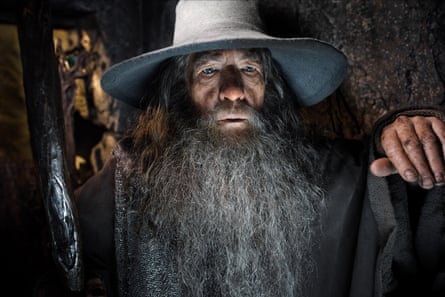
The perennial question of a hypothetical confrontation between Gandalf and Dumbledore is answered with characteristic aplomb. "Why on earth would they be fighting? But Gandy, of course, would win. The original wizard." This lighthearted response playfully acknowledges the cultural impact of his iconic characters and their enduring presence in popular imagination.
The Roots of Performance: Faith, Humanism, and Theatrical Inspiration
McKellen’s reflections on his father, a lay preacher, and his grandfather, a nonconformist preacher, reveal the profound influence of oratory and performance within his family. While his father’s preaching did not directly inspire his acting career, it provided an early exposure to the power of captivating an audience. "It was actors – amateur and professional – who first enraptured me." He recounts an anecdote about his grandfather’s unexpected pause during a sermon, a moment of vulnerability met with humor, which he likens to an actor forgetting lines. "I think he was as much at home in the pulpit as his grandson feels on stage."
His spiritual journey is marked by a departure from childhood religious adherence. "I stopped worshipping in my teens." He expresses admiration for the Quakers, citing their commitment to humanitarian principles and their pioneering support for LGBTQ+ rights. This nuanced perspective reflects a humanist outlook, valuing ethical conduct and social justice.
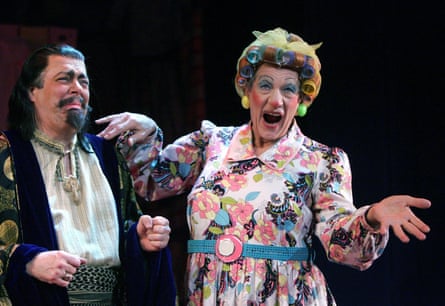
The Enduring Appeal of Pantomime and the Love for Homegrown Art
McKellen’s affection for pantomime is deeply rooted in its theatrical richness and cultural significance. He describes it as a "matchless introduction to all that is possible in a theatre," encompassing a vast array of theatrical devices, from slapstick to sentiment, song, and dance. Its ability to engage audiences of all ages, particularly children, makes it a vital art form. "As a homegrown art form, it hasn’t travelled well. Americans find it as baffling as cricket. My patriotism is rooted in Shakespeare and panto." This sentiment highlights the unique British character of pantomime and its importance as a cultural touchstone.
Casting Conundrums and the Humanity of Iconic Roles
The persistent rumour of David Bowie being considered for the role of Gandalf in The Lord of the Rings is addressed with a touch of playful mystery. McKellen admits he has "never managed to persuade Peter to confirm who turned down the wizard part of a lifetime." He speculates that Bowie’s distinctive presence might have leaned more towards the supernatural aspect of Gandalf, contrasting with his own preference for the character’s underlying humanity. "For all Gandalf’s acquaintance with magic and the supernatural, I was most attracted to the old boy’s humanity – the sort of hirsute tramp of a geezer who you might hope to meet traipsing through Middle-Earth’s highways and byways." This insight into his character interpretation reveals a preference for grounded, relatable figures, even within fantastical narratives.
A Pub Landlord’s Vigilance and the Weight of Advice
McKellen’s ownership of The Grapes pub in Limehouse has led to a humorous query about his experiences as a publican. He states he has "never" had to eject anyone, attributing this peaceful record to the stern presence of Gandalf’s staff, displayed behind the bar. This whimsical response underscores his enduring connection to his most famous role and its symbolic presence in his life.
The Worst Advice and the Courage of Conviction
A significant anecdote emerges when McKellen recounts the worst piece of advice he ever received. Following his performance in Martin Sherman’s Bent, which brought to light the persecution of homosexuals in Nazi concentration camps, the esteemed actor Alec Guinness advised McKellen against his involvement in public and political affairs. "He thought it somewhat unseemly for an actor to dabble in public or political affairs and advised me, sort of pleaded with me, to withdraw." This occurred during a period when McKellen was actively involved in establishing Stonewall, the LGBTQ+ rights organization. McKellen’s firm rejection of this advice speaks volumes about his commitment to activism and his belief in the actor’s responsibility to engage with societal issues. "Advice from an older generation, which I didn’t follow." The subsequent reflection on a solo show hinting at Guinness’s own latent bisexuality adds a layer of poignant irony to the encounter.
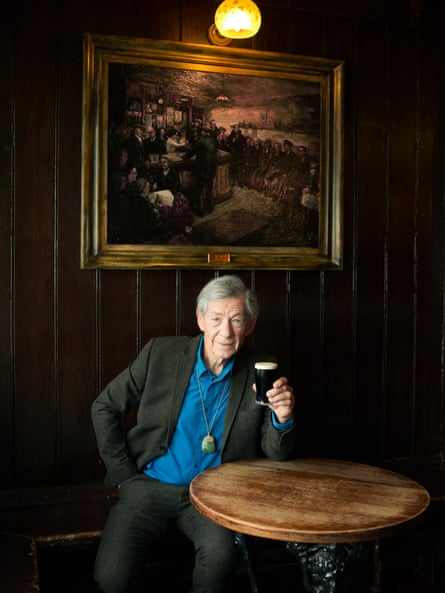
The Nuances of "To Be or Not to Be" and the Wisdom of "Let Be"
McKellen’s profound engagement with Hamlet’s existential dilemma, "To be or not to be," offers a layered interpretation. He explains that in his youth, he embraced "be" as a call to "live life to the full." However, upon revisiting the role in later years, he found a deeper resonance in Hamlet’s final counsel to his friend: "Let be." This evolving perspective reflects a mature acceptance of life’s complexities and a quiet wisdom gained through experience. "And so say I." This concluding statement encapsulates a lifetime of artistic exploration and personal growth, a testament to the enduring power of theatre to illuminate the human condition.