
The highly anticipated sequel to a film that indelibly etched itself into the cultural zeitgeist, The Devil Wears Prada 2, faces an unexpected hurdle: audience clarity. While its predecessor, a modern classic renowned for its quotable dialogue and enduring phrases, would seemingly guarantee a built-in audience, a closer examination reveals potential ambiguities in its original title, particularly for those unfamiliar with the source material. This has led to a strategic renaming in Vietnam, where the film is now known as The Woman Who Loves Luxury Goods 2, a title that, while potentially more descriptive, sparks a broader conversation about international film titling and its impact on audience perception.
Navigating Title Ambiguity in the Global Market
The original title, The Devil Wears Prada, while iconic, can present a misinterpretation for a new viewer. The invocation of "The Devil" might erroneously suggest a genre akin to horror. Alternatively, the phrase could be perceived as an indicator of an independent documentary critically examining the role of designer fashion within the context of late-stage capitalism. The Vietnamese adaptation, The Woman Who Loves Luxury Goods 2, directly addresses these potential misconceptions by offering a more literal and genre-defining descriptor.
This new title explicitly communicates key elements: the presence of a female protagonist, her affinity for high-end merchandise, and its status as a follow-up installment. While one might argue that the title lacks specificity regarding which woman is the subject of this affection for luxury goods, given the ensemble cast of the original film, this remains a minor quibble. The title effectively functions as a clear marketing signpost, akin to how Breakfast at Tiffany’s, Confessions of a Shopaholic, Sex and the City, The Bling Ring, or Marie Antoinette all signal a thematic connection to material possessions and aspirational lifestyles.
A Rich History of Title Transformations
The Woman Who Loves Luxury Goods 2 finds itself in esteemed company as part of a vast canon of films that have benefited from more evocative or clarifying titles in different linguistic markets. This practice, while sometimes driven by marketing necessity, has frequently resulted in translations that enhance, rather than detract from, the original film’s appeal and accessibility.
Case Studies in International Titling:
-
Germany’s Sharp Reinterpretations: Germany has a notable track record of reinterpreting film titles with considerable success. Annie Hall was rebranded as The Urban Neurotic, a title that captures the protagonist’s character and setting with sharp precision. Similarly, the absurdist comedy Airplane! was retitled The Incredible Journey in a Crazy Airplane, providing a more direct indication of its comedic chaos. Furthermore, Die Hard With a Vengeance received the German title Die Slowly, Now More Than Ever, a moniker that, with a touch of dark humor, evokes the anxieties of a specific era, perhaps even bordering on the tone of a public service announcement during a crisis.

-
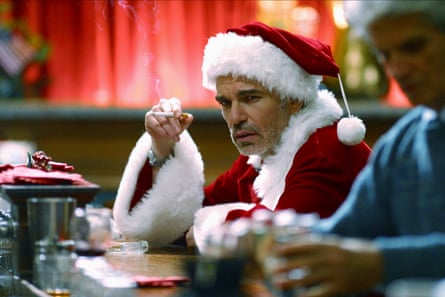
The Czech Republic’s Direct Approach: In contrast to the more interpretive German approach, the Czech Republic opted for a more direct and revealing title for the dark comedy Bad Santa. The original title, while hinting at subversion, left room for ambiguity regarding the nature of Santa’s "badness." The Czech translation, which directly translates to Santa Is a Pervert, leaves no room for misinterpretation, immediately clarifying the film’s crude and adult-oriented humor. This ensures that audiences are aware of the film’s explicit content and comedic tone from the outset.
-
Asia’s Creative Overhauls: Asia, in particular, has demonstrated a flair for transformative titling, often leading to titles that are both descriptive and, in some instances, remarkably audacious. In China, the disaster film Deep Impact was renamed Heaven and Earth Great Collision, a title that amplifies the dramatic scale of the event. The Judd Apatow comedy Knocked Up became One Night, Big Belly, a literal and humorous description of the plot. Perhaps most striking is the Chinese title for Pretty Woman, which translates to I Will Marry a Prostitute to Save Money. This title, while sensational, directly addresses the film’s central premise and offers a provocative hook.
However, this approach is not without its occasional missteps. China’s renaming of the British comedy The Full Monty to Six Naked Pigs may have inadvertently misled audiences who were expecting a more direct correlation to the original film’s narrative and cultural context. Despite such instances, the overall trend showcases a willingness to reimagine titles to resonate with local audiences and cultural sensibilities.
The Perils of Oversharing: When Titles Reveal Too Much
While creative renaming can be beneficial, there exists a fine line between providing clarity and divulging too much of a film’s narrative. Some international title changes, though perhaps well-intentioned, risk undermining the element of surprise and narrative discovery that is crucial to the cinematic experience.
Examples of Overly Revealing Titles:
- Thelma & Louise’s Unwelcome Spoiler: The American road movie Thelma & Louise, with its deceptively simple title, leaves the audience to discover the protagonists’ fate and motivations. However, the full Mexican title, which includes a subtitle translating to An Unexpected Ending, essentially provides a major plot spoiler. This direct revelation can diminish the impact of the film’s climactic moments and the thematic exploration of the characters’ choices. It is akin to renaming The Sixth Sense as The Boy Who Saw Ghosts or The Usual Suspects as Kevin Spacey Was Keyser Söze All Along. Such titles preempt the audience’s engagement with the narrative’s unfolding mysteries.
The Myth of "Mr. Kiss Kiss Bang Bang"
A widely circulated anecdote in the realm of film titling concerns the James Bond franchise. For a period, a persistent myth suggested that some international releases of James Bond films were known as Mr. Kiss Kiss Bang Bang. While this moniker possesses a certain succinct and evocative charm, perfectly encapsulating the suave and action-packed nature of 007, it is, in fact, apocryphal. No official film in the franchise ever bore this title.
The origin of the phrase can be traced to an Italian journalist who used it in an article about James Bond in 1962. Despite its non-official status, the phrase gained traction and cultural currency, eventually inspiring a song of the same name on the soundtrack of Thunderball and lending its title to the 2005 Robert Downey Jr. film Kiss Kiss Bang Bang. This instance highlights how a compelling phrase, even without official film attribution, can permeate popular culture and influence subsequent creative works.
The Two-Way Street of Titling Conventions
It is important to acknowledge that the practice of altering film titles is not exclusive to international markets; domestic markets also engage in this phenomenon, sometimes with less successful outcomes. The United States’ renaming of the acclaimed French coming-of-age drama La Vie d’Adèle to Blue Is the Warmest Colour has been criticized for its perceived pretentiousness. The latter title, more evocative of a perfume advertisement than a nuanced exploration of love and identity, has been seen as a dilution of the original’s powerful resonance.
Conversely, the Swedish romantic comedy Show Me Love (1998) possesses a title that, in the American context, can sound rather generic. However, its original Swedish title, Fucking Åmål, offers a far more potent and edgy descriptor, reflecting the raw emotions and adolescent angst at the heart of the film. This demonstrates that even within a single language market, titling decisions can significantly impact audience perception and the film’s overall reception.
Implications for The Devil Wears Prada 2 and Beyond
The case of The Woman Who Loves Luxury Goods 2 underscores the complex strategic considerations involved in global film distribution. The decision to alter a title is rarely arbitrary; it reflects an understanding of local cultural nuances, linguistic preferences, and potential audience reception. In this instance, the Vietnamese title prioritizes clarity and directness, aiming to attract a broad audience by minimizing any potential for genre misinterpretation.
The success of such titling strategies can have tangible financial implications. A title that accurately reflects a film’s genre and thematic content can lead to more targeted marketing campaigns, attracting viewers who are genuinely interested in the product, thereby improving box office performance and reducing audience dissatisfaction. Conversely, misleading titles can lead to poor reviews, negative word-of-mouth, and ultimately, financial underperformance.
As the film industry continues to evolve, with a greater emphasis on international markets, the art and science of film titling will remain a critical component of global distribution strategy. The phenomenon of The Woman Who Loves Luxury Goods 2 serves as a compelling example of how seemingly minor adjustments to a film’s name can carry significant weight in bridging cultural divides and ensuring that stories reach their intended audiences with maximum impact. Should The Devil Wears Prada continue to inspire further installments, the pragmatic approach adopted in Vietnam – The Woman Who Loves Luxury Goods 3 – offers a straightforward and transparent path forward, ensuring that audiences will always know precisely what to expect.