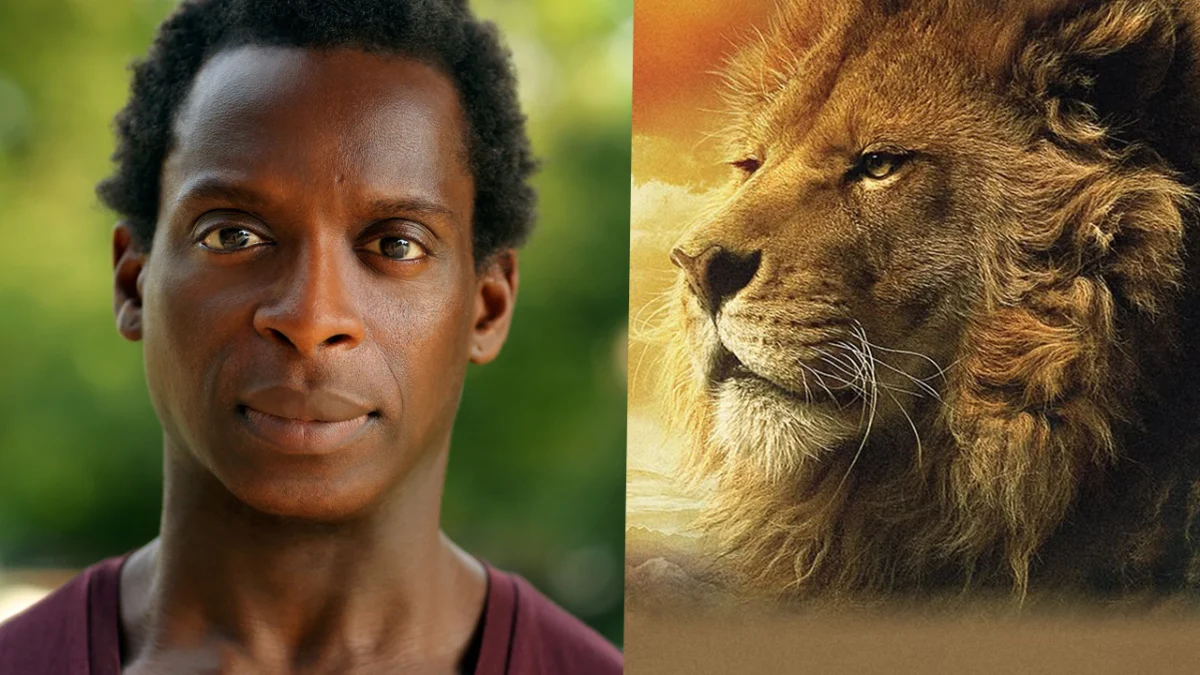
The highly anticipated Netflix adaptation of C.S. Lewis’s seminal fantasy series, The Chronicles of Narnia, has taken another significant step forward with the confirmation that Olivier Award-winning actor Kobna Holdbrook-Smith has joined the cast of Narnia: The Magician’s Nephew. This casting announcement arrives alongside a pivotal strategic shift for the project, as Netflix officially confirmed a full theatrical release for the film in 2027, preceding its global streaming debut. Holdbrook-Smith, celebrated for his diverse roles across stage, film, and television, is set to portray the character of Francis, understood to be a pivotal figure in Narnian lore, Frank the Cabby. The decision to grant The Magician’s Nephew a wide cinematic release on February 12, 2027, including special IMAX sneak previews from February 10, before its arrival on Netflix on April 2, 2027, marks a notable evolution in the streaming giant’s distribution model for its tentpole productions and underscores the monumental ambition behind this new vision for Lewis’s beloved universe.
A Distinguished Talent Joins the Origin Story of Narnia
Kobna Holdbrook-Smith’s addition to the ensemble cast of Narnia: The Magician’s Nephew brings a wealth of experience and critical acclaim to the ambitious project. His confirmed role as Francis, widely believed to be an adaptation of Frank the Cabby from C.S. Lewis’s original novel, positions him at the very genesis of Narnia’s mythology. In The Magician’s Nephew, Frank the Cabby is a hardworking, good-hearted Londoner who, along with his horse Strawberry, and the young protagonists Digory Kirke and Polly Plummer, is inadvertently transported by magical rings into the nascent world of Narnia. He witnesses its creation by the great lion Aslan and is subsequently chosen to become its first King, known as King Frank I. This character arc is central to establishing the moral foundations of Narnia and its relationship with the human world, making Holdbrook-Smith’s portrayal crucial to setting the tone for the entire series. His journey from an ordinary cab driver to a monarch embodies themes of humility, destiny, and the unexpected heroism found in everyday individuals, resonating deeply with Lewis’s overarching messages.
Holdbrook-Smith’s career is a testament to his versatility and dramatic prowess. He garnered widespread recognition and an Olivier Award for Best Actor in a Musical for his electrifying performance as Ike Turner in Tina: The Tina Turner Musical, a role that showcased his powerful stage presence and vocal talent. This theatrical triumph cemented his status as a performer capable of commanding significant emotional range and embodying complex characters. Beyond the theatre, his filmography spans across various genres, including appearances in beloved family films such as Paddington 2, where he charmed audiences as a kind-hearted police officer; Mary Poppins Returns, contributing to its whimsical atmosphere; and Wonka, adding to its magical world. These roles demonstrate his appeal to a broad audience and his ability to contribute to narratives that blend fantasy with grounded human experiences.
His presence in major blockbuster franchises like Marvel’s Doctor Strange and Zack Snyder’s Justice League further illustrates his comfort and capability within large-scale cinematic productions that demand both physical presence and nuanced acting. Television audiences will also recognize him from his role as Balthamos in the critically acclaimed BBC/HBO adaptation of Philip Pullman’s His Dark Materials, another beloved fantasy series. In this role, Holdbrook-Smith portrayed a complex angelic figure, showcasing his aptitude for embodying supernatural characters with depth and gravitas. This diverse background equips Holdbrook-Smith with the unique ability to navigate the blend of grounded human emotion and fantastical wonder inherent in the Narnia narrative. His appointment as an M.B.E. in the Queen’s birthday honors for services to drama further cements his standing as a highly respected figure in the performing arts. His casting not only brings a proven talent but also signals a commitment to a sophisticated and nuanced interpretation of Lewis’s characters, ensuring that even the fantastical elements are rooted in believable human experience.
Greta Gerwig’s Vision: Reimagining a Classic
At the helm of this monumental undertaking is Academy Award nominee Greta Gerwig, who is not only directing but also co-writing Narnia: The Magician’s Nephew. Gerwig’s involvement has been a significant talking point since her attachment to the project was first announced in 2022. Renowned for her distinctive directorial voice and critical successes with films like Lady Bird (2017), Little Women (2019), and the global phenomenon Barbie (2023), Gerwig brings a unique sensibility to the fantasy genre. Her films are often characterized by sharp dialogue, intricate character development, and a blend of humor and profound emotional depth, elements that could inject fresh life into the Narnia universe. Her ability to craft compelling narratives centered on complex protagonists, often exploring themes of identity, societal expectations, and the search for belonging, aligns remarkably well with the underlying allegories and character arcs within Lewis’s work.
Gerwig’s stated passion for C.S. Lewis’s work provides a compelling foundation for her adaptation. "Because of C. S. Lewis’s The Chronicles of Narnia, I believed in magic and hidden worlds and adventure… It is the honor of a lifetime to be asked to imagine it into being," she remarked. This personal connection suggests a respectful yet innovative approach to the source material, promising an adaptation that honors Lewis’s timeless themes of faith, sacrifice, and the eternal struggle between good and evil, while potentially offering a contemporary lens. Her previous work, particularly Little Women, demonstrated her ability to adapt beloved literary classics with both fidelity and a modern resonance, exploring the nuances of sisterhood and ambition within a historical context. This makes her an ideal choice for a series as cherished as Narnia, where character motivations and allegorical depth are paramount.
Netflix’s decision to entrust such a significant intellectual property to Gerwig underscores their confidence in her ability to craft a cinematic experience that appeals to both long-time fans and a new generation. Her track record suggests a narrative focus that will likely explore the inner lives and moral dilemmas of the characters with considerable depth, elevating the fantastical elements with a strong human core. This could lead to a Narnia that is both visually spectacular and emotionally resonant, a hallmark of Gerwig’s filmmaking. Her unique perspective, often lauded for its feminist undertones and celebration of individuality, could also bring new dimensions to the female characters within Narnia, from Polly Plummer to the formidable Queen Jadis.
Strategic Shift: Netflix Embraces Theatrical Release for a Tentpole
The announcement of a full theatrical release for Narnia: The Magician’s Nephew before its streaming debut represents a significant strategic pivot for Netflix, traditionally known for its direct-to-consumer model. This move signals a growing trend among streaming platforms to leverage the prestige, marketing power, and revenue potential of a traditional theatrical window for their most ambitious and high-profile productions. The film is slated to premiere in IMAX and theaters worldwide on February 12, 2027, with special IMAX sneak previews commencing two days earlier on February 10. Its global streaming availability on Netflix will follow approximately seven weeks later, on April 2, 2027. This timeline allows for a substantial theatrical run, maximizing box office potential and critical engagement before reaching the vast global streaming audience.
This decision reflects a broader industry recognition of the enduring value of the cinematic experience, especially for large-scale fantasy epics. A theatrical release provides several key advantages that a direct-to-streaming model cannot fully replicate:
- Prestige and Awards Recognition: Films that receive a substantial theatrical run often gain greater critical attention and are more competitive during awards season. The Academy Awards, for instance, typically require a theatrical run for eligibility, and a strong box office performance often translates into heightened industry buzz, enhancing a film’s cultural significance and the platform’s reputation. This is crucial for a project like Narnia, which aims to be a cornerstone franchise.
- Box Office Revenue: While Netflix’s primary goal is subscriber acquisition and retention, box office performance can provide an additional, substantial revenue stream and a clear, publicly measurable metric of a film’s immediate cultural impact and commercial viability. This data is invaluable for assessing audience demand and informing future franchise decisions.
- Marketing Amplification: The buzz generated by a theatrical release, including trailers, posters, critical reviews, and word-of-mouth, creates a larger cultural moment that can significantly boost awareness and anticipation for the subsequent streaming release. The traditional marketing cycle surrounding a cinematic debut is a powerful tool for building a global audience.
- Enhanced Viewing Experience: For a fantasy epic like Narnia, with its grand landscapes, magical creatures, and immersive world-building, the communal environment of a cinema, particularly IMAX, is often considered the optimal way to experience its visual splendor and grand narrative. This draws in audiences who prioritize a premium viewing experience, often converting them into streamers later.
Netflix has dabbled in limited theatrical releases for awards contenders in the past (e.g., Alfonso Cuarón’s Roma, Martin Scorsese’s The Irishman), but a wide, global release for a tentpole franchise starter like Narnia suggests a more deliberate and integrated approach to traditional distribution. This strategy aligns with moves by competitors like Amazon MGM Studios, which has also invested in theatrical runs for films like Air and Saltburn, recognizing the symbiotic relationship between cinematic presence and streaming value. It also positions The Magician’s Nephew to compete directly with other major studio releases, asserting Netflix’s ambition to be a dominant player in the blockbuster landscape, not just the streaming one. The theatrical window also allows for critical consensus to form and positive word-of-mouth to build, potentially driving even more subscribers to the platform when the film finally arrives there. This dual-release model represents a mature evolution for streaming platforms, acknowledging the distinct advantages of both distribution channels.
The Enduring Legacy of C.S. Lewis’s Narnia
The Chronicles of Narnia by C.S. Lewis stands as one of the most beloved and influential fantasy series in literary history. First published between 1950 and 1956, the seven books — The Lion, the Witch and the Wardrobe, Prince Caspian, The Voyage of the Dawn Treader, The Silver Chair, The Horse and His Boy, The Magician’s Nephew, and The Last Battle — weave together Christian allegory, classical mythology, and traditional British fairy tales into a rich tapestry of magic, adventure, and moral instruction. The series has sold over 100 million copies worldwide and has been translated into 47 languages, captivating generations of readers with its themes of good versus evil, courage, sacrifice, and the power of imagination. Its profound impact on children’s literature and fantasy writing is undeniable, influencing countless authors and storytellers.
The journey of adapting Narnia to screen has been long and varied. The BBC produced a live-action television series in the late 1980s and early 1990s, which remains fondly remembered by many for its practical effects and faithful storytelling, particularly for its era. More recently, Walden Media, in partnership with Disney and later 20th Century Fox, produced three feature films: The Lion, the Witch and the Wardrobe (2005), which grossed over $745 million worldwide; Prince Caspian (2008), which earned over $419 million; and The Voyage of the Dawn Treader (2010), with a worldwide gross of over $415 million. While these films were commercially successful, especially the first installment, they ultimately did not complete the entire series, leaving fans yearning for a comprehensive adaptation that could realize Lewis’s entire vision. The rights to the Narnia books eventually reverted, and in 2018, Netflix announced a multi-year deal with The C.S. Lewis Company to develop new series and film projects based on the entire Chronicles of Narnia universe. This marked a significant acquisition for Netflix, securing one of the most valuable and enduring literary franchises.
The decision to begin the new Netflix/Gerwig adaptation with The Magician’s Nephew is particularly noteworthy. While The Lion, the Witch and the Wardrobe was the first book published and is arguably the most famous, The Magician’s Nephew serves as the chronological origin story, detailing the creation of Narnia, the arrival of the White Witch, and the first connection between Narnia and our world. This choice allows Gerwig and her team to build the Narnian universe from the ground up, establishing its rules, characters, and mythology before delving into the more widely known adventures of the Pevensie children. This approach offers a fresh starting point, allowing for a cohesive and expansive narrative arc across multiple planned productions. It also strategically avoids direct comparisons with the previous Walden Media films’ initial entries, instead establishing a distinct identity and narrative flow from its very first installment. This chronological approach ensures that the audience will experience Narnia’s history as Lewis intended, providing a deeper understanding of its magical and moral fabric.
Production Scale and Anticipated Impact
The scale of production for Narnia: The Magician’s Nephew is anticipated to be immense, characteristic of a major fantasy epic designed for global theatrical release. Filming will likely involve extensive location shooting, elaborate set designs, and groundbreaking visual effects to bring Aslan’s creation of Narnia, the Wood between the Worlds, and its magical creatures to life with unprecedented fidelity and wonder. Given Gerwig’s reputation for visual storytelling, coupled with a substantial Netflix budget, the film is expected to set a new benchmark for fantasy adaptations. The ensemble cast, though not fully revealed beyond Holdbrook-Smith, is expected to be truly star-studded, reflecting the caliber of talent Netflix and Gerwig are attracting. The mention of "a few more names that haven’t yet been revealed" hints at further high-profile announcements to come, which will undoubtedly fuel anticipation and broaden the film’s appeal.
The implications of this new Narnia franchise for Netflix are profound. It represents a significant investment in original intellectual property that has proven, multi-generational appeal. Success with The Magician’s Nephew could pave the way for a long-running series of films and potentially spin-off television series, establishing Narnia as a cornerstone of Netflix’s original content library, much like The Witcher or Stranger Things. This strategic move helps Netflix solidify its position in the increasingly competitive streaming landscape, offering exclusive access to a globally recognized and beloved brand. For the fantasy genre as a whole, Gerwig’s Narnia could inject a distinct voice, moving beyond the traditional epic fantasy tropes to explore more nuanced character-driven narratives within a magical framework. Her ability to blend commercial appeal with critical acclaim positions the Narnia series to potentially redefine what a modern fantasy adaptation can achieve, appealing to both mainstream audiences and discerning critics.
The theatrical release strategy also has broader implications for the film industry. It reinforces the idea that cinema remains a vital platform for event films, even as streaming continues to grow. It could encourage other streamers to adopt similar hybrid release models for their most ambitious projects, blurring the lines between traditional studios and digital platforms. This ultimately benefits audiences, offering more choices in how and where they consume premium content, while potentially revitalizing the theatrical experience for specific genres. The investment in Narnia also signals Netflix’s long-term commitment to high-quality, large-scale original productions, potentially driving innovation in visual effects, storytelling techniques, and global distribution strategies.
Looking Ahead: The Road to 2027
With casting announcements beginning and a clear release timeline set, the anticipation for Narnia: The Magician’s Nephew will only intensify as 2027 approaches. The combination of Greta Gerwig’s acclaimed directorial vision, Kobna Holdbrook-Smith’s exceptional talent in a foundational role, and Netflix’s ambitious dual-platform release strategy positions this adaptation as one of the most significant cinematic events of the coming years. Production details, including further cast announcements, filming locations, and glimpses of the visual style, will be eagerly awaited by fans and industry observers alike.
Fans of C.S. Lewis’s timeless tales, as well as general audiences seeking compelling fantasy, will be eagerly awaiting the opportunity to once again step through the wardrobe – or, in this case, the Wood between the Worlds – and rediscover the magic of Narnia on the big screen, followed by its global streaming availability. The project not only promises a faithful yet fresh interpretation of a beloved classic but also signals a new era for how major streaming platforms engage with and distribute their most prized creative endeavors. All eyes will be on Gerwig’s Narnia to see if it can indeed capture the hearts and imaginations of a new generation, while honoring the legacy that has endured for over seven decades and establishing a new definitive cinematic universe for the magical land created by C.S. Lewis.