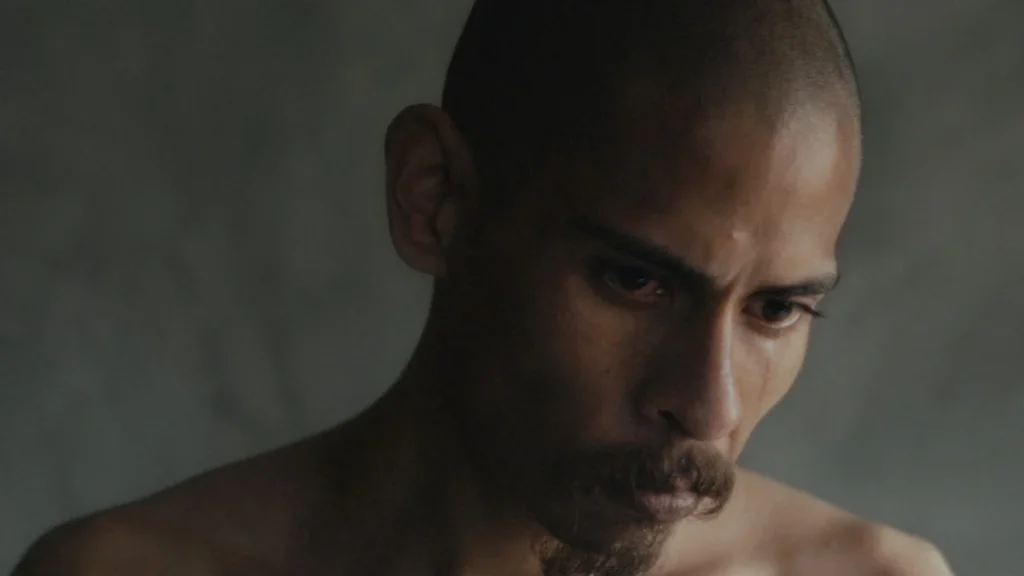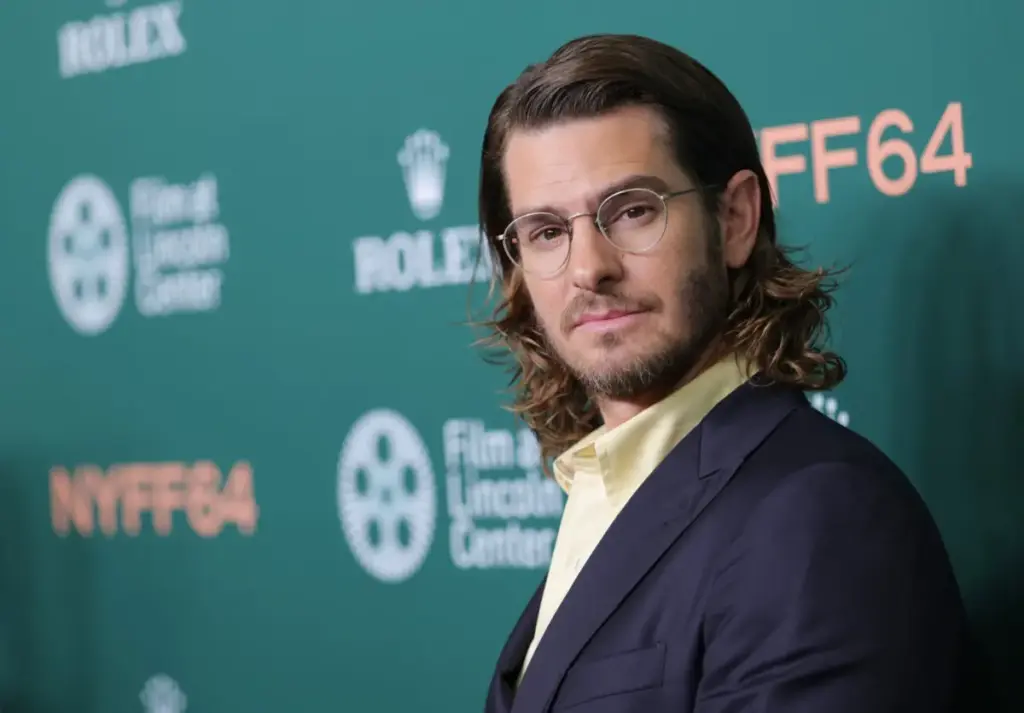
The 70th edition of the BFI London Film Festival (LFF) reached a crescendo this weekend, drawing international attention to the Southbank Centre for a series of high-profile industry engagements. Among the most anticipated events was a Screen Talk session featuring Mahershala Ali, the two-time Academy Award winner whose career trajectory has redefined the standards of contemporary character acting. Before an overflowing audience, Ali offered an intimate retrospective of his professional evolution, the heavy burden of critical success, and his latest cinematic venture, the existential crime thriller Your Mother Your Mother Your Mother.
The Weight of Accolades and the Search for Fulfillment
For many actors, the mantle of an Oscar is a destination; for Ali, it has been a catalyst for a deeper, more existential inquiry into the nature of work. During the LFF session, Ali provided a rare glimpse into his private life, revealing that his two Academy Awards—won for his performances in Barry Jenkins’ Moonlight and Peter Farrelly’s Green Book—are currently tucked away in a cabinet, removed from his daily view.
"This is going to sound crazy, but I needed to move them out of my sightline so I could get back to the work," Ali admitted. He drew a sharp, philosophical distinction between "accomplishment" and "fulfillment." While the awards represent a tangible measure of peer recognition and industry achievement, Ali suggested they do not equate to the internal satisfaction he seeks from his craft. "I feel I’m closer to that space now of feeling fulfilled on some level in terms of the work," he noted, signaling a transition from the anxiety of proving himself to the grounded confidence of a seasoned artisan.
A Career Built on Depth and Humanization
Ali’s journey to the upper echelons of Hollywood was marked by steady, calculated growth. After graduating from New York University’s prestigious Tisch School of the Arts, he navigated the transition from television staples like Crossing Jordan and Threat Matrix to the breakout science-fiction success of The 4400. His ability to inhabit complex, often internal characters became his hallmark, eventually leading to his standout performance as Remy Danton in Netflix’s House of Cards and his transformative turn in David Fincher’s The Curious Case of Benjamin Button.
The chronological arc of his career suggests a performer who prioritizes texture over visibility. His role as Juan in Moonlight was a masterclass in economy and emotional resonance, securing him the first of two Academy Awards. This was followed by his portrayal of Dr. Donald Shirley in Green Book, a role that brought him significant acclaim but also placed him at the center of a firestorm regarding historical accuracy and the representation of real-life figures.
Navigating the Green Book Controversy
The LFF session served as a platform for Ali to address the complexities surrounding the 2018 film Green Book. The project faced intense scrutiny from the family of Dr. Donald Shirley, who argued that the film distorted the pianist’s life and excluded his relatives from the creative process. Ali, who has largely remained measured on the subject, expressed the internal toll of the backlash.
"I stand by the work. I stand by the experience as a whole and what it taught me," Ali stated. He described the period following the film’s release as a "whole mixed bag," acknowledging that the shift from being the industry’s "golden boy" to facing vitriolic criticism was a formative experience. For an actor who prides himself on "putting flesh on the bones" of underrepresented figures, the disconnect between his intentions and the public reception provided a stark lesson in the responsibilities that come with biographical storytelling.
The Intensity of the Craft: True Detective and Beyond
If Green Book tested his emotional resilience, the subsequent shoot for the third season of HBO’s True Detective tested his physical and psychological limits. Playing a character across three distinct timelines—ages 35, 45, and 70—required a rigorous commitment that Ali described as "almost going crazy."
Supporting this, the production schedule for the series involved 80-hour weeks, with prosthetic makeup applications lasting four hours daily, followed by 14-hour shooting days. "It’s a strange thing to try to express, but it just feels good to have survived that mountain," Ali remarked. This dedication to immersion has become a hallmark of his process, whether he is providing the voice for Uncle Aaron in Spider-Man: Into the Spider-Verse or anchoring the psychological tension in Leave the World Behind.
Your Mother Your Mother Your Mother: A New Lead Paradigm
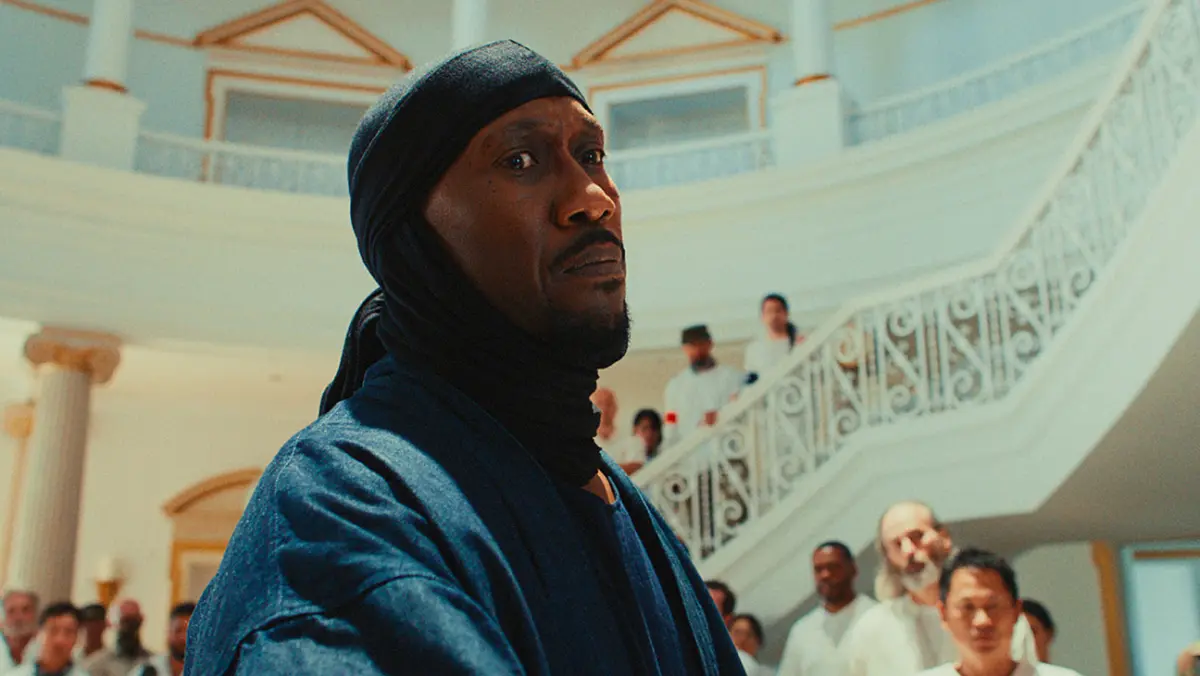
In his latest film, Your Mother Your Mother Your Mother, Ali takes on his second lead role, following the 2021 drama Swan Song. He portrays Latif, a devout Muslim and contract killer tasked with protecting his children in a hostile landscape. The film pits him against an adversary played by John Cho, a militant church leader, framing the narrative as a clash of ideologies and personal justice.
Ali explained that his interest in the project was driven by the opportunity to humanize a character who is often reduced to tropes. "Latif feels really passionate about justice," Ali said, contextualizing the character within the modern American experience. "People are not punished for their crimes against Black men the way they are against other people, especially when we look at law enforcement… that would create a character like Latif, who feels like it is his duty and his right to be the one who is the determining factor."
Industry Implications and Future Directions
The BFI London Film Festival, now in its 70th year, remains a critical bellwether for the international film industry. By hosting figures like Ali, the festival highlights the shift in Hollywood toward actors who exercise significant creative agency. Ali’s involvement in the upcoming second season of the HBO series Task, alongside Mark Ruffalo, suggests he is maintaining a rigorous pace, yet he insists his mindset has shifted.
The implications of Ali’s current approach to his career are significant. As he pivots toward projects that offer him more creative control and emotional depth, the industry is witnessing a "second act" that is less about accumulating awards and more about personal sustainability.
"I feel exhausted for the right reasons, I feel tired for the right reasons, I feel in some ways justified being away from family and friends," he reflected. This sense of justification appears to be the "fulfillment" he has been seeking. For an actor who has already reached the pinnacle of critical and commercial success, the current phase of his career is less a climb toward a new peak and more a deliberate journey toward meaningful, human-centered storytelling.
As the 2026 London Film Festival concludes, the conversation around Ali serves as a broader reminder of the evolving relationship between celebrity and craft. The industry is currently in a state of flux, with audiences increasingly favoring authenticity over traditional spectacle. Ali’s focus on the "humanizing" aspect of his work places him at the forefront of this shift, ensuring that while his Oscars may be tucked away in a cabinet, his influence on the narrative landscape of contemporary cinema continues to expand. He stands not just as a performer, but as a cultural barometer, signaling that the most significant work is often done away from the spotlight, in the quiet, demanding, and ultimately fulfilling pursuit of artistic truth.