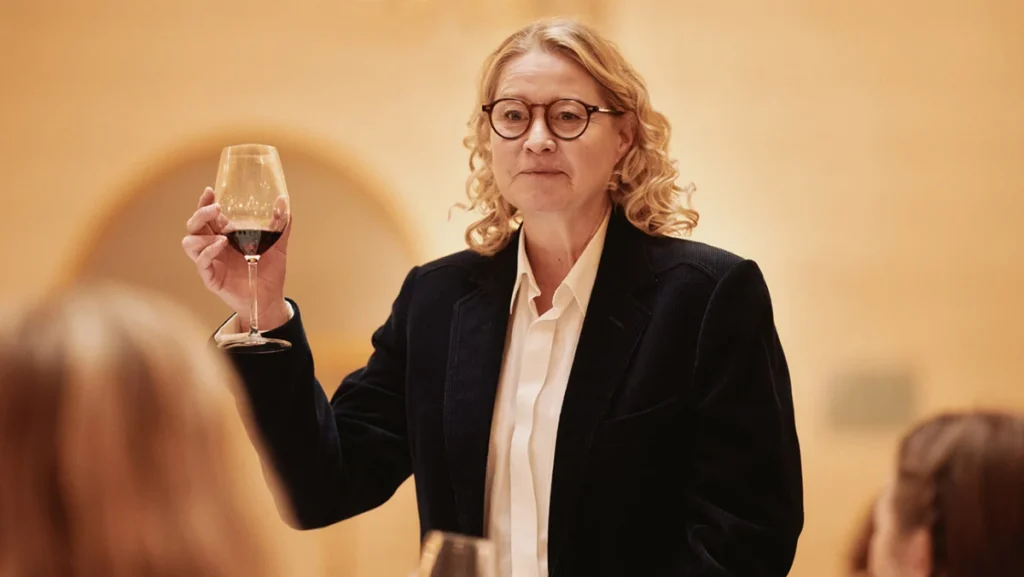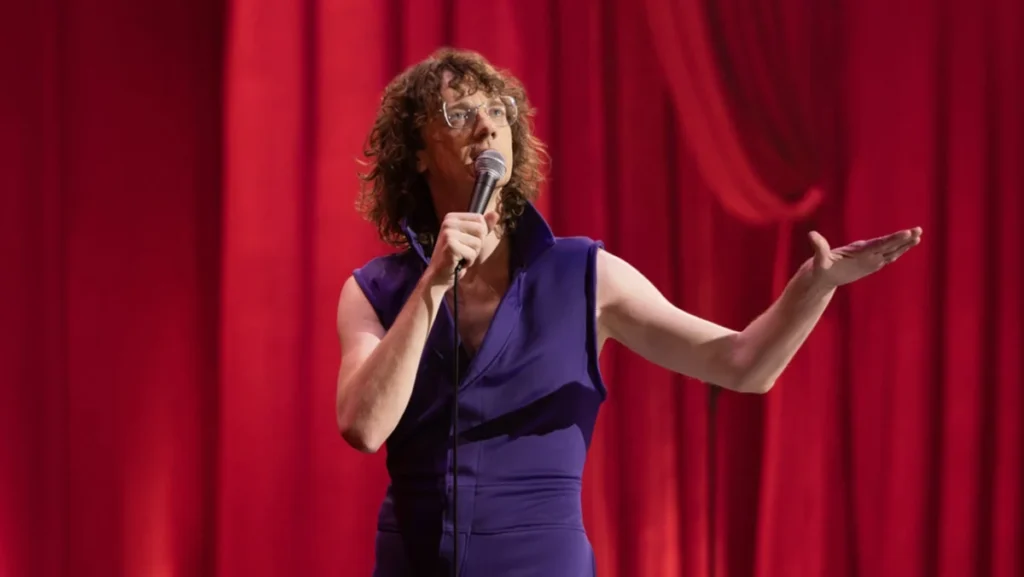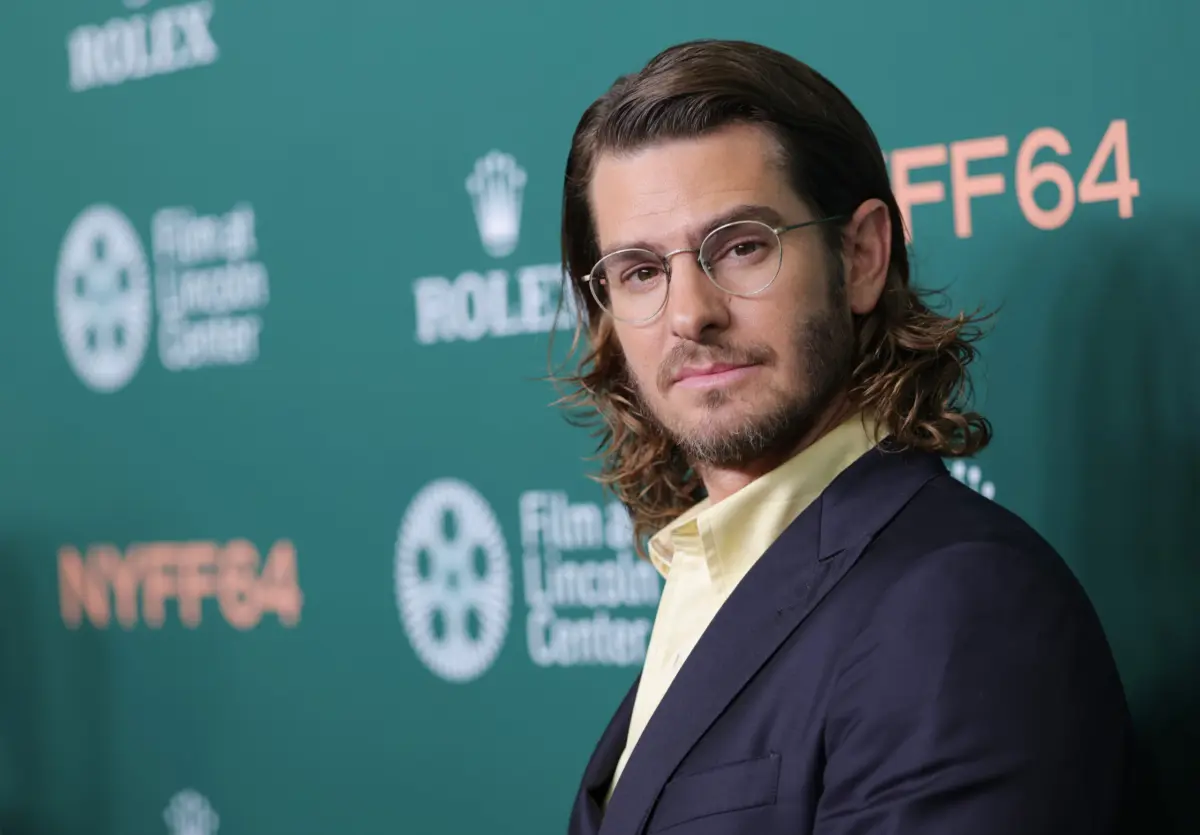
The world premiere of Luca Guadagnino’s highly anticipated drama, Artificial, at the 2026 New York Film Festival served as a nexus for the intersection of Hollywood’s creative machinery and the rapid, often volatile evolution of artificial intelligence. Centering on the meteoric rise of OpenAI and the internal power dynamics of the industry’s most influential tech titans, the film offers a dramatized account of the events that brought generative AI to the forefront of global discourse. Leading the cast is Andrew Garfield, who tackles the role of OpenAI CEO Sam Altman, a performance that required navigating the blurred lines between public persona and private ambition.
The Challenge of Portrayal: Beyond Prosthetics
When production on Artificial began, the initial approach to Garfield’s transformation leaned toward the conventional. Makeup artists and production designers experimented with advanced prosthetics to replicate Altman’s physical likeness. However, the attempt was quickly abandoned. Director Luca Guadagnino described the failed experiment as "totally ridiculous," noting that the distraction of artificial enhancements hindered the actor’s ability to convey the nuance of the character.
For Garfield, the pivot away from physical mimicry allowed him to embrace a more traditional, Stanislavski-inspired approach to character development. Rather than relying on external visual cues, Garfield engaged in an exhaustive process of "analog crowdsourcing." He conducted interviews with colleagues, associates, and individuals who have interacted with Altman over the years. By synthesizing these varying perspectives—acknowledging that every source acts as an "unreliable narrator"—Garfield sought to build a psychological profile that felt authentic to his own instincts. The result is a performance intended to capture the moral complexity and enigmatic nature of the tech executive, rather than a superficial impression.
A Chronology of the Silicon Valley Gold Rush
The narrative arc of Artificial traces the formative years of OpenAI, a company that began as a non-profit research laboratory in 2015 and evolved into a for-profit juggernaut that shifted the trajectory of global technology. The film covers key milestones in the company’s history, including:
- 2015–2016: The founding of OpenAI by Sam Altman, Ilya Sutskever, Elon Musk, and others, established with the stated goal of developing AGI (Artificial General Intelligence) to benefit humanity.
- 2020–2022: The transition from research-focused outputs to consumer-facing products, culminating in the release of ChatGPT in late 2022, which triggered an unprecedented surge in AI adoption.
- 2023–2024: Internal turmoil within OpenAI, characterized by leadership shifts, board departures, and the growing tension between rapid commercial deployment and long-term safety concerns.
- 2025–2026: The institutionalization of AI regulations, as companies like Anthropic and OpenAI faced increasing scrutiny from international governing bodies.
The film does not shy away from the competitive landscape, featuring Ike Barinholtz as Elon Musk, whose departure from the OpenAI board remains a pivotal point of contention in the company’s history. Monica Barbaro portrays CTO Mira Murati, providing a counterweight to the often-insular culture of the organization’s executive suite.
The Ethereal and the Technical: Supporting Performances
The supporting cast adopted similarly unorthodox methods to inhabit their respective roles. Yura Borisov, who plays OpenAI co-founder Ilya Sutskever, found himself at a creative impasse shortly before filming commenced. Drawing on a personal coincidence—sharing a birthday with the real-life Sutskever—Borisov pivoted toward a more "spiritual" interpretation of the researcher. By distancing himself from a literal depiction, Borisov aimed to capture the intensity and intellectual focus associated with the scientist who was instrumental in the technical architecture of the LLM (Large Language Model) era.
Conversely, Will Angus, cast as Dario Amodei, the former OpenAI researcher and current CEO of Anthropic, adopted a more grounded, historical approach. Amodei’s transition from an internal researcher to a leading voice on AI safety provided a clear narrative arc for Angus to explore. As the film was in production during a period when Amodei was less ubiquitous in the media, Angus had the unique opportunity to study the development of a figure who would later become a primary advocate for "frontier safety."
Industry Implications and the Safety Debate
The film’s focus on the tension between innovation and regulation is timely. The real-world Dario Amodei has recently emerged as one of the most prominent voices calling for a measured, safe approach to AI development. In a public position statement released in late 2026, Amodei advocated for an "industrywide slowdown," urging firms to prioritize safety protocols over the speed of model iterations.
This sentiment is echoed in the film’s narrative, which highlights the ethical dilemmas faced by researchers who feared that the breakneck pace of progress was outstripping the human ability to align these systems with societal goals. Whether the film serves as a cautionary tale or a documentation of an inevitable industrial revolution remains a subject of debate among film critics and tech observers alike.
Production Hurdles and Market Reception
The journey of Artificial to the screen has been as tumultuous as the subject matter it depicts. Originally developed under the auspices of Amazon MGM Studios, the project was unexpectedly dropped in June 2026, despite being in the final stages of completion. Industry insiders suggested that the sensitive nature of the subject matter—specifically the depiction of living public figures and ongoing corporate rivalries—created a level of legal and reputational risk that the studio was unwilling to bear.
Neon, known for its commitment to auteur-driven cinema, acquired the film shortly thereafter. The acquisition signaled a vote of confidence in Guadagnino’s vision, securing a Christmas Day release. The script, penned by former Saturday Night Live writer Simon Rich, is described as a blend of biting corporate satire and humanistic drama. With a sprawling ensemble cast that includes Mark Rylance, Jason Schwartzman, and Billie Lourd, the film is positioned as one of the most significant releases of the year.
Analytical Perspective: The "Unreliable Narrator" in Corporate Drama
The creative choice to emphasize the subjectivity of the characters mirrors the broader reality of the AI industry. In an environment where the "truth" of a company’s mission is often obscured by marketing, corporate rebranding, and high-stakes litigation, the film suggests that a definitive history of the AI revolution may not yet be possible.
By treating the protagonists as subjective, flawed individuals, Guadagnino and his cast avoid the pitfalls of a purely hagiographic or condemnatory portrayal. Instead, they offer a reflection of the "unreliable narrator" dynamic that currently defines the public perception of Silicon Valley. As audiences head to theaters this December, the film serves as both a piece of entertainment and a mirror to the current epoch, where the developers of tomorrow’s technology are still very much grappling with the consequences of their actions today.
The reception at the New York Film Festival suggests that Artificial will remain a centerpiece of the awards season conversation. As the technology continues to evolve, the film’s depiction of these early, chaotic days will likely serve as a reference point for how we understood—and misunderstood—the advent of the artificial age. Whether or not the audience finds the performances accurate to the figures they represent, the film succeeds in framing the human element behind the algorithmic transformation of the modern world.