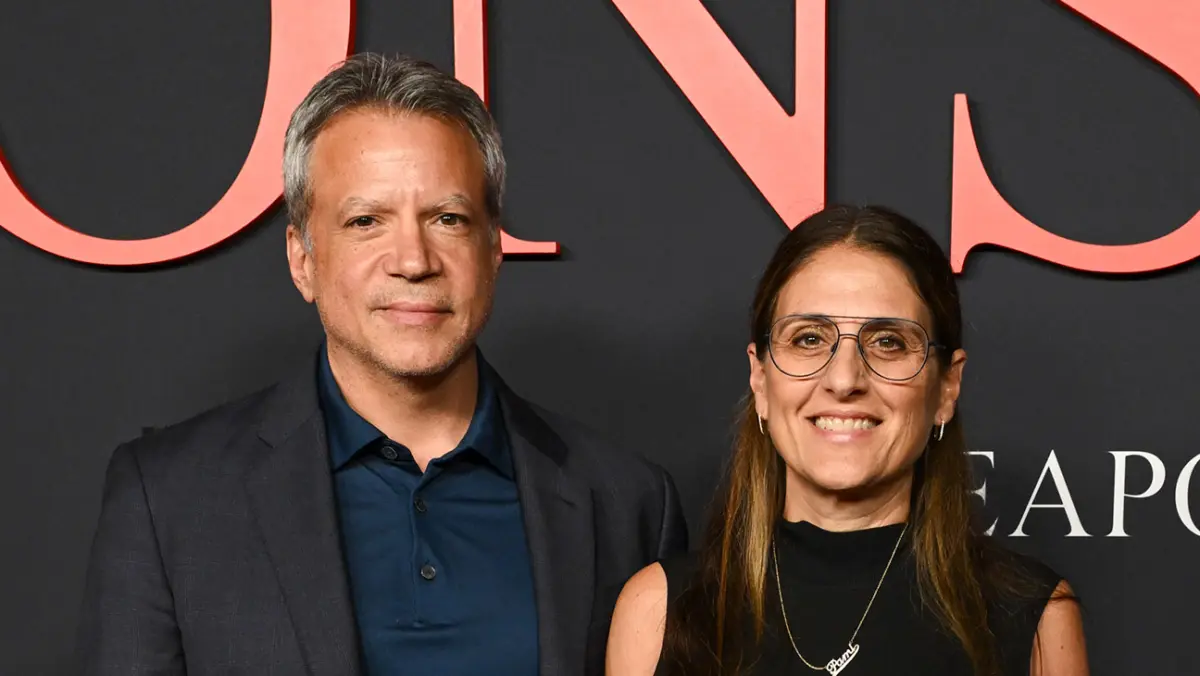
The departure of Mike De Luca and Pam Abdy from the helm of Warner Bros. film operations serves as a definitive punctuation mark on a turbulent period of industry consolidation. After leading the studio since 2022, the duo’s exit was confirmed late Thursday, following a period of persistent, industry-wide speculation regarding the stability of their roles in the wake of the Paramount-Skydance merger. The transition places the combined film divisions under the direct stewardship of Paramount Pictures co-chairs Josh Greenstein and Dana Goldberg, fundamentally altering the creative strategy and administrative hierarchy of one of Hollywood’s most storied studios.
A Chronology of Uncertainty
The rumors surrounding De Luca and Abdy’s future began circulating more than a month ago, gaining momentum as details regarding the post-merger integration of Warner Bros. and Paramount emerged. Despite earlier assurances from David Ellison, which had suggested a stable transition, the duo found themselves at the center of a tense power dynamic. Reports surfaced that Josh Greenstein had allegedly signaled to other industry executives a desire to replace the Warner Bros. leadership, a claim Greenstein later attributed to a misunderstanding, characterizing the discourse as a misinterpretation of his focus on Paramount’s own institutional stability.
The friction reached a point where De Luca felt compelled to address the rumors directly, initiating a confrontation with Greenstein to clarify the intent behind the comments. Greenstein maintained that the conversations were subject to the "telephone game" of industry gossip and noted that, given the ongoing antitrust scrutiny surrounding the merger, he was legally barred from making personnel decisions at the time. However, the eventual reality of the merger’s completion rendered those earlier, tense conversations prophetic. The news of their departure was finalized just hours before public reports confirmed that Greenstein and Goldberg would assume control of the unified film slate.
Strategic Divergence and the Auteur Philosophy
The tenure of De Luca and Abdy, which spanned four years of extreme highs and lows, was characterized by an "auteur-driven" philosophy that prioritized high-budget, director-led projects. This approach positioned Warner Bros. as a rare sanctuary for major filmmakers, echoing the legacy of independent-minded production houses like Annapurna Pictures. Their strategy was often described as "Medici-esque," as they secured projects from prominent directors such as Paul Thomas Anderson, Ryan Coogler, Alejandro Iñárritu, and Emerald Fennell.
This commitment to prestige cinema yielded significant critical and commercial successes. Ryan Coogler’s Sinners stands as the hallmark of this era, grossing approximately $370 million globally and securing an Academy Award for Best Original Screenplay. The duo was frequently credited by talent for their unwavering support during awards campaigns and their willingness to allocate significant resources to challenging, non-franchise material.
However, this strategy also drew sharp criticism from those who viewed the high-budget, risky bets as detrimental to the studio’s broader commercial health. Recent underperformers highlighted the volatility of this model; while Sinners flourished, films such as Maggie Gyllenhaal’s The Bride! failed to recoup its $90 million budget, and the Tom Cruise-led Digger opened to disappointing box office returns against a production budget exceeding $125 million. This binary reputation—hailed as champions of cinema by some and criticized for fiscal imprudence by others—defined their tenure in a town that rarely favors nuance.
Structural Implications of the New Mandate
The shift in leadership represents a move away from the high-variance auteur model toward a more traditional "meat and potatoes" franchise strategy favored by Greenstein and Goldberg. This transition is not merely a preference for management but a necessity dictated by the stringent requirements of the merger agreement.
Under the terms of the settlement with the California Attorney General, the combined studios are mandated to release a specific volume of films: 30 features for each of the first two years, increasing to 32 for the subsequent three years. The agreement includes severe financial penalties for failing to meet these quotas, including a $30 million penalty per missing film to be paid into guild-managed health and pension funds. Furthermore, the studio faces the risk of divestiture, specifically regarding the Miramax label, should production benchmarks not be met.
Managing such a high-volume slate while navigating distribution and marketing conflicts would be impossible with competing leadership factions. As one industry insider noted, the logistical impossibility of having four chairs—De Luca, Abdy, Greenstein, and Goldberg—fighting for limited calendar slots, such as Memorial Day releases or prime Super Bowl advertising spots, made a consolidation of power inevitable.
Specialized Labels and the Future of the Slate
While the core leadership has been unified, the studio will retain specialized labels to manage specific segments of the market. DC Studios, under James Gunn and Peter Safran, remains autonomous as it continues its ongoing creative turnaround. Similarly, Richard Brener is expected to remain in place at New Line, which continues to be a powerhouse for lucrative franchises such as The Conjuring and the Lord of the Rings series.
The newly formed boutique label, Clockwork, also adds a unique layer to the studio’s portfolio. Managed by a trio of former Neon executives, Clockwork focuses on prestige remastering and festival-market acquisitions, such as their upcoming work with Sean Baker and Park Chan-Wook. This label represents an attempt to maintain a connection to the high-brow, low-budget genre space without jeopardizing the fiscal stability of the main studio’s massive slate.
The Netflix Question: A New Act?
With their five-year contract renewal—signed only a year ago—set to be honored, De Luca and Abdy are now free to explore new opportunities. Their strong ties to high-level talent and powerful agency representation, particularly their relationship with CAA’s Bryan Lourd, make them highly desirable assets.
Speculation has intensified regarding a potential move to Netflix. De Luca reportedly established a rapport with Netflix co-CEO Ted Sarandos during the streaming giant’s exploratory discussions regarding a possible acquisition of Warner Bros. last year. Whether Netflix would seek to leverage their expertise to pivot into a more robust theatrical model remains a subject of intense debate.
Industry analysts remain skeptical about the synergy, however. While Netflix has signaled a willingness to experiment with theatrical windows—as evidenced by their distribution of La Bola Negra—the platform’s core audience has historically favored mass-appeal content like Red Notice over the prestige, filmmaker-centric projects that defined De Luca and Abdy’s tenure. If they were to join the streamer, the challenge would be translating their "theatrical-first" relationships into a model that aligns with Netflix’s algorithmic data on subscriber behavior. As one observer put it, "The question is not just whether they can bring their filmmakers to Netflix, but whether the Netflix audience is the right home for the kind of cinema they champion."
Conclusion: A Turning Point for Hollywood
The departure of De Luca and Abdy signals more than just a change in personnel; it marks a strategic pivot for Warner Bros. as it integrates into the Skydance-Paramount structure. The industry is currently witnessing a transition where the "big swing" director-led project is increasingly being deprioritized in favor of stable, franchise-driven output necessitated by strict merger mandates and fiscal caution. As De Luca and Abdy prepare for their next act, the industry continues to reflect on a four-year window that challenged the limits of what a traditional studio could achieve, both in terms of artistic ambition and commercial risk. The binary nature of their legacy—the box office hits balanced against the costly failures—will likely serve as a case study for future studio heads navigating an increasingly fragmented and risk-averse theatrical landscape.