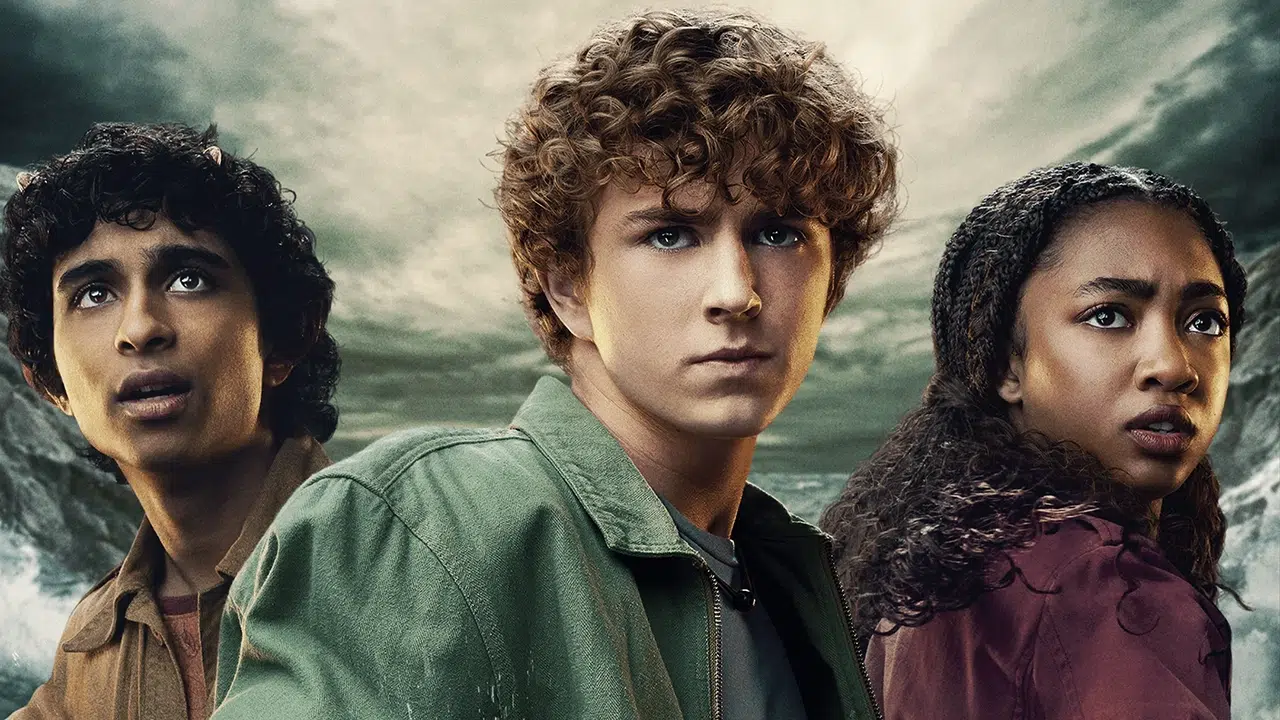
Camp Half-Blood has officially established a temporary, highly strategic foothold on the world’s largest streaming platform. The first two seasons of Disney+’s acclaimed fantasy adventure series, Percy Jackson and the Olympians, landed globally on Netflix, marking a major milestone in evolving streaming distribution strategies. However, this high-profile migration comes with a strict expiration date: the series is slated for a brief, three-month promotional window designed to funnel viewers directly back to its permanent home on Disney+.
The unexpected arrival of the series on a rival platform forms a central pillar of a sprawling new licensing agreement between The Walt Disney Company and Netflix. This broader content pact also introduces all five entries of the Ice Age film franchise, procedural dramas like Will Trent, classic network titles such as Felicity, and assorted Pixar favorites to Netflix subscribers worldwide. While legacy media companies historically guarded their intellectual property with absolute exclusivity, economic shifts and a renewed focus on cross-platform monetization have forced a tactical evolution in how studios approach library assets.
For Disney, placing a high-value fantasy series in front of Netflix’s massive base of over 325 million global subscribers serves primarily as a top-of-funnel marketing campaign. Rather than generating direct box-office or subscription revenue from the Netflix licensing fees alone, the strategy leverages Netflix’s unparalleled reach to introduce Rick Riordan’s mythological universe to an uninitiated audience, priming them to subscribe to Disney+ just in time for the next narrative chapter.
The Streaming Timeline and Expiration Window
Viewers hoping to experience or revisit the adventures of Percy, Annabeth, and Grover on Netflix must navigate a compressed timeline. Disney has allotted a strict three-month licensing window for the first two seasons, positioning the removal date for early January 2027. Once the licensing period expires, the series will exit Netflix entirely while remaining available exclusively on Disney+.
This window provides fans roughly seven weeks to complete a full rewatch of Seasons 1 and 2 before Season 3—officially titled The Titan’s Curse—premieres on Disney+ on November 20. Notably, the production turnaround for the third season represents a substantial acceleration compared to previous outings. While viewers endured a frustrating two-year wait between the debuts of Season 1 and Season 2, Season 3 arrives less than a year after its predecessor, signaling a streamlined production pipeline for the young-adult fantasy adaptation.
Season 3 will adapt the third book in Rick Riordan’s foundational five-part series, dropping eight episodes on a weekly release schedule. The narrative picks up after Annabeth is captured by the forces of the titan Kronos, forcing Percy to embark on a perilous rescue mission alongside Grover, Thalia, and the Hunters of Artemis to prevent the fall of Mount Olympus.
Technical Upgrades Spark Debate Over Encoding and HDR
Beyond the strategic implications of the cross-platform release, the Netflix debut has unexpectedly ignited a technical debate among the fan community. Almost immediately after the first two seasons went live on the platform, viewers took to social media to highlight what they perceived as a dramatic visual upgrade, specifically regarding lighting, contrast, and high dynamic range (HDR) performance.
For years, a persistent critique leveled against Season 1 of Percy Jackson and the Olympians concerned its dim, muted cinematography. Numerous reviewers and audience members previously complained that certain nocturnal or shadow-drenched sequences were rendered so dark on Disney+ that the action became difficult to follow. Viewers watching the series on Netflix have reported brighter, more legible framing, with some jokingly noting that they could finally discern subtle details—such as the actor’s facial features and freckles—that were previously obscured.
Industry technicians and compression experts point out that these visual discrepancies are rarely indicative of altered source material. Instead, variations in how competing streaming services encode master files, manage dynamic range metadata, and interface with consumer display hardware often account for stark differences in perceived image quality. Furthermore, individual television display settings, local dimming algorithms, and app-specific HDR processing can drastically alter the final presentation of dark, moody television productions.
Expanding the Cross-Platform Playbook
The deployment of Percy Jackson to Netflix follows a well-established modern television playbook. In the early days of the streaming wars, prestige dramas like AMC’s Breaking Bad utilized Netflix as a massive catch-up engine, allowing audiences to binge previous seasons before tuning into linear broadcasts for new episodes. In recent years, networks like Fox have refined this model into an art form, frequently dropping previous seasons of medical dramas and procedurals onto Netflix on the exact night a new season premieres on linear television or proprietary streaming outlets.
However, the Percy Jackson release deviates from traditional licensing models by imposing a strict expiration date rather than granting a permanent catalog home. While medical dramas like Doc secured full library rights for extended runs, Disney’s temporary promotional window underscores the targeted nature of this specific partnership.
Broader Industry Implications and Future Outlook
The success of this cross-platform experiment will likely dictate how legacy studios manage their premier intellectual properties moving forward. If the influx of Netflix viewers successfully translates into a measurable surge in Disney+ subscriptions for the November launch of The Titan’s Curse, media executives are expected to lean further into hybrid promotional strategies.
For the cast and crew, Season 3 brings a wave of high-profile additions to the ensemble. Alongside returning stars Walker Scobell, Leah Sava Jeffries, and Aryan Simhadri, the upcoming episodes introduce Holt McCallany as the villainous Atlas, Dafne Keen as Artemis, Saara Chaudry as Zoë Nightshade, and veteran actors such as Ming-Na Wen, Jennifer Beals, and Kate McKinnon in divine roles.
As the countdown to November 20 continues, the immediate focus remains on whether the millions of subscribers browsing Netflix will take the bait, cross the digital aisle, and follow the demigods back to Disney+ for the next leg of their mythological journey.