Nyon, Switzerland – The latest edition of Visions du Réel (VdR), Switzerland’s premier international documentary film festival, concluded recently, marked by the palpable presence and impending departure of its Artistic Director, Emilie Bujès. Her tenure, characterized by a vibrant infusion of international perspectives and a profound engagement with the global languages of nonfiction, culminated in an edition that felt both celebratory and reflective, leaving an indelible fingerprint on the landscape of contemporary documentary cinema. Bujès, a familiar figure in her crisp powder blue shirting and shock of red wool, was omnipresent, whether engaging with attendees at the Place du Réel, presiding over stage presentations, or fostering camaraderie with her staff during impromptu karaoke sessions.
Just two weeks prior to the festival’s opening in Nyon, Bujès announced her decision to step down from her role, a position she has held with distinction since 2018. Her next chapter will see her join the Geneva International Film Festival (GIFF) in August, where she is expected to bring her innovative vision and extensive network to further elevate another significant cultural institution. Her final VdR program underscored her commitment to expanding the festival’s international reach and deepening its exploration of complex global narratives, a legacy that will undoubtedly shape the festival’s trajectory in the years to come.
A Festival Defined by Global Geopolitics and Human Resilience
The 2024 program at Visions du Réel resonated deeply with current global geopolitical realities, presenting a cinematic tapestry woven with threads of conflict, displacement, and the enduring human spirit. Films screened explored a vast spectrum of experiences, from the intimate struggles of sperm smuggling in Palestine to the expansive, untamed landscapes of Kelly Reichardt’s cinematic West, and the fantastical, animated worlds crafted by Meriem Bennani. A central thematic concern was how geography, and the often-rigid borders controlled by states, profoundly shapes human perception and experience, both collectively and individually.
The gravity of ongoing global conflicts was acutely felt throughout the festival. Numerous attendees, including jurors, filmmakers, and freelancers, shared personal stories of impact: a juror stranded in the UAE amidst escalating hostilities, filmmakers striving to ensure the safe passage of their teams from Gaza, and Iranian freelancers grappling with internet blockades affecting their families. Despite these profound personal challenges and the inability of many to return to their homes, these individuals were present, screening and engaging with films, embodying a remarkable resilience that mirrored the narratives on screen.
Among the most poignant projects directly addressing the ongoing conflict in Gaza were Poh Si Teng’s American Doctor, which had its premiere at Sundance earlier this year, and the equally impactful short film Muddy Currents by Palestinian artist and filmmaker Shadi Habib Allah. These films offered critical perspectives on the humanitarian crises unfolding, contributing to a broader dialogue facilitated by the festival.
Another compelling feature that delved into current geopolitics was Faezeh Nikoozad’s In Between, a Place. This prescient and emotionally charged film chronicles the evolving, lifelong relationship between three Iranian childhood friends, themselves filmmakers, who have been scattered across the globe due to conflict and repression. Their dispersed lives illustrate the profound personal costs of geopolitical instability and the enduring bonds that transcend physical distance.
Celebrating Diverse Narratives and Formal Innovation
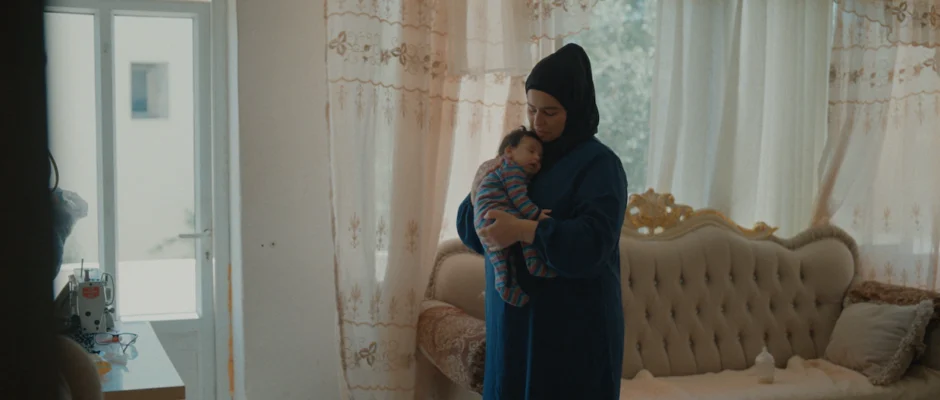
Beyond the immediate geopolitical concerns, VdR showcased a remarkable array of films that pushed the boundaries of documentary form and explored diverse human experiences. For Life, a vérité film by Ömür Boyu, emerged as one of the festival’s most emotionally resonant offerings. The film intimately portrays Hind, a Palestinian woman engaged in a desperate and time-sensitive struggle to conceive a child under nearly impossible circumstances. Operating almost like a thriller, the narrative follows Hind as she navigates closed border crossings, heavy traffic, and the unpredictable success of fertility medications, all in her race to utilize her imprisoned husband’s sperm. This raw, humanistic portrait, depicting a fight against a genocidal apparatus, left audiences at the Theatre de Marens in a tender and quiet contemplation, serving as a powerful antidote to narratives that often strip humanity from those living under oppression.
The Special Youth Jury Award was bestowed upon Tiziano Locci and Tito Puglielli’s The Building Site. This medium-length film, a format that is a particular strength and focus of VdR’s programming, takes viewers on a journey through the decaying palazzo windows and apertures of Palermo, Italy. It captures the decline and potential rebirth of a home to many distinctive Palermo locals, observing as histories of affordable housing are gradually eroded by the encroaching tide of tourism and its capitalist demands. The film cleverly depicts the building’s defiant resistance: as tenants prepare to leave and investors arrive, sofas stubbornly remain in situ, and darkened stairwells withhold the promise of the interiors, casting skepticism on the area’s future financial potential. The building, in a metaphorical sense, "does not relent," becoming a silent protagonist in the face of gentrification.
Hassen Ferhani’s Alea Jacarandas offered a textural and moving exploration of interpersonal relationships across space and time. Centered around Algiers’ iconic jacaranda trees, the film evokes memories and clusters them symbolically. Audiences, whether familiar with the jacaranda or not, were invited to reflect on their own personal language of symbology, carried into the world afterwards by the tenderness of the father-son dynamic at the film’s core. Its verdant imagery and contemplative pace resonated deeply.
Nikolaus Geyrhalter’s Melt captivated attendees with its striking imagery, including numerous scenes of penguins. The film masterfully juxtaposes the haunting inevitabilities of doctors’ offices physically slipping towards melting borders, vast images of ice-workers battling the futility of an increasingly volatile nature, and the jarring spectacle of party-skiers in the Alps. Each frame serves as a stark reminder that what we witness is already becoming history—landscapes archived before their time, a direct consequence of human folly and environmental negligence.
Exploring Legacy, Environment, and Social Justice

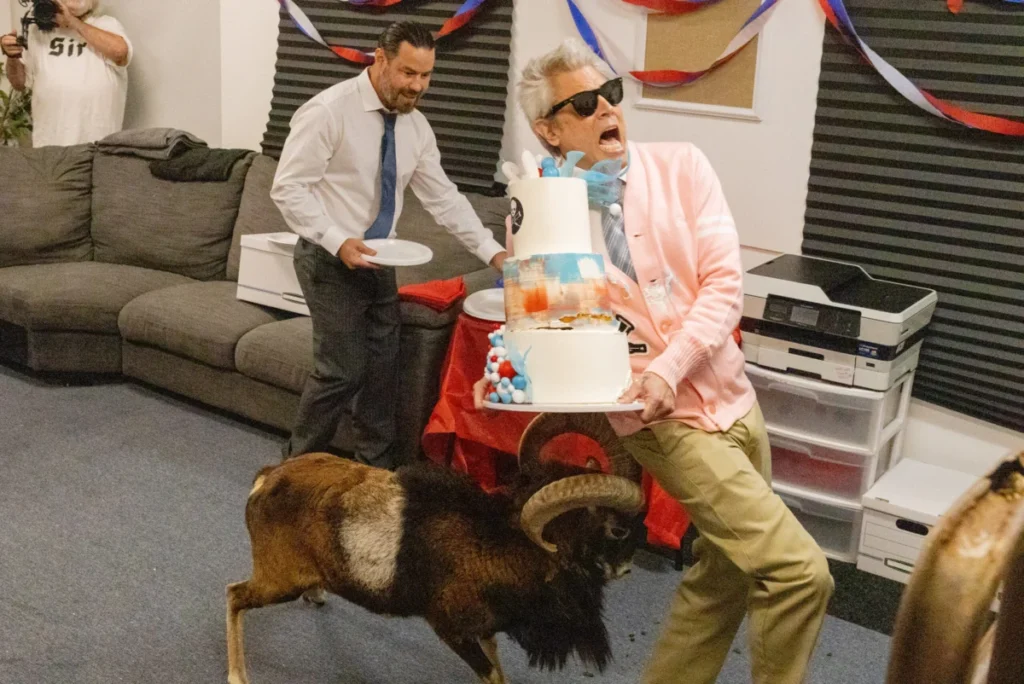
The thematic thread of landscapes and their profound connection to human existence was further highlighted by G. Anthony Svatek’s Humboldt, USA. A world premiere and Svatek’s debut feature, this film captivated the selection committee within its first minute, as noted by Emilie Bujès on stage. Described as a rare and experientially potent film about legacy and interconnectedness, Humboldt, USA expertly braids contemporary American life and its relationship to the lived environment through the lens of 19th-century scientist Alexander von Humboldt. Collaborating with editor Kaija Siirala, Svatek crafts a playful narrative poetry through a diverse selection of characters, including a youthful museum educator, East Buffalo community activists, weary herds of bighorn sheep, and AI-optimist Silicon Valley tech enthusiasts. The film offers a beautifully rendered meditation on contemporary environmentalism, showcasing the enduring influence of Humboldt’s holistic view of nature.
Swiss-Indian filmmaker Sophie Schrago’s What Comes From Sitting in Silence provided a unique insight into a corner of Mumbai’s first female Islamic court. Schrago stations her camera, initially almost statically, observing as Judge Khatoon mediates arguments presented by couples and families in distress, basing her decisions on interpretations of the Quran. What unfolds is an almost Claire Simon-esque observational insight into a place through its people. The dynamic shifts midway through the film when Schrago shares an intimate confession about a past relationship, breaking open the bond between herself and Judge Khatoon. Suddenly, the restraint of Schrago’s camera is reinterpreted not merely as a formal necessity but as an act of resilience, reframing viewers’ perspectives on the couples who revisit the court for verdicts. This shift transformed the film into a deeply personal and reflective piece, offering layers of meaning.
Visions du Réel’s Growing Influence in the Documentary Market
Beyond its compelling artistic program, Visions du Réel solidified its position as a burgeoning force in the European documentary market. Whispers circulated among attendees suggesting that fewer would return to the International Documentary Film Festival Amsterdam (IDFA), hinting at VdR’s shifting status despite IDFA’s longstanding reign. This year’s VdR market, meticulously organized by former Chicken & Egg VP Sabine Fayoux Cantillo, was notably active and attentive.
Highlights from the market included Todd Chandler’s multi-award-winning Trade, an atmospheric insight into the cultural representation of capitalism and human nature; Sofie Benoot’s bewitching, crane-oriented Hello?! (Benoot also directed Apple Cider Vinegar, a 2024 VdR selection); and Grace Hsia’s To My Dearest, a tender 8mm feature exploring the intersection of fertility, family, and friendship. Points were also awarded to Ljubomir Stefanov’s The Vortex of Extinction, a film that ingeniously interprets toxic masculinity through the unexpected story of Macedonian turtles, a truly unique and memorable concept that garnered significant industry buzz.
The market’s success underscored a broader trend observed by American industry attendees new to the festival. Many expressed surprise and admiration for the robust list of filmmakers whose work rarely gains significant play on the other side of the Atlantic, and for the creative ambition achieved with budgets significantly smaller than US standards. This stark contrast highlighted the distinct funding models and creative ecosystems at play.
The Nyon Experience: A Utopic Hub for Nonfiction Cinema
The physical setting of Nyon, nestled by Lake Geneva with its castle overlooking the serene waters, contributes significantly to the festival’s unique charm. The proximity of venues, often less than a ten-minute walk from one another, creates an almost utopian environment for festival-goers. Despite the notoriously high cost of living (a meal rarely costing less than 22 CHF, roughly $27 USD), the accessibility and concentrated energy foster a strong sense of community and intellectual engagement.
A central bar/café served as a vital hub where industry badges could be temporarily set aside, allowing for informal networking and late-night discussions. Even in this small town, myriad enclaves offered opportunities for quiet reflection after engaging with formally and emotionally challenging films—a crucial aspect of a festival experience that is often taken for granted. This space for contemplation is essential for processing the profound and often difficult narratives presented.
Implications and Future Outlook
Emilie Bujès’s departure marks the end of a significant chapter for Visions du Réel, but her legacy of fostering international talent and embracing diverse, challenging narratives is firmly established. Her move to GIFF suggests a continued commitment to strengthening Switzerland’s cultural institutions and expanding the reach of thoughtful, engaging cinema. For VdR, the task of finding a successor who can build upon this foundation will be critical in maintaining its upward trajectory.
The festival’s programming presents a compelling parallel reality to the challenges often cited in the US documentary industry, such as a "dying" industry and contracting budgets. The enviable state funding models prevalent in Europe demonstrably strengthen the global nonfiction landscape, enabling a broader range of creative and formally ambitious projects. Visions du Réel actively pushes back against algorithmic audience impulses, instead championing curiosity and deep engagement with complex subjects.
The consistently high quality and thematic depth of the films screened, combined with the festival’s intimate and supportive atmosphere, leave attendees not with a shrug and a sigh, but with a profound hunger for more. Visions du Réel continues to prove itself as a vital, nourishing force in the world of documentary cinema, challenging conventions, fostering dialogue, and celebrating the enduring power of nonfiction storytelling in an increasingly complex world. Its growing influence is a testament to its unwavering commitment to cinematic excellence and humanistic inquiry.