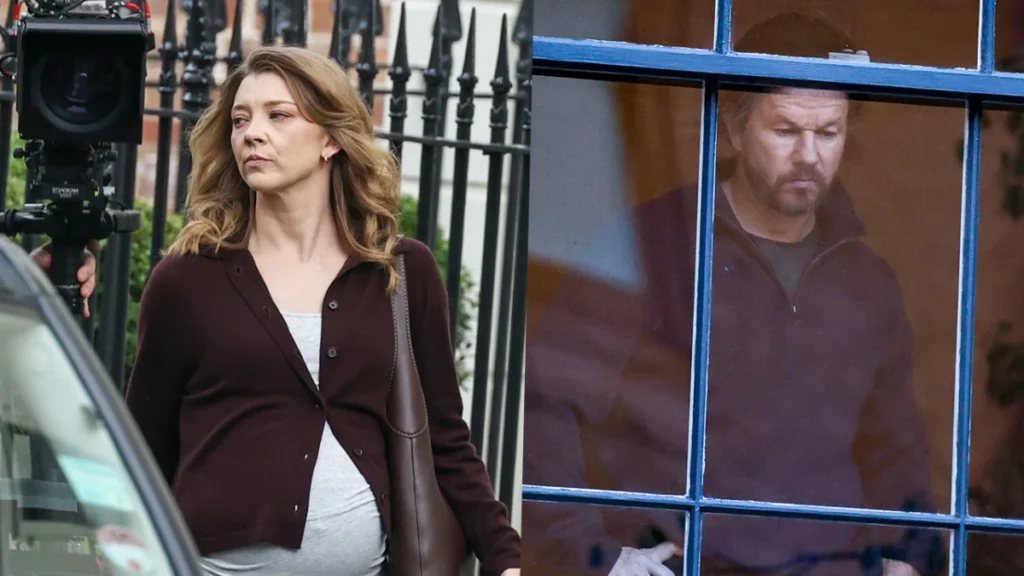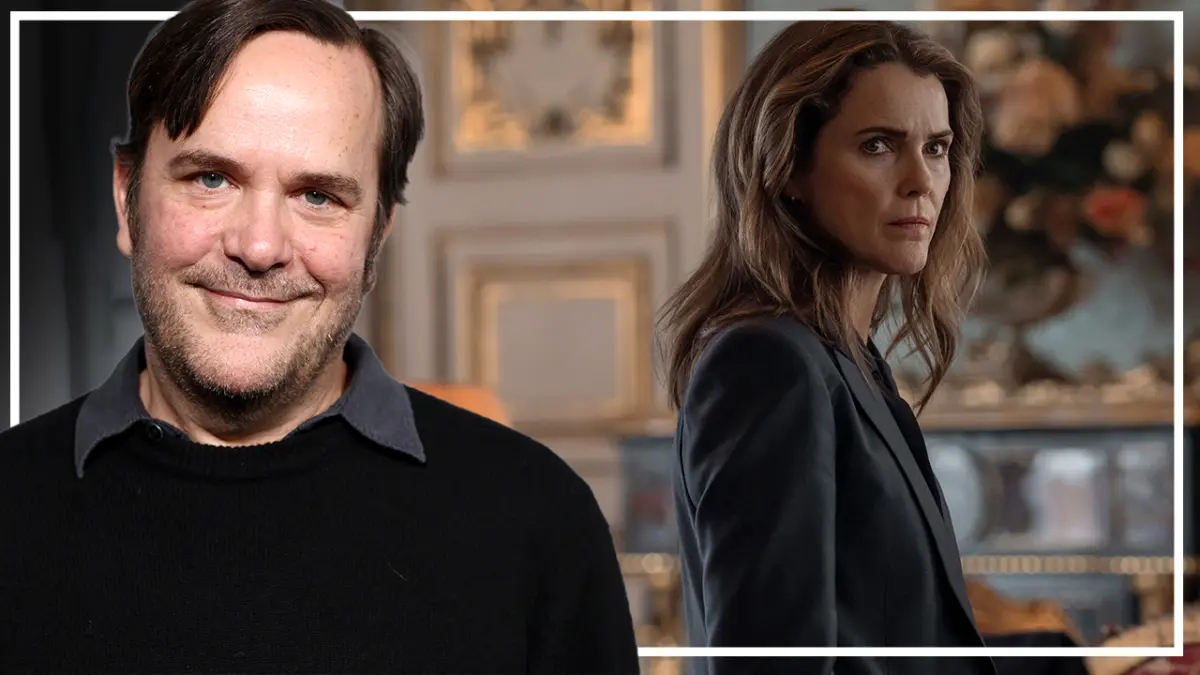
The intersection of high-stakes geopolitics and intricate personal relationships has long provided fertile ground for television drama, but few contemporary series navigate this volatile territory with the linguistic and tonal dexterity of Netflix’s political thriller, The Diplomat. Created by Debora Cahn, the series follows Kate Wyler—portrayed with sharp-witted urgency by Keri Russell—as she navigates her new role as the United States Ambassador to the United Kingdom, all while managing an increasingly fractured marriage to career diplomat Hal Wyler, played by Rufus Sewell. While Cahn’s rapid-fire dialogue and labyrinthine plotting form the narrative backbone of the show, its unique auditory signature is shaped by acclaimed composer Marcelo Zarvos. As the series approaches its fourth season, Zarvos has opened up about the complex compositional strategies required to score a world where the fate of superpowers pivots on domestic bickering and whispered palace corridors.
Main Facts of the Production and Musical Design
The musical architecture of The Diplomat relies heavily on a philosophy of strict economy and deliberate restraint, a stark departure from the wall-to-wall orchestral scoring common in contemporary streaming dramas. Zarvos, whose extensive filmography includes prestige dramas such as Fences, The Good Shepherd, and Ray Donovan, approaches the series not as a traditional action thriller, but as a rigid, formal choreography.
Central to this auditory framework are stylized waltzes, minuets, and light-footed marches that evoke historical European court dances. However, these compositions frequently twist into what Zarvos describes as "devilish" variations to match the sabotage, political posturing, and institutional friction inherent in the Foreign Service. Rather than overwhelming the scene, Zarvos’ music is engineered to enter and exit with clinical precision, mirroring the rapid gait and resolute demeanor of Kate Wyler herself.
Chronology and Evolution of the Score
Zarvos joined the creative team of The Diplomat ahead of its second season, inheriting a sonic universe established in the inaugural run and molding it through successive chapters leading up to the production of Season 4. The journey of the score has mirrored the escalation of the series’ overarching plot, which transitions from institutional power dynamics within the London embassy to international summits across Europe.
During the pre-production phases of each new season, Zarvos initiates his creative process by writing extensive thematic material solely from the written scripts, long before rough cuts of the episodes are available. For Season 4, this proactive approach has yielded a fresh suite of cues designed to accommodate expansive set pieces—including motorcade deployments and diplomatic arrivals in picturesque international locations such as Tuscany. This evolution requires a delicate balance between introducing novel motifs to reflect shifting geopolitical threats and honoring established character arcs, particularly the recurring, deeply emotional musical threads tied to the central relationship between Kate and Hal.
Supporting Data and Creative Methodology
The collaboration between Zarvos and showrunner Debora Cahn is characterized by rigorous, granular oversight. According to the composer, every musical cue undergoes repeated rounds of revision and discussion to ensure that it serves a precise dramatic or emotional function. This method relies on short, high-energy bursts of instrumentation rather than lingering, ambient atmospheric pads.
Zarvos notes that his early career experience scoring Robert De Niro’s 1960s counterintelligence drama The Good Shepherd heavily informed his initial approach to political intrigue in The Diplomat. Both projects necessitated a lean, confident palette that avoided melodrama. Furthermore, Zarvos applies a philosophy of radical empathy when scoring morally ambiguous characters—ranging from calculating state officials to erratic figures such as the British Prime Minister, whose volatile outbursts at 10 Downing Street are framed by Zarvos through the lens of a demented, relentless waltz. By withholding personal judgment of these flawed individuals, the composer is able to construct authentic emotional undercurrents that elevate the material without validating toxic behavior.
Official Responses and Artistic Constraints
The partnership between Cahn’s writing room and Zarvos’ scoring studio is defined by strict boundaries regarding sentimentality. Cahn, known for her unsentimental narrative style, frequently acts as a check against excessive emotionalism, often advising the composer when a romantic or dramatic moment has reached its narrative limit without musical reinforcement.
This disciplined approach extends to dialogue-heavy sequences, which Zarvos approaches through the lens of operatic recitative—the rhythmic, speech-song interludes found in traditional opera that bridge major arias and advance plot mechanics. In these moments, Zarvos’ score does not compete with the dialogue; instead, it acts as a supportive counterpoint designed to sharpen the audience’s focus on the spoken word, creating a symbiotic relationship between text and tone.
Broader Impact and Industry Implications
The distinct sonic identity of The Diplomat highlights a broader shift in prestige television scoring away from generic background noise toward highly specific, character-driven minimalism. By treating high-stakes political negotiations and domestic intimacy with the same structural rigor as classical ballet or opera, Zarvos and Cahn have established a template for modern political drama that prioritizes intellectual engagement over cheap emotional manipulation.
As production continues on subsequent seasons, the score for The Diplomat remains a masterclass in modern television composition—proving that silence, restraint, and formal precision can carry as much narrative weight as the loudest explosions or the most sweeping orchestrations.