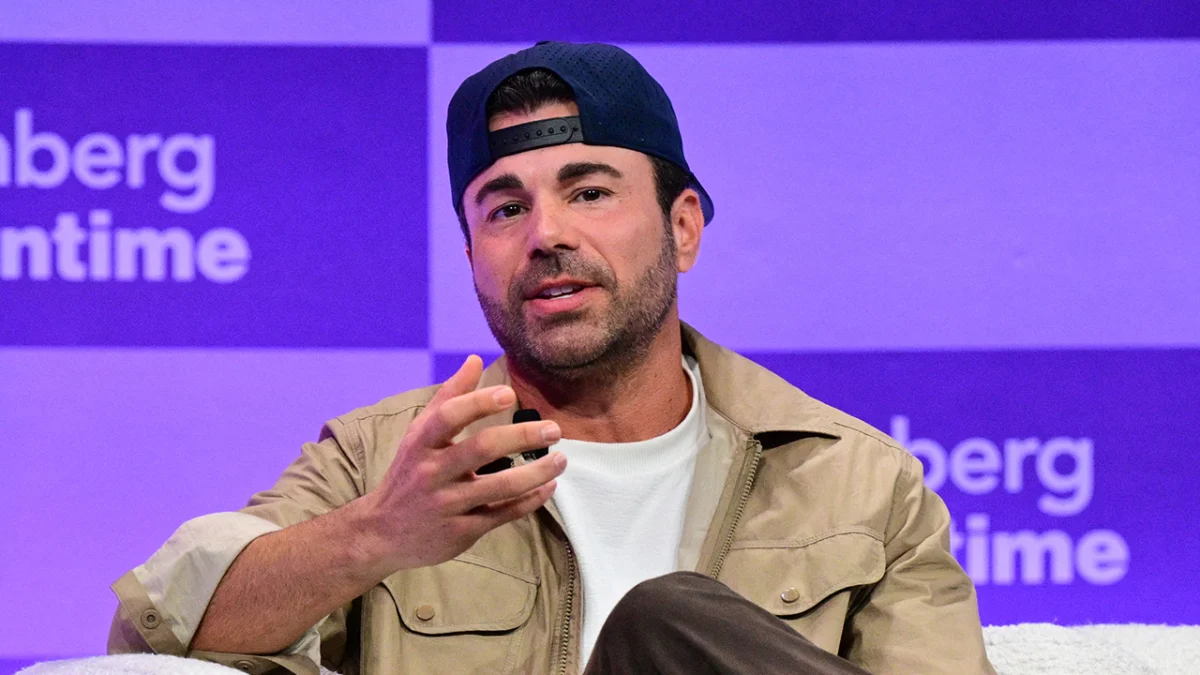
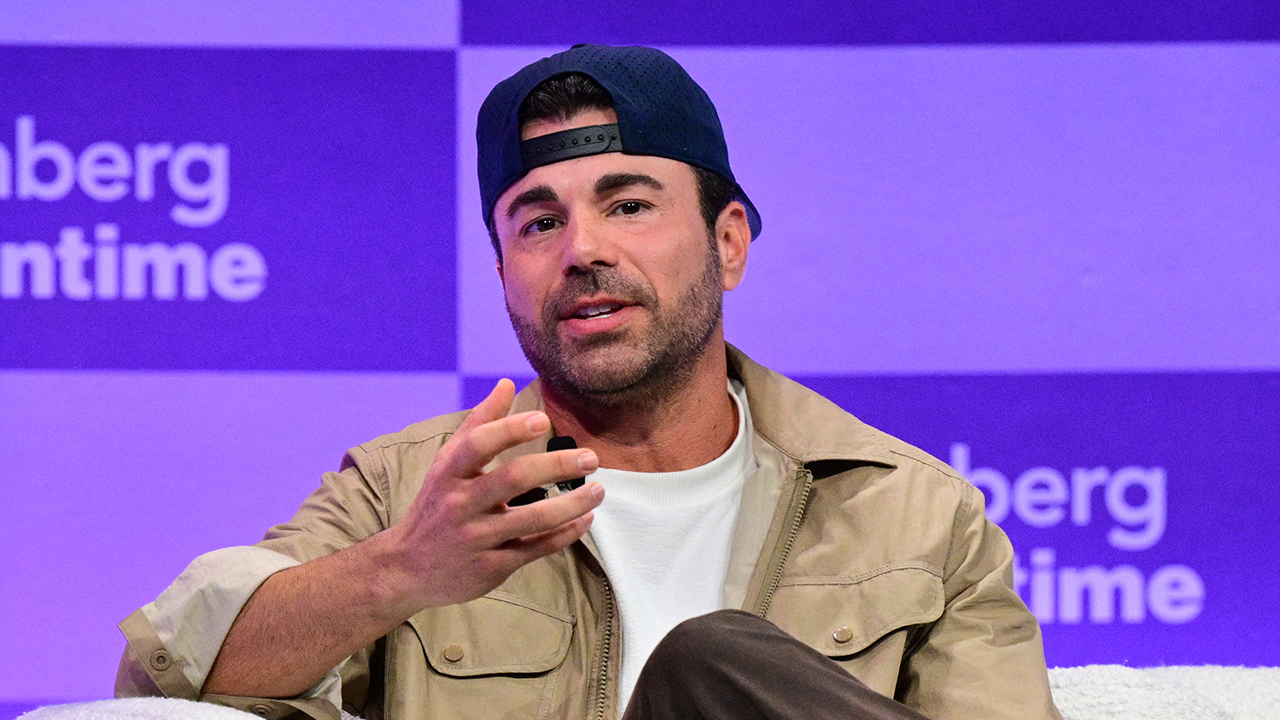
The intersection of digital-first content creation and legacy streaming platforms reached a significant milestone as former NASA engineer and YouTube powerhouse Mark Rober detailed his expanding partnership with Netflix. Speaking at the Bloomberg ScreenTime 2026 conference in Los Angeles, Rober offered a comprehensive look into the strategic evolution of CrunchLabs, the mechanics behind his upcoming unscripted series Schooled, and the broader implications of top-tier internet creators crossing over into traditional subscription video-on-demand services.
The collaboration, which formally began in August 2025, represents a concerted effort by Netflix to capture the massive engagement metrics commanded by digital creators, integrating them alongside established preschool and family franchises. Over the past year and a half, Rober’s footprint on the platform has expanded rapidly, transitioning from curated video compilations to original holiday crossovers and high-budget competition formats. As streaming services increasingly compete with user-generated video platforms for consumer attention, Rober’s trajectory offers a compelling case study in multi-platform brand scaling.
Main Facts and Production Overview of Schooled
At the core of Rober’s expanding relationship with Netflix is Schooled, an ambitious unscripted competition series scheduled to premiere in early 2027. Produced in collaboration with Jimmy Kimmel’s production banner, Kimmelot, the series translates the large-scale engineering and physics experiments characteristic of Rober’s YouTube channel into a structured, campus-based game show environment.
The production reimagines a traditional educational institution as an interactive engineering playground. The show features 14 contestants divided into seven teams of two, ranging in ages from 9 to 17. Across multiple episodes, participants tackle complex science and engineering challenges designed to test structural integrity, aerodynamics, and creative problem-solving. Proposed challenges include launching rooftop garbage can rockets to hit precise targets on a basketball court, installing trampolines in academic hallways, and utilizing non-Newtonian fluid dynamics in school lockers.
The stakes for the competitors are exceptionally high. The winning team secures a $500,000 college scholarship alongside a hands-on engineering apprenticeship at CrunchLabs. For Rober, who spent a decade producing viral content single-handedly before building out a dedicated production infrastructure, the transition to a Netflix-scale set introduced a dramatically different operational reality. While his early digital productions relied on minimal equipment and solo operation, Schooled routinely operated with crews numbering approximately 300 personnel per day on set.
Chronology of the Partnership
The operational timeline of Mark Rober’s integration into the Netflix ecosystem illustrates a strategic, phased rollout designed to test audience retention and merchandising potential before committing to high-budget original programming.
- August 2025: Netflix initiates its formal partnership with Mark Rober, positioning his content alongside major family properties as part of an expanded family and kids programming initiative.
- Late 2025: The curated compilation series Mark Rober’s CrunchLabs premieres on the platform, rapidly ascending into the Kids Top 10 charts across multiple global territories.
- December 2025: Netflix releases the holiday crossover special Elmo and Mark Rober’s Merry Giftmas, bridging educational preschool programming with Rober’s signature hands-on science format.
- Summer 2026: The streaming service debuts Camp CrunchLabs, further solidifying the brand’s presence during peak seasonal viewing windows.
- October 2026: Mark Rober formally details the production scope of Schooled during the Bloomberg ScreenTime conference, establishing an early 2027 release window.
Supporting Data and Viewer Engagement Metrics
Quantifiable data underscores the commercial and viewer viability of bringing digital-first creators to subscription-based streaming services. According to Netflix engagement reports released between 2025 and mid-2026, content associated with Mark Rober accumulated approximately 104.8 million viewing hours globally. This total translates to an estimated 53 million individual views across his initial catalog offerings.
This sustained viewership has provided a powerful top-of-funnel conversion engine for CrunchLabs, Rober’s physical STEM education company. The enterprise manufactures monthly subscription boxes shipped directly to consumers, designed to encourage youth participation in engineering through physical assembly and applied science. The exposure generated by millions of hours of streaming viewership has directly correlated with accelerated brand awareness and consumer acquisition for the physical products, validating the thesis that streaming platforms can act as effective marketing vehicles for direct-to-consumer educational merchandise.
Official Responses and Industry Implications
The transition of marquee digital creators to subscription streaming services has frequently sparked industry debate regarding potential exclusivity conflicts, audience fragmentation, and platform competition. Executives from both major tech and streaming sectors have weighed in on the shifting media landscape.
YouTube leadership, including Chief Executive Officer Neal Mohan, has publicly endorsed multi-platform strategies for top creators, acknowledging that digital talent naturally seeks broader distribution channels to scale their educational and entertainment missions. Similarly, Netflix co-CEO Ted Sarandos has highlighted the mutual benefits of such partnerships, noting that creators with established, mission-driven brands provide unique value propositions that traditional Hollywood pipelines cannot easily replicate.
Rober himself characterizes the arrangement not as a zero-sum migration away from user-generated video, but as a complementary expansion. Maintaining his commitment to his primary YouTube channel, Rober describes the partnership as a "yes-and situation." By diversifying distribution channels, creators with educational mandates can utilize multiple attack vectors to engage younger demographics across distinct media formats.
Maintaining Authenticity Across Legacy Formats
A persistent challenge for digital creators transitioning to traditional television or high-budget streaming formats is the risk of losing the informal, direct-to-camera authenticity that initially resonated with internet audiences. Previous attempts by legacy media networks to package internet talent often resulted in overly polished, highly scripted presentations that underperformed among digital natives.
To mitigate this risk, Rober and his production team deliberately integrated structural elements designed to preserve the aesthetic and tone of online video. Schooled avoids traditional, highly sanitized network editing styles in favor of fourth-wall breaks, unscripted reactions, and an informal narrative pacing that mirrors direct-to-consumer media. By retaining these production hallmarks, the series attempts to bridge the gap between high-end television production values and the perceived authenticity demanded by modern viewers.
Broader Economic and Educational Impact
The broader implications of the Netflix-CrunchLabs partnership reflect a structural shift in how educational entertainment is funded, produced, and distributed. Traditional educational television models have historically relied on public broadcasting grants, institutional underwriting, or network educational programming blocks. In contrast, the modern hybrid model—combining direct-to-consumer merchandise, high-frequency digital video publishing, and global subscription streaming—creates a self-sustaining financial ecosystem.
By securing substantial upfront capital investment from a major streaming partner, creators can execute large-scale physical engineering projects that would be financially prohibitive under standard independent creator monetization models. As Schooled prepares for its global debut in early 2027, the success or failure of the project will likely influence how streaming platforms evaluate future investments in creator-led educational entertainment, potentially setting a new benchmark for cross-media collaboration in the digital age.