Nearly four decades after its creation, Phil Hartman’s 1986 feature film No Picnic completed an unexpected cinematic resurrection, transforming from a largely unseen artifact of downtown New York counterculture into a runaway box office success. Originally shot on lustrous black-and-white 16mm film and financed through the proceeds of Lower East Side hospitality ventures, the indie comedy noir captured a predigital, pre-gentrification New York that has long since vanished. Its triumphant 12-week theatrical run at New York City’s Film Forum not only stunned industry veterans but also demonstrated a profound cultural appetite among contemporary audiences for authentic urban history, grassroots grit, and the eternal, universal struggle of metropolitan affordability.
Main Facts and the Genesis of an Indie Classic
The origins of No Picnic trace back to the vibrant, gritty ecosystem of downtown Manhattan in the mid-1980s. Phil Hartman, a downtown cinephile and co-founder of the beloved Cajun-inspired NoHo bar the Great Jones Cafe, directed the film utilizing profits from his burgeoning hospitality ventures. Financing was later bolstered by funds from another of his businesses, Two Boots Pizza.
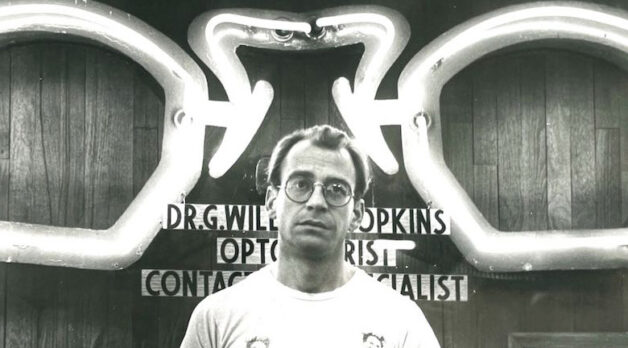
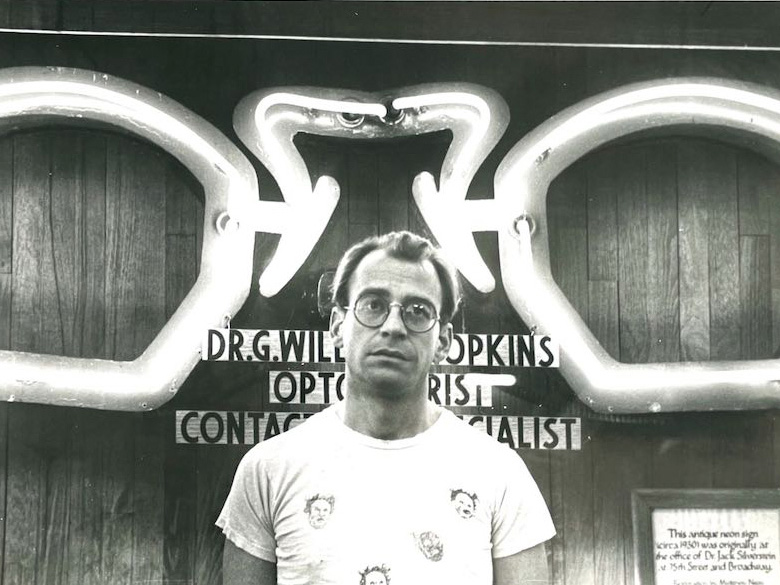
Hartman enlisted experimental filmmaker Peter Hutton to serve as director of photography. Together, they crafted an episodic, ethnographic ramble through the Lower East Side—including the territory rebranded as the "East Village" by realtors in the 1960s. The film follows Mac, a thirty-something former musician portrayed with warm, wistful self-awareness by David Brisbin. Mac scrapes together his rent by servicing jukeboxes and cigarette machines, navigating an eccentric world of roommates, neighbors seeking green-card marriages, and a rapidly shifting physical landscape.
The production served as a veritable time capsule of the era’s artistic community. It featured performances and cameo appearances by figures who would later become titans of independent film and music, including actors Steve Buscemi and Luis Guzmán, filmmaker Lewis Klahr, and musician Richard Hell. Furthermore, future indie producing powerhouse Christine Vachon contributed as an uncredited assistant sound editor, taking her payment in complimentary meals at the Great Jones Cafe. Production support also arrived from Wim Wenders’s New York-based production company, Gray City Films, helping shepherd the project to its eventual completion in 1987.
Chronology of a Decades-Long Journey
The timeline of No Picnic spans nearly forty years of independent cinema history, marked by prestigious early recognition, prolonged obscurity, and a fortuitous modern revival:
- 1985–1986: Phil Hartman directs No Picnic, financed through the Great Jones Cafe and Two Boots Pizza, with cinematography by Peter Hutton.
- 1987: The film premieres at the Sundance Film Festival, where it receives the prestigious cinematography award. Plans by Gray City Films to open the movie at the floundering St. Mark’s Cinema collapse when the production company goes out of business.
- Summer 1990: Following a rave review by critic Manohla Dargis in The Village Voice, the film enjoys a record-setting six-week theatrical run at Anthology Film Archives, curated by Jonas Mekas.
- 1990–2025: The film retreats from public view for 35 years. Hartman focuses on expanding Two Boots, which eventually houses the Pioneer Theater repertory cinema from 2000 until 2008. No Picnic remains largely confined to VHS and DVD formats available at the Two Boots Video Store.
- January 2025: Archivist Mary Engel introduces Hartman to Jake Perlin of The Film Desk, an independent distribution company specializing in neglected classics. Perlin oversees a meticulous new restoration of the film.
- January 2025: The restored No Picnic premieres at the Museum of Modern Art (MoMA) as part of the "To Save and Project" series, drawing a packed house despite a major snowstorm.
- April 17, 2025: Prompted by MoMA’s reception and strong internal advocacy, the film opens for a theatrical run at Film Forum, quickly outperforming box office expectations and emerging as a surprise commercial hit.
Supporting Data and Box Office Performance
When Film Forum repertory director Bruce Goldstein initially scheduled No Picnic, expectations were modest, given the film’s four-decade absence from regular circulation and its obscure status outside hardcore cinephile circles. Opening on Friday, April 17, alongside the Bronx-set indie favorite Mad Bills to Pay, the film was granted a conservative release of just two screenings per day.
The response, however, shattered projections. No Picnic sold out nearly all of its initial screenings, grossing more than $28,000 in its opening week to become the theater’s top-performing film. Held over for a second week, it added another $16,000. As cumulative grosses surpassed $50,000, the engagement was repeatedly extended, ultimately completing a 12-week run that grossed a staggering $123,000.
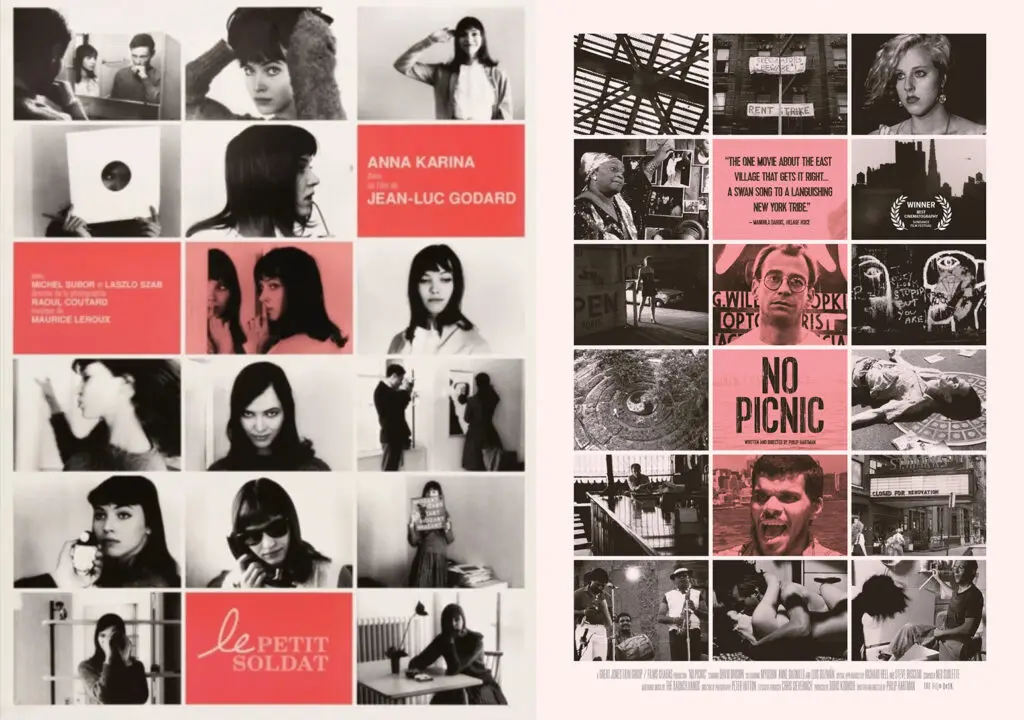
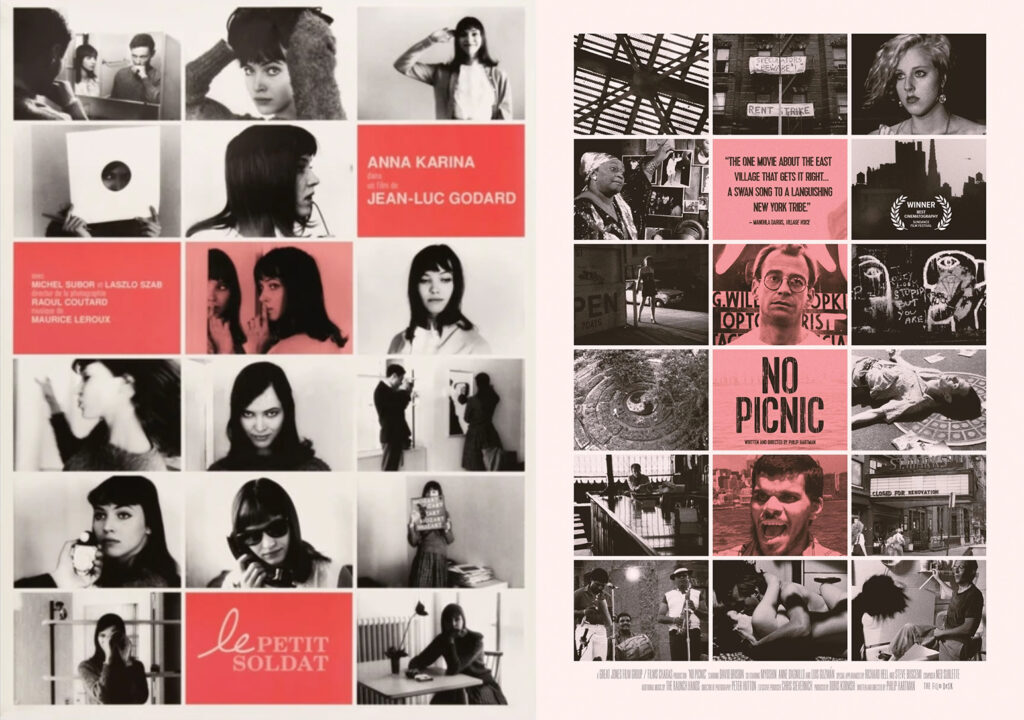
In financial terms, this performance placed No Picnic among the most successful repertory runs of the decade at the Film Forum. It outperformed legendary international classics such as Federico Fellini’s 8½ ($120,000) and Akira Kurosawa’s Seven Samurai ($103,000), while nearly matching Satyajit Ray’s Days and Nights in the Forest ($127,000). The success was amplified by dynamic promotional materials from The Film Desk, a poster modeled after Jean-Luc Godard’s The Little Soldier (1963), and Hartman’s personal engagement, which included frequent post-screening Q&As and complimentary slices of Two Boots pizza for ticket holders.
Official Responses and Industry Analysis
The unexpected commercial triumph of No Picnic has generated significant commentary from cultural critics, historians, and participating artists, shedding light on why a 1980s punk comedy resonates so deeply in the modern era.
Joshua Siegel, film curator at the Museum of Modern Art, described the restored feature as "a priceless artifact of New York’s pre-gentrification East Village." Manohla Dargis, whose 1990 review catalyzed the film’s initial theatrical life, observed that the movie addresses the evergreen, highly relatable crisis of urban affordability. Dargis noted that even for someone like herself who grew up in the neighborhood, survival in the East Village during that era required navigating a precarious landscape of illegal sublets and constant displacement.
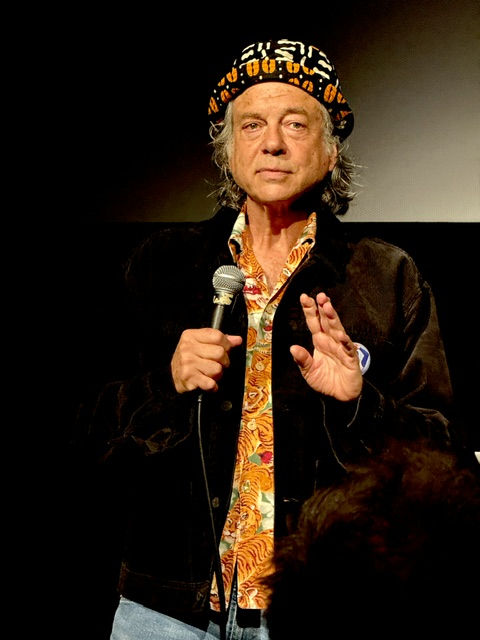
Producer Christine Vachon emphasized the dual nature of the film’s appeal. "I think it has this mix of being relevant to today because it’s about being able to afford a place, but it also is a world that’s sort of past," Vachon remarked. "It just manages to be sort of a perfect time capsule that in a funny way has folded back onto this time."
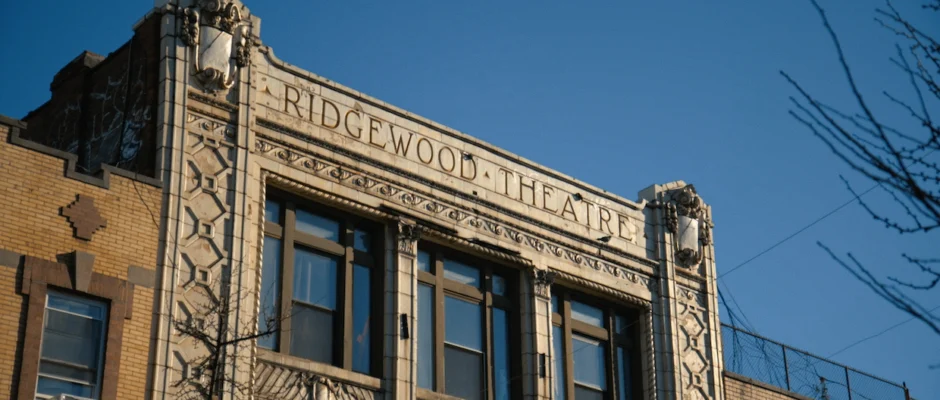
For younger audiences, many of whom have relocated to neighborhoods like Ridgewood—the modern structural analog to the 1980s Lower East Side—the film functions as both entertainment and education. Emerging filmmaker Meg Aubry noted that contemporary urban transplants often lack a connection to the historical foundation of their neighborhoods, making the film an invaluable cultural touchstone that manages to critique institutional displacement while maintaining a lighthearted, self-aware parody of noir tropes.
Broader Impact and Implications
The unexpected renaissance of No Picnic carries broader implications for repertory curation, independent film distribution, and urban sociology. The film’s trajectory demonstrates that archival preservation is not merely an academic exercise in historical conservation, but a commercially viable enterprise when paired with targeted community engagement and dynamic marketing.
Furthermore, the film’s enthusiastic reception among younger demographics highlights a deep-seated cultural hunger for authentic, unvarnished depictions of city life free from contemporary digital gloss. As skyrocketing rents, corporate homogenization, and real estate speculation continue to reshape metropolitan landscapes across the globe, No Picnic offers viewers a mirror to their own anxieties. It captures a fragile moment when artists, musicians, and working-class residents carved out vibrant communities amidst physical rubble and economic uncertainty.
Reflecting on the film’s legacy and its unexpected second act, Phil Hartman observed that the project possesses a distinct "terroir"—an earthy resonance derived from the actual rubble, empty lots, and abandoned buildings of a bygone Manhattan. After nearly forty years of dormancy, that terroir has proven to be remarkably potent, proving that while cities are perpetually locked in cycles of transformation, the human quest for creative survival, community, and an affordable place to call home remains entirely timeless.