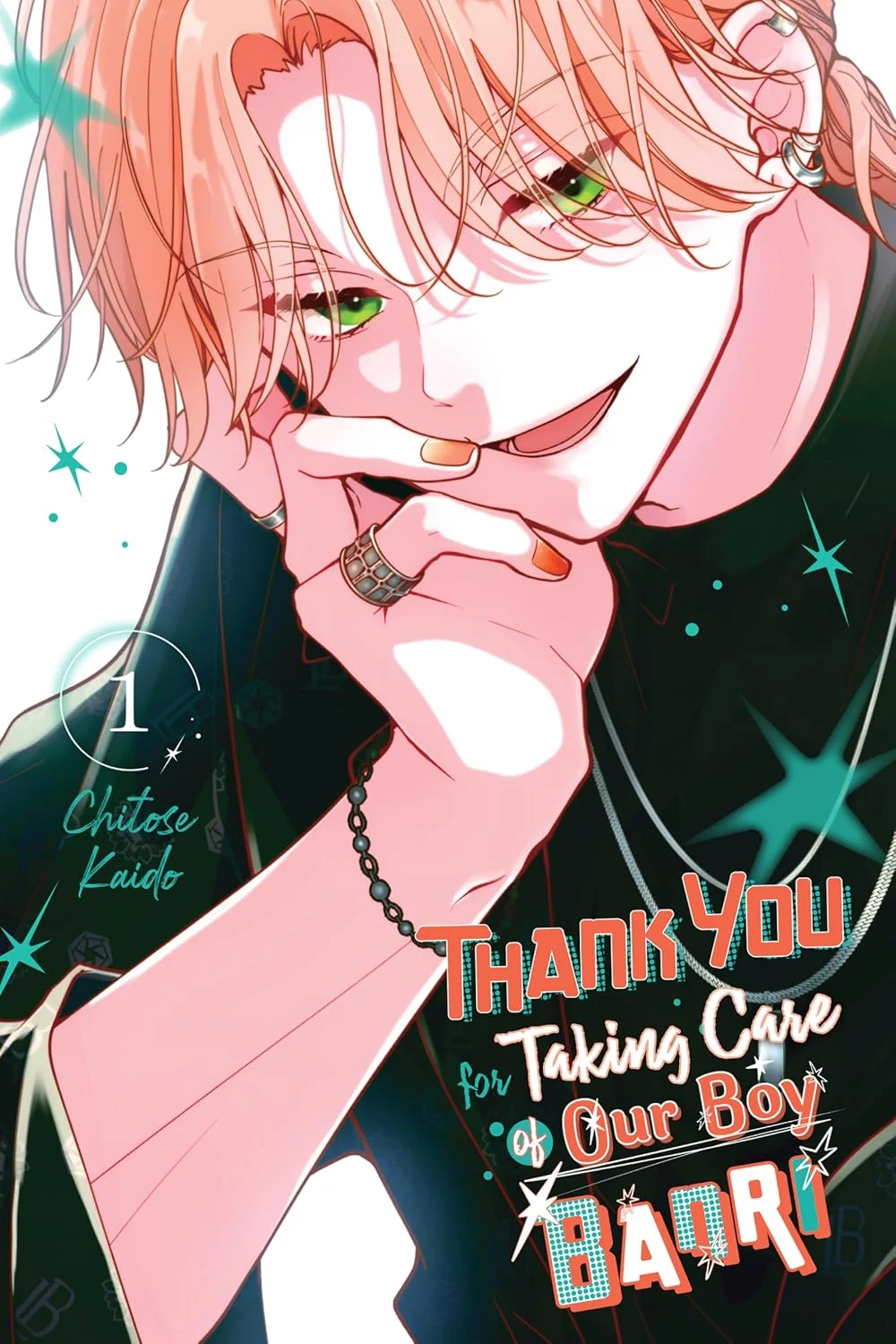
The Genesis and Evolution within Hakusensha’s LaLa Magazine
The journey of "Thank You for Taking Care of Our Boy Banri" from a promising one-shot to a regularly serialized series highlights the dynamic nature of the Japanese manga industry, particularly within the shojo genre. Hakusensha, a venerable publishing house with a long history of nurturing talent and launching iconic series, recognized the potential in Kaido’s initial offering. LaLa magazine, a flagship publication for shojo manga since its inception in 1976, has been a consistent platform for works that explore themes of romance, self-discovery, and societal pressures, often with a unique twist. The decision to move from a one-shot to full serialization within a few months demonstrates a strong positive reception from both the editorial team and an initial readership. This rapid transition is often indicative of a story that has struck a chord, promising sustained engagement and narrative depth. The serialization in LaLa places "Thank You for Taking Care of Our Boy Banri" among a legacy of successful titles, reinforcing its standing as a significant new voice.
Chronology of Key Milestones and Industry Recognition
The timeline of "Thank You for Taking Care of Our Boy Banri" is marked by several pivotal moments that reflect its growing influence and reach:
- September 22, 2023: The series makes its debut as a one-shot in Hakusensha’s LaLa magazine. This initial publication serves as a litmus test, gauging reader interest and critical feedback before a long-term commitment.
- January 4, 2025: To commemorate the release of the second Japanese tankobon volume, Hakusensha unveiled a promotional voice comic video. This marketing strategy is common for popular manga, designed to enhance reader engagement and attract new audiences by bringing characters to life through professional voice acting. The casting of Yuma Uchida as Banri Narita, a prominent and highly respected voice actor known for his versatile roles across various anime and game franchises, significantly boosted the manga’s visibility. Uchida’s involvement signals the publisher’s confidence in the series’ potential and its appeal to a broader demographic familiar with popular voice talent.
- Throughout 2025: The manga achieved critical acclaim by placing fourth in the Nationwide Publishers Recommended Comics of 2025 list. This annual list, compiled from recommendations by booksellers and publishing professionals across Japan, is a prestigious indicator of a manga’s quality, sales potential, and cultural impact. A high ranking on this list often correlates with increased sales, greater media attention, and a stronger foundation for future adaptations or international expansion.
- December 2025: Yen Press, a leading North American publisher specializing in Japanese manga and light novels, announced its acquisition of the English language license for "Thank You for Taking Care of Our Boy Banri." This licensing agreement marks a crucial step in the manga’s global journey, opening it up to a vast English-speaking audience. Yen Press is renowned for its diverse catalog and high-quality translations, ensuring that the series will be presented professionally to international readers.
- June 5, 2026: The fifth tankobon volume is released in Japan, signifying the continued progress of the serialization and the ongoing narrative development. The consistent release of volumes is a key metric of a manga’s sustained popularity and the creator’s productivity.
- June 23, 2026: The first North American volume, published by Yen Press, makes its debut. This release provides international fans with their first opportunity to experience the series in English, often sparking discussions and reviews that further contribute to its global footprint.
The Narrative Core: Behind the Idol’s Facade
At its heart, "Thank You for Taking Care of Our Boy Banri" delves into the intricate and often deceptive world of the Japanese entertainment industry through the eyes of its protagonist, Nanase. Her journey begins with an unexpected request from her older sister: to temporarily manage Banri Narita, the celebrated idol whom Nanase has admired from afar. This proposition is initially a dream come true for Nanase, offering a unique opportunity to interact with and support her beloved celebrity. She approaches the role with an idealized perception, convinced that her understanding of Banri’s public persona—the charming, charismatic figure presented to his fans—equates to knowing the real person.
However, the manga swiftly peels back the layers of this public image, revealing a stark contrast. Nanase soon discovers that Banri’s true personality is far removed from the polished idol. In private, he exhibits a challenging demeanor, characterized by demanding behavior, a spoiled attitude, and an almost "impossible" disposition. This stark reality shatters Nanase’s initial enthusiasm, leading her to question her decision and even contemplate abandoning the job. The narrative effectively captures the disillusionment that can arise when the fantasy of celebrity clashes with the gritty reality of personal interaction.
The turning point for Nanase, and for the story’s trajectory, occurs when she witnesses Banri perform on stage. In this moment, stripped of his private petulance, Banri transforms into the dedicated, talented artist she had admired. This experience re-ignites her resolve, allowing her to see beyond his personal flaws and appreciate the profound dedication and skill that underpin his career. It encourages her to remain by his side, driven by a newfound commitment to understanding the multifaceted individual behind the idol, rather than just the persona. This pivotal shift sets the stage for a deeper exploration of their relationship and the underlying themes of the series.
Thematic Depth and Industry Commentary
Chitose Kaido masterfully employs several narrative devices that elevate "Thank You for Taking Care of Our Boy Banri" beyond a typical shojo romance. The manga subtly weaves together the slow-burn development of a romantic relationship between a manager and her talent with a trenchant commentary on the realities of the entertainment industry. This dual approach provides both emotional engagement and intellectual substance.
One of the most striking aspects is the critical lens through which the series examines the idol industry. Kaido offers "rather pointed comments" about the systemic exploitation within talent agencies, suggesting that these organizations often prioritize profit and image over the well-being of the individuals under their care. This theme resonates with real-world discussions about the pressures, grueling schedules, and sometimes dehumanizing aspects of being an idol in Japan, where performers are often expected to maintain an unblemished public image at all costs.
Furthermore, the manga explores the idea that some performers, like Banri, despite their public success, may be "spoiled brats who need a family figure as much as they need a manager." This psychological insight adds complexity to Banri’s character, suggesting that his difficult private persona might be a coping mechanism or a manifestation of deeper emotional needs stemming from the isolating nature of celebrity. Nanase, in her role, gradually transcends mere managerial duties to become a grounding presence, perhaps a surrogate family figure, which is crucial for Banri’s personal and professional growth.
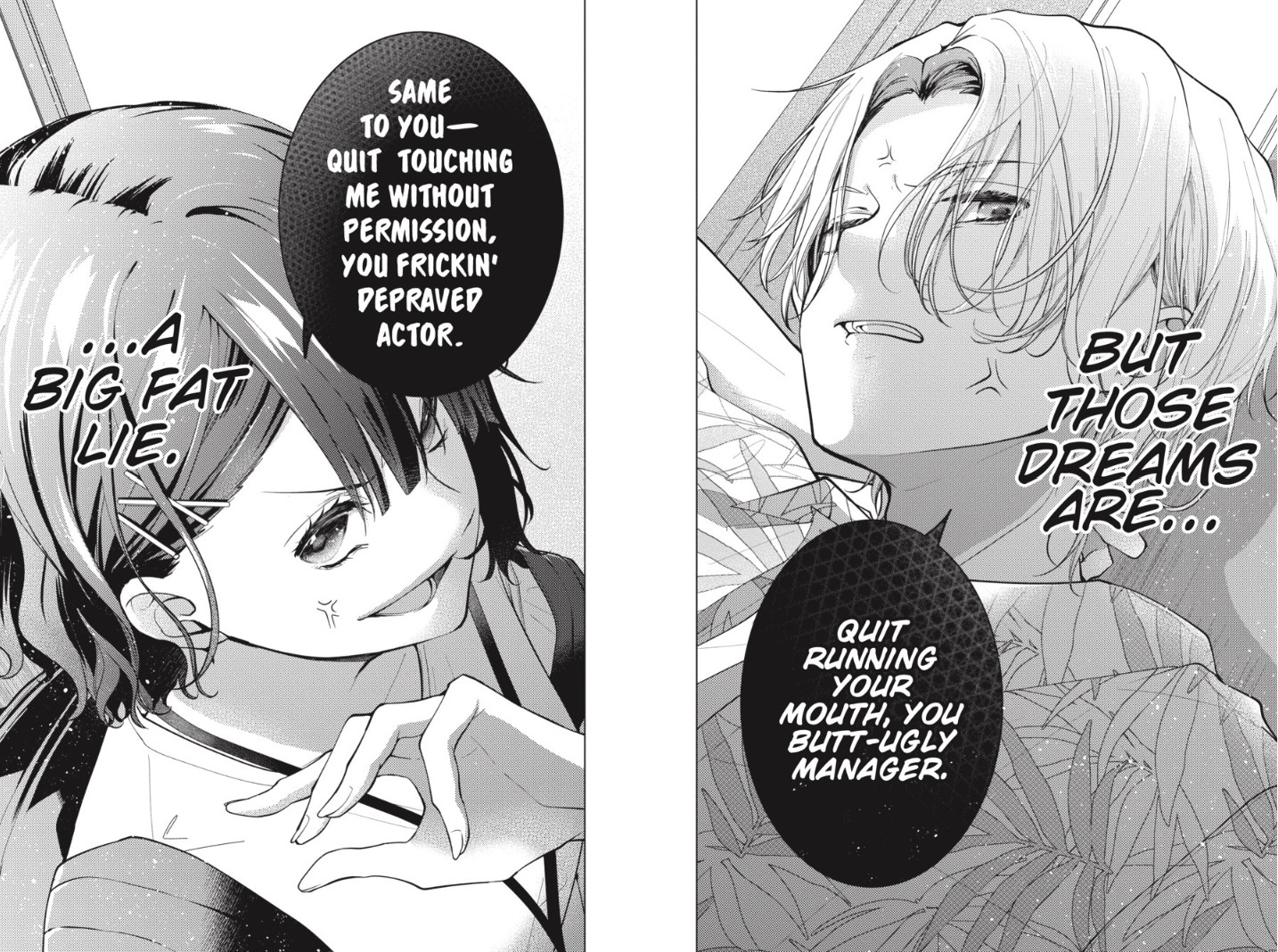
The central conceit of Banri’s two personas – the "cute and charming in public" idol versus the "offensive, spoiled, and essentially impossible in private" individual – serves as a powerful metaphor for the performative aspects of modern life and the pressures of maintaining a public image. Nanase’s patient endurance of Banri’s private antics, contrasted with his unwavering professionalism even when overworked, highlights a prevalent work ethic often associated with the Japanese entertainment industry. This dichotomy also subtly reveals common ground between the two characters, suggesting they are not as disparate as they initially appear, both bound by demanding expectations and a commitment to their roles, albeit in different capacities.
The narrative generally adopts an episodic structure, with each chapter presenting a new challenge or project for Banri, forcing Nanase to navigate his unpredictable personality while ensuring his professional success. This structure allows for incremental character development and the exploration of various facets of the industry. However, the introduction of another performer in the latter part of the initial volumes signifies a shift towards a more focused, overarching storyline, suggesting deeper conflicts and more intricate relationship dynamics will be explored in subsequent installments. This promises to expand the narrative scope, moving beyond isolated incidents to a more continuous plot thread that could involve rivalries, alliances, or further revelations about Banri’s past or the industry’s machinations.
Artistic and Literary Merits
Beyond its compelling narrative and thematic depth, "Thank You for Taking Care of Our Boy Banri" is distinguished by its high-quality artistic execution. Chitose Kaido’s illustration work is consistently praised for its "very high level," encompassing both intricate character design and dynamic depiction of movement. This visual prowess is critical in a manga that features an idol, as the aesthetics of performance and character appeal are paramount.
The character designs are nuanced, effectively conveying Banri’s dual nature—his dazzling public persona and his more vulnerable or petulant private self—and Nanase’s evolving expressions of frustration, determination, and budding affection. The artwork shines particularly in scenes requiring motion, capturing the fluidity and energy of performances or dramatic actions. The "large panels are impressive," suggesting a cinematic quality that allows for detailed backgrounds, expressive close-ups, and an immersive reading experience. A specific highlight noted is the "motorcycle scene," which likely showcases Kaido’s ability to render action sequences with flair and visual impact, further enhancing the manga’s appeal beyond typical shojo conventions.
The dialogue, described as "rather intense and fills the majority of the panels," indicates a strong emphasis on character interaction and internal monologue, driving the plot and revealing character motivations. This dense textual component, combined with the expressive artwork, creates a rich and engaging reading experience that demands attention and rewards careful consideration. The balance between textual exposition and visual storytelling is a hallmark of well-crafted manga, and Kaido appears to strike this balance effectively.
Reception and Critical Acclaim
The critical reception for "Thank You for Taking Care of Our Boy Banri" has been overwhelmingly positive, underscored by its inclusion in the Nationwide Publishers Recommended Comics of 2025 list. Earning the fourth spot on such a prestigious list, which is compiled from the recommendations of booksellers across Japan, is a significant achievement for any new manga series. This recognition not only validates the quality of Kaido’s storytelling and artistry but also signals strong confidence from those closest to the market and consumer preferences. Such an endorsement often translates into increased sales, broader media coverage, and heightened anticipation for future volumes, establishing the manga as a notable title within its release year. The list serves as a crucial guide for readers seeking high-quality new works, further amplifying the series’ visibility and appeal.
International Reach: Yen Press and Global Audiences
The announcement by Yen Press in December 2025 of its English language license for "Thank You for Taking Care of Our Boy Banri" marks a pivotal moment in the manga’s journey toward global recognition. Yen Press is a major player in the North American manga market, known for its discerning selection of titles and high-quality localized releases. Their decision to license the series underscores its international appeal and potential to resonate with diverse audiences outside Japan. The subsequent release of the first North American volume on June 23, 2026, made the series accessible to a broad English-speaking readership, expanding its fan base and fostering cross-cultural dialogue around its themes. This international distribution is crucial for a manga’s long-term success, allowing it to tap into new markets and gain broader critical attention.
Future Trajectory and Broader Implications
"Thank You for Taking Care of Our Boy Banri" is positioned for a promising future, building on its initial success and critical acclaim. The shift from an episodic structure to a "more focused storyline" with the introduction of another performer suggests that Chitose Kaido is embarking on a deeper, more interconnected narrative arc. This evolution is typical for successful manga series, allowing for more complex character development, intricate plotlines, and a sustained sense of anticipation for readers. The exploration of new dynamics and potential conflicts promises to keep the story fresh and engaging as it progresses.
The manga’s ability to "make a number of comments beneath its seemingly simple premise" is a key factor in its broader appeal. By addressing themes such as the harsh realities of the entertainment industry, the psychological toll of celebrity, and the complexities of human relationships, Kaido elevates the narrative beyond a conventional shojo romance. This thematic depth ensures that the series resonates with a wider audience, including those who may not typically gravitate towards the shojo genre. Its commentary on societal pressures, authenticity, and the pursuit of dreams offers universal appeal, making it a "very entertaining and rewarding title" that transcends demographic boundaries. As the series continues to unfold, it is expected to further solidify its reputation as a thought-provoking and emotionally resonant work within the contemporary manga landscape, potentially influencing future shojo titles to explore similar complex themes.