Presented in the highly competitive Korean Cinema section at the 27th Jeonju International Film Festival (JIFF), Kim Dasom’s feature debut, "SOAR" (Korean 지금 이 순간을 위해, which translates to "for the present moment"), has emerged as a significant work, compelling critics and audiences alike. The film’s inclusion alongside productions by veteran filmmakers underscores its artistic merit and the profound maturity with which Kim articulates the intricate emotional landscapes of her protagonists, marking her as an artist deserving of close attention. The festival, renowned for its commitment to independent and experimental cinema, has once again provided a vital platform for a fresh voice challenging established narratives and cinematic conventions.
Unpacking the Narrative: A Family Fractured and Reimagined
From its opening frames, "SOAR" establishes a complex family drama with a carefully balanced poetic touch and a delicate, almost weightless pace. Director Kim Dasom employs a meticulous visual language to introduce a household steeped in unspoken tension. The father, a menacing presence, is initially described solely through his shoes, placed at the threshold of the bedroom. This seemingly minor detail carries profound cultural weight in Korea, where shoes are conventionally left outside the living space, symbolizing the separation of the external world’s dirt and negative influences from the sanctity of the home. Their placement at the bedroom’s edge, but not within, already defines the father’s ambiguous position – physically present, yet emotionally distant and potentially disruptive. His absence from the frame underscores his oppressive influence without needing to show his face.
The scene continues to unfold with precise observation: the mother, eldest daughter Hyun-jae (Hwang Boun), and young brother are huddled together on the floor, asleep, a posture that speaks volumes about their need for collective solace and protection within a hostile environment. The subsequent sound of a liberating, light song gently wakes the little brother, but startles the mother, who instinctively warns, "Be quiet, you might wake your father!" – a testament to the pervasive fear he instills. Yet, the father, like his shoes, is already gone, leaving behind only the lingering shadow of his potential return.
This meticulously crafted opening sequence serves as a refined, albeit not overly subtle, metaphor for the family’s fractured reality. The mother is later seen picking up shards of glass, symbolizing the brokenness she attempts to mend, while the little brother is shielded from danger. The sister, Hyun-jae, urges her mother to keep a promise, the nature of which is revealed later, hinting at a desperate hope for change. Through precise words, expressions, and cinematography that embraces warm rays of light falling across Hyun-jae’s face, the audience is drawn into her world – a world already steeped in conflict, even before the central crisis fully emerges.
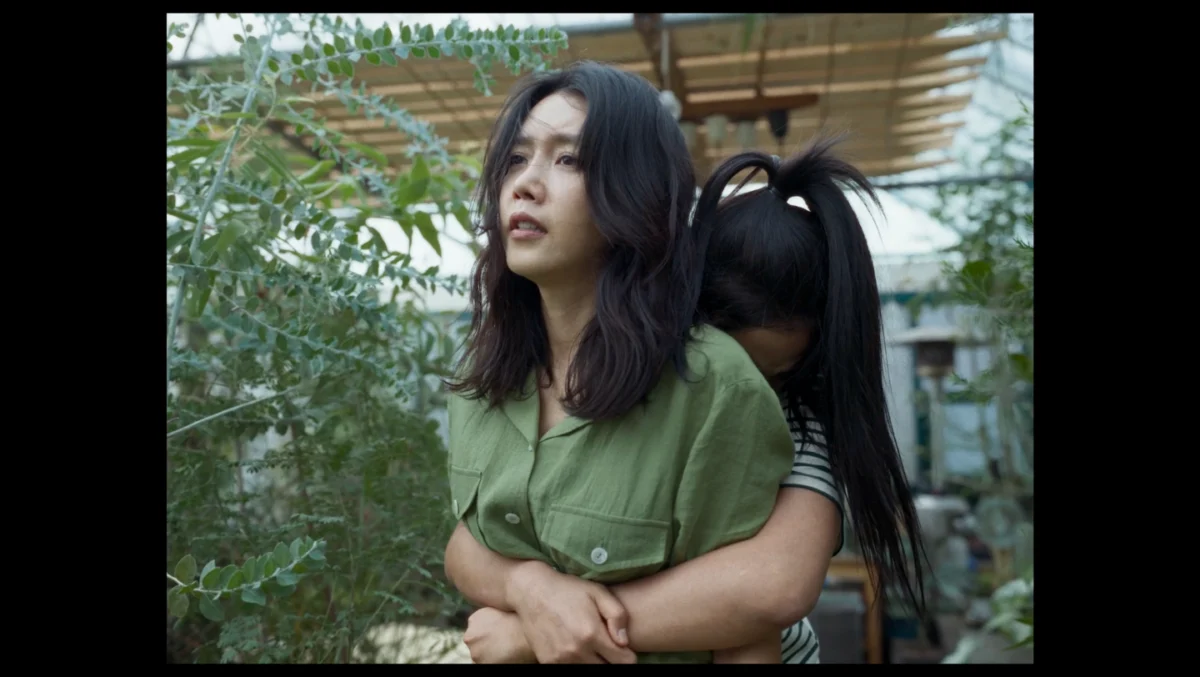
Hyun-jae’s life is defined by her family’s dependence on a violent father. As a teenager, she confronts him with a courage born of desperation, a stark contrast to her mother’s attempts to appease him and avoid further provocation. Hyun-jae’s refusal to be silent sets her on a path of seeking alternatives. A chance encounter introduces her to Hae-in (Chae Jungan), a woman who lost her daughter, Yoon-seul, to abduction ten years prior. Despite the passage of time, Hae-in’s search remains unwavering; she persists in handing out flyers at subway exits, fueled by an almost boundless hope. Hae-in’s sincere interest in Hyun-jae offers the girl a glimpse of an alternative reality – the possibility of finding a family again, or perhaps, as the narrative suggests, "stealing a fragment of the boundless love the mother pours into the memory of her lost child."
However, the bonds of family, even those strained and stained by domestic violence, prove stubbornly resilient. Hyun-jae’s mother eventually seeks her out, her little brother misses her, and even her closest friend, herself a "runaway kid," questions Hyun-jae’s unconventional choice to live with a stranger. This internal conflict highlights the complex emotional landscape of a teenager caught between the yearning for escape and the gravitational pull of familial ties, no matter how toxic.
Artistic Vision and Technical Craftsmanship
The film unfolds at a deliberate, steady pace, allowing ample room for the audience to delve into Hyun-jae’s complex emotional state. She is portrayed as a teenager on the verge of collapse, yet she clings to a fragile resilience, symbolized by her persistent smile and the solace she finds in singing. This motif, subtly introduced in the opening scene, remains one of the film’s most poetic and accomplished passages, serving as a recurring beacon of hope amidst despair. The audience is challenged to extend significant empathy, to understand that Hyun-jae is not merely a "troubled" girl but one carrying a profound void that occasionally manifests in erratic behavior. Dialogue such as "Did you want to kill him?" and "Disgusting, right? And twisted," offers a raw glimpse into her internal turmoil.
A crucial aspect of Kim Dasom’s directorial approach is her portrayal of the mother, played with understated power by veteran actress Bae Hae-sun. The director asks the audience not to judge her too quickly, presenting her quiet resignation with a degree of tolerance and striving to illuminate her emotional dilemma. Her passivity, or perhaps helplessness, in the face of violence is framed within a broader societal context. The film suggests that the mother is not only a victim of an abusive husband but also of an "obsolete system" that historically compelled a generation of Korean women to relinquish economic independence and submit to their husbands, irrespective of the men they might become. Kim Dasom grants the mother only a few lines, yet these are essential in revealing her as a primary victim, caught between a broken promise and the perceived safer, albeit less protective, option for her children.
The film’s visual aesthetic, meticulously crafted by Director of Photography Kang Jeonghoon, is another standout element. The camera’s dedication to exploring gestures, shifting positions, searching for reflections, and lingering on facial details speaks volumes about Kim Dasom’s careful study of her images. The resulting compositions never feel accidental, instead contributing to a quiet precision that elevates the storytelling. This visual exactitude is supported by the modest yet powerful acting presence of the women at the film’s center, who become allies of the image, conveying profound emotions with subtle expressions.
Broader Context: "SOAR" Within Korean Cinema and Society
Jeonju International Film Festival: A Platform for New Voices
The Jeonju International Film Festival, established in 2000, has carved a unique niche in the global cinematic landscape. Unlike its larger counterparts like the Busan International Film Festival, which often focuses on commercial blockbusters and established industry figures, JIFF is celebrated for its unwavering dedication to independent, experimental, and alternative cinema. Its mission is to discover and introduce new trends and talents, often acting as a launchpad for emerging filmmakers who challenge conventional storytelling. The "Korean Cinema" section, where "SOAR" made its debut, is particularly vital, showcasing the vibrant and diverse landscape of domestic independent productions. For a debut feature like "SOAR" to earn its place in this competitive lineup, especially alongside works by more seasoned directors, is a testament to its exceptional quality and thematic resonance. JIFF’s emphasis on art-house cinema provides a critical space for films that prioritize artistic expression and social commentary over commercial viability, fostering a dynamic ecosystem for Korean independent film.
Addressing Societal Issues: Domestic Violence and Women’s Roles
"SOAR" bravely confronts the pervasive issue of domestic violence in South Korea, a topic that has gained increasing public attention but still faces significant societal stigma. While South Korea has made strides in addressing gender equality, patriarchal norms and traditional family structures have historically contributed to underreporting and inadequate protection for victims. Films like "SOAR" play a crucial role in bringing these difficult realities to the forefront, fostering dialogue and challenging the silence that often surrounds such issues. The portrayal of the mother, trapped by an "obsolete system" of economic dependence, resonates with the historical plight of many Korean women who, for generations, were expected to prioritize familial harmony and submission over personal safety and autonomy. This depiction serves as a poignant reminder of the enduring societal pressures that continue to impact women’s choices and their ability to escape abusive situations, even in modern Korea. The film subtly critiques not just individual perpetrators but the broader systemic failures that perpetuate cycles of violence and vulnerability.
The Landscape of Korean Independent Film
Korean independent cinema has a rich history of producing critically acclaimed works that explore nuanced social realities and artistic expressions. Despite facing challenges such as limited funding, distribution difficulties, and fierce competition from mainstream productions, independent filmmakers continue to push boundaries. The emergence of talents like Kim Dasom signifies a healthy and evolving ecosystem within Korean cinema. These films often serve as a vital counter-narrative, offering perspectives that are frequently overlooked by commercial cinema, particularly concerning youth struggles, family dysfunction, and marginalized communities. "SOAR" fits squarely within this tradition, demonstrating the power of independent storytelling to illuminate complex human experiences and provoke empathetic engagement from its audience.
Director’s Intent and Festival Impact
While specific direct statements from director Kim Dasom regarding the film’s inspiration and creative process are not explicitly detailed, her artistic intentions are profoundly evident in "SOAR." It is understood that Kim aimed to craft a narrative that fosters empathy rather than quick judgment, particularly concerning the mother’s seemingly passive role. Her meticulous approach to character development, the nuanced cinematography, and the deliberate pacing all point to a filmmaker deeply committed to exploring the human condition with sensitivity and depth. The film’s dedication to capturing "the richness of the present" – 지금 이 순간을 위해 – suggests a philosophical underpinning that encourages viewers to find meaning and resilience in fleeting moments, even amidst profound hardship.
The selection of "SOAR" for the Jeonju International Film Festival marks a significant milestone in Kim Dasom’s nascent career. A successful debut at such a prestigious event often serves as a powerful springboard for emerging filmmakers, attracting further festival invitations, potential distribution deals, and critical recognition that can shape future projects. For the festival, "SOAR" stands as a testament to its mission of championing diverse and thought-provoking cinema, reinforcing its reputation as a crucial platform for discovering the next generation of cinematic talent. The initial reception, characterized by critical acclaim and audience engagement, suggests that "SOAR" is poised to resonate beyond the festival circuit, potentially sparking broader conversations about its themes and solidifying Kim Dasom’s position as a significant new voice in Korean cinema.
The Enduring Message: Living "For the Present Moment"
If there is one memory that remains most vivid from "SOAR," beyond its intricate plot and compelling characters, it lies in the profound meaning embedded within its Korean 지금 이 순간을 위해 — "for the present moment." Through a careful and almost ethereal use of light, shaped by fleeting moments and precise emotional captures within each scene, the film emphasizes the richness and enduring significance of the present. This thematic core quietly permeates the entire movie, inviting viewers to appreciate the delicate balance of resilience and vulnerability that defines human existence. "SOAR" is not just a story of a fractured family or a young girl’s search for belonging; it is a meditation on the power of living in the now, finding solace and strength in the immediate, even when surrounded by the shadows of the past and the uncertainties of the future. It is a powerful reminder that within every present moment, there lies a unique opportunity for growth, connection, and ultimately, a quiet form of soaring.