The 2025 Toronto International Film Festival (TIFF) served as the global stage for the world premiere of Mile End Kicks, a Canadian romantic comedy that marks a significant milestone in the career of writer-director Chandler Levack. Following the critical success of her debut feature, I Like Movies, Levack returns to the cinematic landscape with a vibrant, semi-autobiographical exploration of the early 2010s indie music scene in Montreal. The film, which stars Barbie Ferreira, Devon Bostick, and Stanley Simons, has quickly garnered attention for its authentic portrayal of young adulthood, the complexities of music journalism, and the magnetic pull of the Mile End neighborhood during a transformative era for Canadian culture.
Narrative Overview and Semi-Autobiographical Foundations
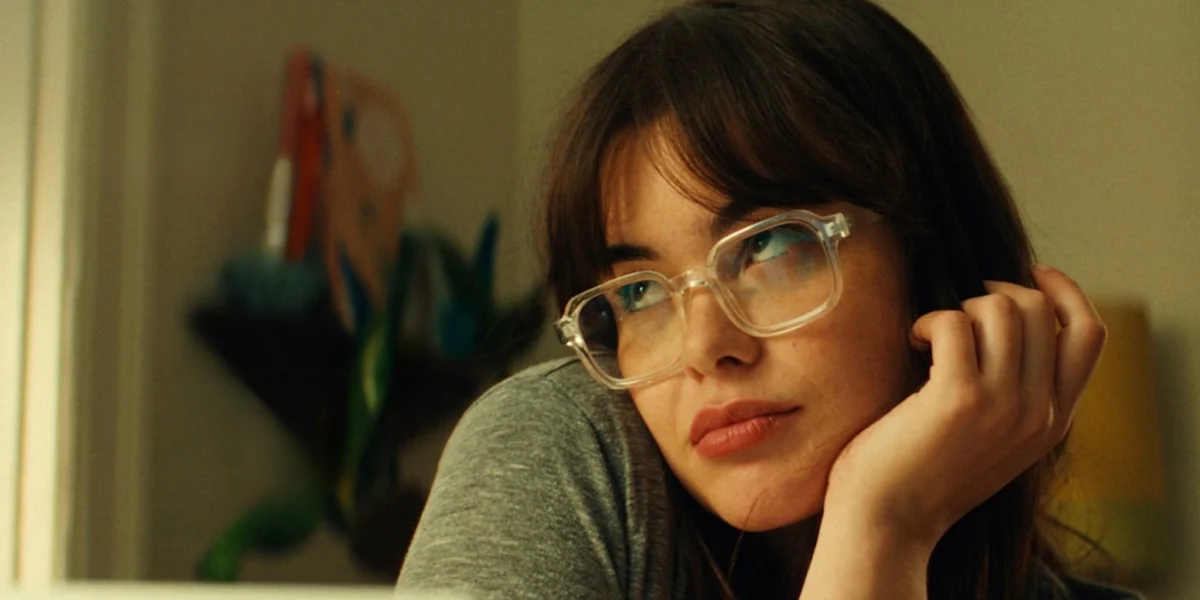
Mile End Kicks follows the journey of Grace Pine, portrayed by Barbie Ferreira, a young woman who relocates to Montreal, Quebec, in 2011. Grace’s primary objective is scholarly and creative: she intends to write a definitive book about Alanis Morissette’s seminal 1995 album, Jagged Little Pill. However, her intellectual pursuits are soon diverted by the lived experiences of the city’s burgeoning music scene. Upon her arrival, Grace becomes entangled with Archie (Devon Bostick) and Chevy (Stanley Simons), two members of an aspiring indie rock outfit known as Bone Patrol.
The narrative shifts from a solitary writing project to a collaborative coming-of-age story as Grace accepts a position as the band’s publicist. This transition serves as a catalyst for her romantic and professional development, forcing her to navigate the blurred lines between being a critic and a participant in the creative process. The film is deeply rooted in Chandler Levack’s own history; before establishing herself as a filmmaker, Levack was a prominent music critic and journalist. Her intimate knowledge of the industry provides the film with a layer of verisimilitude regarding the logistics of band promotion, the grit of DIY touring, and the specific social hierarchies of the Montreal indie scene.
The Cultural Significance of 2011 Montreal
The setting of the film is not merely a backdrop but a central character. In 2011, Montreal’s Mile End district was globally recognized as a nexus for independent music and art, largely fueled by the international success of bands like Arcade Fire, Godspeed You! Black Emperor, and Grimes. By choosing this specific time and place, Levack captures a moment of transition where the "indie sleaze" aesthetic was at its peak and the music industry was grappling with the full integration of digital streaming and social media.
Grace’s obsession with Jagged Little Pill provides a thematic counterpoint to the 2011 setting. While the indie rock scene of the time often prized obscurity and lo-fi production, Alanis Morissette’s work represents a massive, polished, and emotionally raw commercial success from a previous decade. This juxtaposition allows the film to explore how past musical legacies inform current artistic identities. The choice of 2011 also allows for a "period piece" approach to the recent past, utilizing the specific fashion, technology (such as the early era of smartphones and blog culture), and social mores of the early 2010s.
Casting and Character Dynamics
The casting of Barbie Ferreira as Grace Pine has been highlighted as a pivotal element of the film’s appeal. Ferreira, known for her breakout role in the HBO series Euphoria, brings a blend of vulnerability and intellectual ambition to the role of Grace. Her performance captures the disorientation of moving to a new city where the language and cultural codes are subtly different from her own.
Supporting Ferreira are Devon Bostick and Stanley Simons as the core of Bone Patrol. Bostick, a veteran of the Canadian film industry with roles ranging from the Diary of a Wimpy Kid franchise to Christopher Nolan’s Oppenheimer, portrays Archie with a mix of charismatic ambition and the typical insecurities of a local rock star. Stanley Simons, coming off a praised performance in The Iron Claw, plays Chevy, providing the rhythmic and emotional grounding for the band.
The ensemble cast is further bolstered by established Canadian talent. Jay Baruchel, a staple of both Hollywood comedies and Canadian independent cinema, appears in a supporting role, adding veteran weight to the production. The cast also features Juliette Gariépy, Robert Naylor, Emily Lê, Hasani Freeman, Magi Merlin, and Isaiah Lehtinen. This diverse group represents a cross-section of the Montreal creative community, reflecting the multicultural and linguistic tapestry of the city.
Director Chandler Levack’s Creative Evolution
Chandler Levack’s trajectory from a music journalist for publications such as The Globe and Mail and Village Voice to an acclaimed filmmaker is central to the DNA of Mile End Kicks. Her first feature, I Like Movies (2022), was a critical darling that focused on a cinephile teenager working at a video store in the early 2000s. With Mile End Kicks, Levack matures her thematic interests, moving from the obsession with cinema to the obsession with music and the realization that life often disrupts even the most carefully planned creative projects.

In interviews surrounding the film’s TIFF premiere, Levack has discussed the challenges of recreating the specific atmosphere of Montreal in the early 2010s. She emphasized the importance of sound design and the curation of a soundtrack that feels authentic to the era. The inclusion of Bone Patrol’s music—written specifically for the film—was essential in establishing the band as a legitimate entity rather than a cinematic trope. Levack’s direction has been praised for its rhythmic pacing and its ability to balance comedic elements with the genuine pathos of young adulthood.
Industry Reception and Premiere Logistics
The world premiere at the 2025 Toronto International Film Festival was met with a positive critical response. Early reviews have pointed to the film’s sharp script and its refusal to rely on tired romantic comedy clichés. Instead, Mile End Kicks is being viewed as a "hangout movie" that prioritizes character growth and atmospheric immersion over high-concept plot twists.
Following its festival run, the film was acquired for theatrical distribution by Sumerian. Known for their focus on music-centric content and independent voices, Sumerian’s involvement aligns with the film’s core themes. The theatrical rollout is expected to target urban centers and college towns where the film’s indie rock pedigree and nostalgic setting are likely to resonate most strongly.
Broader Implications for Canadian Cinema
Mile End Kicks arrives at a time when Canadian independent cinema is experiencing a resurgence of "hyper-local" storytelling. By focusing on a specific neighborhood like Mile End and a specific niche like the 2011 indie scene, Levack follows in the footsteps of filmmakers who find universality through specificity. The film’s success at TIFF suggests a continued appetite for stories that explore Canadian identity through the lens of subcultures and artistic communities.
Furthermore, the film highlights the viability of the "sophomore feature" in Canada’s film funding ecosystem. Supported by agencies like Telefilm Canada, filmmakers like Levack are being given the resources to expand their scope after successful debuts. The production of Mile End Kicks also underscores the importance of Montreal as a hub for film production, offering a unique aesthetic that distinguishes it from the more frequently used filming locations in Toronto or Vancouver.
Technical and Artistic Analysis
From a technical standpoint, the film utilizes a color palette that evokes the "Lo-Fi" aesthetic of the early 2010s. The cinematography captures the distinct architecture of Montreal—the winding outdoor staircases, the dim interiors of dive bars, and the sprawling greenery of Mount Royal. This visual commitment helps ground the romanticized elements of the plot in a tangible reality.
The script’s focus on the profession of a publicist is also a notable departure from traditional music films, which usually focus on the performers or the fans. By centering on Grace’s role as a publicist, Levack explores the "middlemen" of the art world—those who shape narratives and build hype. This perspective offers a meta-commentary on Levack’s own former career and the ways in which we consume and categorize music in the modern age.
Conclusion and Future Outlook
As Mile End Kicks moves from the festival circuit to general theatrical release, it stands as a testament to the enduring power of the coming-of-age genre when executed with personal conviction and historical accuracy. The film provides a definitive look at a specific era of Canadian indie music while offering a timeless story about the transition from being a fan to being a creator.
With strong performances from Barbie Ferreira and a supporting cast of Canadian stalwarts, Mile End Kicks is positioned to be a significant cultural touchstone for audiences who lived through the 2010s indie boom, as well as younger viewers discovering that era’s influence for the first time. Chandler Levack’s sophomore effort confirms her status as a vital voice in contemporary cinema, one capable of translating the ephemeral magic of a music scene into a lasting cinematic experience. The film is currently playing in theaters, supported by an extensive promotional campaign that includes deep-dive interviews and podcast appearances where Levack continues to share the intricate details of this labor of love.