"Fruit Gathering," the compelling feature film debut from Yangon-based filmmaker Aung Phyoe, has achieved a monumental victory, securing the coveted Crystal Globe, the Grand Prix of the Karlovy Vary International Film Festival (KVIFF). This prestigious award, announced recently, not only celebrates the artistic merit of the 97-minute Burmese language drama but also shines a crucial spotlight on independent filmmaking from Myanmar. The film, a tripartite co-production slated for a 2026 release, brings together creative forces from Myanmar, the Czech Republic, and France, underscoring the power of international collaboration in bringing unique cinematic voices to a global stage.
The Karlovy Vary Triumph: A Beacon for Independent Cinema
The Karlovy Vary International Film Festival, established in 1946, stands as one of the world’s oldest and most respected A-list film festivals, alongside Cannes, Berlin, and Venice. Its Crystal Globe competition is renowned for identifying and championing bold, innovative cinema from around the globe. For "Fruit Gathering" to claim this top honor is a testament to its profound narrative depth and sophisticated filmmaking. The Grand Prix signifies not only critical acclaim but also a powerful endorsement that is expected to significantly boost the film’s international distribution prospects ahead of its official release.
The festival jury, composed of leading figures in international cinema, lauded "Fruit Gathering" for its poignant exploration of human connection amidst socio-economic constraints. While specific jury statements are often kept concise, the awarding of the Crystal Globe invariably points to a film that resonates deeply on both artistic and thematic levels, demonstrating exceptional directorial vision, compelling performances, and a narrative that transcends cultural boundaries. For a film from Myanmar, a nation grappling with significant political and social complexities, this international recognition carries an even weightier significance, offering a platform for its stories and perspectives.
Aung Phyoe’s Evolution: From Acclaimed Shorts to Feature Filmmaking
"Fruit Gathering" marks a pivotal moment in Aung Phyoe’s burgeoning career, signifying his successful transition from short films to feature-length narratives. His earlier works have already garnered international attention, setting a precedent for his distinctive voice. His short film "Seasonal Rain" was featured in Locarno’s Open Doors programme, an initiative dedicated to supporting filmmakers and projects from regions with challenging film industries. "Cobalt Blue" premiered in the Pardi di Domani competition, also at the Locarno Film Festival, further solidifying his reputation for impactful short-form storytelling. Another notable short, "Evening Clouds," made its debut at the Singapore International Film Festival. This progression demonstrates a consistent artistic development and a growing command of cinematic language, culminating in the masterful storytelling evident in "Fruit Gathering." Critics have widely noted the remarkably smooth and assured nature of this transition, praising Aung Phyoe’s ability to maintain his unique artistic sensibilities while expanding his narrative scope.
The Poetic Origins: Title, Metaphor, and Monsoon Season
The film’s evocative title, "Fruit Gathering," draws inspiration from the Burmese translation of Nobel laureate Rabindranath Tagore’s celebrated poetry collection of the same name. This literary connection imbues the film with a layer of poetic resonance, hinting at themes of sustenance, harvest, and the cycle of life. Director Aung Phyoe revealed that the title also conjured images of the period just before Myanmar’s monsoon season, typically around mid-May, when villagers traditionally gather fruit. This practical, communal activity then evolves into a powerful metaphor within the film’s narrative.
During the development of the screenplay, the act of fruit gathering became intrinsically linked to human desire – the yearning to draw another person into one’s life, to cultivate intimacy, and to prevent their departure. This rich metaphorical framework underpins the central narrative, connecting the physical act of collecting fruit with protagonist San Kyi’s profound search for intimacy, permanence, and a future that transcends the limitations and restrictions of her everyday existence. The title, therefore, serves as a dual signifier: a nod to cultural tradition and a deep dive into the psychological landscape of its characters.
Narrative Depths: San Kyi’s Quest for Dignity and Freedom
At its core, "Fruit Gathering" unravels the poignant story of San Kyi, portrayed with understated power by Nandar Myat Aung. San Kyi navigates a demanding existence in the industrial outskirts of Yangon, working arduous hours in a garment factory. Her daily life is a relentless cycle of exhausting labor, precarious financial stability, and the stark reality of limited prospects faced by many young working women in contemporary Myanmar. Despite these hardships, she harbors a persistent dream of returning to the tranquility and familiarity of her native village.
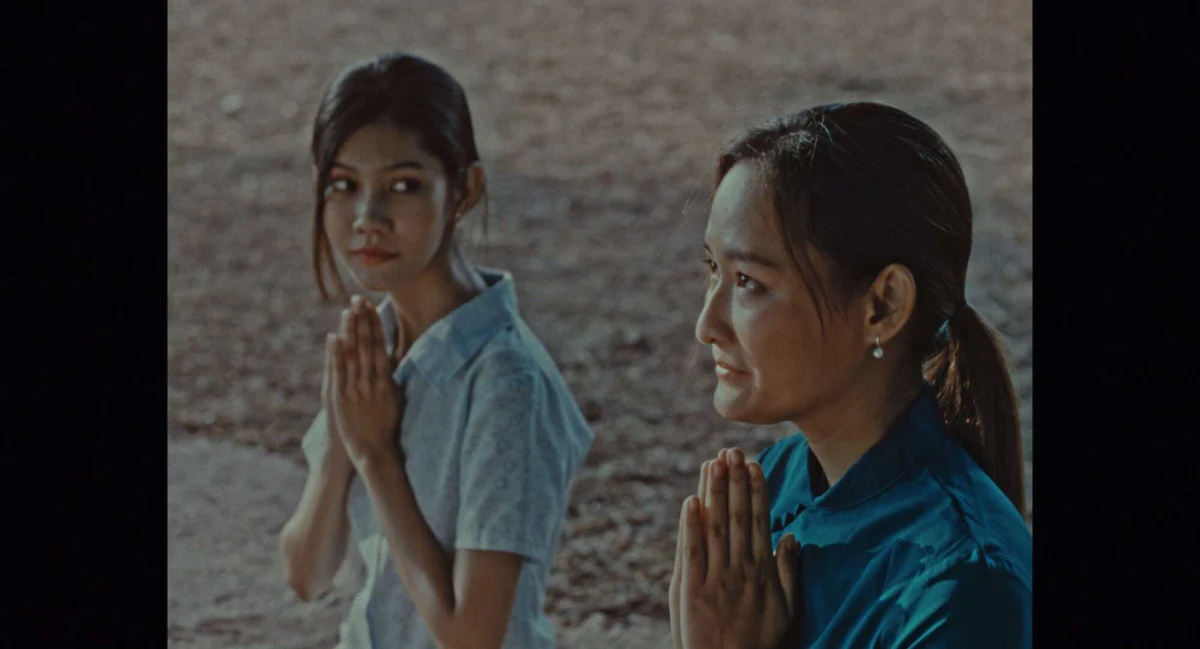
Within the confines of the factory, San Kyi forges a close bond with her coworker, Theint Theint Oo, played by Nandar Myint Lwin. Their shared experiences of hardship and the oppressive factory environment foster moments of companionship, offering a brief respite from the pressures surrounding them. However, as their relationship deepens and evolves, an emotional distance begins to surface, exposing a chasm between their expectations and their differing visions for the future.
San Kyi finds herself caught in a complex web of familial pressures, internal confusion regarding her own feelings, and an overriding desire for a life imbued with greater dignity and freedom. The film masterfully portrays this "will they, won’t they" dynamic that, while subtle in its initial stages, gradually morphs into a more toxic and ambiguous relationship. This ambiguity is central to the film’s appeal, prompting viewers to question Theint’s true intentions – whether she genuinely reciprocates San Kyi’s affections or is, perhaps, exploiting her. This evolving dynamic serves as a potent commentary on how jealousy and unaddressed emotional complexities can spiral into violence, ultimately carrying the narrative’s tension from beginning to end. Both women, against the backdrop of Myanmar’s challenging social and economic realities, embark on a searching journey for intimacy and alternative pathways away from the circumstances that dictate their lives.
A Societal Canvas: Myanmar’s Contemporary Realities
Beyond the intimate emotional drama, "Fruit Gathering" functions as a powerful social commentary, offering pointed observations on the circumstances of women working in Yangon, particularly within the textile industry. The film unflinchingly depicts the demanding nature of factory work, where long hours and minimal wages often trap individuals in cycles of poverty, eroding dignity and stifling personal aspirations. This portrayal resonates with broader reports on the garment sector in Southeast Asia, which, while providing employment, often presents workers with precarious conditions, making San Kyi’s yearning for escape deeply relatable.
Aung Phyoe also skillfully addresses the pervasive issue of patriarchy, primarily through the character of San Kyi’s mother, who attempts to steer her daughter toward a conventional, predetermined path. This depiction highlights the generational and cultural pressures faced by young women in Myanmar, where traditional expectations often clash with individual desires for autonomy and self-determination.
Furthermore, the film touches upon the significant issue of youth migration, a growing concern in Myanmar. Many young people, disillusioned by limited opportunities and economic instability, seek futures abroad. The narrative subtly acknowledges the government’s efforts to curb this outflow, adding another layer of contemporary relevance to the story. Yangon itself is frequently depicted as a landscape of hardship and struggle, forming a stark contrast with the idyllic beauty and serenity of the rural areas that San Kyi longs to return to. This geographical juxtaposition serves as a poignant observation on the urban-rural divide, a theme that contributes significantly to the film’s multi-layered narrative. A key strength of Aung Phyoe’s direction lies in his ability to seamlessly weave these complex socio-political observations into the central emotional narrative, avoiding didacticism or "arthouse excess," and ensuring they feel organic to the characters’ experiences.
The Art of Filmmaking: Immersive Style and Stellar Performances
The film’s artistic excellence is further amplified by its sophisticated filmmaking techniques. Aung Phyoe’s direction, characterized by its subtle yet profound approach, masterfully conveys the shifting psychological states of the protagonists. These internal worlds are primarily communicated through nuanced looks, pregnant silences, and the immersive, almost voyeuristic cinematography of Thaiddhi. His camerawork is noted for its "documentary-like realism," which lends an authentic and raw quality to the visuals, drawing the audience intimately into San Kyi’s world. This observational style intensifies the emotional impact, particularly in moments where the subtlety gives way to more overt expressions of feeling.
Emily Swe’s editing establishes a mid-tempo rhythm that sets "Fruit Gathering" apart from the often-deliberately slow pacing common in similar independent productions. This choice benefits the feature significantly, maintaining engagement without sacrificing depth. While some critics noted that the insertion of flashbacks could have been handled with slightly more finesse, their overall impact on the narrative flow remains minimal and does not detract from the film’s overall coherence and emotional power.
The acting across the board is exceptionally high. Nandar Myat Aung delivers a nuanced and compelling performance as San Kyi. Despite her character’s often laconic demeanor, Myat Aung eloquently conveys a spectrum of emotions and internal conflicts. Her portrayal of San Kyi’s rebellious spirit against her mother, juxtaposed with a perceived unwillingness to take proactive steps for herself or her coworkers, adds a fascinating layer of ambiguity to the character. Witnessing her gradual transformation through the tumultuous relationship with Theint is a truly captivating experience. Nandar Myint Lwin, as Theint Theint Oo, heightens her character’s inherent ambiguity with intensity and conviction. The impressive chemistry between the two lead actresses is undeniable, vividly illustrating both the differences and similarities that bind and separate their characters, making their dynamic utterly believable and deeply engaging. The cast and character names, as confirmed by the official press kit, reflect these standout performances.
International Collaboration: A Model for Global Reach
The production model of "Fruit Gathering" itself is a significant story. As a 2026 co-production between Myanmar, the Czech Republic, and France, it exemplifies the crucial role of international collaboration in fostering independent cinema, especially from regions with nascent or challenging film industries. Third Floor Film from Myanmar served as the primary producer, with D1 Film of the Czech Republic and Art Production of France stepping in as coproducers. Thu Thu Shein and Thaiddhi are credited as producers, while Vít Janeček and Claire Marquet served as coproducers. This multi-national partnership provides not only essential funding and resources but also diverse expertise, broader distribution networks, and access to international film markets and festivals. For Myanmar cinema, such collaborations are vital in circumventing local production constraints and ensuring that its unique narratives can reach a global audience, contributing to a more diverse and inclusive cinematic landscape.
Implications for Myanmar Cinema and Beyond
The Crystal Globe win for "Fruit Gathering" is more than just an accolade for Aung Phyoe and his team; it represents a profound moment for Myanmar cinema. In a period marked by political instability and numerous challenges for artists, this international recognition provides a beacon of hope and validation. It demonstrates that despite formidable obstacles, powerful and resonant stories can emerge from Myanmar, capable of captivating global audiences and receiving top honors. This success is likely to inspire other independent filmmakers within the country, potentially opening doors for future international co-productions and increased visibility for Myanmar’s artistic talent.
Moreover, the film’s thematic depth, tackling issues of gender, labor, patriarchy, and migration, resonates far beyond Myanmar’s borders. It offers a window into universal human struggles for dignity, connection, and freedom, making it a powerful statement on the shared human condition. "Fruit Gathering" is an exceptional cinematic achievement, presenting an intense romantic story interwoven with insightful commentary on the contemporary state of Myanmar. It is a more than promising debut that fully deserved the prestigious award it received, solidifying Aung Phyoe’s position as a significant new voice in world cinema and setting a high bar for independent filmmaking from Southeast Asia.