The long-anticipated R-rated director’s cut of the 2008 film The X-Files: I Want to Believe is set to premiere on Hulu on August 14th, under a newly revealed and intriguing The X-Files: I Want to Believe Vrach Frankenshteyn. This resurrected version of the second cinematic installment of the iconic paranormal investigation franchise promises to deliver the uncompromised vision of its creator, Chris Carter, who expressed dissatisfaction with the original theatrical release’s PG-13 rating limitations.
Hulu’s forthcoming offering, as reported by Gizmodo, signifies a significant return for the film, which garnered a modest box office performance upon its initial release. The unconventional subtitle, "Vrach Frankenshteyn," is a direct transliteration from Russian, translating to "Victor Frankenstein." While the name itself does not introduce a new character into the narrative, it serves as a symbolic nod to the film’s resurrection and recomposition. This nomenclature suggests a deliberate reassembly of excised scenes and a restoration of elements that were deemed too intense for the original PG-13 rating, effectively bringing the film back to life in a more potent form.
Background of the Original Release and Carter’s Vision
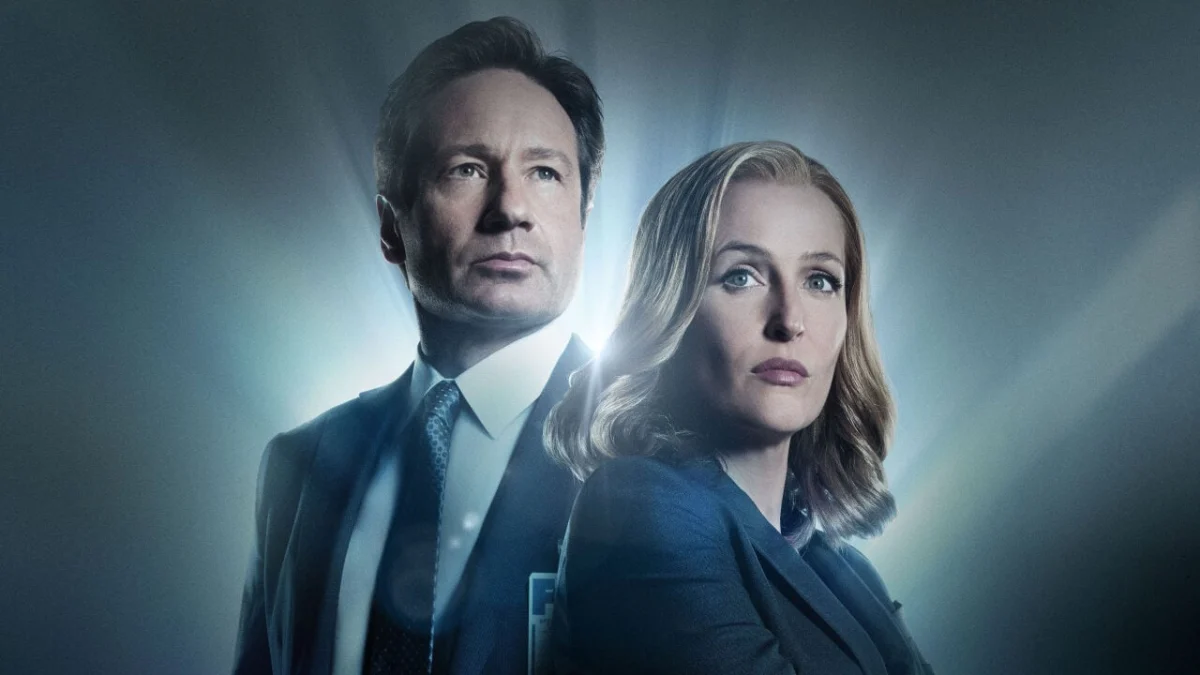
Released in July 2008, The X-Files: I Want to Believe marked the return of FBI Special Agents Fox Mulder (David Duchovny) and Dana Scully (Gillian Anderson) to the big screen six years after the first film, The X-Files (1998), and over five years after the television series finale. The film’s plot centers on Mulder and Scully, who have become estranged from the FBI following the events of the series. They are drawn back into the fold by a former colleague to investigate a series of disturbing disappearances and alleged psychic visions experienced by a Catholic priest, Father Joeppe (Billy Connolly). The narrative delves into themes of faith, doubt, and the lingering mysteries that continue to plague the X-Files division.
Upon its release, The X-Files: I Want to Believe grossed approximately $209 million worldwide against a production budget of $65 million. While this figure represented a profit, critical reception was mixed, with many reviewers and fans lamenting what they perceived as a watered-down narrative and a lack of the signature suspense and unsettling atmosphere that defined the original television series.
Chris Carter, the mastermind behind The X-Files universe, has openly discussed the compromises made during the production and editing of the 2008 film. In a notable appearance on the "Fail Better with David Duchovny" podcast, Carter articulated his frustration with the studio’s insistence on a PG-13 rating. He explained that the initial cut of the film was intended to be more frightening, but pressure from Fox executives led to significant alterations to achieve the desired rating.
"I made it too scary, basically, and I was told so by the brass at Fox, and they wanted a PG-13 movie," Carter stated during the podcast. "So we cut it back to be a PG-13 movie, and we thought, ‘Okay, we’ve satisfied their demands.’ The critics, the people who rate the movies, said, ‘No, it’s not a PG-13 yet, you’ve got to cut it back even farther.’" He further elaborated on the paradoxical nature of censorship, observing that "you can do more on network television, [the censors] are more permissive than they are for the movies."
This sentiment underscores the director’s cut as an opportunity to reclaim and present the film as it was originally conceived. Carter emphasized that this is not merely an exercise in revisiting past work but a genuine effort to realize the "scary movie that I always intended," a vision that remained "on the page and never got to the screen" in its original form.
The Significance of the Director’s Cut and R-Rating
The decision to release an R-rated director’s cut signifies a deliberate move to cater to the franchise’s dedicated fanbase, many of whom have long expressed a desire for a more mature and unsettling cinematic experience, akin to the earlier seasons of the television series. The R-rating, typically assigned to films containing significant adult content, including strong violence, language, or thematic elements, allows for a broader spectrum of narrative and visual expression that was restricted in the original theatrical release.
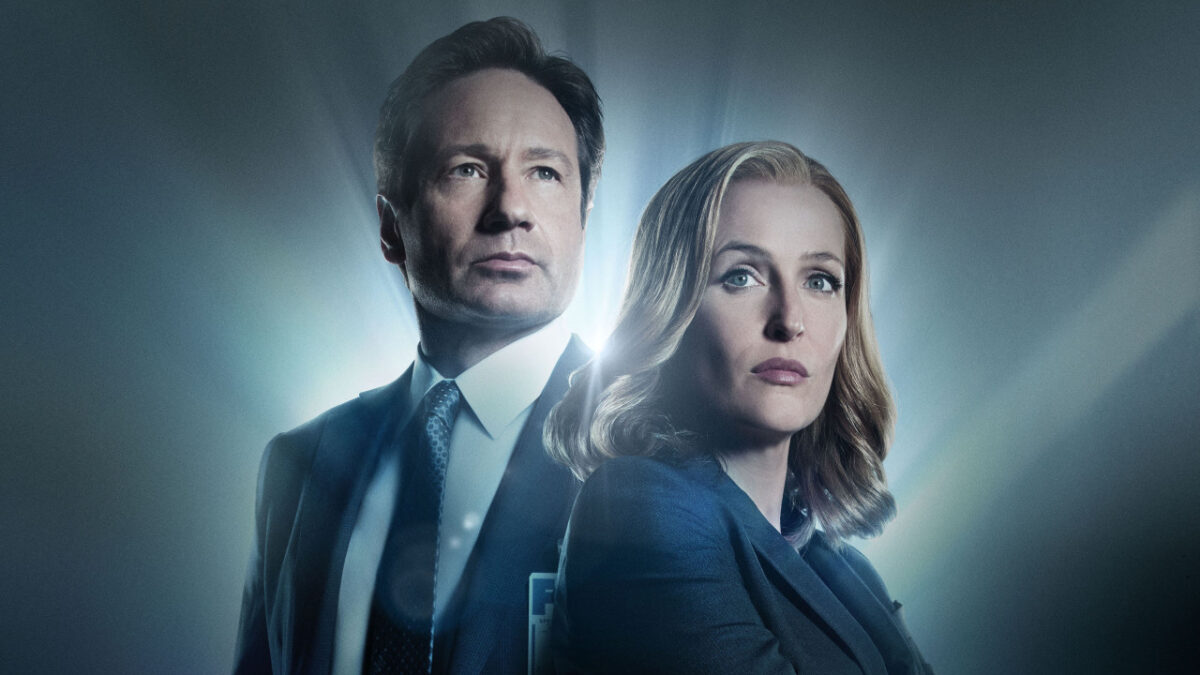
Disney, the parent company of 20th Television which produced the film, has confirmed that this version will be R-rated and will "faithfully restore the filmmaker’s original vision." This statement suggests a comprehensive re-editing process, potentially including the reintegration of deleted scenes, extended sequences, and a bolder approach to the film’s horror and suspense elements. The implication is that the director’s cut will offer a more visceral and perhaps thematically richer experience, addressing the criticisms of the original release being too restrained.
Chronology of the Director’s Cut Revelation
The journey to this director’s cut has been a gradual unfolding of information for fans. Initial reports suggesting the existence of a director’s cut and its potential arrival on streaming platforms began circulating some time ago. The delay in its official release, followed by the recent confirmation and the unveiling of its unique title, has generated considerable anticipation within the X-Files community.
- Original Release: The X-Files: I Want to Believe premieres in theaters worldwide in July 2008, rated PG-13.
- Post-Release Discussions: Creator Chris Carter expresses dissatisfaction with the PG-13 rating limitations and hints at a more complete version of the film.
- Early Rumors of Director’s Cut: Sporadic reports and fan discussions emerge regarding the possibility of a director’s cut surfacing on streaming services.
- Confirmation of Hulu Release: News outlets confirm that a director’s cut is indeed slated for release on Hulu.
- Title Reveal and Release Date: Gizmodo and other sources report the official title as The X-Files: I Want to Believe Vrach Frankenshteyn and confirm the streaming release date of August 14th.
Analysis of Implications and Broader Impact
The release of The X-Files: I Want to Believe Vrach Frankenshteyn on Hulu carries several implications for both the franchise and the streaming landscape.
Firstly, it represents a significant opportunity for Chris Carter to present his definitive version of the film, potentially reshaping audience perception of I Want to Believe. If the R-rated cut successfully delivers on the promise of increased intensity and narrative depth, it could retroactively enhance the film’s standing within the X-Files canon. This is particularly relevant given the ongoing interest in the franchise, with discussions about potential future projects or continuations often resurfacing.
Secondly, the move highlights the growing trend of streaming platforms acquiring and re-releasing previously unreleased or altered versions of films. This practice allows for the exploitation of existing intellectual property in new ways, catering to niche fan bases and generating fresh content. For Hulu, securing the exclusive streaming rights to this R-rated director’s cut could attract dedicated X-Files enthusiasts to the platform.
Thirdly, the unconventional title, Vrach Frankenshteyn, serves as a clever marketing tool. It piques curiosity and immediately signals that this is not the film audiences saw in 2008. The nod to Frankenstein’s monster implies a creature pieced together from discarded parts, a fitting metaphor for a director’s cut that restores what was once removed. This linguistic choice, while potentially challenging for some to pronounce, adds an element of mystique and thematic resonance to the release.
The success of this R-rated cut could also influence how studios approach the rating of future franchise installments. If The X-Files: I Want to Believe Vrach Frankenshteyn resonates positively with audiences and critics, it might encourage studios to grant creators more creative freedom regarding ratings, especially for genres that inherently benefit from mature themes and a darker tone. The inherent tension between artistic vision and commercial viability, a recurring theme in Hollywood, is at the heart of this particular release. Carter’s ability to finally present the film as he intended offers a case study in the power of director’s cuts and the evolving dynamics of film distribution.
For fans, the anticipation is palpable. The prospect of re-experiencing Mulder and Scully’s reunion with a more potent, perhaps more terrifying, narrative is a compelling draw. The phrase "I want to believe," which has become synonymous with the franchise’s enduring appeal and its exploration of the unknown, takes on a new layer of meaning with this director’s cut. Fans will now have the opportunity to believe in a version of the film that may have been lost to the constraints of mainstream cinematic distribution, a testament to the enduring power of a story that continues to probe the depths of mystery and the limits of human understanding. The August 14th release date marks not just the debut of a film, but the return of a vision, resurrected and ready to confront audiences once more.