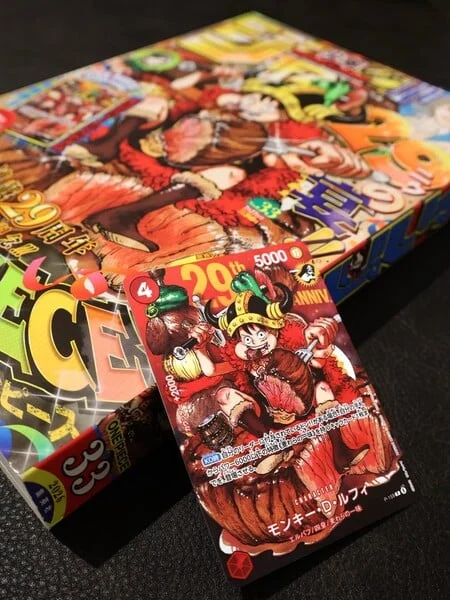
The culmination of the popular manga series Blue Box and a highly sought-after One Piece Card Game card, included as a special insert in the 33rd issue of Weekly Shonen Jump, has led to widespread disappointment among fans. The issue, which marked the final chapter of Blue Box and celebrated the One Piece manga’s 29th anniversary, quickly sold out in stores across Japan. This scarcity has been attributed to a surge in demand driven by individuals reportedly purchasing multiple copies to resell the exclusive One Piece card for profit, prompting apologies from both the manga creator and the magazine’s editorial department.
Creator’s Regret and Fan Disappointment
Kouji Miura, the creator of Blue Box, took to X (formerly Twitter) on Tuesday to express his sincere regret to fans who were unable to obtain a physical copy of the issue. In a now-deleted post, Miura stated, "I am filled with regret for everyone who wanted to read this week’s issue in print but couldn’t. Thank you so much for wanting to read it! (This isn’t about directing my frustration at anyone but simply an apology to everyone who is upset.)" His statement underscored the significant demand for the issue, which went on sale Monday.
The scarcity of the magazine was not due to a lack of initial print run but rather an overwhelming demand that outstripped supply within hours of its release in many locations. Reports and social media posts quickly emerged showing empty shelves in bookstores and convenience stores nationwide, with many of these outlets reporting complete sell-outs by mid-morning. This rapid depletion of stock left countless loyal readers unable to access the highly anticipated conclusion of Miura’s work and the commemorative One Piece card.
The Reselling Phenomenon: A Card for Profit
The primary driver behind the rapid sell-out appears to be the inclusion of a special One Piece Card Game card. This exclusive item, designed to celebrate the monumental 29th anniversary of Eiichiro Oda’s One Piece manga, became a focal point for resellers. The card’s rarity and potential market value incentivized some buyers to acquire multiple copies of the Weekly Shonen Jump issue, not for the manga content, but solely for the collectible card.
Oricon News, a prominent Japanese news outlet, interviewed a self-proclaimed reseller who admitted to purchasing approximately 25 copies of the 33rd issue across various stores. This individual reportedly made around 18,000 yen (approximately US$110) by selling 20 of the One Piece cards. When questioned about the impact of their actions on other readers, the reseller expressed a lack of concern, stating, "I didn’t think about it. You can read it digitally, can’t you? I understand the feeling of people who say, ‘I want to read this in print,’ but I don’t feel like I did anything wrong." This sentiment highlights a disconnect between the desire for collectible items and the accessibility of serialized content for the broader fan base.

Editorial Response and Remedial Actions
Recognizing the widespread frustration and inconvenience caused, the editorial departments of Weekly Shonen Jump, V Jump, and Saikyō Jump issued a joint apology on Friday. The statement read, "We sincerely apologize for the inconvenience caused to our readers and for the confusion this created at retail stores and convenience stores."
To address the issue of unavailability, the editors announced that a reprint of the Weekly Shonen Jump 33rd issue would be made available. Crucially, this reprint will not include the One Piece Card Game card, aiming to prevent further reselling issues related to the collectible. This reprinted edition will be available for pre-order exclusively through the online Jump Character Store service. The official release date for the reprint will be communicated through the Weekly Shonen Jump editors’ social media channels.
Furthermore, the editorial teams have made significant decisions regarding future collaborations with the One Piece Card Game. The planned inclusion of a "Charlotte Pudding" One Piece Card Game card in the October issue of V Jump, scheduled for release on August 21, has been canceled. However, the One Piece Card Game "Special Gift for All Applicants" promotion will proceed, allowing participation through the purchase of Kindle or Zebrack digital editions of the magazines.
In a broader move to prevent similar incidents, Weekly Shonen Jump, V Jump, and Saikyō Jump will suspend the inclusion of One Piece Card Game cards as bonus inserts in their future issues for the time being. The editorial departments are undertaking an internal review of plans for future inserts and sales methods across all three magazines to ensure broader and more equitable distribution to their readership.
Following the announcement of the reprint, Kouji Miura issued a follow-up statement on X, informing fans that the Weekly Shonen Jump issue 33 would be available for pre-order. She reiterated that the bonus insert would not be included and urged fans to "check official channels for further announcements and details before placing your order," thanking them for their patience.
Retailer Precautions and Market Dynamics
Major Japanese retailer Animate took proactive measures in anticipation of high demand. On July 3, two weeks before the issue’s release, Animate announced that its physical stores would not carry the 33rd issue. The chain stated that pre-orders were exclusively accepted through their online store to manage congestion and prevent disputes. However, even online pre-orders quickly reached capacity.

The Animate Online Shop, while accepting orders for the issue, subsequently implemented purchase limits, restricting customers to one copy per person. The site also reserved the right to cancel orders if multiple purchases or duplicate orders were suspected, demonstrating an effort to combat bulk buying by resellers.
The incident highlights a growing trend in the collectibles market where limited-edition items, even those bundled with other media, can drive significant secondary market activity. The One Piece franchise, with its immense global popularity and dedicated fanbase, is particularly susceptible to such phenomena. The value of rare trading cards, whether from dedicated card games or as promotional inserts, can often exceed the base cost of the publication they are included in, creating a profitable arbitrage opportunity for those willing to exploit it.
Timeline of Events:
- Early July: Animate announces that physical stores will not carry the 33rd issue of Weekly Shonen Jump and directs customers to online pre-orders.
- July 15: Weekly Shonen Jump issue 33, featuring the finale of Blue Box and an exclusive One Piece Card Game card, goes on sale across Japan.
- July 15 (Morning/Afternoon): Reports and social media posts indicate widespread sell-outs of the issue across Japan, with many stores depleting stock within hours.
- July 15-17: Social media buzz intensifies regarding the sell-outs and the alleged reselling of the One Piece card for profit. News outlets begin reporting on the phenomenon.
- July 16 (Tuesday): Blue Box manga creator Kouji Miura posts an apology on X (formerly Twitter) for fans unable to purchase the issue. The post is later deleted.
- July 19 (Friday): The editorial departments of Weekly Shonen Jump, V Jump, and Saikyō Jump issue a joint apology and announce plans for a reprint of the Weekly Shonen Jump issue (without the card) and other adjustments to future insert policies.
- July 19 (Following Announcement): Kouji Miura posts a follow-up statement on X regarding the pre-order availability of the reprinted issue.
Broader Implications for Manga and Collectibles
The incident surrounding the Weekly Shonen Jump 33rd issue has significant implications for the manga industry and the broader market for collectibles. It underscores the challenges publishers face in balancing fan access to serialized content with the lucrative potential of exclusive merchandise.
The swift sell-out and subsequent reselling highlight a critical need for publishers to re-evaluate their distribution strategies and anti-scalping measures. While digital editions offer an alternative, many dedicated fans still value the tactile experience of reading physical manga and collecting associated merchandise. The reselling of such items not only frustrates genuine fans but can also diminish the perceived value of the original publication, potentially impacting sales figures and fan engagement in the long term.
The decision by the Shonen Jump editorial departments to suspend the inclusion of One Piece Card Game cards and conduct internal reviews signals a commitment to addressing these issues. The success of future collaborations will likely depend on their ability to implement robust systems that prioritize genuine fan access over speculative reselling. This event serves as a cautionary tale, emphasizing the delicate balance between commercial opportunity and fan community integrity in the ever-evolving landscape of popular entertainment.