A New Vision of Naturalistic Cinema
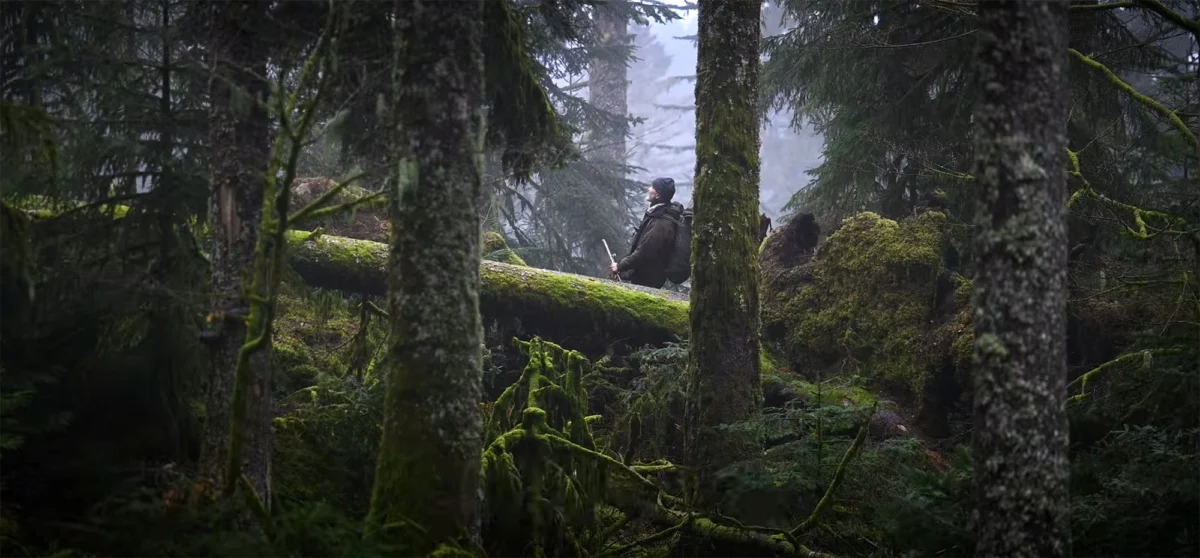
The production of Whispers in the Woods, known in its native France as Le chant des forêts, represents a departure from the traditional blue-chip nature documentary format. Rather than relying on sweeping aerial photography or dramatic, narrated sequences of predator-prey conflict, Munier employs a "slow cinema" approach. The filmmaker spent months filming during the dawn and dusk hours—periods often referred to by photographers as the "blue hour"—to capture the specific lighting conditions that define the forest’s atmosphere.
The film’s primary setting is the Vosges Mountains, a range of low mountains in eastern France near the border with Germany. This region is characterized by its mixed deciduous and coniferous forests, which provide a habitat for some of Europe’s most reclusive species. By focusing on the nuances of this environment, Munier aims to highlight the "transcendent beauty" found in ecosystems that are often overlooked in favor of more exotic, tropical locales.
Chronology of Development and International Release
The timeline for Whispers in the Woods spans several years of patient observation and technical preparation. Munier, who has spent much of his life documenting the wildlife of the Vosges, began formal production on the project following the conclusion of the press cycle for The Velvet Queen.

- Production Phase (2023–2024): Munier conducted extensive filming near his farm in the Vosges, as well as in selected ancient forests across Europe. The filming schedule was dictated by the seasons, with a particular emphasis on capturing the specific vocalizations of wildlife during the spring mating seasons and the hushed stillness of winter.
- Festival Premiere (Autumn 2025): The documentary made its international debut on the film festival circuit in late 2025. It was featured prominently at the Zurich Film Festival and the London Film Festival, where it received critical attention for its sound design and cinematography.
- European Theatrical Release (December 2025): The film opened in French cinemas in late 2025, distributed to capitalize on the winter season, which mirrors much of the film’s visual palette.
- Global Expansion (2026): Following its success in Europe, Madman Films secured distribution rights for various territories. The official trailer release in July 2026 signaled the film’s upcoming theatrical debut in the United States and Australia.
A Multi-Generational Narrative and Legacy
Central to the structure of Whispers in the Woods is a three-generational narrative. The film features Munier alongside his father, Lucien Munier—himself a respected naturalist—and his son. This familial thread distinguishes the documentary from standard wildlife features, positioning the forest as a site of heritage and oral tradition.
The narrative explores the concept of "the whisper," a metaphor for the subtle cues of nature that must be learned over a lifetime. This includes the ability to identify bird calls, track the movement of the European lynx, and understand the symbiotic relationships between trees and fungi. By involving his father and son, Munier illustrates the continuity of environmental stewardship and the importance of preserving the "wildness" of the European landscape for future generations.
Technical Mastery and Auditory Poetics
One of the most praised aspects of the film is its focus on "poetic sounds." In nature filmmaking, sound is often treated as secondary to the image, or is heavily manipulated in post-production. Whispers in the Woods reverses this priority, treating the auditory landscape of the forest as a central protagonist.
The film captures a wide array of specific acoustic phenomena, including:

- The Capercaillie’s Call: The rare and rhythmic displays of the western capercaillie, a large woodland grouse whose population in the Vosges has become a subject of intense conservation efforts.
- The Wind in the Canopy: The distinct sounds produced by different species of trees, from the rustle of beech leaves to the creak of ancient firs.
- Animal Vocalizations: The bellows of deer during the rut and the nocturnal calls of the boreal owl.
The technical team utilized high-fidelity field recording equipment to ensure that the sounds presented in theaters are as immersive as the visual imagery. This focus on "listening" aligns with the film’s central philosophy: that human observation of nature requires a state of quietude and patience.
Ecological Context and the Biodiversity of the Vosges
The release of Whispers in the Woods comes at a time of increased focus on European rewilding efforts. The Vosges Mountains serve as a critical case study for the coexistence of human activity and wild spaces. The region is home to the Vosges du Nord / Pfälzerwald Biosphere Reserve, a UNESCO-designated site that emphasizes the protection of natural habitats.
The film highlights several key species that are indicative of the health of the European forest ecosystem:
- The European Lynx: A flagship species for conservation, the lynx is a solitary predator that requires vast, undisturbed territories. Its presence in the film serves as a testament to the remaining "wild hearts" of the continent.
- The Boreal Owl: A small, nocturnal bird of prey that relies on old-growth forests and the abandoned holes of woodpeckers.
- The Black Stork: Unlike the more common white stork, the black stork is a shy forest dweller that nests in secluded woodland areas.
By documenting these creatures, Munier provides more than just aesthetic pleasure; he offers a record of the biodiversity currently under threat from climate change and habitat fragmentation. The film’s emphasis on "trees listening to birds’ songs" reflects a growing scientific understanding of forest communication, popularized by works such as Peter Wohlleben’s The Hidden Life of Trees.

Official Responses and Industry Impact
Industry analysts suggest that Whispers in the Woods is poised to follow the successful trajectory of recent high-end nature documentaries like My Octopus Teacher and All That Breathes. These films have demonstrated a significant market appetite for "contemplative" nature documentaries that blend scientific observation with personal, often philosophical, narratives.
Madman Films, the distributor responsible for the trailer’s release, has emphasized the film’s "mesmerizing" and "naturalistic" qualities in its marketing materials. While the film was produced in France, its themes of family legacy and environmental preservation are considered universally resonant, facilitating its transition to the North American and Australian markets.
Early reactions from the Zurich and London Film Festivals noted that Munier’s work transcends the "nature doc" genre, bordering on fine art. Critics have pointed to the film’s ability to evoke a sense of wonder without the use of computer-generated imagery or hyper-dramatized editing, a feat that is increasingly rare in contemporary media.
Broader Implications for Conservation and Media
The broader impact of Whispers in the Woods lies in its potential to influence public perception of local environments. While global conservation efforts often focus on the Amazon or the Serengeti, Munier’s work argues that the "magnificent wilderness" is often much closer to home.

The film’s release coincides with several European Union initiatives aimed at forest restoration and the protection of old-growth stands. By humanizing the forest through the lens of family and sound, Whispers in the Woods provides a persuasive emotional argument for the protection of these spaces. It suggests that the loss of the forest is not just a biological catastrophe, but a cultural and personal one—the silencing of a "whisper" that has been passed down for generations.
As the film prepares for its theatrical run in the United States and Australia, it stands as a reminder of the power of patient filmmaking. In an era of rapid-fire content consumption, Vincent Munier’s invitation to "stop and watch" offers a different pace of engagement, one that mirrors the slow, enduring life of the woods he so meticulously documents. The film is expected to be a strong contender in the documentary categories for the upcoming awards season, potentially matching the accolades previously garnered by The Velvet Queen.